Thử nghiệm ốc tai điện tử cho thấy giữ lại thính lực tần số thấp tự nhiên giúp hiểu lời nói tốt hơn trong tiếng ồn
Trong một thử nghiệm khả thi đa trung tâm tại Mỹ, những người trưởng thành giữ được thính lực tần số thấp tự nhiên sau khi cấy điện cực ốc tai điện tử dạng mảnh đã cải thiện điểm nhận diện lời nói thêm 22 đến 54 điểm phần trăm trong vòng một năm.
Nhiều người trưởng thành bị mất thính lực không mất đều ở mọi tần số. Một dạng phổ biến, đặc biệt khi có tuổi, là mất thính lực dạng dốc: các âm trầm mang giai điệu và nhịp điệu của lời nói vẫn còn tương đối nguyên vẹn, trong khi các âm cao mang độ rõ của phụ âm dần mất đi. Những người có dạng mất thính lực này thường nói rằng họ nghe thấy có người đang nói nhưng không nghe rõ từng chữ.
Trong nhiều năm, phẫu thuật cấy ốc tai điện tử có nguy cơ phá hủy phần thính lực tự nhiên còn sót lại ở bên tai được cấy. Một thử nghiệm đa trung tâm mới, đăng trên Audiology and Neurotology và được lập chỉ mục trên PubMed trong tuần này, đã kiểm tra xem một điện cực dạng mảnh có thể bảo toàn phần thính lực tần số thấp còn lại đó trong khi vẫn mang lại lợi ích của kích thích điện hay không.
Tiêu đề: Hearing preservation and efficacy outcomes in CI632 recipients with sloping high-frequency hearing loss: Multicenter trial results
Tác giả: Sarah Mowry, Robert Cullen, Sarah Sydlowski, Alejandro Rivas, Joseph Ursick, Erika Woodson, Viral D. Tejani, Kristen Lewis, Paul Reinhart
Đơn vị: Ba trung tâm chuyển tuyến tuyến ba tại Mỹ (hồ sơ PubMed không liệt kê đơn vị của từng tác giả)
Tạp chí: Audiology and Neurotology, xuất bản ngày 17 tháng 8, 2026
Loại nghiên cứu: Thử nghiệm khả thi đa trung tâm, tiến cứu, nhãn mở, một nhánh
DOI trên PubMed: 10.1159/aud/abnag004
Bối cảnh: vì sao các nhà nghiên cứu quan tâm đến vấn đề này
Trước đây, ốc tai điện tử chỉ dành cho người bị điếc sâu. Chỉ định đã được mở rộng, và người trưởng thành còn nhiều thính lực tần số thấp ngày càng được cân nhắc cấy ghép. Điều này đặt ra một bài toán kỹ thuật tinh tế: điện cực phải được luồn vào ốc tai, cơ quan thính giác hình xoắn ốc, mà không làm tổn thương các cấu trúc mỏng manh vẫn còn cảm nhận được âm trầm.
Khi thính lực tự nhiên được giữ lại sau phẫu thuật, bệnh nhân có thể sử dụng phương pháp mà các chuyên gia thính học gọi là kích thích điện-âm. Thiết bị cấy truyền bằng điện các tần số cao mà tai không còn nghe được, trong khi một bộ phận âm học tích hợp khuếch đại các tần số thấp mà tai vẫn cảm nhận được một cách tự nhiên. Kết hợp cả hai thường tạo ra âm thanh phong phú, tự nhiên hơn so với chỉ dùng kích thích điện.
Các nhà nghiên cứu muốn biết liệu một điện cực quanh trụ ốc dạng mảnh, tức một dãy điện cực mỏng được thiết kế để ôm sát thành trong của ốc tai, có thể bảo toàn ổn định thính lực tần số thấp ở nhóm ứng viên mới có thính lực tốt hơn này hay không, và liệu việc bảo toàn đó có mang lại lợi ích thực tế đáng kể hay không.
Cách thực hiện nghiên cứu
Mười người trưởng thành được tuyển chọn tại ba trung tâm tuyến ba ở Mỹ. Để đủ điều kiện, người tham gia cần có ngưỡng nghe tần số thấp từ 50 decibel trở xuống (tốt hơn) tại 500 Hz ở bên tai được cấy, mất thính lực dạng dốc ở tần số cao, và điểm nhận diện từ ngữ từ 60 phần trăm trở xuống trong một bài kiểm tra tiêu chuẩn ngay cả khi đeo máy trợ thính được chỉnh phù hợp. Nói đơn giản, đây là những người mà máy trợ thính không còn đủ để nghe rõ lời nói, nhưng vẫn còn thính lực tự nhiên dùng được ở các âm trầm.
Mỗi người tham gia được cấy thiết bị CI632 với điện cực quanh trụ ốc dạng mảnh và được theo dõi trong 12 tháng sau khi kích hoạt. Nhóm nghiên cứu đo ngưỡng nghe qua đường khí và đường xương, trở kháng điện cực, khả năng nhận diện từ ngữ trong môi trường yên tĩnh, khả năng hiểu câu khi có tiếng ồn nền, và kết quả do bệnh nhân tự báo cáo. Chụp CT sau phẫu thuật xác định chính xác vị trí của từng điện cực bên trong ốc tai.
Các nhà nghiên cứu đã phát hiện điều gì
Kết quả nổi bật là thính lực tần số thấp phần lớn được giữ lại sau phẫu thuật. Ngưỡng nghe trung bình đơn âm ở tần số thấp (125 đến 500 Hz) dịch chuyển trung bình 19.3 decibel khi kích hoạt và gần như ổn định ở mức 22.4 decibel sau 12 tháng. Mức dịch chuyển này có nghĩa là một phần thính lực tự nhiên đã bị mất, nhưng ít hơn rất nhiều so với tình trạng mất hoàn toàn mà các thiết kế điện cực cũ thường gây ra.
Nhờ phần thính lực âm học dùng được được bảo toàn, cả mười người tham gia đều có thể sử dụng kích thích điện-âm ở bên tai được cấy. Không ai phải chỉ dựa vào kích thích điện.
Khả năng hiểu lời nói cải thiện rõ rệt. Trên các bài kiểm tra khác nhau, mức cải thiện trung bình sau 12 tháng dao động từ 22 đến 54 điểm phần trăm, và kết quả do bệnh nhân tự báo cáo cũng cải thiện song song với các chỉ số đo trong phòng thí nghiệm. Các tác giả lưu ý rằng thính lực tần số thấp được bảo toàn đóng góp lớn vào việc cải thiện khả năng hiểu lời nói trong tiếng ồn, tình huống mà người nghe khiếm thính thấy khó khăn nhất.
Hình ảnh chụp xác nhận mọi điện cực đều nằm trong thang nhĩ (scala tympani), khoang dự kiến của ốc tai, với độ sâu cấy trung bình 406.6 độ. Trở kháng điện cực ổn định qua các lần khám, cho thấy thiết bị cấy hoạt động nhất quán.
Ý nghĩa đối với người bị mất thính lực
Nghiên cứu củng cố một nguyên tắc xuyên suốt trong chăm sóc thính lực hiện đại: thính lực tự nhiên đáng được bảo vệ, dù chỉ còn một chút. Tần số thấp mang cao độ giọng nói, ngữ điệu và những tín hiệu giúp não tách một giọng nói khỏi nền tiếng ồn. Người tham gia thử nghiệm này không chỉ nghe được nhiều hơn mà còn hiểu được nhiều hơn, đặc biệt trong tiếng ồn, vì công nghệ đã phối hợp với phần thính lực tự nhiên còn lại thay vì thay thế hoàn toàn.
Với những người bị mất thính lực dạng dốc nặng không còn được hưởng lợi từ máy trợ thính, kết quả cho thấy việc cấy ghép theo chỉ định mở rộng có thể thực hiện mà không phải hy sinh phần thính lực còn lại. Với nhóm lớn hơn nhiều gồm những người bị mất thính lực nhẹ hơn, cùng logic đó cho thấy nên hành động sớm hơn, khi vẫn còn nhiều thính lực tự nhiên để làm nền tảng.
Vì sao lời nói rõ hơn trong tiếng ồn lại quan trọng ở mọi mức độ mất thính lực
Thử nghiệm này liên quan đến thiết bị cấy ghép bằng phẫu thuật cho những người có mức mất thính lực đã vượt quá khả năng hỗ trợ của máy trợ thính. Cần lưu ý rằng các thiết bị không kê đơn được phê duyệt cho mất thính lực nhẹ đến trung bình, còn mất thính lực nặng hoặc sâu vẫn được hưởng lợi nhiều nhất từ việc lắp và chỉnh máy tại phòng khám như trong nghiên cứu này.
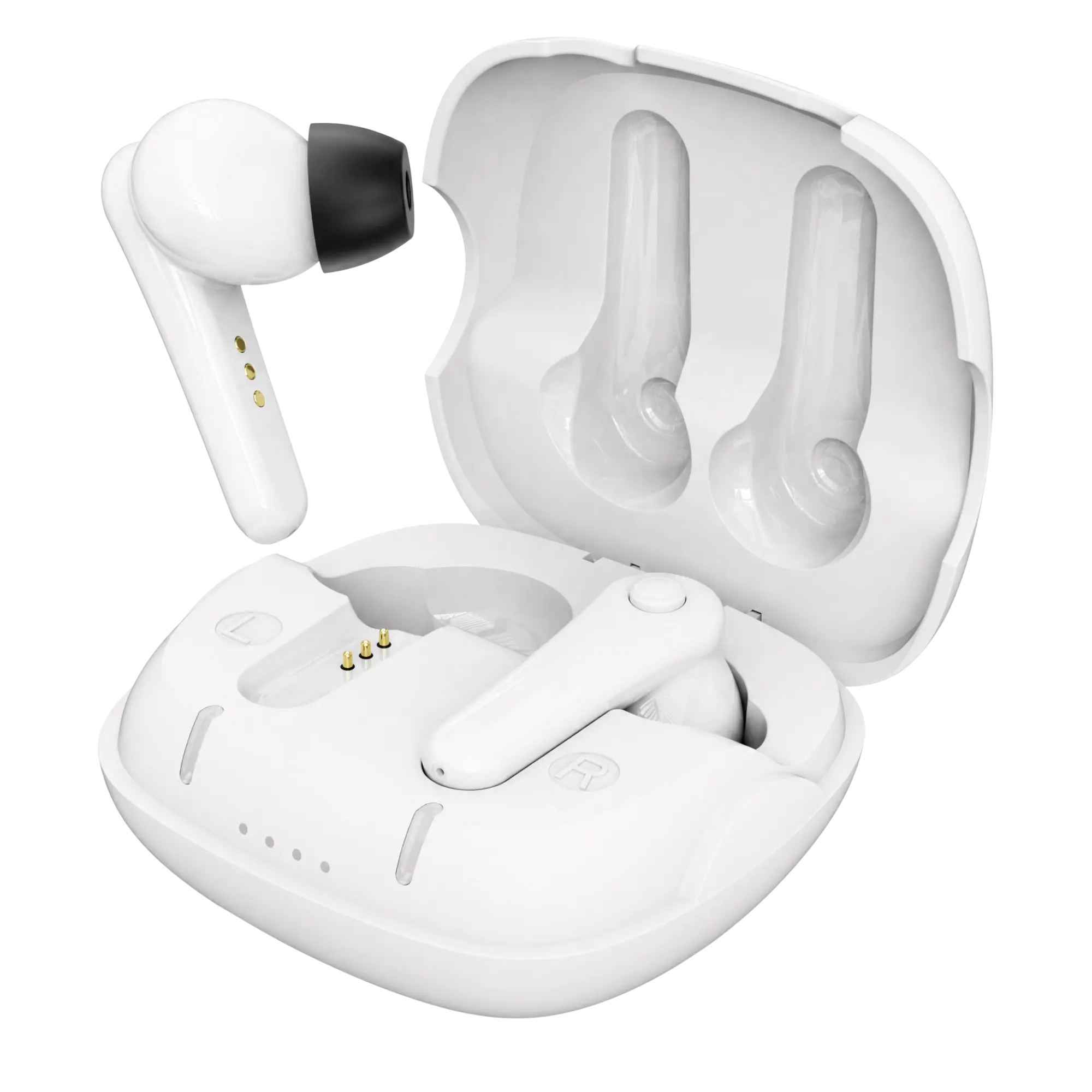
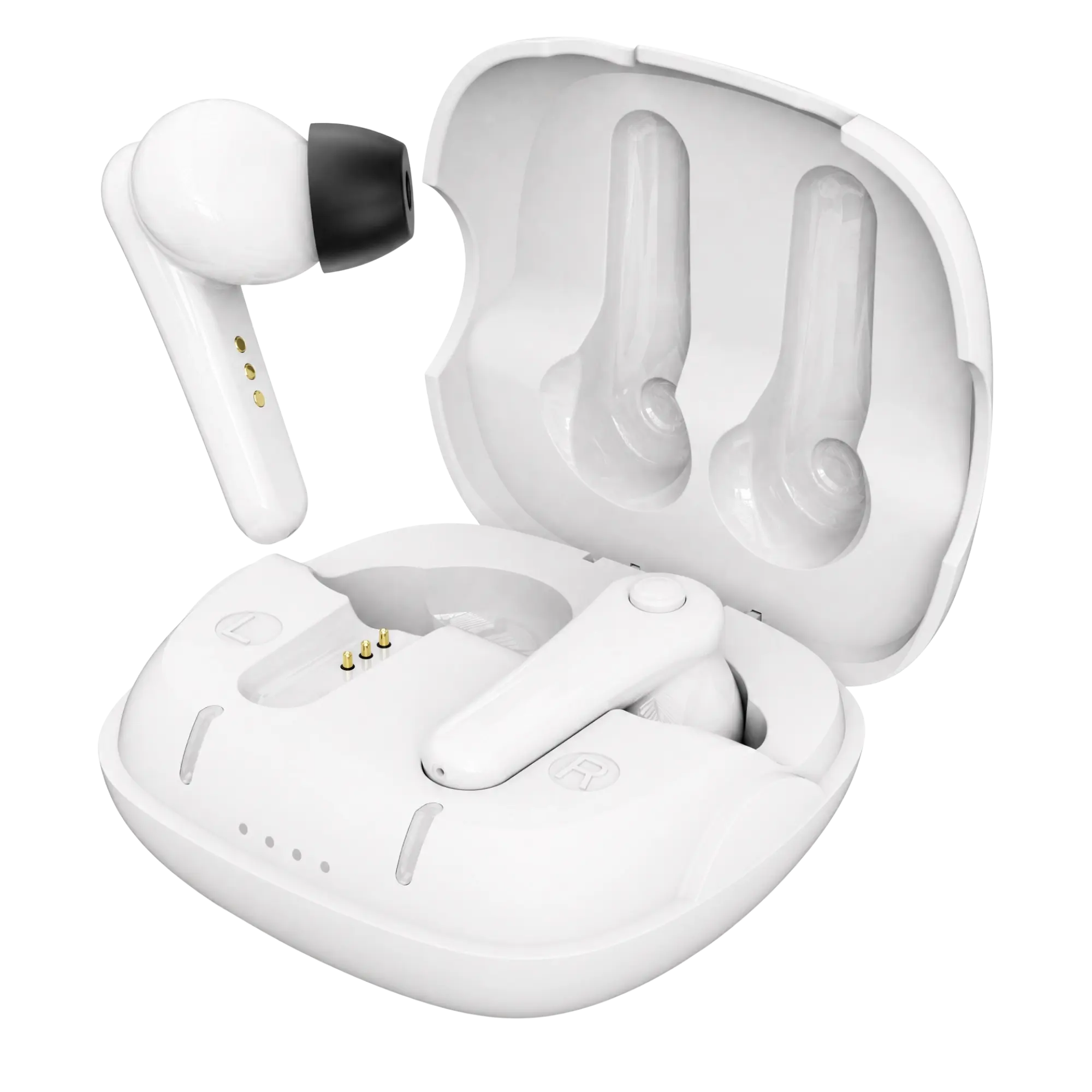
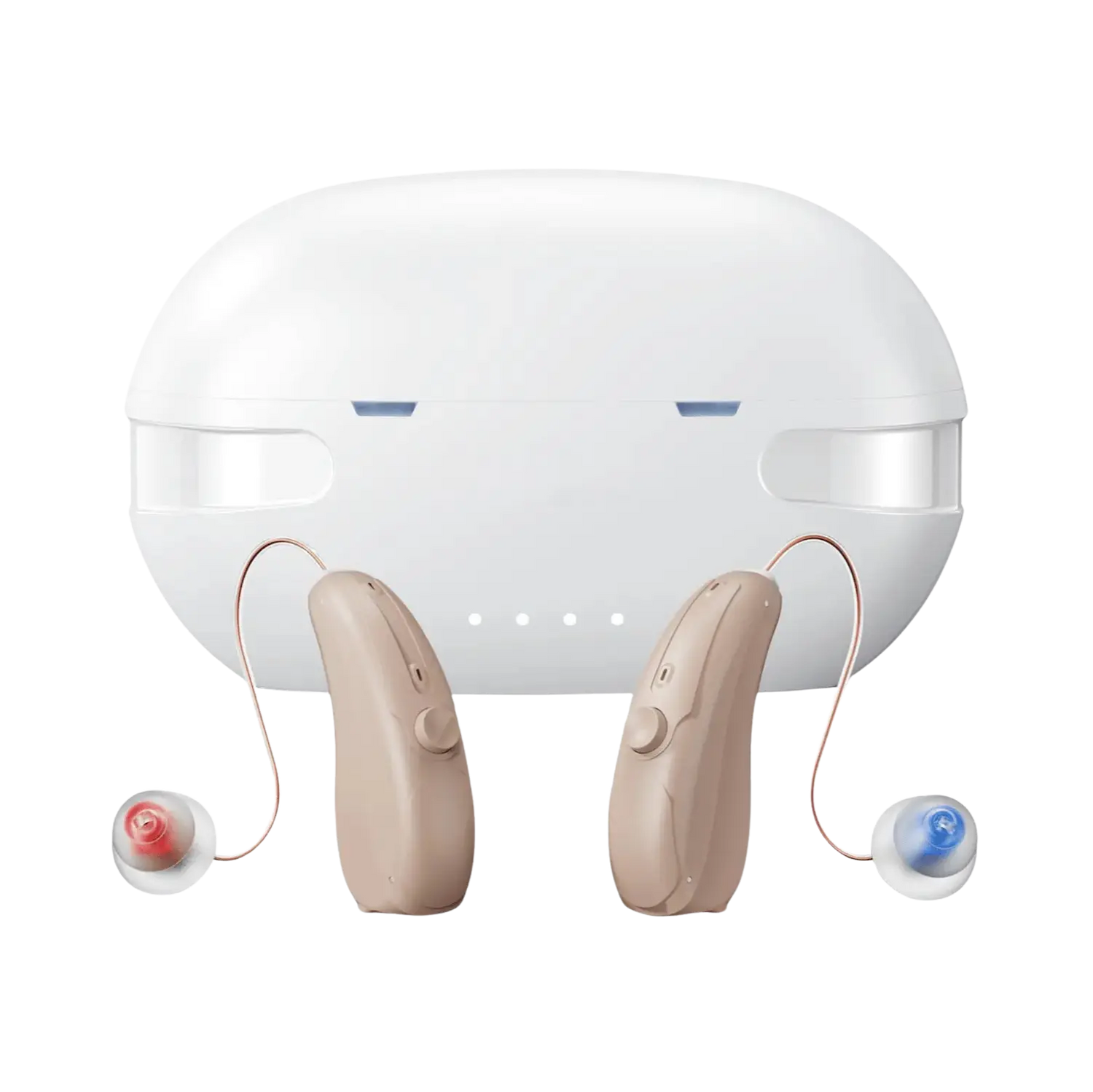
Với những người trưởng thành có mức mất thính lực vẫn trong khoảng nhẹ đến trung bình, bài học cốt lõi của nghiên cứu áp dụng ở quy mô nhỏ hơn: hiểu lời nói trong tiếng ồn là vấn đề quan trọng nhất, và công nghệ xử lý hỗ trợ điều đó tạo nên khác biệt. Các máy trợ thính không kê đơn (OTC) theo quy định của FDA thế hệ mới được xây dựng xoay quanh mục tiêu này. Panda Quantum là một ví dụ, một thiết bị WDRC 16 kênh với tính năng giảm tiếng ồn thích ứng được thiết kế để lời nói rõ hơn trong môi trường ồn ào, cùng Bluetooth cho cuộc gọi, TV và âm nhạc.
Quantum còn có bài kiểm tra thính lực trong tai tùy chọn qua ứng dụng, giúp cá nhân hóa độ khuếch đại và đáp ứng tần số theo hồ sơ thính lực của người dùng, dù thiết bị vẫn hoạt động ngay khi mở hộp mà không cần ứng dụng hay bài kiểm tra. Máy dùng được 20 giờ mỗi lần sạc với hộp sạc cung cấp thêm ba lần sạc đầy, đi kèm bảo hành 5 năm và thời gian dùng thử 45 ngày bắt đầu từ khi khách hàng nhận sản phẩm. Xem chi tiết tại pandahearing.com.

Hạn chế của nghiên cứu
Đây là một thử nghiệm khả thi chỉ với mười người tham gia, không có nhóm đối chứng và theo thiết kế nhãn mở, nghĩa là cả bệnh nhân lẫn bác sĩ đều biết thiết bị nào được cấy. Kết quả từ các nghiên cứu nhỏ một nhánh có thể trông khả quan hơn so với thực tế khi được kiểm chứng trong các thử nghiệm ngẫu nhiên lớn hơn. Khoảng thời gian 12 tháng cũng không thể cho thấy liệu phần thính lực được bảo toàn có duy trì ổn định qua nhiều năm hay không.
Hồ sơ PubMed không nêu chi tiết nguồn tài trợ hay xung đột lợi ích của thử nghiệm này, điều mà bạn đọc nên lưu ý khi đánh giá các kết quả liên quan đến một thiết bị cấy ghép thương mại cụ thể.
Chúng ta đang ở đâu
Công nghệ thính giác đang tiến về cùng một đích đến từ nhiều hướng khác nhau: giữ lại những gì tự nhiên vẫn còn và chỉ bổ sung phần còn thiếu. Dù công cụ là thiết bị cấy ghép bằng phẫu thuật với kích thích điện-âm hay một thiết bị khuếch đại được lắp từ sớm, bằng chứng ngày càng ủng hộ việc hành động khi vẫn còn thính lực để tận dụng.
Mowry S, Cullen R, Sydlowski S, Rivas A, Ursick J, Woodson E, Tejani VD, Lewis K, Reinhart P. Hearing preservation and efficacy outcomes in CI632 recipients with sloping high-frequency hearing loss: Multicenter trial results. Audiology and Neurotology. 2026. Truy cập từ PubMed. https://doi.org/10.1159/aud/abnag004