59件の研究が示すOTC補聴器と健康センサーの実力
PRISMAに準拠した新しいレビューにより、自分で調整する市販(OTC)補聴器は、ほとんどの臨床試験で専門家が調整した補聴器と同等の効果を示した一方、内蔵の健康センサーは有望ながらも臨床的な有効性はまだ証明されていないことがわかりました。
2022年、米国では聴覚ケアへの新たな入り口が開かれました。連邦規則によって補聴器の市販(OTC)カテゴリーが創設され、軽度から中等度の難聴のある成人が、処方箋も検査も専門家によるフィッティングもなしに、補聴器を直接購入できるようになったのです。それから4年が経ち、制度開始時には仮定の話にすぎなかった問いを、研究者たちはようやく検証できるようになりました。この新たな選択肢は、実際に効果があると証拠によって示されているのでしょうか。
Technical University of Munichによる新しいレビューは、そのエビデンスを総点検したものです。さらに、この分野で静かに進んでいるもうひとつの変化にも目を向けています。それは、一日中身に着けている補聴器で、動きや心拍数、体温などを記録する健康モニターとしての役割です。
論文タイトル: Over-the-counter hearing aids and integrated health-monitoring sensors: a review of clinical evidence and implementation
著者: Naoya Itatani、Melissa Zavaglia
所属機関: Neural Interfacing Group, Munich Institute of Robotics and Machine Intelligence, Technical University of Munich(ドイツ)
掲載誌: Frontiers in Digital Health(2026年7月29日発表)
研究デザイン: 2020〜2026年に発表された59件の研究を対象とした、PRISMA準拠のナラティブレビュー
PubMed DOI: 10.3389/fdgth.2026.1771022
背景:研究者たちがこのテーマに注目した理由
FDA認可のOTC補聴器に関するFDAの2022年の規則は、長年のアクセスの問題に対処するためのものでした。補聴器の恩恵を受けられるはずの成人の大半が補聴器を手にしておらず、その主な障壁として費用とクリニックへの通院の必要性が挙げられてきたのです。この規則により、軽度から中等度の難聴向けの補聴器を消費者に直接販売することが認められ、その多くは自分で調整(セルフフィッティング)できるように設計されています。セルフフィッティングとは、聴覚の専門家ではなく利用者自身が、多くの場合アプリや補聴器内蔵の聴力チェックに従って、自分の聴力に合わせて補聴器を調整することです。
そこで当然、臨床的な疑問が浮かびます。人は本当に自分で補聴器をうまく調整できるのでしょうか。当初の懐疑的な見方にはもっともな理由がありました。補聴器のフィッティングでは、その人固有の聴力プロファイルに合わせて周波数ごとに増幅を設定する必要があり、これは従来、防音室で行われてきた作業だからです。
同時に、メーカー各社は補聴器に健康センサーを組み込み始めています。外耳道は測定部位として安定しており、補聴器は一日に何時間も装用されるため、歩行や活動量、バイタルサインを記録するプラットフォームとして魅力的です。ミュンヘンの研究チームは、こうした機能のうちどこまでが検証された科学で、どこからがマーケティングなのかを明らかにしようとしました。
研究の方法
著者らは、研究を体系的に抽出・報告するための標準的な枠組みであるPRISMAに準拠して、ナラティブレビューを実施しました。PubMed、Scopus、Web of Science、Cochrane Libraryの4つの主要データベースで、2020〜2026年に発表された研究を検索しました。
基準を満たした研究は59件でした。これらは大きく2つの領域に分かれます。ひとつはOTC補聴器やセルフフィッティング補聴器に関する臨床エビデンスで、セルフフィッティングと専門家によるフィッティングを比較したランダム化試験も含まれます。もうひとつは、補聴器に内蔵された健康モニタリングセンサーの検証研究です。著者らはそのうえで、エビデンス全体から何がわかり、どこが不足しているのかを整理しました。
研究でわかったこと
中心的な問いについては、エビデンスはおおむね肯定的でした。ほとんどのランダム化試験で、自分で調整したOTC補聴器の結果は、専門家が調整した補聴器に劣らない(非劣性)ものでした。わかりやすく言えば、自分で補聴器を設定した人は、専門家に調整してもらった人とほぼ同等の結果を得ていたということです。例外は1件の試験で、聴覚の専門家が調整した補聴器のほうが良い結果を示しました。
ただし、普及のペースは試験結果から想像されるよりも緩やかです。レビューでは、消費者への浸透は徐々に進んでいる段階と説明されており、注目すべきことに、OTC補聴器の利用者の大半は、すべてを自分だけで管理するのではなく、結局は何らかの形で専門家のサポートを求めていました。
使いやすさは明確な弱点として浮かび上がりました。ユーザビリティ評価では、多くの高齢者がセルフフィッティングの作業をミスなく完了することに苦労しており、著者らは、現在のセルフフィッティングのインターフェースでは、利用者を最適な増幅設定へと確実に導けない可能性があると注意を促しています。
センサーについては、技術的な結果は予想以上に良好でした。補聴器に搭載された加速度計ベースのセンサーは、確立された基準機器や一般向けウェアラブル機器に匹敵する精度で、歩行とエネルギー消費量を測定しました。また、試作段階のマルチセンサープラットフォームは、耳から体温、酸素飽和度、心拍数、呼吸数を測定することに成功しました。
重要な欠落点は、補聴器のセンサーデータを患者の転帰改善に結びつけた研究が、まだ1件も存在しないことです。センサーは技術的には検証されていても、臨床的には証明されていないのです。
難聴のある方にとっての意味
軽度から中等度の難聴のある成人にとって、試験のエビデンスは、セルフフィッティングが「妥協の産物」ではなく、適切に調整された補聴器を手に入れるための正当な方法であることを裏付けています。セルフフィッティングは一般的に、クリニックでのケアよりもはるかに費用が安く、はるかに便利なため、この点は重要です。
使いやすさに関する結果は、実用的な補足を加えています。セットアップの設計は重要であり、アプリ主導の手順がなくても十分に機能する補聴器や、その手順を任意にしている補聴器のほうが、多くの高齢者の実際のテクノロジーの使い方に合っているということです。購入者の大半が依然として何らかの専門家のサポートを求めていたという結果からは、今後はどちらか一方が他方に取って代わるのではなく、セルフサービスと専門家の支援を組み合わせる形になっていくことがうかがえます。
健康センサーについては、購入の決め手ではなく「おまけ」と考えるのが賢明です。測定は正確なようですが、健康上の転帰を改善することはまだ誰も示していません。
試験で実証されたセルフフィッティング:実際にはどのようなものか
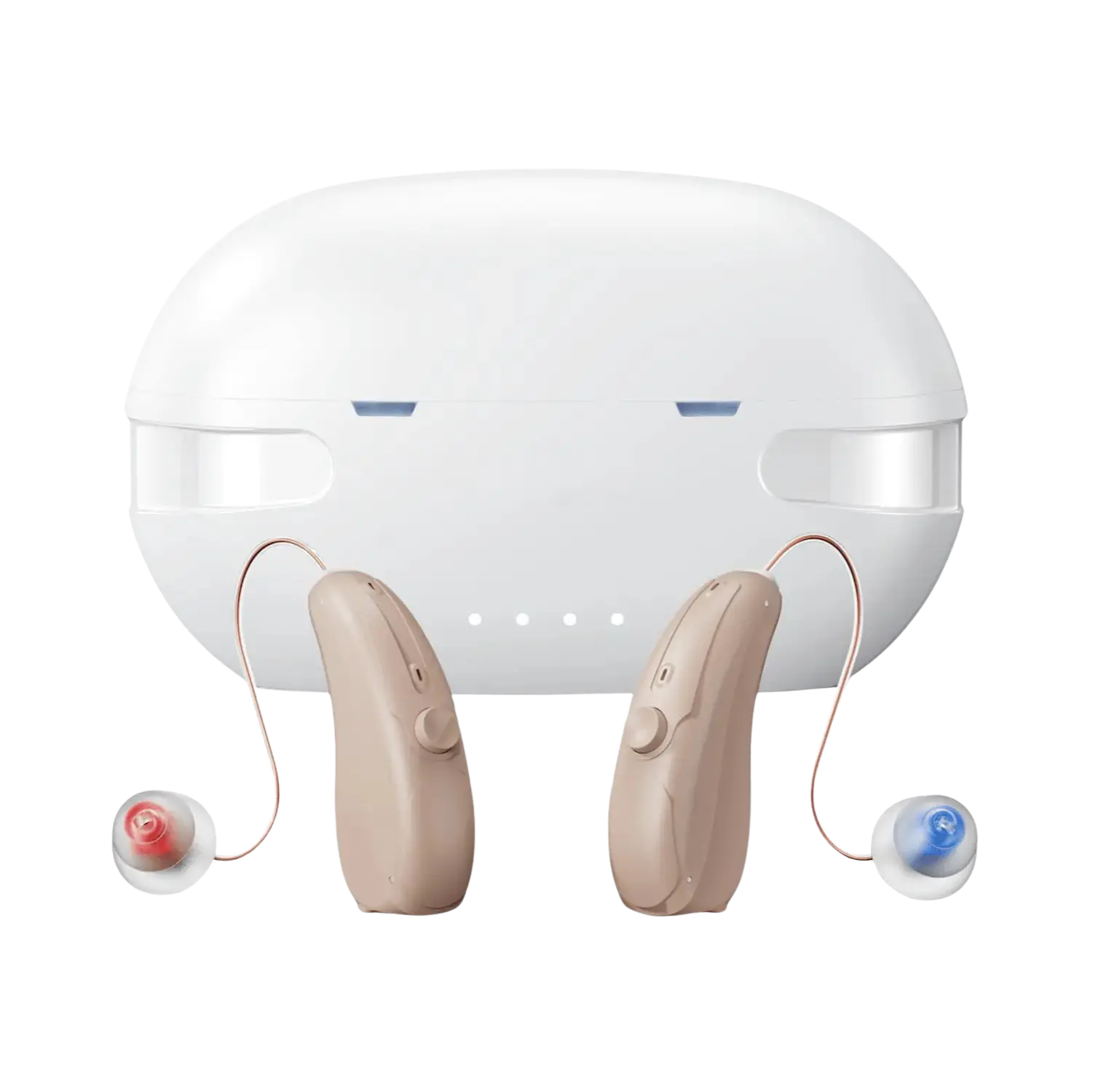
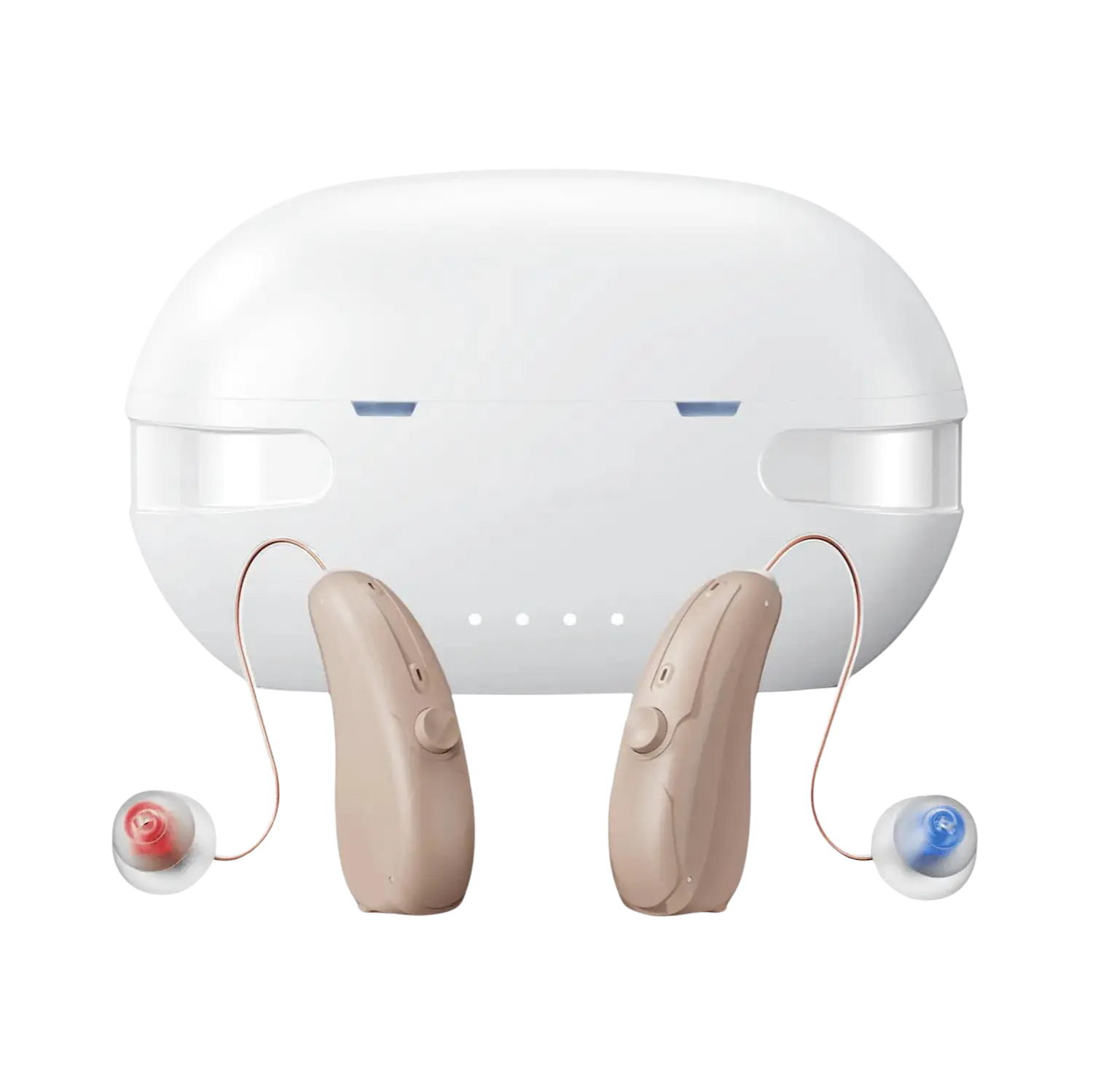
ほとんどのランダム化試験で、自分で調整した補聴器が専門家による調整と同等の効果を示したことから、このレビューは、軽度から中等度の難聴のある成人にとってFDA認可のOTC補聴器が最初の一歩として有効であるという根拠を強めています。Panda Quantumはそうした補聴器のひとつで、騒がしい環境でも会話を聞き取りやすくする適応型ノイズリダクションを備えた16チャンネルのRIC(耳あな型レシーバー)補聴器です。

レビューで評価されたセルフフィッティングの考え方は、Quantumが提供するオプションのアプリによる聴力パーソナライズ機能と基本的に共通しています。補聴器本体を通じて行う任意の耳内聴力テストで、特定の周波数ごとの聴力を測定し、利用者のプロファイルに合わせてゲインと周波数特性を調整できます。また、アプリやテストを使わなくても箱から出してすぐに使えます。一部の高齢者がアプリ主導のセットアップに苦労するというレビューの結果を踏まえると、これは重要な点です。
Quantumは1回の充電で20時間使用でき、ケースでさらに3回フル充電できるため合計80時間使えます。通話やテレビ、音楽をBluetoothでストリーミングでき、5年保証と、製品がお手元に届いた日から始まる45日間のお試し期間が付いています。研究からも裏付けられる注意点として、OTC補聴器は軽度から中等度の難聴を対象として認可されており、高度または重度の難聴の場合は、引き続き医療機関でのフィッティングが最も効果的です。
この研究の限界
本研究は完全なメタアナリシスではなくナラティブレビューであるため、研究の抽出はPRISMAのガイダンスに従っているものの、著者らはデータを統計的に統合するのではなく、結果を定性的にまとめています。対象となった59件の研究はデザインも質もさまざまで、特にセンサーの検証研究はサンプルが小さく、1件はまだ市販されていない試作機を用いたものでした。
また、このレビューは変化の速い市場を反映したものです。検索期間の終了後に発売された製品は含まれておらず、OTC補聴器を使用した場合の長期的な転帰についての研究もまだ十分ではありません。
まとめ
OTC補聴器の時代が始まって4年、その中心的な約束は守られているようです。ほとんどの試験で、人々は専門家によるケアに匹敵する水準で補聴器を自分で調整できています。一方で、セットアップ画面の設計上の課題や、内蔵健康センサーの臨床的価値が未証明であることが、この分野の次なる課題として浮かび上がっています。
Itatani N, Zavaglia M. Over-the-counter hearing aids and integrated health-monitoring sensors: a review of clinical evidence and implementation. Frontiers in Digital Health. 2026;8:1771022. PubMedより取得。 https://doi.org/10.3389/fdgth.2026.1771022