Tinnitus Patients Strongly Prefer Non-Invasive Treatment - and One Third Outright Reject Hearing Aids, New Survey Finds
A 2026 cross-sectional survey of 45 patients with chronic tinnitus reports that sound therapy is the most preferred treatment option, while hearing aids carry the highest rejection rate - and roughly half of respondents expect a full cure despite the limited evidence that one exists [1].
Tinnitus is one of the most common reasons patients seek out audiology care, and it is one of the conditions where the gap between what clinicians can offer and what patients want is widest. Sound therapy, cognitive behavioral therapy, and tinnitus retraining are the modalities best supported by trial evidence; pharmaceutical intervention is rarely first-line; surgical intervention is reserved for narrow indications.
Two related 2026 studies provide useful context. A scoping review compared cognitive behavioral therapy delivered by psychologists with counseling delivered by audiologists, and concluded that both helped but neither was clearly superior to the other [2]. A prospective study of 53 chronic-tinnitus patients found that adherence to sound therapy during the first six months strongly predicted distress reduction at 12 months, with the most engaged patients reporting the largest gains [3]. Against that backdrop, Kim and colleagues asked a different question: setting aside what works, what do patients actually want?
About This Study
Title: Treatment preferences and values in chronic tinnitus patients: A cross-sectional survey study.
Authors: Hyun Jung Kim and colleagues
Journal: American journal of otolaryngology - 2026
Citations: 0 (newly indexed)
Source: Consensus - https://consensus.app/papers/details/edef89b55a035310a054716fd9d4ad82
Background: Why the Researchers Looked at This
Most tinnitus research focuses on efficacy: does this treatment shrink the perceived sound, the distress, or the disability? Far less attention has gone to what patients prioritize when given a real choice between options. That preference data matters because tinnitus management is a long, mostly self-directed process. A patient who finds a treatment unacceptable will not adhere to it, regardless of trial evidence.
Recent work has shown the size of this adherence gap. A 12-month study reported that patients who engaged in sound therapy for more than 30 minutes per session at least 2.5 times per week saw significant tinnitus-distress reductions, while those who fell short of that threshold did not [3]. Translation: even effective treatments only help patients who can stick with them.
Kim and colleagues set out to characterize tinnitus patients' preferences, values, and expectations across the range of available modalities, with the goal of helping clinicians align recommendations with what patients are realistically willing to do.
How the Study Was Done
The team ran a cross-sectional survey from May to June 2025, enrolling 45 patients with chronic tinnitus. Participants completed a structured 36-item questionnaire that captured demographic information, tinnitus severity (using the Tinnitus Handicap Inventory and a Visual Analog Scale), treatment preferences across 16 distinct questions, perceived information needs, and the impact of tinnitus on daily functioning.
Mean participant age was 50.7 years, with a standard deviation of roughly 14.8 years. Just over 62 percent of participants were male, and the median tinnitus duration was 12 months.
Preferences were analyzed descriptively and then cross-referenced against tinnitus-severity measures to see whether more-burdened patients favored different treatments than less-burdened ones.
What the Researchers Found
The clearest pattern in the data was a strong preference for non-invasive treatments. Sound therapy was the top choice, preferred by 73.4 percent of respondents. Tinnitus retraining therapy came second at 55.6 percent, and cognitive behavioral therapy third at 44.4 percent.
Pharmaceutical interventions were notably less accepted. Roughly 49 percent of patients flagged concern about drug dependency, and just under 29 percent mentioned stigma around psychiatric medication as a reason to avoid the drug route entirely.
Hearing aids drew the highest outright rejection of any treatment in the survey: 33.3 percent of patients said they did not want hearing aids as part of their tinnitus care. This finding is notable because hearing aids are one of the most commonly recommended interventions for tinnitus that co-occurs with hearing loss, and the rejection rate suggests a meaningful share of patients are turning away from a first-line option before it gets a fair trial.
Expectations were the most concerning piece of the survey. Roughly 51 percent of respondents expected complete symptom resolution from their chosen treatment, despite the limited evidence that any current modality reliably produces a cure for chronic tinnitus.
Information needs were high across all modalities, with 40 to 50 percent of patients reporting that they wanted more information than they currently had on each available option. Sleep disorders and anxiety were both significantly associated with higher tinnitus severity, with sleep disturbance carrying the largest effect (a Tinnitus Handicap Inventory difference of 12.9 points) and anxiety a smaller but still significant difference of 6.5 points.
What It Means for People with Hearing Loss
For patients living with tinnitus, the survey offers a useful mirror. Many will recognize themselves in the preference profile: a hope for a discreet, non-invasive solution; a wariness of medications; a quiet skepticism about hearing aids; and an underlying wish that the right treatment will simply make the sound stop.
The data also help explain why progress can stall. Patients who reject hearing aids out of hand may be missing one of the better-supported tools for tinnitus that co-occurs with hearing loss. And patients who expect complete resolution may abandon evidence-supported treatments - like sound therapy - when those treatments produce real but partial relief instead of a cure [3]. Aligning expectations with what the literature actually says is part of the treatment, not a preliminary to it.
When the Visibility of a Hearing Aid Is the Real Objection
The 33 percent hearing-aid rejection rate is one of the few preference numbers in the study that is directly addressable with hardware. When the survey authors probed reasons for rejection, the recurring themes were visibility, perceived stigma, and the sense that wearing a hearing aid would mark the wearer as old or impaired - concerns that have nothing to do with whether the device would actually reduce tinnitus.
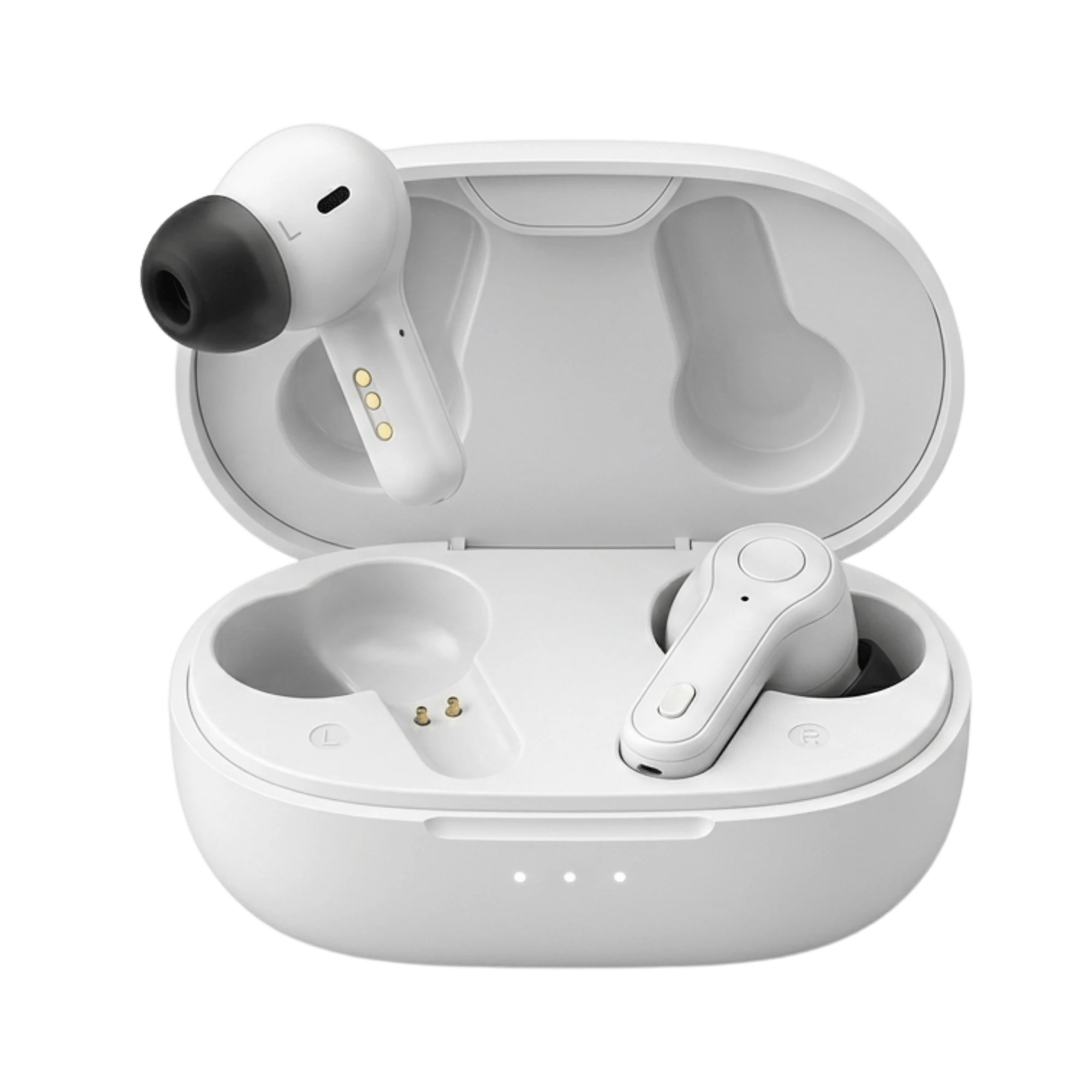
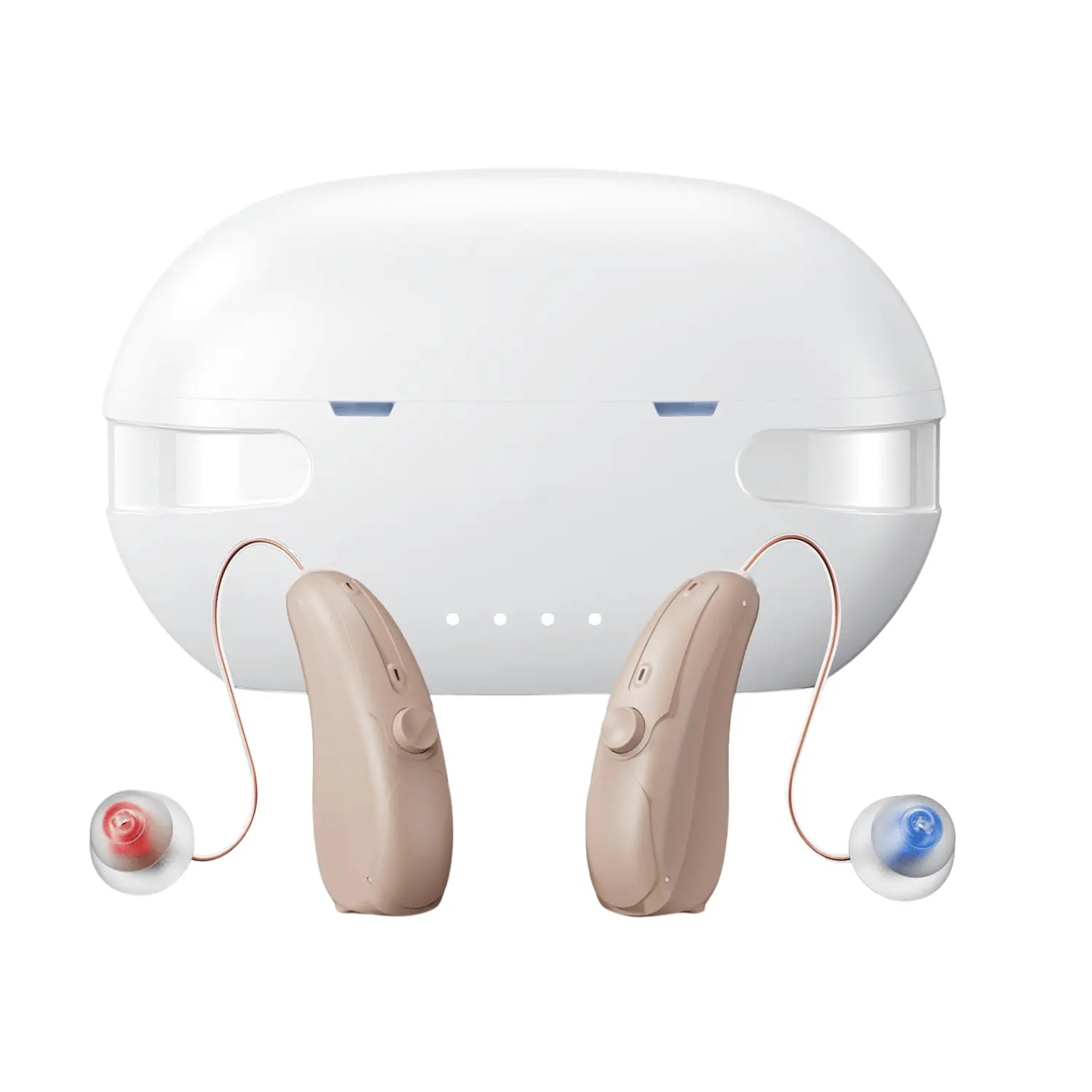
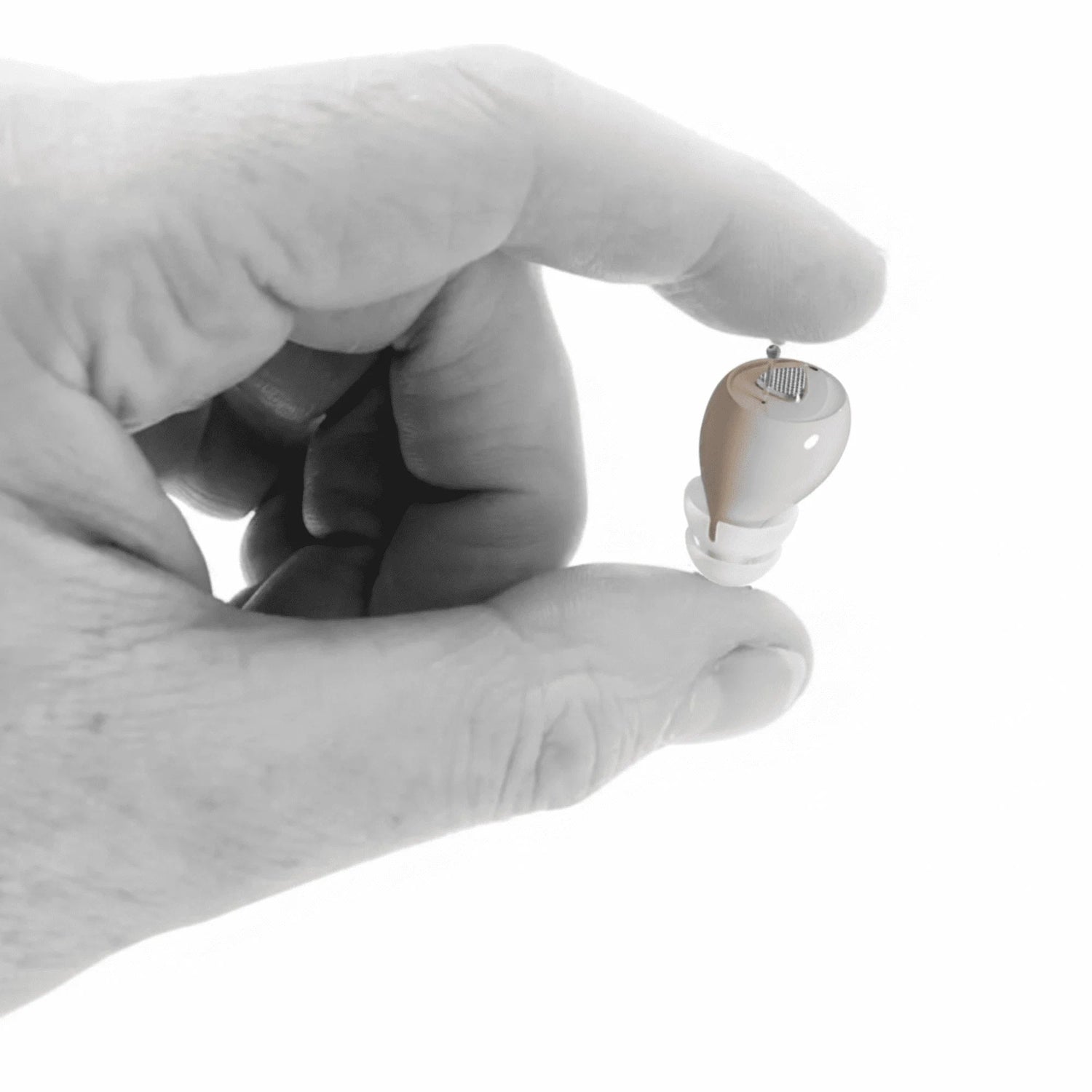
The Panda Stealth is built specifically around that objection. It is a 2.3-gram, invisible in-the-canal hearing aid: small enough that most observers will not see it during a normal conversation. It uses 12-band smart noise reduction, and its charging case doubles as a wireless remote so the wearer can change settings without obvious gestures. It carries a 5-year warranty and a 45-day return window. For tinnitus patients with co-occurring hearing loss who have ruled out amplification because of how it looks rather than how it works, a near-invisible device removes that specific objection without changing the underlying clinical recommendation.

Limitations of This Research
Forty-five patients is a small sample, and the cohort skewed male and relatively young for a chronic-tinnitus population. Preferences may shift with age, hearing-loss severity, and cultural context. The survey also captured preferences at a single point in time, not how those preferences evolved as patients learned more about each option - a meaningful caveat given the high information needs respondents reported.
The companion scoping review reminds us that the evidence base behind some of the most-preferred options is itself ambiguous: both cognitive behavioral therapy and counseling appear to help tinnitus patients, but neither has been shown to be definitively superior, and the active ingredients in each remain unclear [2].
Where This Leaves Us
Tinnitus care that ignores patient preferences will not stick, and care that accepts every preference uncritically will sometimes steer patients away from the treatments most likely to help them. The Kim survey argues for an honest middle path: ask patients what they prefer, surface the evidence behind each option, recalibrate expectations toward distress reduction rather than cure, and address the specific objections - including cosmetic ones - that block adoption of effective interventions.
References
[1] Treatment preferences and values in chronic tinnitus patients: A cross-sectional survey study. (Hyun Jung Kim et al., 2026, American journal of otolaryngology, 0 citations).
[2] Counseling and Cognitive Behavioral Therapy for tinnitus-The same but different: a scoping review (Bree Campbell et al., 2026, Frontiers in Audiology and Otology, 0 citations).
[3] Initial compliance as a predictor of therapeutic outcomes in chronic tinnitus (Sang-Yoon Han et al., 2026, Medicine, 0 citations).