Hearing Loss Affected Nearly Half of Older Adults in a Large 2026 Community Study - and Many Did Not Know It
A cross-sectional analysis of 1,878 older adults in northern Iran found self-reported hearing loss in 45.5 percent of participants, with sharp increases among the oldest, the least educated, and those carrying multiple chronic diseases [1].
Presbycusis - age-related hearing loss - is the most common cause of communication difficulty in later life and is consistently linked to social isolation, depression, and accelerated cognitive decline. A new systematic review of hearing-loss interventions in older adults found that hearing devices, especially when paired with group rehabilitation, reduce loneliness and improve social participation [2]. A community study in Beijing reported that all-frequency hearing loss in older adults was independently associated with anxiety and cognitive decline [3].
What none of those reviews answered cleanly is just how widespread the underlying hearing loss is in a typical older community population. A new study from Iran, conducted as part of the Amirkola Health and Ageing Cohort Project, tries to put a number on it.
About This Study
Title: Prevalence and associated factors of hearing loss in Iranian older adults: a cross-sectional study of Amirkola Health and Ageing Project.
Authors: A. Tavasoli and colleagues
Journal: BMC geriatrics - 2026
Citations: 0 (newly indexed)
Source: Consensus - https://consensus.app/papers/details/4a795b42edc85a4e830550159d8270e7
Background: Why the Researchers Looked at This
Most prevalence numbers cited in hearing-loss policy debates come from a handful of high-income countries, often from datasets that are now more than a decade old. The Amirkola Health and Ageing Cohort Project provides something less common: a large, community-recruited sample of adults aged 60 and older in a single city, with detailed information on chronic disease history, medications, education, and daily-living function.
The authors wanted to do two things. First, estimate how common hearing loss actually is when you ask older adults directly. Second, identify which demographic and clinical factors travel with it - because identifying those upstream factors is the first step toward building screening pathways that catch hearing loss before it begins driving downstream harms like social withdrawal and cognitive decline [2][3].
Existing hearing-aid technology also has unresolved limitations that mean even motivated patients sometimes give up on amplification [4], so a clearer picture of who needs services would help allocate the limited audiology workforce more efficiently.
How the Study Was Done
The analysis comes from the third phase of the Amirkola project, conducted in 2023 and 2024, and included every resident of the city aged 60 or older who agreed to participate - 1,878 adults in total, 50.2 percent men and 49.8 percent women.
Each participant completed a demographic profile and a chronic-disease history. Hearing status was captured by a single self-report item: "Have you ever felt that you have hearing loss?" Diabetes, hypertension, and other chronic conditions were verified through clinical examination and standard tests rather than relying on self-report.
The team then used t-tests, chi-square analyses, and a multiple logistic regression model to identify which demographic and clinical variables independently predicted self-reported hearing loss after adjusting for the others.
What the Researchers Found
Of the 1,878 older adults studied, 755 - 45.5 percent - reported hearing loss. The prevalence was higher in men (55.3 percent) than in women (44.7 percent), a statistically significant difference (p < 0.001).
In the unadjusted analysis, hearing loss was significantly more common among participants in the oldest age groups, those who were illiterate, those who were unemployed, those carrying more chronic diseases, those taking multiple medications, and those with lower body mass index.
Once the team ran the multiple logistic regression, the surviving independent predictors were age over 85 years, female gender within the older age strata, lower BMI, inability to perform activities of daily living, and number of chronic diseases. The chronic-disease count was the strongest single predictor (p < 0.001).
The age gradient was the most striking pattern. Hearing loss rose sharply across the 60-to-69, 70-to-79, and 80-and-older bands, with adults over 85 carrying multiple times the risk of the youngest band. That gradient lines up with the broader literature on presbycusis, but the absolute prevalence at the upper end of the age range was higher than many policy estimates would predict.
What It Means for People with Hearing Loss
For older adults and their families, the prevalence number is the headline: in a representative community sample of adults 60 and older, nearly one in two reported hearing loss. That makes hearing loss less of an exception and more of a default condition of later life, in roughly the same league as hypertension. Treating it as a quiet, embarrassing personal problem misses the population reality.
The risk-factor profile also suggests that the people most likely to have hearing loss are the people least likely to be able to navigate a traditional audiology referral on their own - older, less educated, with multiple chronic conditions, sometimes with mobility limitations. That mismatch is a structural problem in how hearing care is currently delivered.
Companion evidence supports an aggressive treatment posture once hearing loss is identified: hearing devices, especially paired with structured rehabilitation, reduce loneliness and improve social participation [2].
When Cost and Access Are the Real Barriers, Not the Hearing Loss
One of the cleanest implications of the Amirkola data is that the population that most needs hearing care is also the one least well-served by a traditional in-clinic audiology model. Adults over 85 with multiple chronic conditions and limited daily-living capacity often cannot easily get to a clinic for an audiogram, a fitting visit, and the follow-up adjustments that come after.
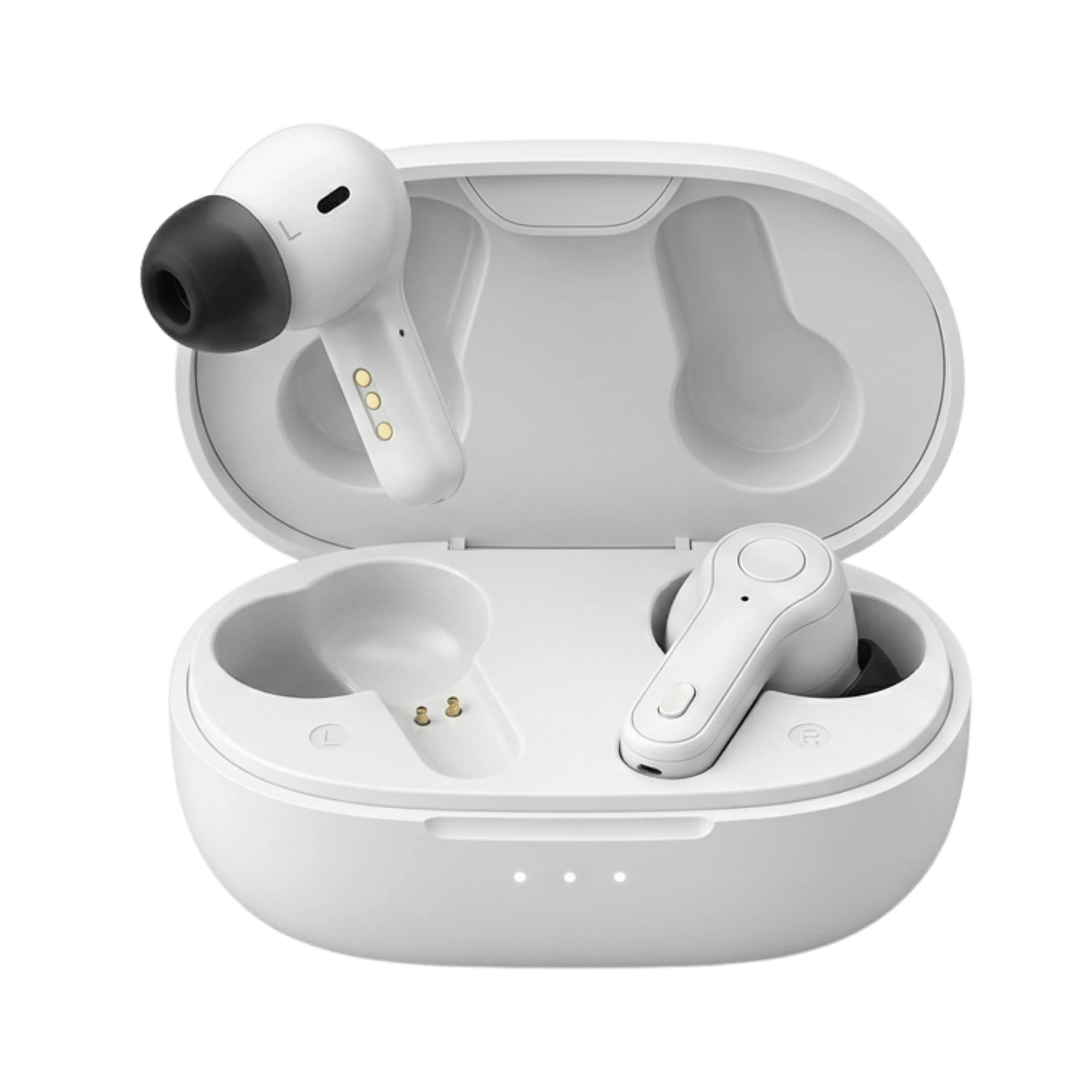
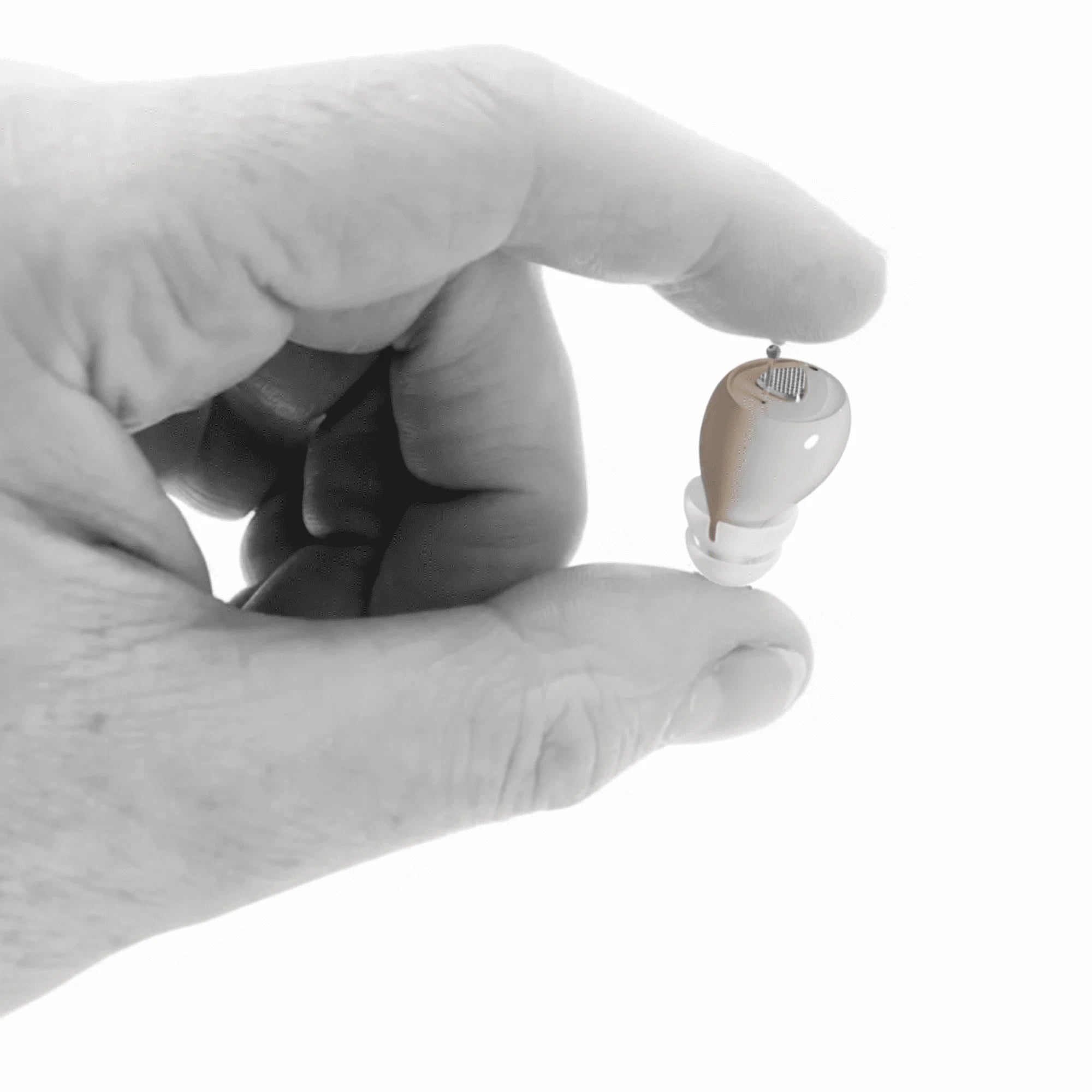
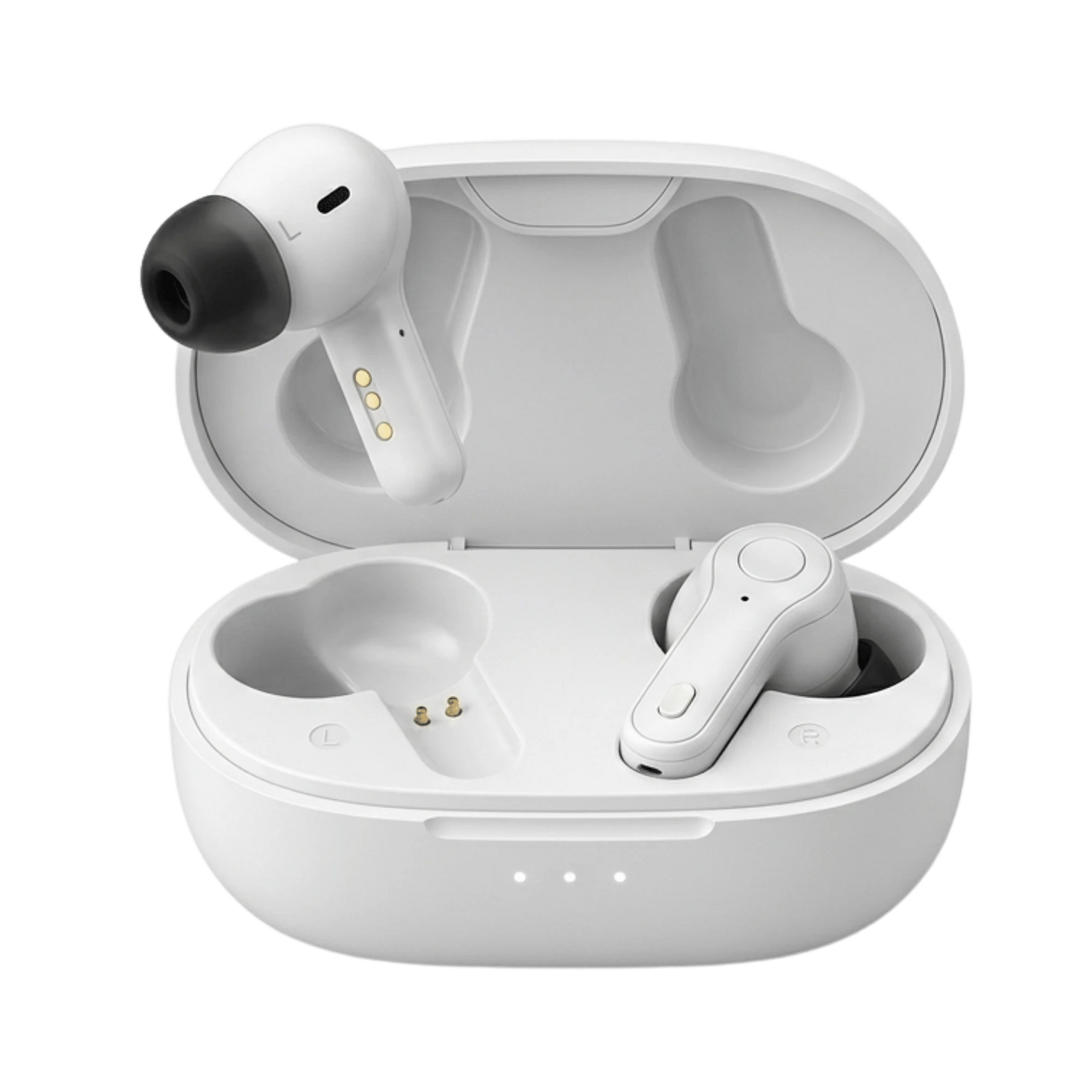
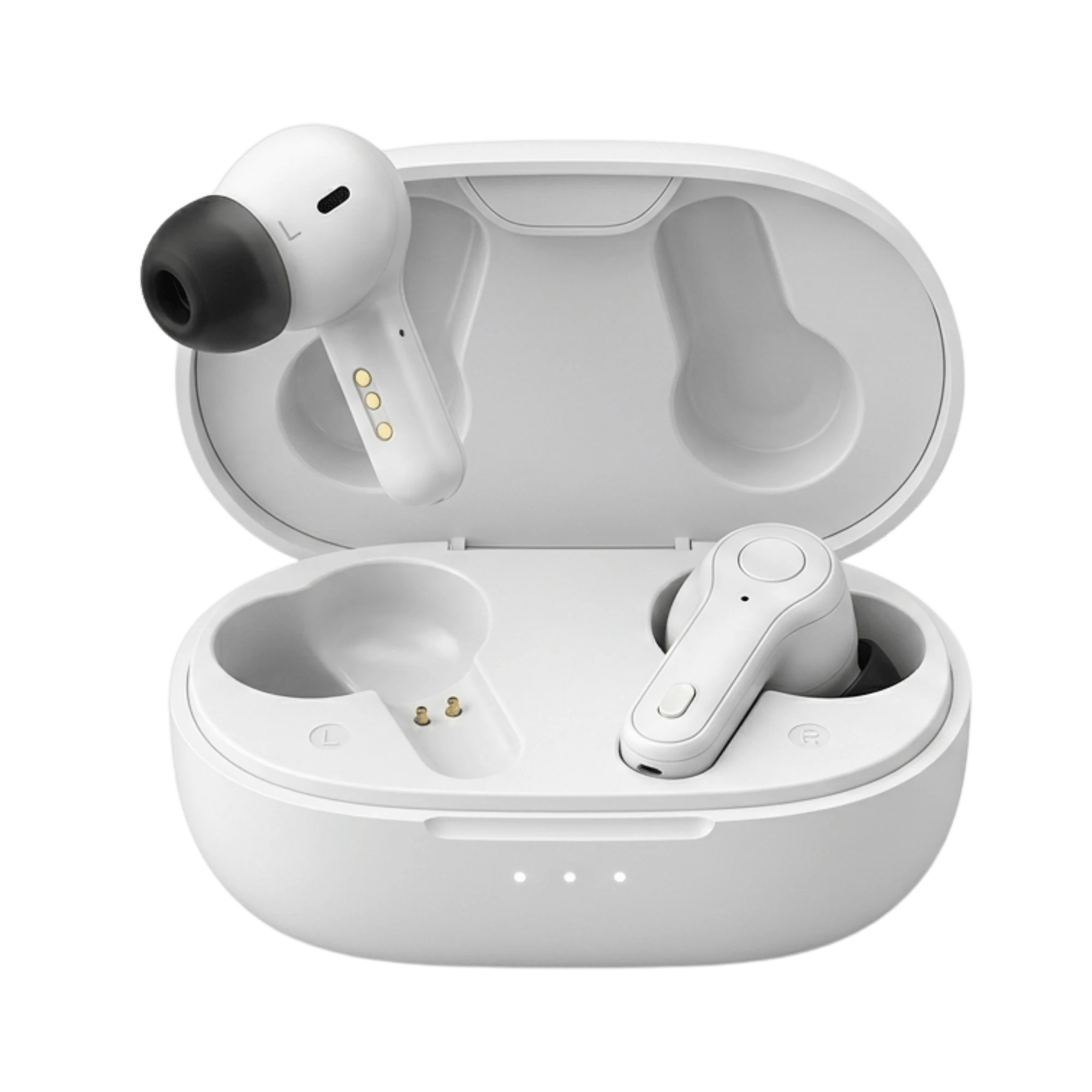
The Panda Air is built around that access problem. It is an earbud-style in-the-canal hearing aid with 16-channel wide-dynamic-range compression and multi-band adaptive noise reduction, and it includes an app-based in-ear hearing test: after delivery, the wearer pairs the device with the Panda app, the app runs a frequency-specific test through the hearing aid itself, and the device's gain and frequency response are then programmed automatically based on the audiogram - similar to what an audiologist would do at a clinical fitting, but without the clinic visit. The charging case provides fast-charge support and roughly 60 hours of total run time, and the device ships with a 5-year warranty and a 45-day return window so older adults and their families can confirm fit before committing.
Limitations of This Research
Hearing loss in the study was measured by self-report rather than pure-tone audiometry, which is the clinical gold standard. Self-report tends to underestimate mild high-frequency hearing loss that many older adults have learned to live with, so the 45.5 percent figure is likely a floor, not a ceiling. A separate 2026 audiometric study in Beijing found that the great majority of older adults with measurable hearing loss did not perceive it, especially when only high frequencies were affected [3].
The sample is also drawn from one city in northern Iran. Genetic, environmental, and occupational-exposure profiles vary across populations, so the exact prevalence may not transfer directly to other countries. The risk-factor pattern - age, chronic-disease load, low BMI, functional impairment - has been replicated widely enough that those associations are likely to hold, even if the specific percentages move.
Where This Leaves Us
The Amirkola data add another data point to a growing literature that treats hearing loss as a common, modifiable condition of later life rather than a niche audiology concern. For families weighing whether an older relative should have their hearing checked, the prevalence numbers argue for a low threshold to act. For health systems, they argue for screening pathways that meet older adults where they already are, rather than relying on them to find an audiologist on their own.
References
[1] Prevalence and associated factors of hearing loss in Iranian older adults: a cross-sectional study of Amirkola Health and Ageing Project. (A. Tavasoli et al., 2026, BMC geriatrics, 0 citations).
[2] Effectiveness of interventions for social isolation, loneliness, and social participation in older adults with hearing loss: results from a systematic review. (Julie Beadle et al., 2026, Systematic reviews, 0 citations).
[3] Analysis of characteristics and influencing factors of hearing loss in the older adults. (Xinyang Zhou et al., 2026, Lin chuang er bi yan hou tou jing wai ke za zhi, 0 citations).
[4] Hearing Aids: What Works Well and What Can Be Improved. (Brian C. J. Moore, 2026, JARO, 0 citations).