In a two-year study following thousands of people with tinnitus, those who took up or kept up vigorous physical activity were far less likely to see their symptoms hold steady or worsen, while those who became inactive tended to fare worse.
Tinnitus, the perception of ringing, buzzing, or hissing when no outside sound is present, affects a large share of adults and can quietly erode sleep, concentration, and peace of mind. There is no simple cure, so researchers have been searching for everyday habits that might shift its course.
Earlier work hinted that more active people report milder tinnitus, but those studies captured only a single snapshot in time. A new study set out to do something harder: track the same individuals over two years to see whether changes in their activity levels lined up with changes in how severe their tinnitus felt.
About This Study
Title: Increments in physical activity relate to reductions in tinnitus severity: a 2-year prospective observational study
Authors: A. Chalimourdas, D. Hansen, K. Verboven, S. Michiels
Affiliations: REVAL Rehabilitation Research Centre and BIOMED Biomedical Research Institute, Hasselt University, Belgium; Department of ENT, Head and Neck Surgery, Antwerp University Hospital, Belgium
Journal and date: European Archives of Oto-Rhino-Laryngology, published June 1, 2026
Study type: Prospective observational longitudinal study
Reference: PubMed DOI: 10.1007/s00405-026-10324-7
Background: Why the Researchers Looked at This
Tinnitus is best understood not as a single ailment but as a perception shaped by a tangle of biological and psychological factors. The same ringing can feel trivial to one person and overwhelming to another, and stress, anxiety, and mood often influence how loud and intrusive it seems.
Because so much of the distress is bound up in the brain's response, treatments that improve overall wellbeing have drawn interest. Physical activity is a natural candidate: it lifts mood, lowers stress, and improves circulation and sleep, all of which could plausibly soften the experience of tinnitus.
The open question was whether activity actually tracks with tinnitus over time within the same person. If someone becomes more active, does their tinnitus tend to ease, and if they slip into inactivity, does it tend to worsen? A longitudinal design is the way to begin answering that.
How the Study Was Done
The researchers recruited 2,751 people with subacute or chronic tinnitus through an online survey. Participants were assessed at the start and then again at three yearly follow-ups, allowing the team to watch how both their habits and their symptoms shifted across roughly two years.
Physical activity was measured with the International Physical Activity Questionnaire, a widely used tool that estimates how much walking and moderate or vigorous exercise a person does. Tinnitus severity was rated on a simple scale. To isolate the role of activity, the analysis adjusted for a long list of other influences, including age, sex, hearing loss, noise exposure, stress, anxiety, and depression.
The team used a survival-analysis method to estimate the hazard, or relative likelihood, that a person's tinnitus would stay the same or grow worse over the follow-up period depending on how their activity changed.
What the Researchers Found
Higher levels of vigorous leisure-time activity were consistently linked to a lower likelihood of tinnitus staying the same or getting worse. The effect was modest per unit of activity but pointed clearly in a favorable direction.
The most striking result involved people who started out inactive. Those who were physically inactive at the beginning but later increased their activity enough to meet World Health Organization recommendations showed roughly a 64 percent lower hazard of reporting stable or worsening tinnitus compared with their own starting point. In practical terms, becoming more active was associated with a much better symptom trajectory.
The reverse was also true. Participants who became inactive during the study had about a 61 percent higher hazard of reporting worsening tinnitus relative to where they began. Movement in either direction, toward activity or away from it, tended to be mirrored by movement in tinnitus severity.
Importantly, these associations held even after accounting for hearing loss, noise exposure, and mental health factors, suggesting that the link between activity and tinnitus was not simply a stand-in for those other influences.
What It Means for People with Hearing Loss
For the many people who live with persistent tinnitus, the practical message is encouraging: regular, vigorous physical activity is associated with a steadier or improving course, and sustaining that activity over time appears to matter more than any single burst of exercise.
It is worth keeping expectations realistic. This was an observational study, so it cannot prove that exercise directly quiets tinnitus, and activity is best seen as one supportive piece of a broader management plan rather than a stand-alone fix. Even so, it is a low-risk habit with wide-ranging benefits, which makes it an easy one to recommend.
Tinnitus also rarely arrives alone. It frequently accompanies hearing loss, and the study itself treated hearing loss as a factor to account for. That overlap is a reminder that addressing the underlying hearing picture is often part of a complete approach.
When Tinnitus Comes Alongside Hearing Loss, Restoring Everyday Sound Can Help
This study singled out tinnitus that so often coexists with hearing loss, even adjusting for hearing loss in its analysis. For that large group, a well-established clinical observation applies: restoring the everyday sounds a person has been missing tends to make tinnitus less noticeable, because the brain has more to listen to than the internal ringing. Hearing aids do not cure tinnitus, but for tinnitus tied to hearing loss they are a recognized part of management alongside staying active.
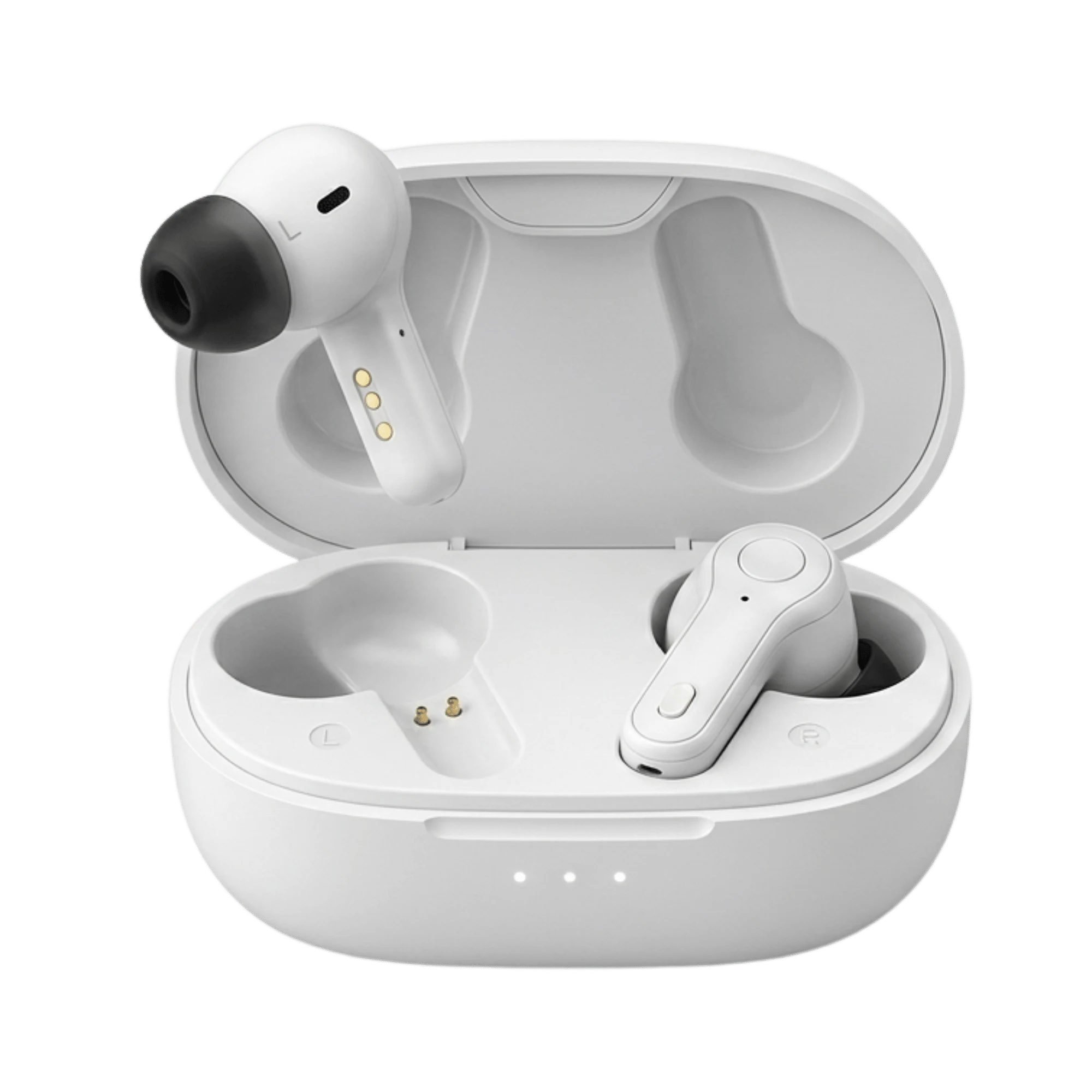
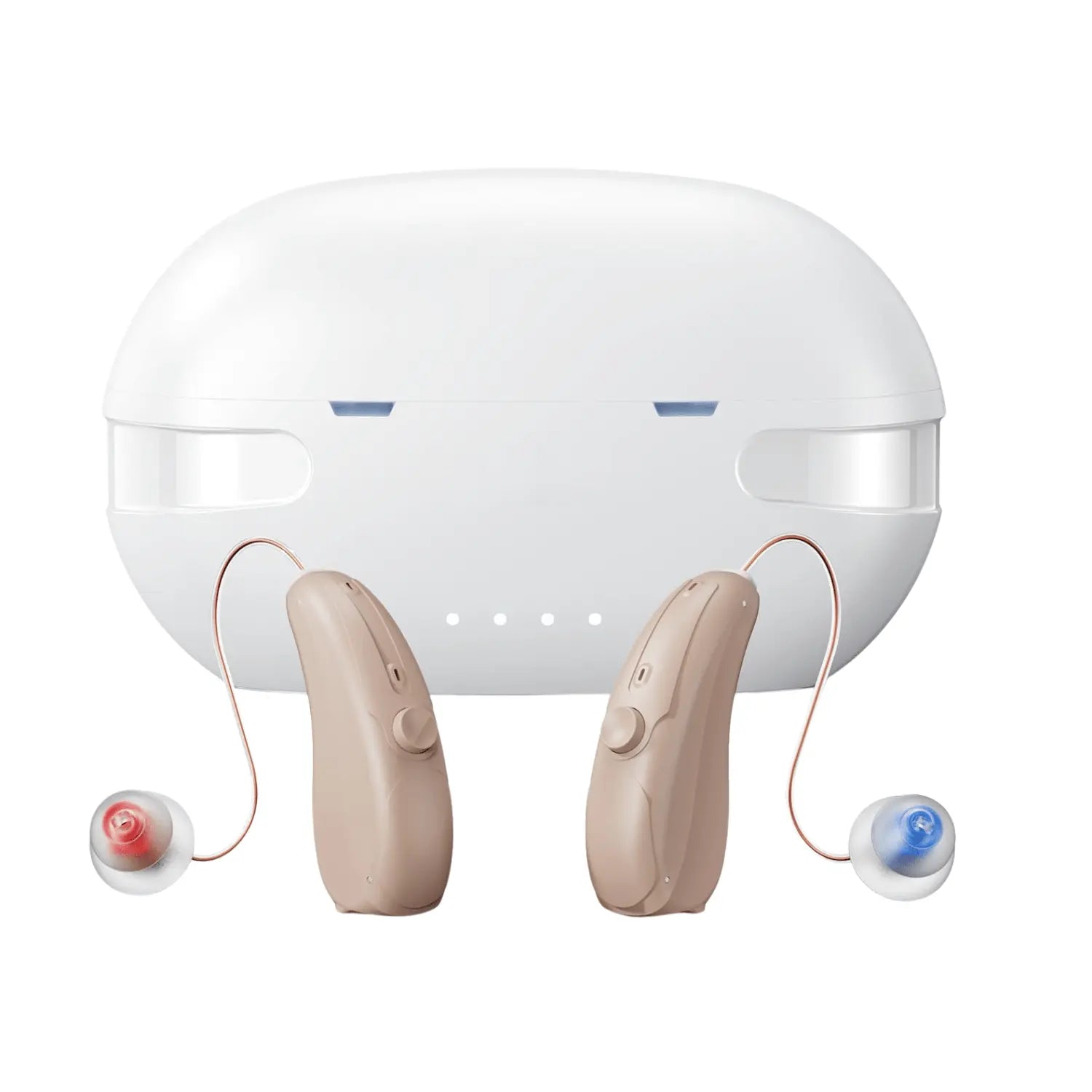
The Panda Quantum is one device built for that job. It pairs with the Panda app for a self-hearing test run through the device itself, then applies app-based hearing personalization that matches amplification to the wearer's own results, much like an audiologist's fitting. Its 16-channel processing and adaptive noise reduction are designed to bring back clear, comfortable sound across the day rather than a single loud boost.

For people who want their hearing aids to keep pace with an active routine, the Panda Quantum offers up to 80 hours of total battery with its case and Bluetooth streaming for calls, television, and music, and it carries a 5-year warranty and a 45-day return window. Over-the-counter devices are intended for mild-to-moderate hearing loss, and anyone with severe or profound loss is still best served by a clinical fitting. But for someone managing tinnitus that travels with hearing loss, restoring a fuller soundscape can complement the kind of healthy, active habits this study highlights.
Limitations of This Research
As an observational study, this work can show that activity and tinnitus severity move together but cannot establish that one causes the other. Participants were recruited online from a tinnitus research list and reported their own activity and symptoms, which can introduce selection and recall effects, and people already inclined toward exercise may differ in ways the analysis could not fully capture. Tinnitus severity was rated on a single self-report scale rather than a detailed clinical battery. The authors did not report commercial funding or product-related conflicts of interest.
What to Do With This
If you live with tinnitus, building and maintaining a regular routine of moderate to vigorous activity is a sensible, low-risk step that this study links to a better long-term outlook, and the benefit appears to depend on keeping it up rather than starting and stopping. Pairing that habit with attention to any underlying hearing loss, ideally guided by a hearing professional, gives most people the fullest path toward keeping tinnitus in the background of daily life.
Chalimourdas A, Hansen D, Verboven K, Michiels S. Increments in physical activity relate to reductions in tinnitus severity: a 2-year prospective observational study. European Archives of Oto-Rhino-Laryngology. 2026. Retrieved from PubMed. https://doi.org/10.1007/s00405-026-10324-7