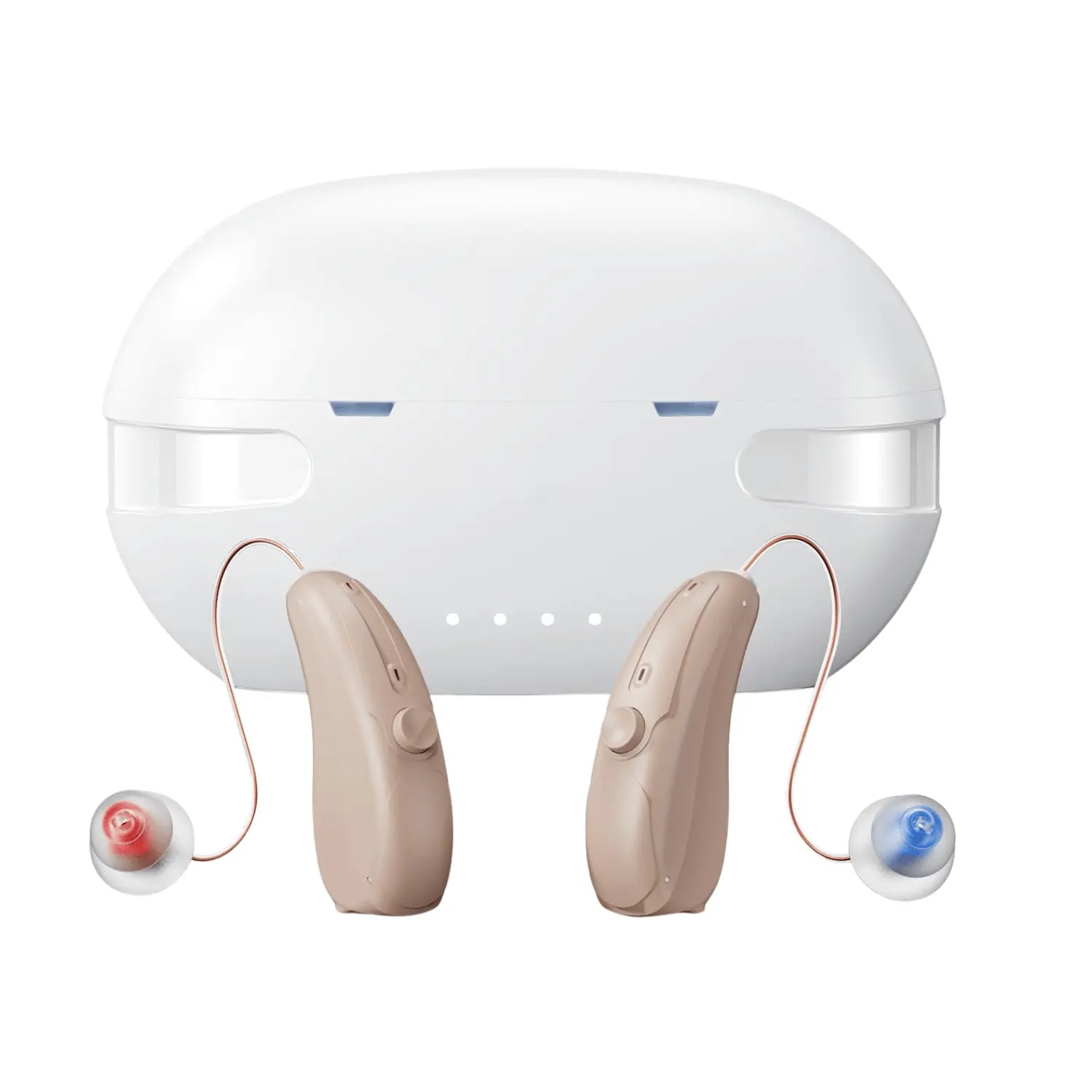
Across 33 countries, hearing aid use was linked to a lower risk of dementia, but only when people said the device actually improved their hearing.
Hearing loss has become one of the most discussed modifiable risk factors for dementia, and a natural question follows: if someone treats their hearing loss with a hearing aid, does their dementia risk fall? The research so far has been mixed, with some studies finding a protective link and others finding little.
A large international analysis pooling seven long-running studies of older adults offers a sharper answer, and a more demanding one. The benefit showed up not for everyone who owned a hearing aid, but for those whose device genuinely helped them hear better.
About This Study
Title: Hearing aid effectiveness and probable dementia risk across 33 countries: A pooled analysis of seven cohorts
Authors: Fan Jiang, Qiuyue Dong, Dona M. P. Jayakody, Xi Chen, Christoph Mueller, Bei Wu, Benjamin R. Underwood, Lijing L. Yan, Shanquan Chen, Lei Xu, and colleagues
Affiliations: Shandong University; Ear Science Institute Australia and University of Western Australia; Yale University; King's College London; New York University; Duke Kunshan University; University of Hong Kong, among others
Journal: Cell Reports Medicine - May 12, 2026
Study type: Pooled longitudinal cohort analysis
Source: PubMed - DOI: 10.1016/j.xcrm.2026.102802
Background: Why the Researchers Looked at This
Untreated hearing loss can strain the brain, narrow social life, and leave the listening parts of the brain with less to work with, all of which have been proposed as ways it might feed into cognitive decline. That has made hearing loss a focus for dementia prevention. But owning a hearing aid and benefiting from one are not the same thing, and earlier studies often could not tell them apart.
A few terms make the findings clearer. A cohort study follows a large group of people over years to see who develops a condition. A hazard ratio compares the risk of an event, here probable dementia, between two groups; a value below 1 means lower risk. A confidence interval is the range the true value most likely falls within. The researchers used these tools to ask whether hearing aid use, and specifically effective use, tracked with lower dementia risk.
How the Study Was Done
The team combined harmonized data from seven major aging studies running in different parts of the world, covering 61,089 participants aged 55 and older who had hearing impairment, spanning 33 countries. Participants reported whether they used a hearing aid and whether it improved their hearing, and were tracked for an average of about 6.5 years, during which 8,911 cases of probable dementia were recorded.
To make the comparison fairer, the analysis used statistical weighting to balance differences between hearing aid users and non-users, and it stratified results by country income level so that wealthier and poorer settings could be examined separately. The headline measure was how hearing aid use, and the degree of hearing improvement it provided, related to the chance of developing dementia over the follow-up period.
What the Researchers Found
Overall, hearing aid use was associated with a modestly lower risk of dementia, with a hazard ratio of 0.91 (confidence interval 0.88 to 0.94), roughly a 9 percent reduction compared with not using one.
The more striking result came when the researchers split users by how much the device helped. Among people who reported effective hearing improvement, risk was lower still, with a hazard ratio of 0.86 (0.80 to 0.93), about a 14 percent reduction. Among those who said their device improved their hearing poorly, there was essentially no benefit, with a hazard ratio of 0.98 (0.90 to 1.07). The protection, in other words, came from actually hearing better, not from merely owning a hearing aid.
The association was also uneven across groups. It was stronger in middle-income countries, where the hazard ratio reached 0.76, and more pronounced among people younger than 70, women, those who were unmarried, and those with less formal education. The authors framed quality hearing rehabilitation, not just access to a device, as a potential public health priority for reducing the dementia burden.
What It Means for People with Hearing Loss
The practical message is that a hearing aid sitting unused in a drawer, or one that never quite worked, is unlikely to do the brain any favors. What seems to matter is the lived experience of hearing more clearly day to day. That reframes the goal from buying a device to getting one that fits well, is worn regularly, and noticeably improves hearing.
It also hints at an equity story. The largest benefits appeared among groups that often face the steepest barriers to hearing care, which suggests that making effective hearing help easier to obtain could matter most for the people who currently get the least of it.
Why "Effective Use" Points Toward Easier, Self-Tuning Options
If the benefit depends on hearing genuinely better, and if it is concentrated among people with less access and less formal education, then devices that are both affordable and simple enough to set up correctly on your own become especially relevant. A device only helps the brain if the person obtains it and the sound actually matches their hearing.
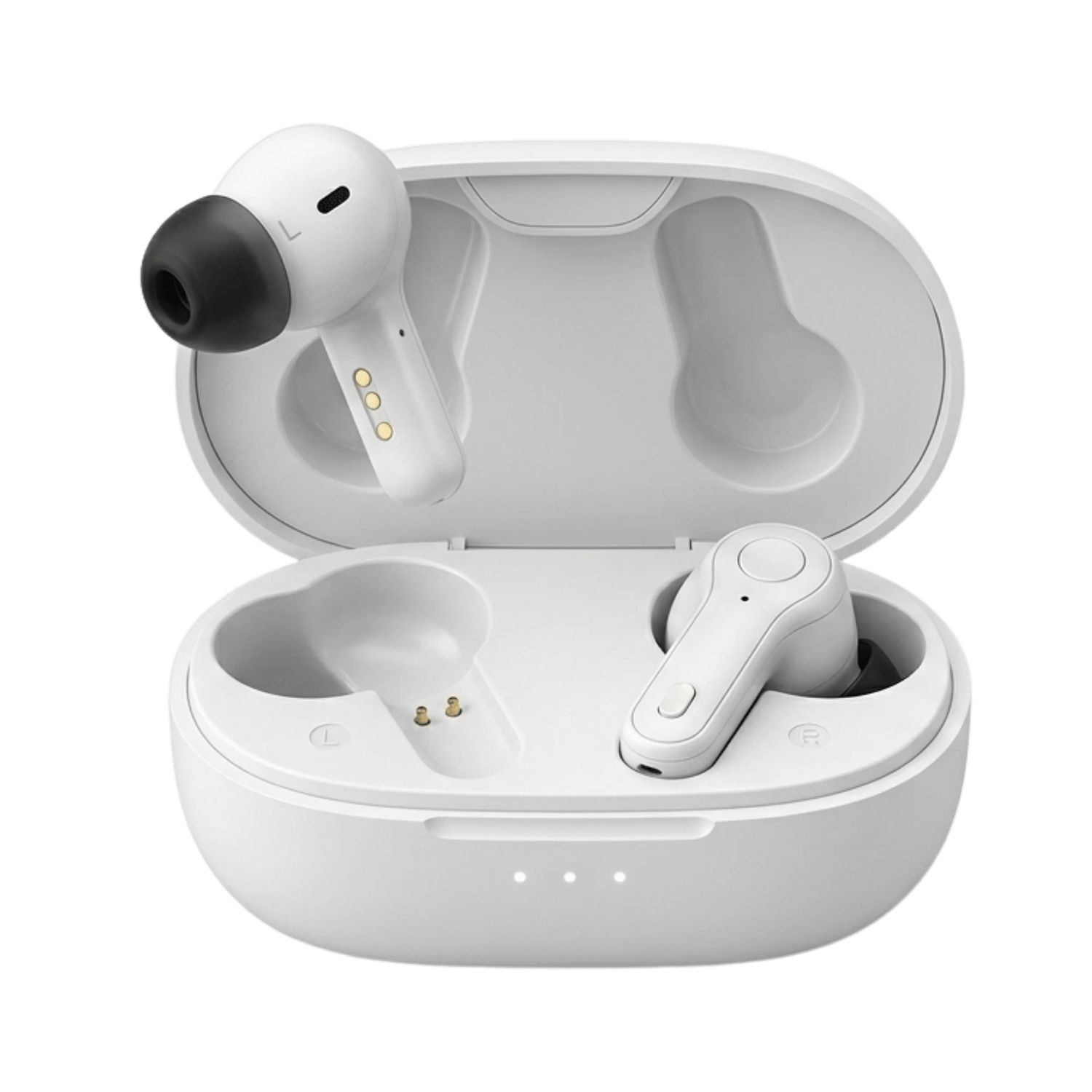
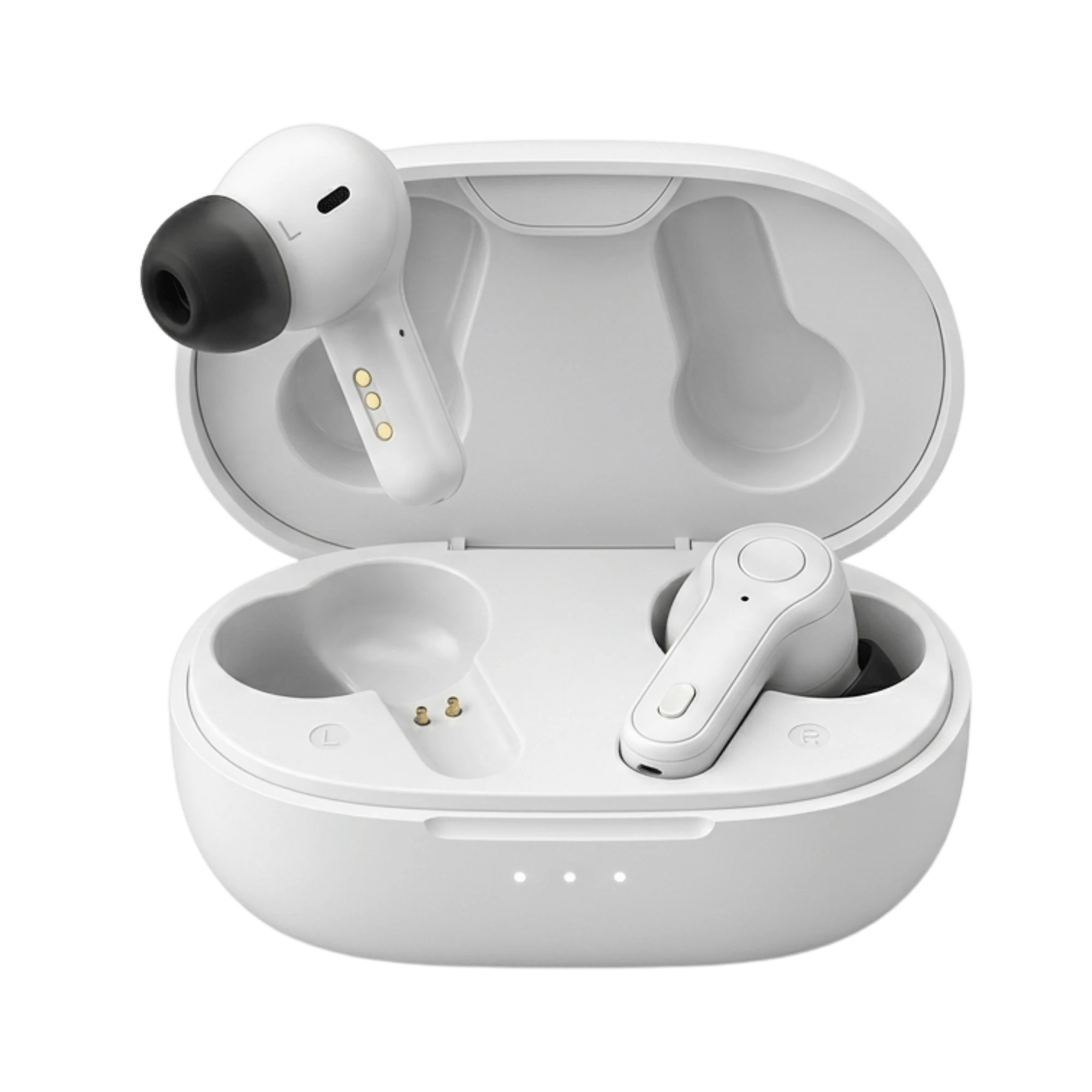
Panda Air is one over-the-counter example built around that idea. It is an earbud-style device that pairs with the Panda app, runs a frequency-specific hearing test through the hearing aid itself, and then automatically programs the sound to match the user's own audiogram, similar to the starting point of a clinical fitting. That kind of app-based hearing personalization is aimed precisely at the gap this study highlights, the difference between owning a device and owning one that works for you. As a self-fitting OTC hearing aid, it lowers both the cost and the setup hurdle, and it carries 16-channel processing with multi-band adaptive noise reduction, a 60-hour fast-charge case, a 5-year warranty, and a 45-day return window.
A fair caveat: over-the-counter devices are approved for mild-to-moderate hearing loss, and this study is observational, so it shows an association rather than proof that better hearing prevents dementia. People with more severe loss still benefit most from a clinical fitting.
Limitations of This Research
This is an observational analysis, so it cannot prove that effective hearing help directly prevents dementia; people who use and benefit from hearing aids may differ from those who do not in ways the study could not fully account for. Hearing aid use and the degree of improvement were self-reported, which can be imprecise, and the outcome was probable dementia rather than a uniform clinical diagnosis across every cohort. There is also a possibility of reverse influence, where early cognitive decline makes people less likely to keep using a device. Several authors are affiliated with hearing research institutes; readers should weigh the findings as one strong piece of a still-developing evidence base.
What to Do With This
If you or a family member has been putting off a hearing check, this is a reasonable nudge to schedule one, and to treat a hearing aid as something to be fitted, worn, and adjusted until it clearly helps, rather than bought and forgotten. The benefit in this research belonged to people who actually heard better, so the goal worth aiming for is real, everyday improvement.
Jiang F, Dong Q, Jayakody DMP, Chen X, Mueller C, Wu B, Underwood BR, Yan LL, Chen S, Xu L, et al. Hearing aid effectiveness and probable dementia risk across 33 countries: A pooled analysis of seven cohorts. Cell Reports Medicine. 2026. Retrieved from PubMed. DOI: 10.1016/j.xcrm.2026.102802