Older adults who used hearing aids reported markedly better quality of life, and the modeling suggests the devices are a highly cost-effective use of health spending.
Hearing loss is common among older adults, yet relatively few people who could benefit from a hearing aid actually use one. Cost and access are recurring reasons. That makes a basic policy question worth answering with numbers: for the money spent, how much quality of life does a hearing aid actually buy?
A health-economics team in India set out to estimate exactly that, comparing older adults who used hearing aids with those who did not and then modeling the value over several years. The conclusion was emphatic: hearing aids looked like a strong investment.
About This Study
Title: Economic evaluation of hearing aid use and quality of life in older adults with hearing impairment in India
Authors: Rakesh Kumar Sahoo, Krushna Chandra Sahoo, Urmi Pattanayak, Abhinav Sinha, Abhisek Jena, Lanu Wanboy Aimol, Kavitha Rajsekar, Debdutta Bhattacharya, Sanghamitra Pati
Affiliations: ICMR-Regional Medical Research Centre, Bhubaneswar; Ali Yavar Jung National Institute of Speech and Hearing Disabilities; Health Technology Assessment in India, Department of Health Research, Ministry of Health and Family Welfare
Journal: Frontiers in Medical Technology - May 12, 2026
Study type: Cost-utility analysis (health economic modeling)
Source: PubMed - DOI: 10.3389/fmedt.2026.1800134
Background: Why the Researchers Looked at This
When health systems decide what to fund, they often weigh not just whether a treatment works but whether it is worth the cost. Hearing aids clearly help people communicate and stay socially connected, but planners need that benefit translated into a common currency they can compare against other priorities. This study aimed to provide that translation for older adults in India, where hearing aid uptake remains low.
A few terms make the results readable. Quality of life here was measured with a standard questionnaire called the EQ-5D-5L, which produces a utility score where higher is better. Those scores feed into quality-adjusted life years, or QALYs, a measure that combines how long and how well a person lives. The headline figure is the incremental cost-effectiveness ratio, or ICER, the extra cost required to gain one additional QALY. A lower ICER means better value. The team also used a Markov model, a method that projects health and costs forward over many years.
How the Study Was Done
In 2023, the researchers collected data from 636 older adults aged 60 and over with hearing impairment, of whom 276 used hearing aids and 360 did not. They measured each group's quality of life and converted those scores into QALYs using a value set tailored to India. Device costs were based on the government ceiling price for digital behind-the-ear hearing aids, about 8,000 rupees per ear.
They then compared hearing aid use against no hearing aid in two ways: a 3-year decision tree and a 15-year Markov model that projects costs and benefits over a longer horizon. From these they calculated cost-effectiveness ratios and estimated the budget impact of scaling the program up for older adults nationally.
What the Researchers Found
The quality-of-life gap between the two groups was large. Hearing aid users had a mean utility score of 0.832 compared with 0.601 for non-users. Translated into QALYs, that came to 5.824 versus 4.207, an incremental gain of about 1.617 QALYs in favor of hearing aid use.
Set against the modest device cost, those gains made hearing aids look highly cost-effective. In the 3-year decision tree, the cost per QALY gained ranged from roughly 5,419 to 10,359 rupees. Over the discounted 15-year model, the figures were lower still, between about 3,076 and 5,971 rupees per QALY. For context, these values sit far below the thresholds health systems typically treat as good value.
The authors concluded that providing hearing aids to older adults with hearing impairment is highly cost-effective over both short and long horizons, and argued for prioritizing access within universal health coverage and healthy-ageing efforts, paired with stronger assessment, fitting, counseling, and follow-up to make sure the devices deliver their benefit in real life.
What It Means for People with Hearing Loss
For individuals and families, the study reframes a hearing aid less as a discretionary gadget and more as a high-value investment in everyday wellbeing. The measured quality-of-life difference was substantial, the kind of gap that shows up as easier conversations, more confidence in groups, and less social withdrawal.
It also underscores a frustrating mismatch: the benefit is large and the value is strong, yet many people still go without, often because the upfront cost or the path to getting fitted feels out of reach. Closing that gap is as much about access as it is about technology.
An Affordable Answer to the Access Problem the Study Names
The study's core tension, big benefits but low uptake driven by cost and access, is exactly the gap that the over-the-counter hearing aid category, approved in the United States in 2022, was designed to narrow by removing the price and clinic-visit barriers of the traditional path.
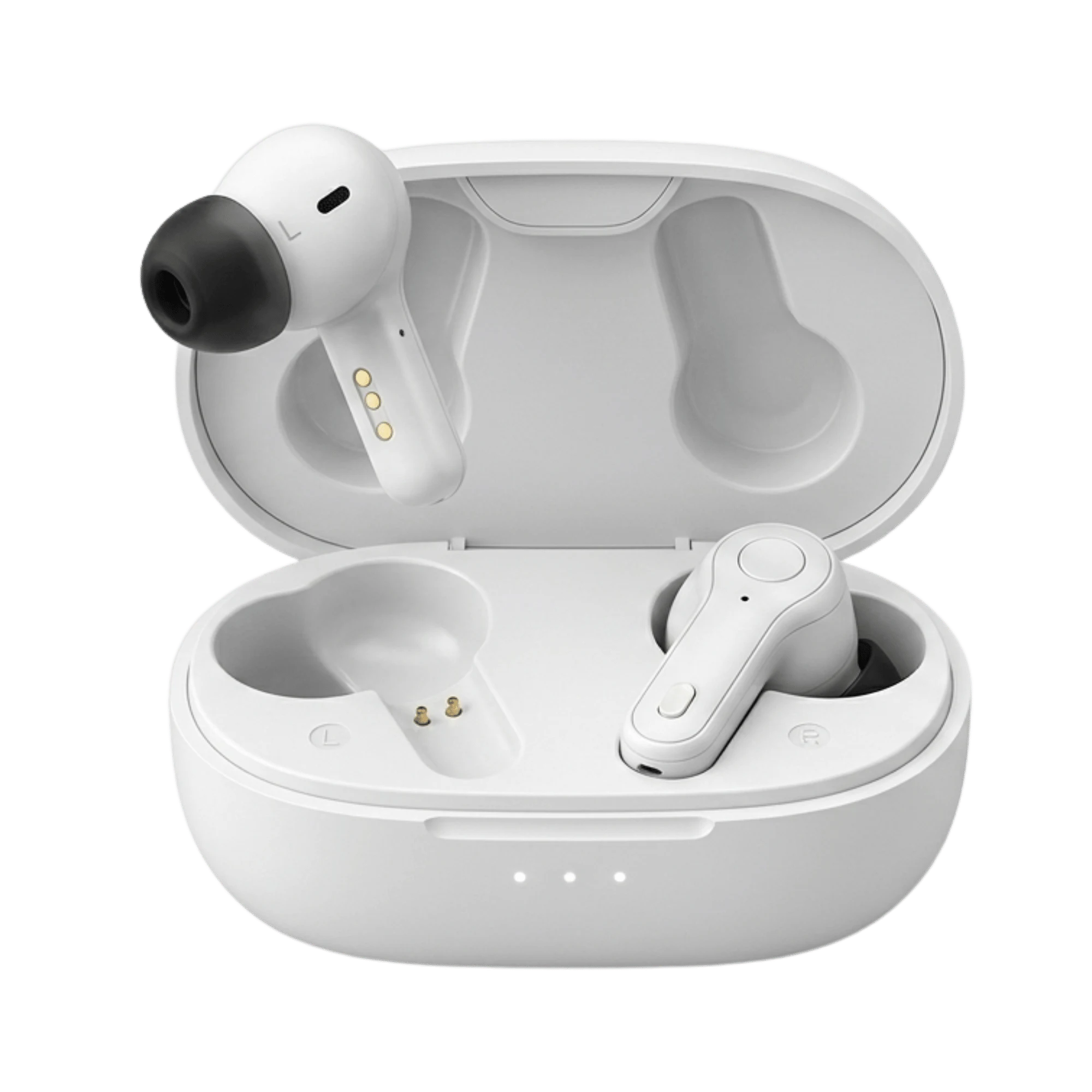
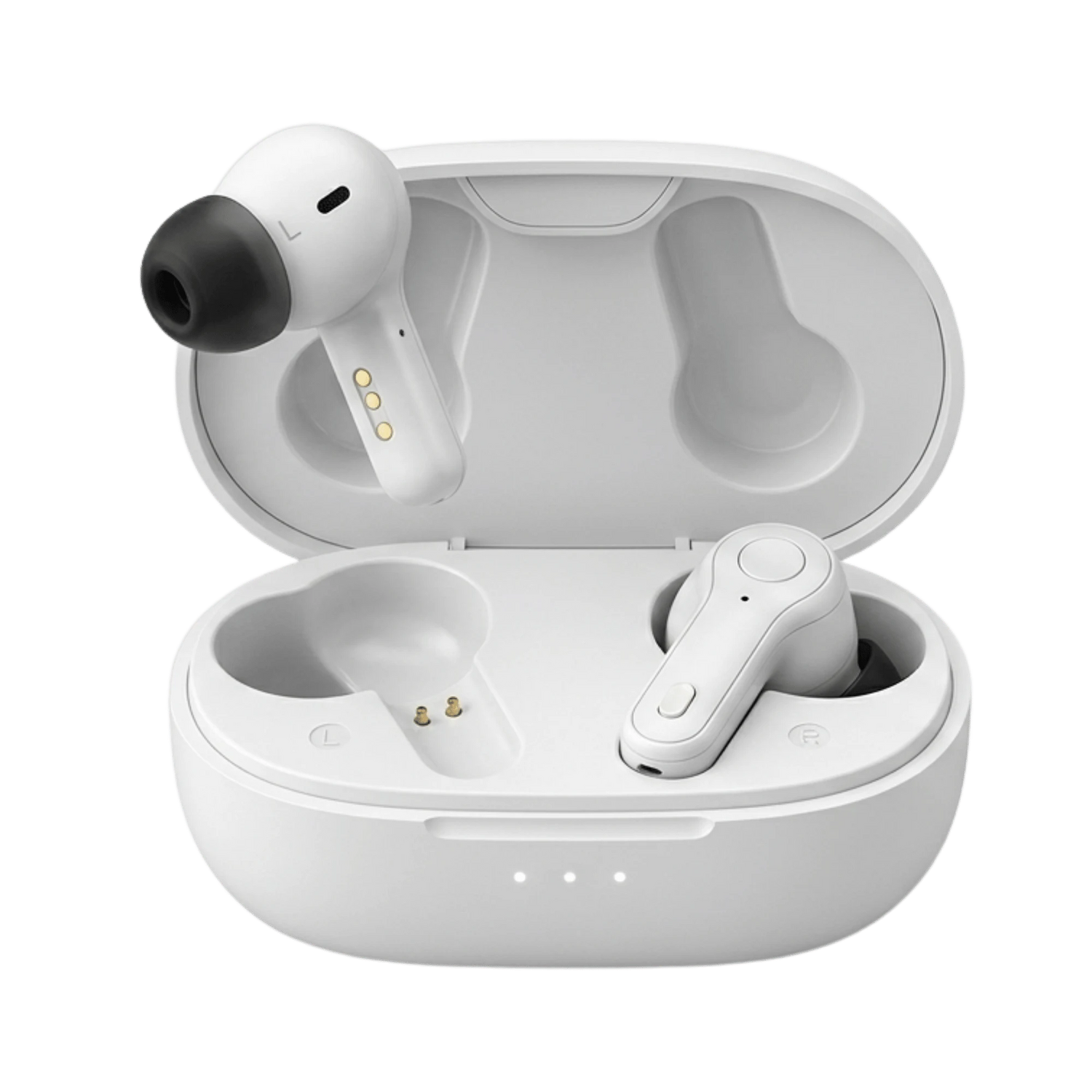
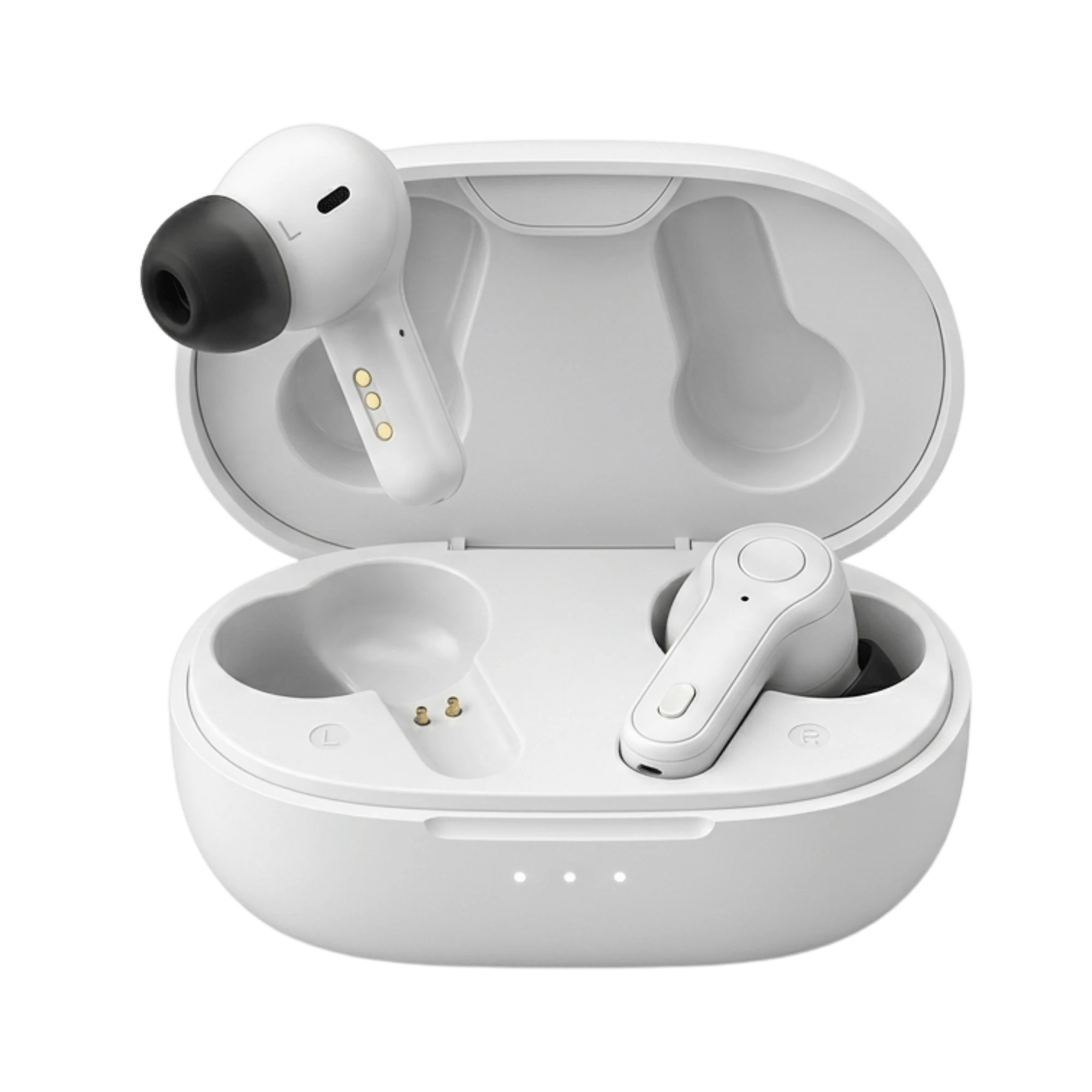
Panda Air is one example of a device built for that lower-barrier route. As a self-fitting OTC hearing aid, it ships directly to the user and pairs with the Panda app, which runs a frequency-specific hearing test through the device and tunes the sound to the person's own audiogram, so a clinic appointment is not required to get a personalized starting point. It is a rechargeable, earbud-style device with a 60-hour fast-charge case, 16-channel processing with multi-band adaptive noise reduction, a 5-year warranty, and a 45-day return window, the last of which lets someone test the real-world benefit this study cares about before committing.
One honest note: over-the-counter devices are intended for mild-to-moderate hearing loss, and the cost figures in this study come from India's specific prices and value set, so they do not transfer directly to other countries. People with severe or profound loss still benefit most from clinic-based care.
Limitations of This Research
This is a modeling study built on a cross-sectional comparison, so the quality-of-life difference between users and non-users could partly reflect other differences between those groups rather than the hearing aids alone. The cost estimates rely on India's government pricing and a country-specific value set, which limits how far the exact numbers travel internationally, and quality of life was self-reported. Several authors are affiliated with India's national health technology assessment body, which commissions such evaluations to inform policy; the analysis should be read as a cost-effectiveness case rather than a clinical trial of outcomes.
Where This Leaves Us
If cost has been the reason a hearing aid has stayed on the someday list, this research is a reminder that the value on the other side of that cost can be considerable. A sensible next step is a baseline hearing check to learn where your hearing stands, followed by a look at the range of options now available, from clinic-dispensed devices to lower-cost over-the-counter ones, and an honest trial period to confirm the benefit in your own daily life.
Sahoo RK, Sahoo KC, Pattanayak U, Sinha A, Jena A, Aimol LW, Rajsekar K, Bhattacharya D, Pati S. Economic evaluation of hearing aid use and quality of life in older adults with hearing impairment in India. Frontiers in Medical Technology. 2026. Retrieved from PubMed. DOI: 10.3389/fmedt.2026.1800134