Older Adults Still Prefer a Provider in the OTC Hearing Aid Era
A survey of 1,013 first-time hearing aid shoppers found that 84 percent still prefer buying through a provider, even as comfort with over-the-counter options grows.
When over-the-counter hearing aids became legally available in the United States in 2022, the expectation in much of the coverage was a rapid shift in how people buy. Lower prices, no appointment required, familiar retail channels. The question researchers have been circling ever since is whether buyer behaviour actually followed.
A new study in the American Journal of Audiology approaches it from the consumer side rather than the clinic side, asking a large sample of people who have never owned a hearing aid what they would choose and why.
Title: Understanding Hearing Health Care Choices and Customer Archetypes in an Era of Over-the-Counter Hearing Aids
Authors: Jasleen Singh, Sumitrajit Dhar
Affiliations: Department of Speech, Language, and Hearing Sciences, University of Massachusetts Amherst; The Roxelyn and Richard Pepper Department of Communication Sciences and Disorders, Northwestern University, Evanston, Illinois
Journal: American Journal of Audiology, published 31 July 2026
Study type: Cross-sectional survey of 1,013 respondents with regression and cluster analysis
PubMed DOI: https://doi.org/10.1044/2026_AJA-26-00032
Background: Why the Researchers Looked at This
Hearing health care in the United States now runs down two tracks. The provider-driven pathway involves an audiologist or hearing instrument specialist who tests, selects, fits and adjusts the device. The over-the-counter pathway lets an adult with perceived mild to moderate hearing loss buy a self-fitting device directly and set it up themselves, usually through a smartphone app.
Both routes lead to a hearing aid, but they ask very different things of the buyer. One asks for an appointment, a referral and often a large upfront payment. The other asks for confidence with online purchasing and a willingness to self-manage the fitting.
Understanding which people gravitate to which pathway matters because the biggest problem in the field is not choice of device. It is that most people who could benefit from amplification never get any at all, and typically wait years after first noticing difficulty.
How the Study Was Done
The researchers administered a 27-item survey, adapted from earlier work, through Qualtrics Research Panels. Respondents were United States residents aged 50 and older with no previous hearing aid experience, which keeps the focus on the decision as a first-time buyer rather than a replacement purchase.
Completed surveys came back from 1,013 people. Multiple linear regression was used to identify which factors predicted a preference for one delivery pathway over the other. The team then ran principal components analysis followed by k-means clustering to see whether respondents grouped into recognisable customer types.
A secondary aim was comparative. By adapting an instrument used before over-the-counter devices were on the market, the authors could look at how consumer attitudes have shifted now that the option genuinely exists.
What the Researchers Found
The headline numbers pull in two directions. Thirty-nine percent of respondents said they were comfortable with the idea of buying an over-the-counter hearing aid, which is a substantial minority. Yet 84 percent said they would prefer a provider-driven model. Comfort with the option and preference for the option are clearly not the same thing.
Two factors predicted which pathway people leaned toward. Insurance coverage was one, which is intuitive: if a plan absorbs part of the cost of professional care, the price advantage of retail narrows considerably. The other was where someone sat in their hearing health care journey, meaning how far along they were from first noticing a problem to actively seeking help.
The clustering produced three customer archetypes, which the authors label the Empowered Evaluator, the Passive Traditionalist and the Disengaged Skeptic. The groups differed on two dimensions in particular, how far into the care journey they were and how comfortable they felt managing transactions online.
Passive Traditionalists were the most likely to pursue provider-driven care compared with Empowered Evaluators. That contrast is the practical core of the paper. The same product can be the right answer or the wrong one depending less on the audiogram than on how the buyer prefers to make decisions.
What It Means for People with Hearing Loss
The most useful reframing here is that the two pathways are not competitors for the same person. They serve different decision styles. Someone who wants to research options, compare specifications and set things up themselves is well served by a self-fitting device. Someone who wants a professional to take responsibility for the outcome should go to a clinic and will get more from it.
It also suggests the honest way to talk about over-the-counter devices is as an additional door into hearing care rather than a replacement for the existing one. A stated preference for provider care of 84 percent is not a rejection of retail. It reflects a population that has only had the alternative for a few years.
The insurance finding deserves attention from anyone weighing the decision. Coverage varies enormously between plans, and checking what a plan actually pays for changes the arithmetic before any comparison of devices makes sense.
When Cost and Coverage Decide the Pathway
Since this study identifies insurance coverage and stage of the care journey as the factors steering people toward one pathway or the other, the group most affected is the one that finds professional care out of financial reach and stalls there rather than choosing retail. Lowering that barrier is precisely what the over-the-counter category was created to do.
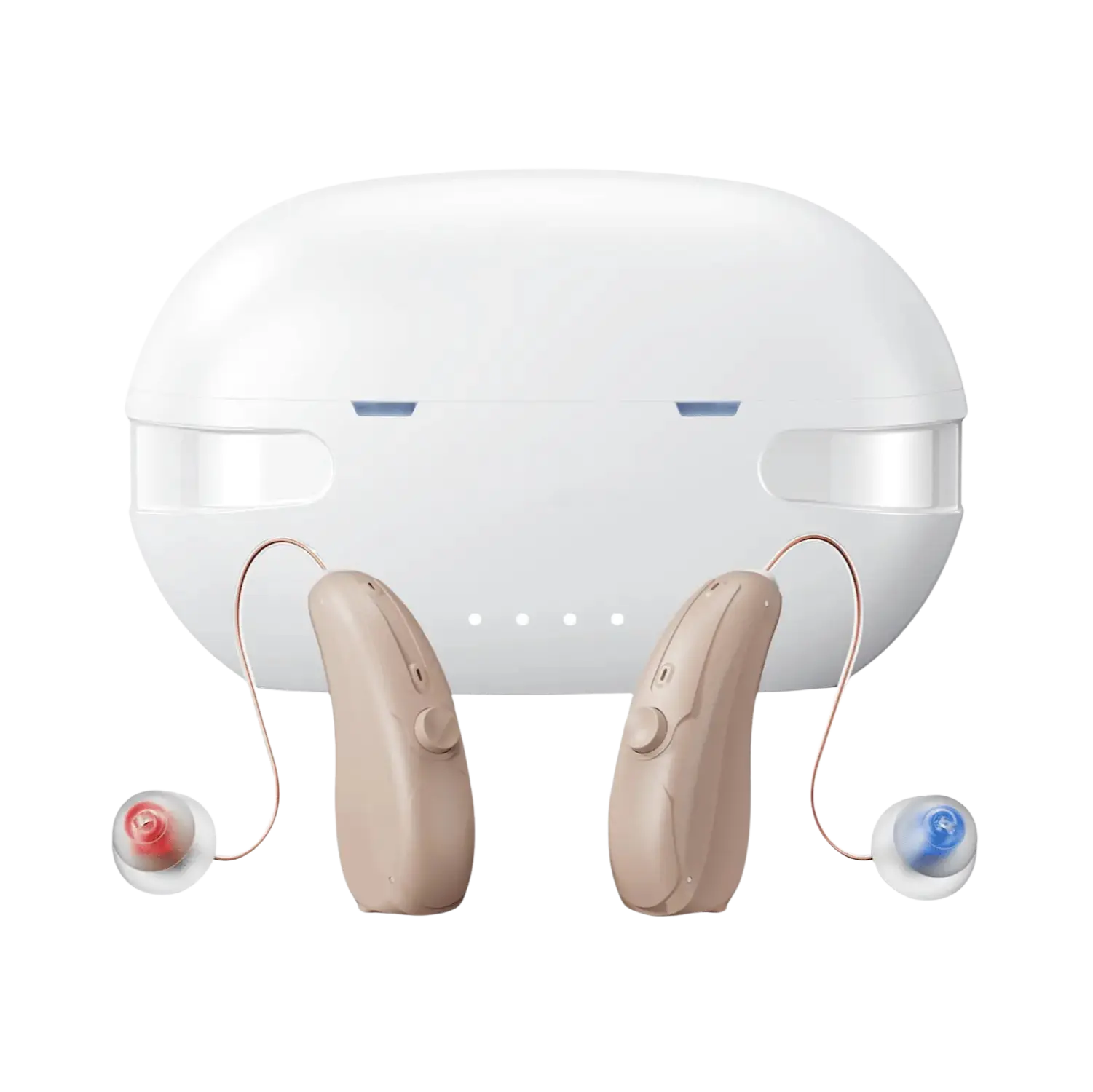
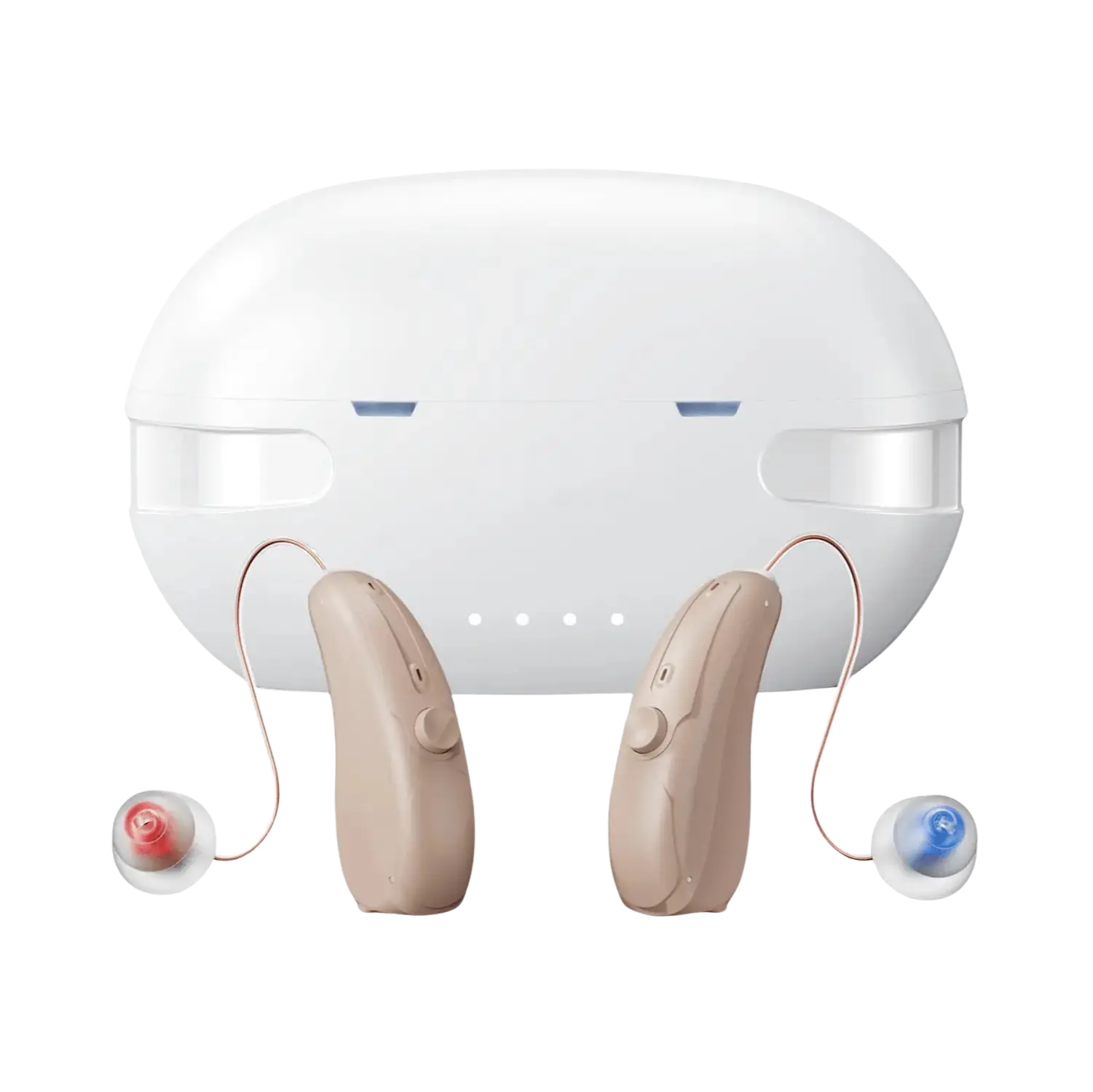
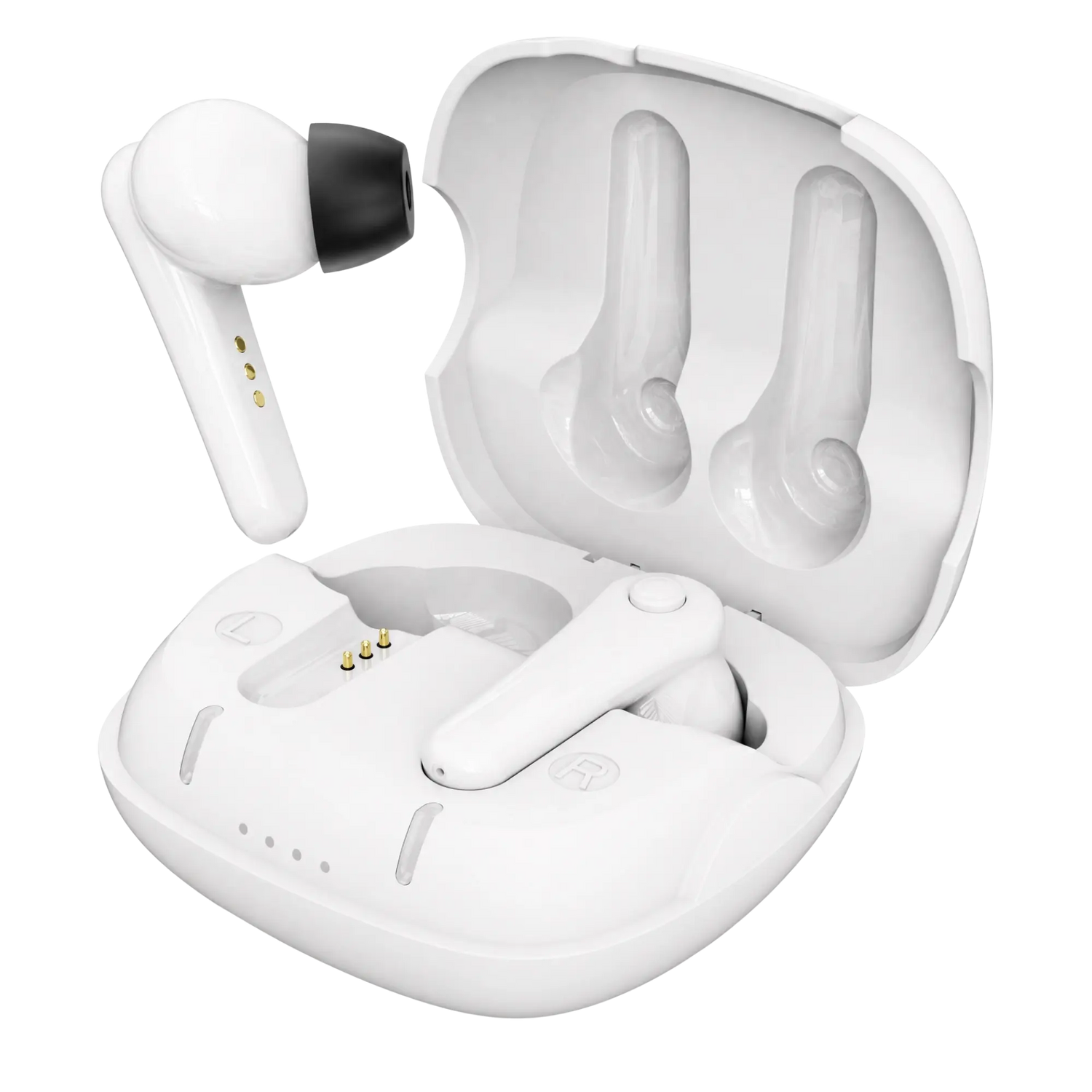
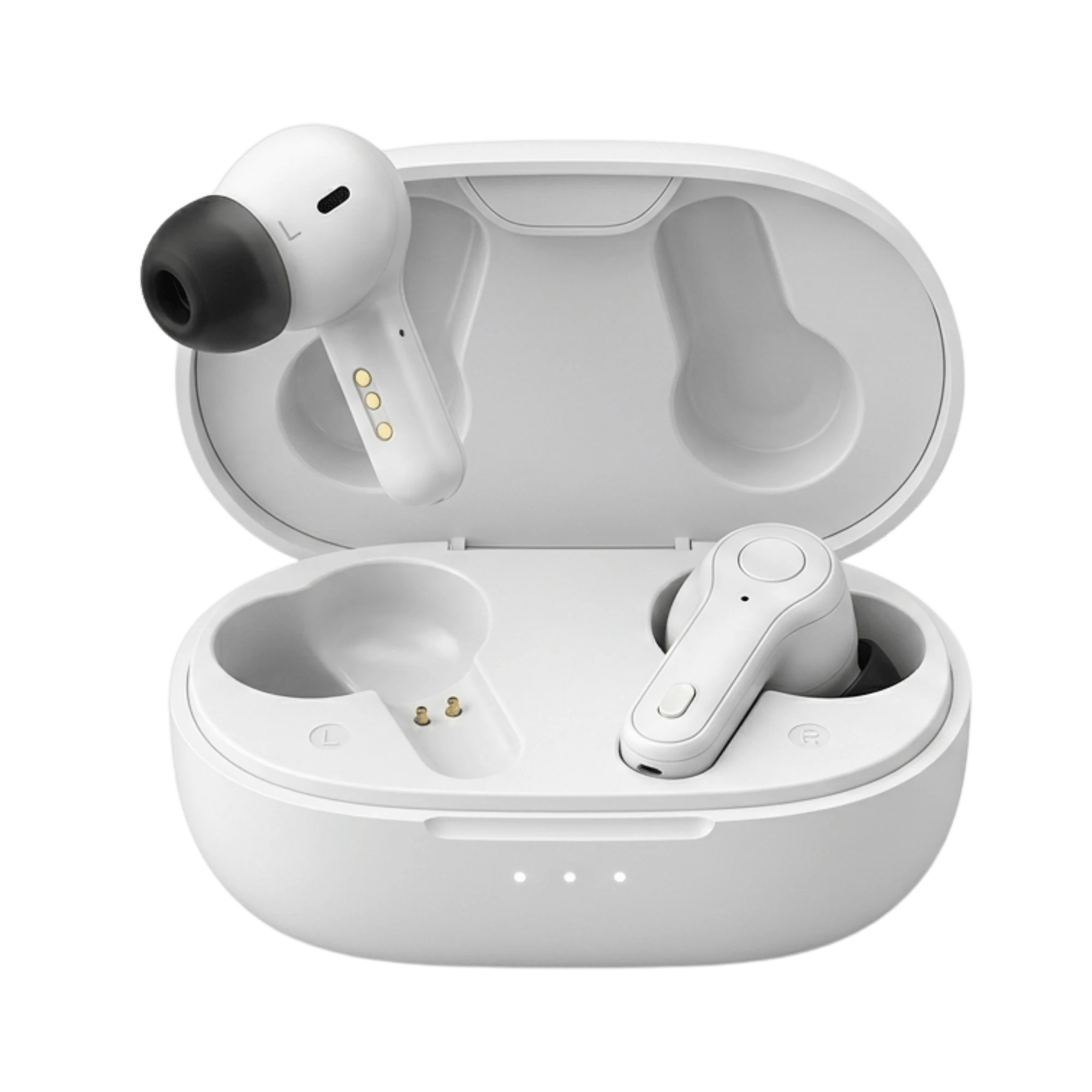
Panda Air is built for that buyer. It is an earbud-style, self-fitting OTC hearing aid with 16-channel wide dynamic range compression and multi-band adaptive noise reduction, and it includes an app-based in-ear hearing test that runs through the device itself after delivery and programs gain and frequency response to the wearer's audiogram, in the manner of a clinical fitting. As one of the rechargeable hearing aids with charging case designs, it runs 60 hours on a fast-charging case, and it comes with a 5-year warranty and 45 days to return it.
The important caveat runs in the same direction as the study. Over-the-counter devices are approved for mild to moderate hearing loss, and app-tuned hearing aids suit people who are comfortable with a phone. Severe or profound loss, and buyers who match the Passive Traditionalist profile, will still do better with a professional fitting.
Limitations of This Research
This is a cross-sectional survey of stated preference, not a record of what people actually bought. The gap between what respondents say they would choose and what they do at the point of purchase is a well-known weakness of this design, and the 84 percent figure should be read as an attitude rather than a market share.
The sample was recruited through an online research panel, which by construction over-represents people comfortable operating online. If anything that would push stated comfort with retail purchasing upward rather than downward. Respondents were also all United States residents aged 50 and over with no hearing aid experience, so the findings do not transfer directly to other health systems or to existing wearers. The abstract does not report funding sources or competing interests.
Where This Leaves Us
The picture that emerges is not a market tipping from one model to another but a market that has become genuinely segmented. Roughly two in five older adults are now comfortable with buying a hearing aid off the shelf, and a large majority would still rather have a professional involved, and both of those things can be true because they describe different people. The more useful question for anyone deciding is not which pathway is better in the abstract. It is which archetype they recognise themselves in, and what their insurance actually covers.
Singh J, Dhar S. Understanding Hearing Health Care Choices and Customer Archetypes in an Era of Over-the-Counter Hearing Aids. American Journal of Audiology. 2026. Retrieved from PubMed. https://doi.org/10.1044/2026_AJA-26-00032