A new study of 910 community-dwelling adults over 60 reports that nearly nine in ten have measurable hearing loss, and that wearers with isolated high-frequency loss are the least likely to recognize it themselves [1].
Adult-onset hearing loss tends to creep in at the top of the frequency range first. Consonants like "s," "f," and "th" lose definition before vowels do. Conversations sound mumbled before they sound quiet. By the time a wearer notices, the loss is often well-established and has already affected daily function. A 2026 cross-sectional study from a community sample in Beijing puts new numbers on this familiar pattern and identifies a particularly hidden subgroup: people whose loss is limited to the high frequencies and who, by their own report, do not believe they have a hearing problem at all [1].
The finding lines up with prevalence data from other 2026 studies. An Iranian cross-sectional survey of 1,878 adults aged 60 and older found that 45.5 percent of participants had self-reported hearing loss, with significantly higher rates among the very old and those with multiple chronic diseases [2]. Both studies point to the same gap: a lot of older adults have hearing loss, and the ones who would benefit most from intervention are not the only ones who could.
About This Study
Title: Analysis of characteristics and influencing factors of hearing loss in the older adults
Authors: Xinyang Zhou et al.
Journal: Lin chuang er bi yan hou tou jing wai ke za zhi (Journal of Clinical Otorhinolaryngology Head and Neck Surgery) - 2026
Citations: 0
Source: Consensus - https://consensus.app/papers/details/0be2b43b3cd055e697b5a689f534fb0d
Background: Why the Researchers Looked at This
Hearing loss is one of the most common chronic conditions among adults over 60. Beyond the obvious communication impact, untreated loss is associated with social withdrawal and isolation, and a 2026 systematic review found that hearing-device use and structured auditory rehabilitation consistently reduce loneliness and improve social participation in older adults [3].
Despite that evidence, identification rates remain low in many community settings. Self-perception is the usual screening trigger: someone notices they are missing parts of conversation, or family members notice for them, and only then do they seek a test. If self-perception is unreliable, especially for certain patterns of loss, then community-level prevalence estimates based on self-report will understate the problem and many older adults will go untreated for years. The Beijing team set out to characterize what those undetected patterns actually look like and what risk factors are associated with them [1].
How the Study Was Done
The researchers recruited 910 community-dwelling adults aged over 60 from a Beijing neighborhood between 2020 and 2025. Each participant completed a self-perceived hearing assessment, then underwent pure-tone audiometry and acoustic immittance testing. Anyone with conductive or mixed loss was excluded, leaving a sample with sensorineural hearing changes only. The remaining participants were categorized into three groups: normal hearing, isolated high-frequency hearing loss, and all-frequency hearing loss [1].
In addition to audiometric measurements, participants were assessed on lifestyle factors (smoking, occupational noise exposure), chronic disease status (hypertension, diabetes, chronic kidney disease, tinnitus), and on cognitive function and emotional state. Weighted stepwise multiple logistic regression was used to identify factors independently associated with each pattern of loss [1].
What the Researchers Found
Of the 910 participants tested, only 10.3 percent (94 people) had normal hearing. The other 89.7 percent (816 people) had measurable hearing loss. Within that group, 12.7 percent had isolated high-frequency loss and 87.3 percent had all-frequency loss [1].
The most striking finding was the gap between objective audiometry and self-perception in the high-frequency group. Only 19.2 percent of participants with isolated high-frequency hearing loss reported that they thought they had hearing loss [1]. In other words, more than four in five people whose audiogram showed a clear high-frequency deficit went home believing their hearing was fine.
The risk-factor analysis identified separate predictors for the two loss patterns. Isolated high-frequency loss was independently associated with smoking, diabetes, chronic kidney disease, and anxiety. All-frequency loss was associated with age, smoking, diabetes, tinnitus, cognitive decline, and anxiety [1]. Smoking and diabetes appeared in both columns, suggesting they are shared cardiovascular-style risk factors for the inner ear.
The cognitive and emotional links are worth noting. Cognitive decline and anxiety were both more common among participants with hearing loss, and the authors highlight clinical implications for screening high-frequency function in older patients with chronic kidney disease in particular [1]. The pattern is consistent with the larger evidence base linking hearing loss to mood and cognition in later life [3].
What It Means for People with Hearing Loss
The headline takeaway is that adults over 60 should not rely on "I think I hear fine" as a sufficient screen. The Beijing data suggest that a measured test is the only way to catch early-stage, high-frequency loss before it progresses to a clearly noticeable deficit. The Iranian study reinforces this by showing how strongly prevalence climbs with age and chronic disease burden in another country and population [2].
For people who already know they have some loss, the study reframes the question. It is not just "do I have hearing loss." It is "what does my audiogram look like at high frequencies, and is my hearing aid actually amplifying those frequencies." A device that does not address the band where the loss lives will not feel like it is helping.
When Self-Perception Misses the Loss, an In-Ear Test Catches It
The Beijing study's most actionable finding is that 80 percent of people with high-frequency loss did not perceive it [1]. For someone in that group, the practical question is how to get a frequency-specific assessment without scheduling an audiologist visit they may not think they need.
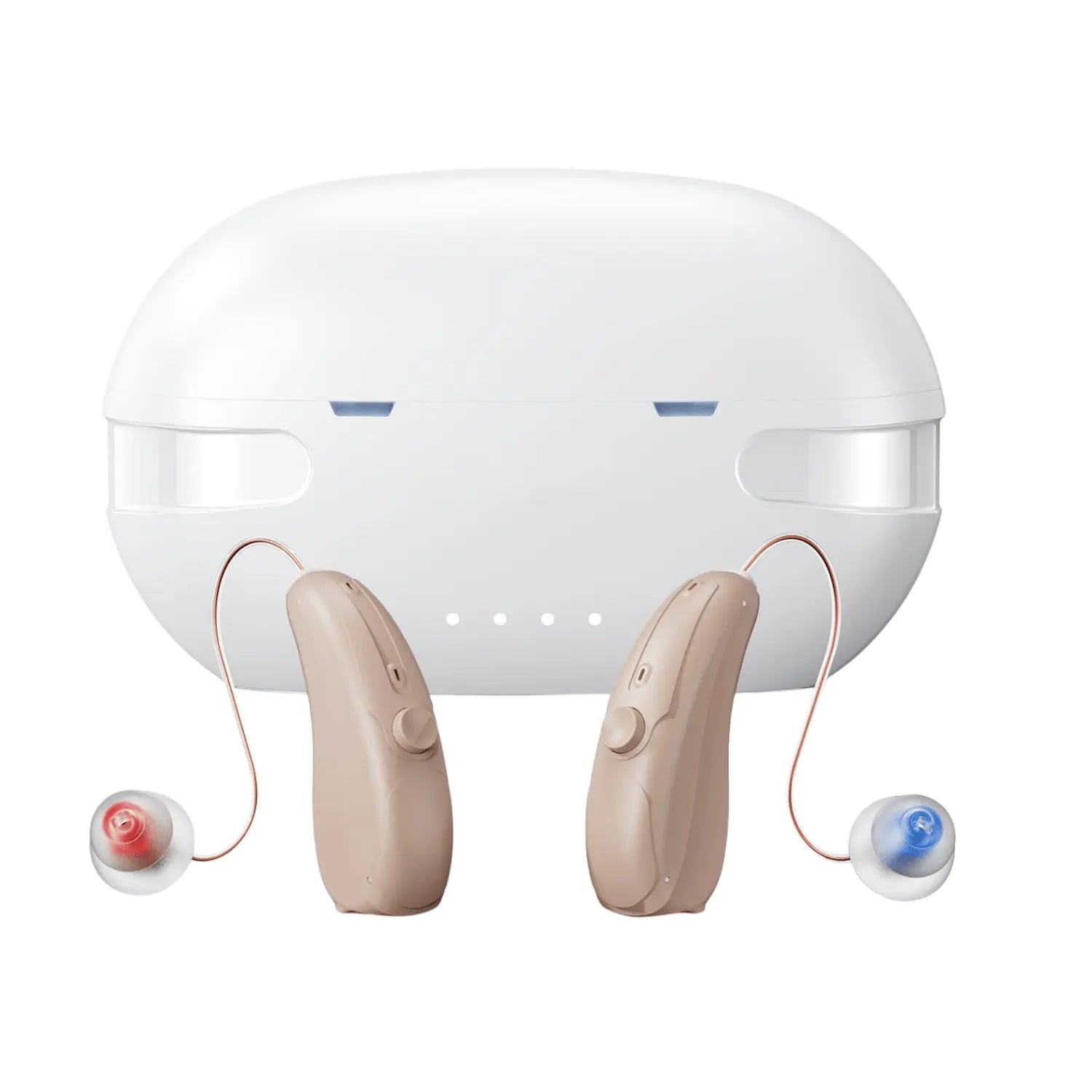
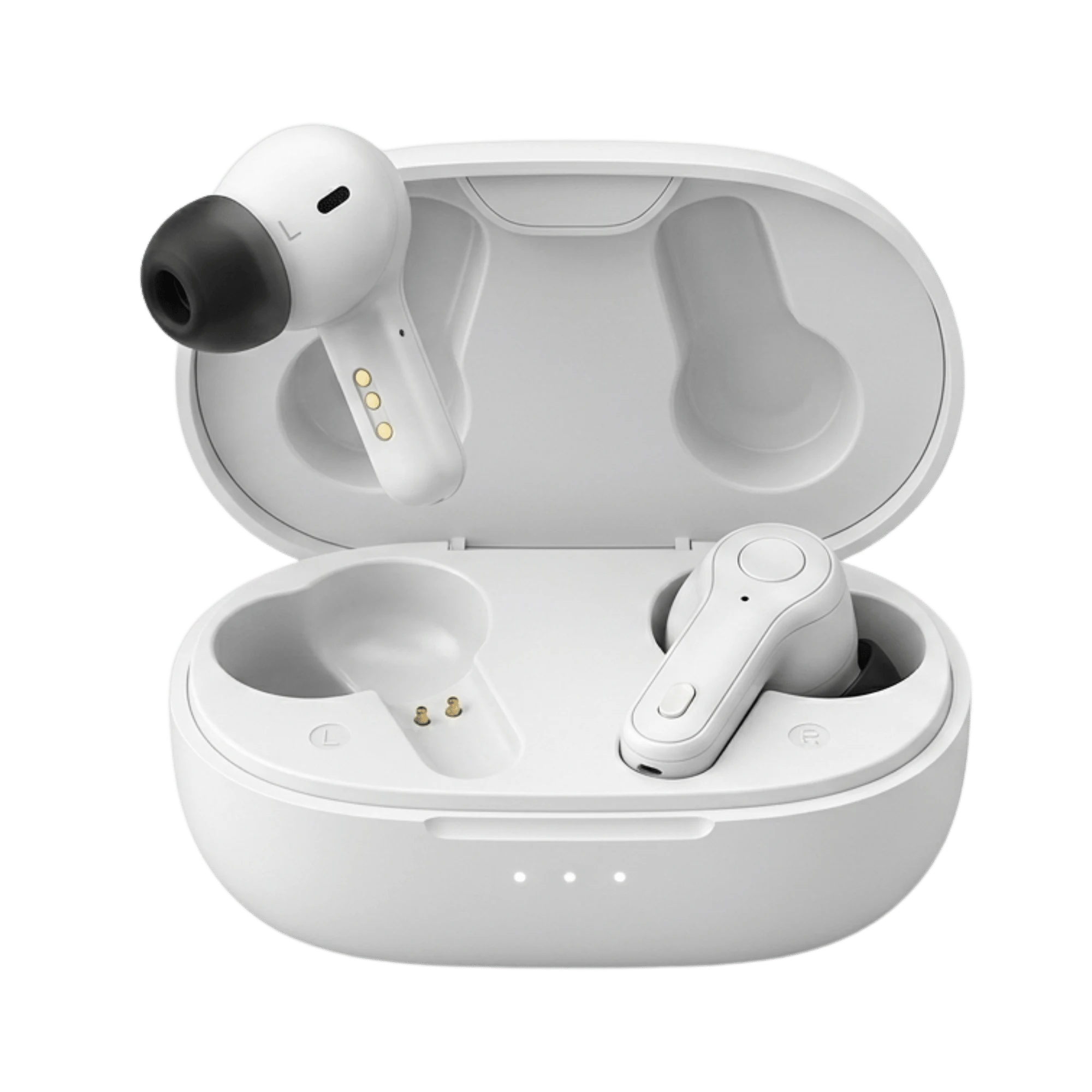
Panda Air is built around this exact gap. After the device arrives, the wearer pairs it with the Panda app, which runs a frequency-specific hearing test through the hearing aid itself, then automatically programs the device's gain and frequency response to match the user's audiogram. The process is the same in concept as what an audiologist does at a clinical fitting: the device adapts to the specific bands where hearing is weakest. For someone who is uncertain whether their loss is real, or who has high-frequency loss they have not noticed, the test result itself doubles as a screen.
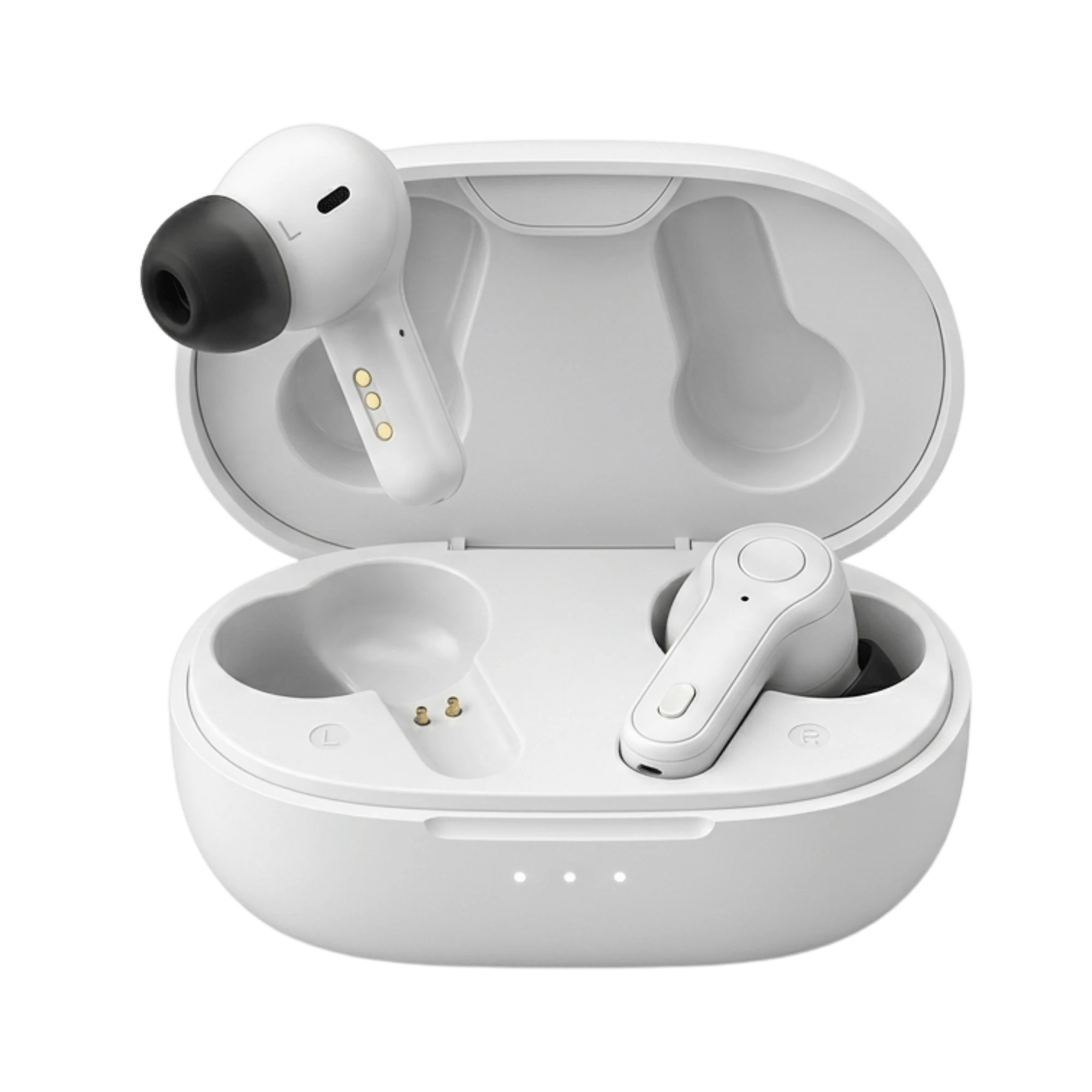
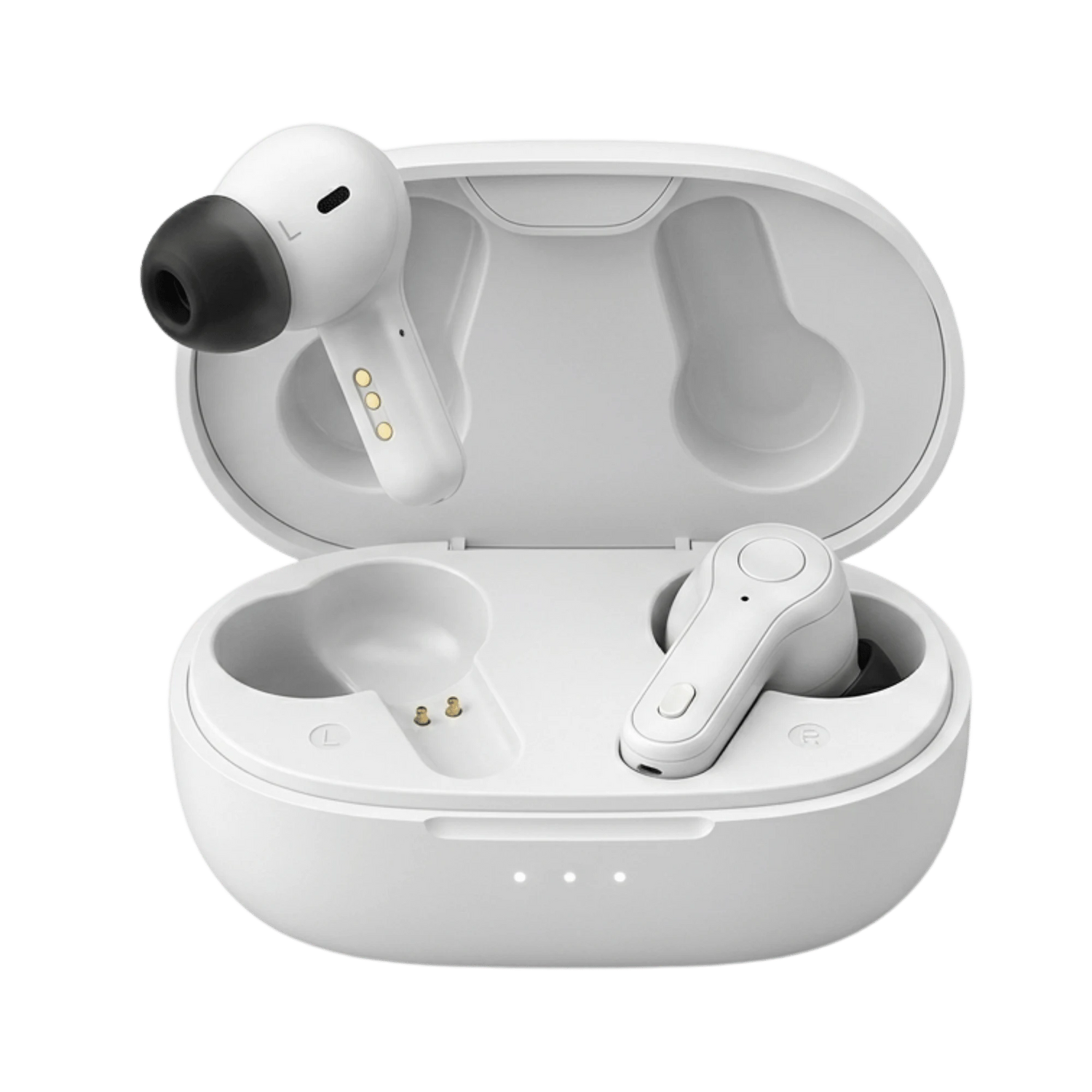
Panda Air is an earbud-style in-the-canal device with 16-channel wide dynamic range compression, multi-band adaptive noise reduction, a 60-hour fast-charge case, a 5-year warranty, and a 45-day return window. It is designed for adults with mild to moderate loss who want to avoid the clinic visit as an initial step. The app-based fitting is the part that matters here: it means the device is matched to the audiogram of the person wearing it, not to a default curve. Learn more about Panda Air.
Limitations of This Research
The Beijing study is cross-sectional, so the associations between hearing loss and chronic disease or anxiety cannot establish causation. Hearing loss might worsen anxiety, anxiety might prompt social withdrawal that accelerates the perceived burden of loss, or both might share an underlying cause. The Iranian study's reliance on self-reported hearing status further limits its prevalence estimate, which is likely conservative given what the Beijing audiometric data show [2].
Both samples were geographically specific. Prevalence and risk-factor estimates may not transfer directly to other populations, although the qualitative pattern of high-frequency loss preceding all-frequency loss is well-established globally.
What to Do With This
If you are over 60, or have a chronic condition like diabetes, smoking history, or kidney disease, a hearing test is worth doing whether or not you think you have a problem. The Beijing data make clear that subjective hearing is a poor screen for the high-frequency loss that typically comes first. For older adults already navigating hearing loss, structured rehabilitation paired with a properly fitted device is associated with meaningful gains in social connection and reductions in loneliness [3].
References
[1] Analysis of characteristics and influencing factors of hearing loss in the older adults (Xinyang Zhou et al., 2026, Journal of Clinical Otorhinolaryngology Head and Neck Surgery, 0 citations).
[2] Prevalence and associated factors of hearing loss in Iranian older adults: a cross-sectional study of Amirkola Health and Ageing Project (A. Tavasoli et al., 2026, BMC Geriatrics, 0 citations).
[3] Effectiveness of interventions for social isolation, loneliness, and social participation in older adults with hearing loss: results from a systematic review (Julie Beadle et al., 2026, Systematic Reviews, 0 citations).