A new scoping review in Frontiers in Audiology and Otology compares cognitive behavioral therapy with audiologist-delivered counseling for tinnitus and finds equivalent benefit in most studies, raising practical questions about who should provide what kind of care [1].
Cognitive behavioral therapy (CBT) is widely regarded as the most evidence-supported psychological treatment for tinnitus distress. It is also expensive and hard to access. Most insured patients face long waitlists to see a psychologist, and uninsured patients often face longer ones. In response, many audiologists have begun providing what they call tinnitus counseling: structured psychoeducation, normalization, and behavioral guidance delivered in the same clinic that fits the patient's hearing aids. A 2026 scoping review asked whether the two approaches actually produce different outcomes [1].
The result matters for a large and underserved patient population. Recent survey data show that people with chronic tinnitus prefer non-invasive treatments by a wide margin and often have unrealistic expectations of cure [3]. Studies of sound therapy adherence show that consistent engagement in the first six months is a strong predictor of symptom relief [2]. Together, these findings suggest tinnitus care is as much about supporting behavior change as it is about specific psychotherapy techniques.
About This Study
Title: Counseling and Cognitive Behavioral Therapy for tinnitus - The same but different: a scoping review
Authors: Bree Campbell et al.
Journal: Frontiers in Audiology and Otology - 2026
Citations: 0
Source: Consensus - https://consensus.app/papers/details/c3a24d402e60501889e183cc0fdd583e
Background: Why the Researchers Looked at This
CBT and tinnitus counseling overlap in obvious ways. Both rely on conversation. Both are aimed at reducing the distress and functional burden of tinnitus rather than eliminating the sound itself. Both involve some form of education about how the auditory system and the brain interact to produce and sustain the perception.
They also differ. Formal CBT is a structured psychotherapy practiced by trained psychologists, and it includes cognitive restructuring techniques designed to identify and change maladaptive thoughts. Tinnitus counseling, typically delivered by audiologists, uses psychoeducation and empathetic dialogue to demystify the condition and reduce its emotional charge. The clinical question is whether the second approach achieves the same outcomes as the first, particularly for patients who cannot or will not see a psychologist [1].
How the Study Was Done
The authors conducted a scoping review of the published literature comparing CBT and counseling for tinnitus. They began with 210 articles selected for title relevance and chose 8 studies for data charting based on whether the study reported outcomes for both modalities, used a recognizable measure of tinnitus distress, and reported provider type and therapy duration [1].
Because the included studies varied considerably in design, content, duration, and provider type, the review presents a structured narrative comparison rather than a meta-analysis. The authors specifically tracked who delivered the therapy (psychologist, audiologist, or other), how long the treatment lasted, and which specific elements were used.
What the Researchers Found
Of the eight studies, three reported greater efficacy for CBT than for counseling. One reported counseling was actually superior. The remaining four reported equivalent outcomes between the two modalities [1]. In other words, in five of eight studies, audiologist-delivered counseling matched or exceeded CBT, while in three CBT had the edge.
The variability among included studies makes a clean verdict difficult. The therapies differed in how many sessions were offered, how those sessions were structured, and what techniques were emphasized. The authors point out that "CBT" as practiced in these studies was not uniform, and neither was "counseling." Some counseling sessions included elements that closely resembled CBT, while some short CBT protocols offered less structured cognitive restructuring than a full psychologist-led course would [1].
A central distinction the authors draw is between CBT proper, which they argue should be reserved for trained psychologists, and "CBT-informed counseling" delivered by audiologists. The latter borrows useful elements (psychoeducation, behavioral guidance, attention reframing) but stops short of formal cognitive restructuring psychotherapy. The review's broader conclusion is that audiologists extending their practice to include true CBT may not improve outcomes beyond what well-structured counseling already produces [1].
Patient preference data add useful context. A 2026 cross-sectional survey of chronic tinnitus patients reported that 73.4 percent preferred sound therapy, 55.6 percent preferred tinnitus retraining therapy, and 44.4 percent preferred CBT. Pharmaceutical interventions had the lowest acceptance, and notably, hearing aids had the highest rejection rate at 33.3 percent [3]. Many patients also held unrealistic expectations: 51.1 percent expected complete symptom resolution despite limited evidence that any current therapy delivers that [3].
What It Means for People with Tinnitus
The first takeaway is encouraging: structured therapy works, and the format that works is the one a patient can actually access. A patient who cannot reach a CBT-trained psychologist but can see an audiologist who provides organized counseling is not necessarily losing therapeutic value, based on the available evidence [1].
The second takeaway is that engagement matters. Outcomes in sound therapy studies depend heavily on how often and how long the patient actually practices in the first six months [2]. The therapeutic framework, in other words, is necessary but not sufficient. Patients who treat therapy as a one-time prescription tend to do worse than those who treat it as a sustained practice.
The third is about expectations. Survey data suggest many patients expect complete symptom resolution, but the realistic goal of evidence-based tinnitus care is to reduce distress, restore sleep and concentration, and reduce the prominence of the sound in daily life [3]. Patients who enter therapy with this framing are more likely to find the experience worthwhile.
When Tinnitus and Hearing Loss Travel Together: Reducing One Barrier
Many adults with chronic tinnitus also have measurable hearing loss, often in the same high-frequency range where the tinnitus sound sits. The Campbell review notes that hearing aid uptake can play a role in tinnitus management for these patients, even though the formal review focuses on talk therapies [1]. When daily listening is easier, the brain has less reason to lock onto the tinnitus signal as the dominant input.
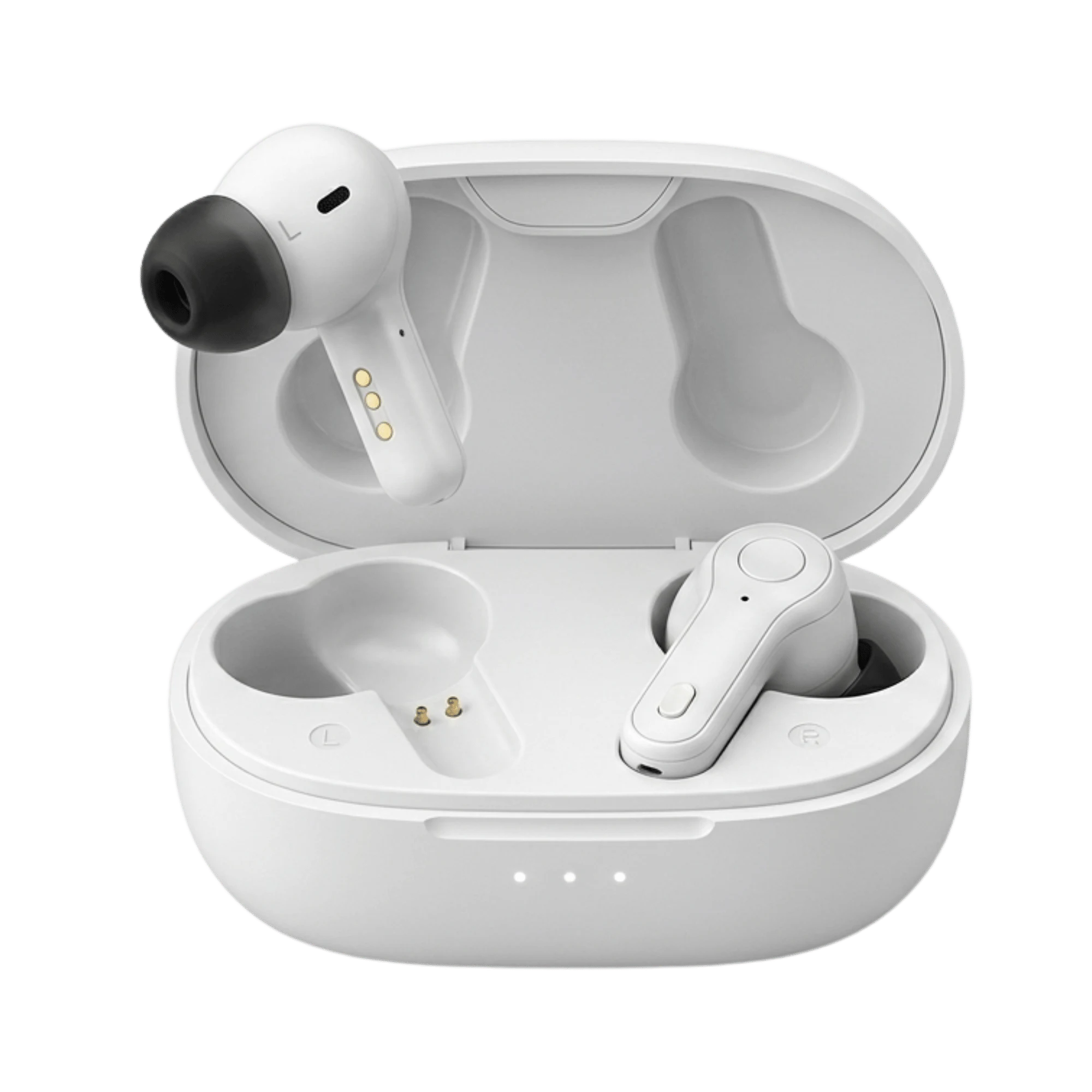
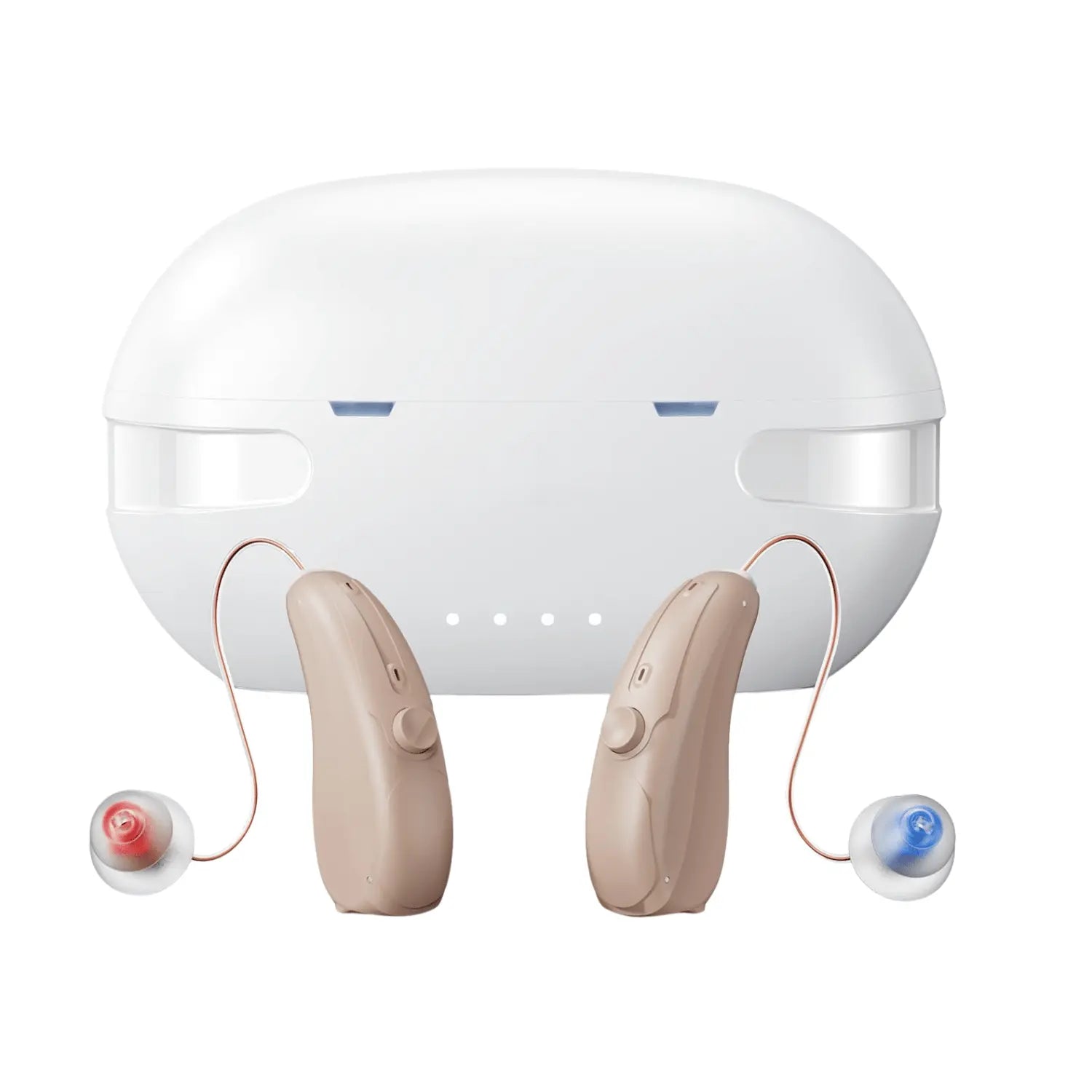
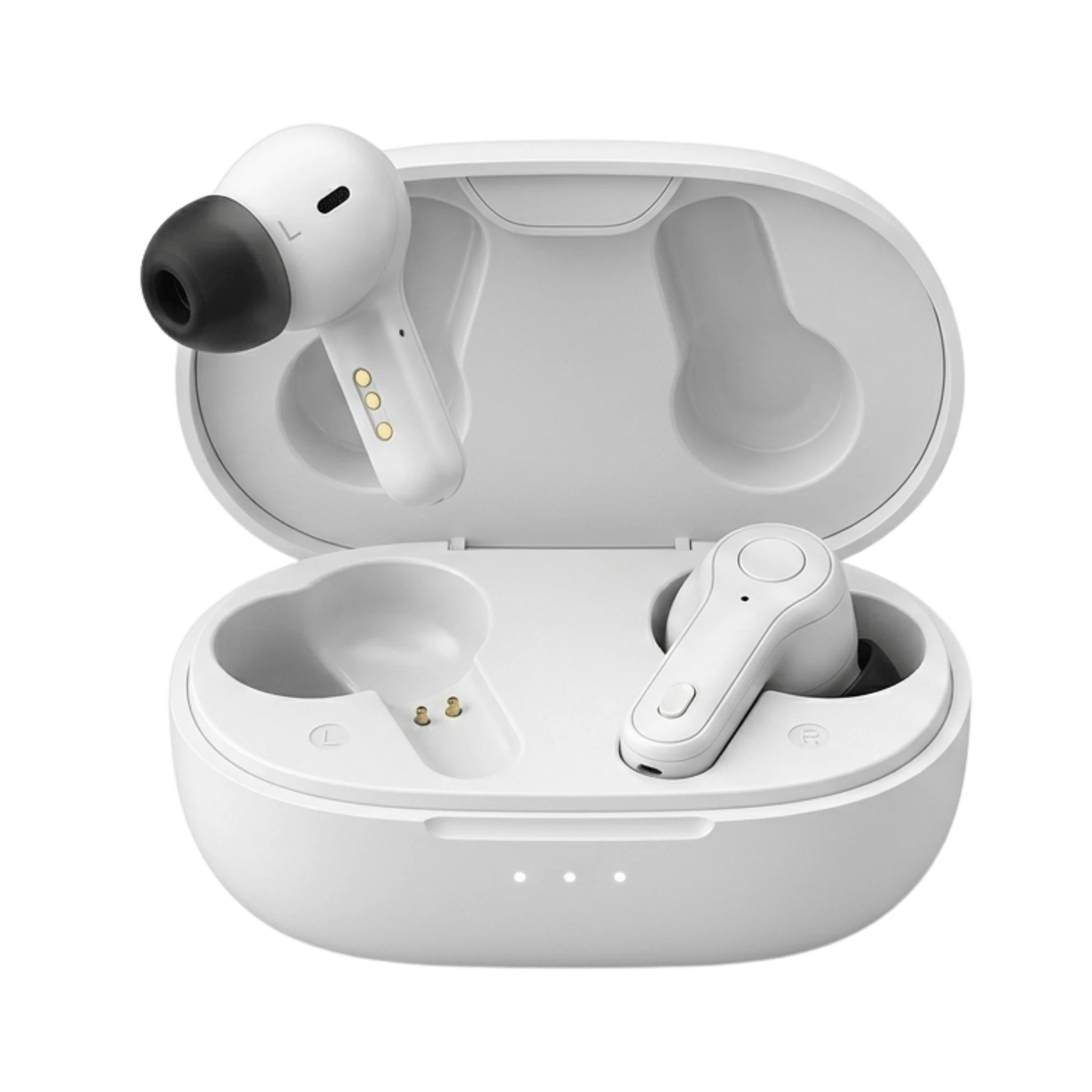
For someone whose CBT or counseling access is limited by cost or geography, addressing the hearing loss that often accompanies tinnitus is one variable they can act on directly. Panda Air is an over-the-counter option designed to keep that first step low-friction. The device is paired with the Panda app after delivery, which runs a frequency-specific hearing test through the hearing aid itself and automatically programs the device's gain and frequency response to match the user's audiogram, mirroring the kind of fitting an audiologist performs in clinic.
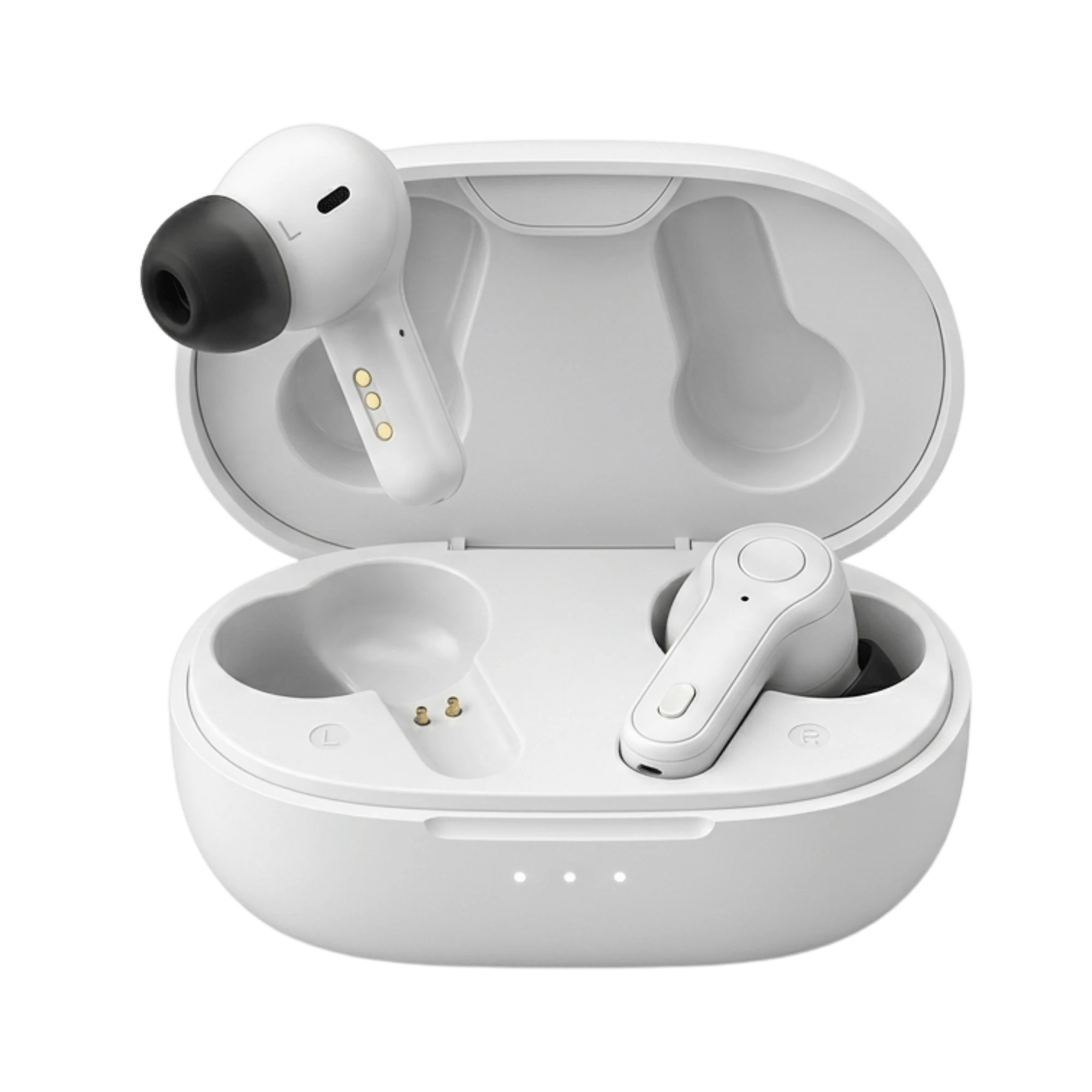
Panda Air uses 16-channel wide dynamic range compression, multi-band adaptive noise reduction, a 60-hour fast-charge case, a 5-year warranty, and a 45-day return window. Addressing co-occurring hearing loss is not a substitute for tinnitus-specific therapy, but for patients waiting for CBT or counseling access, it is a meaningful step that does not require a referral. Learn more about Panda Air.
Limitations of This Research
The Campbell review is a scoping review rather than a meta-analysis, and the authors are explicit that the literature it draws on is "characterized by ambiguity" [1]. With only eight included studies and large variation in protocols, providers, and durations, no firm dose-response or modality-superiority conclusion is possible. The finding that CBT and counseling are roughly equivalent could reflect true equivalence, or could reflect the difficulty of detecting differences in heterogeneous studies of psychotherapy.
The patient preference survey [3] was based on 45 respondents at a single time point and may not generalize to all populations of tinnitus sufferers. Adherence data from sound therapy studies [2] come from samples that already chose to enter clinical care, so engagement levels may be higher than in the general population.
What to Do With This
If you have chronic tinnitus, ask your audiologist or primary care provider about access to structured therapy. CBT remains the most heavily studied option, but well-structured audiologist-led counseling appears to deliver comparable benefit in most published comparisons [1]. If you also have hearing loss, treating it can reduce the audibility contrast that makes the tinnitus signal more prominent. And if you start a sound-therapy program, commit to the first six months: that is where the outcome data are most consistent [2].
References
[1] Counseling and Cognitive Behavioral Therapy for tinnitus - The same but different: a scoping review (Bree Campbell et al., 2026, Frontiers in Audiology and Otology, 0 citations).
[2] Initial compliance as a predictor of therapeutic outcomes in chronic tinnitus (Sang-Yoon Han et al., 2026, Medicine, 0 citations).
[3] Treatment preferences and values in chronic tinnitus patients: A cross-sectional survey study (Hyun Jung Kim et al., 2026, American Journal of Otolaryngology, 0 citations).