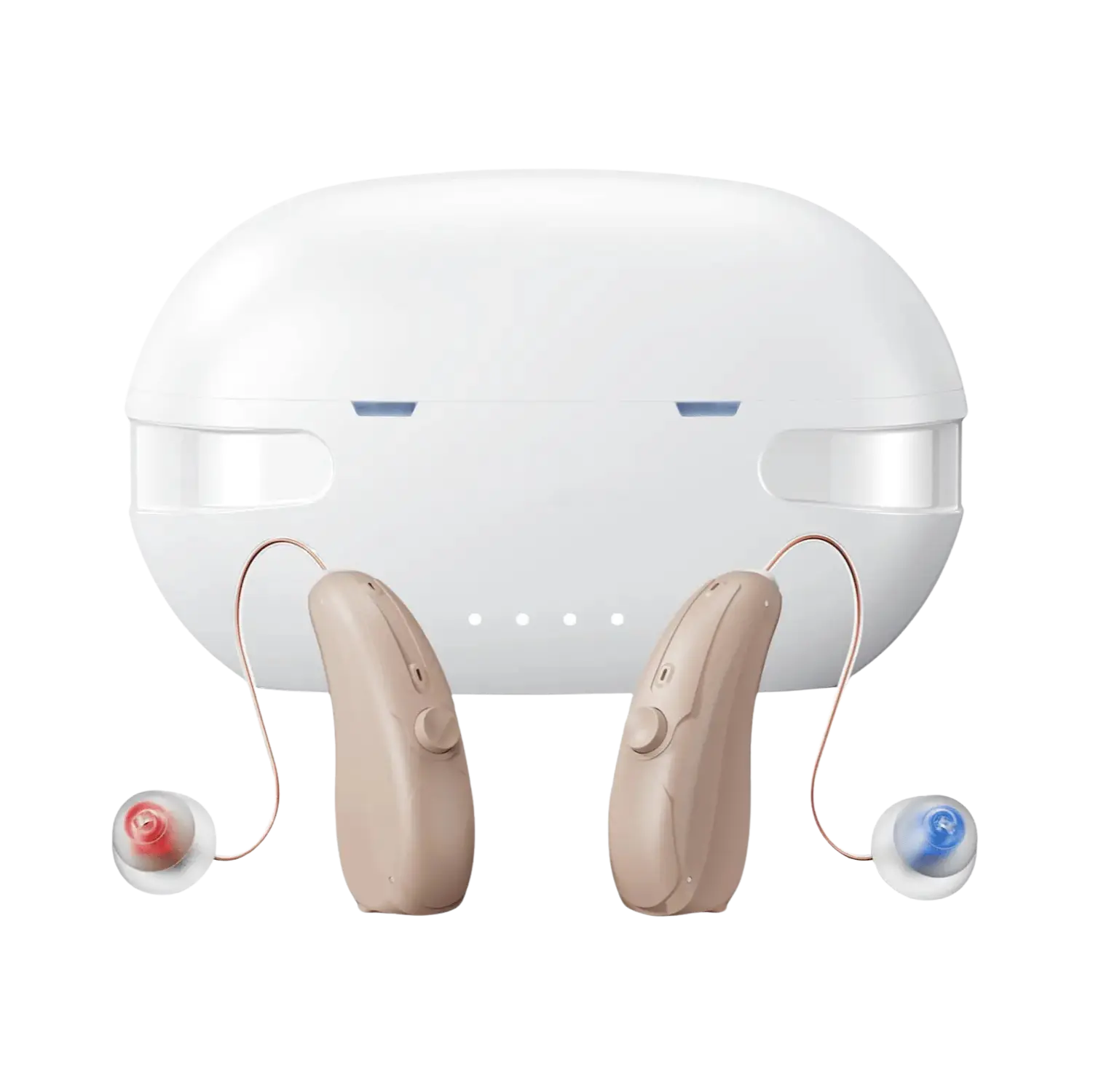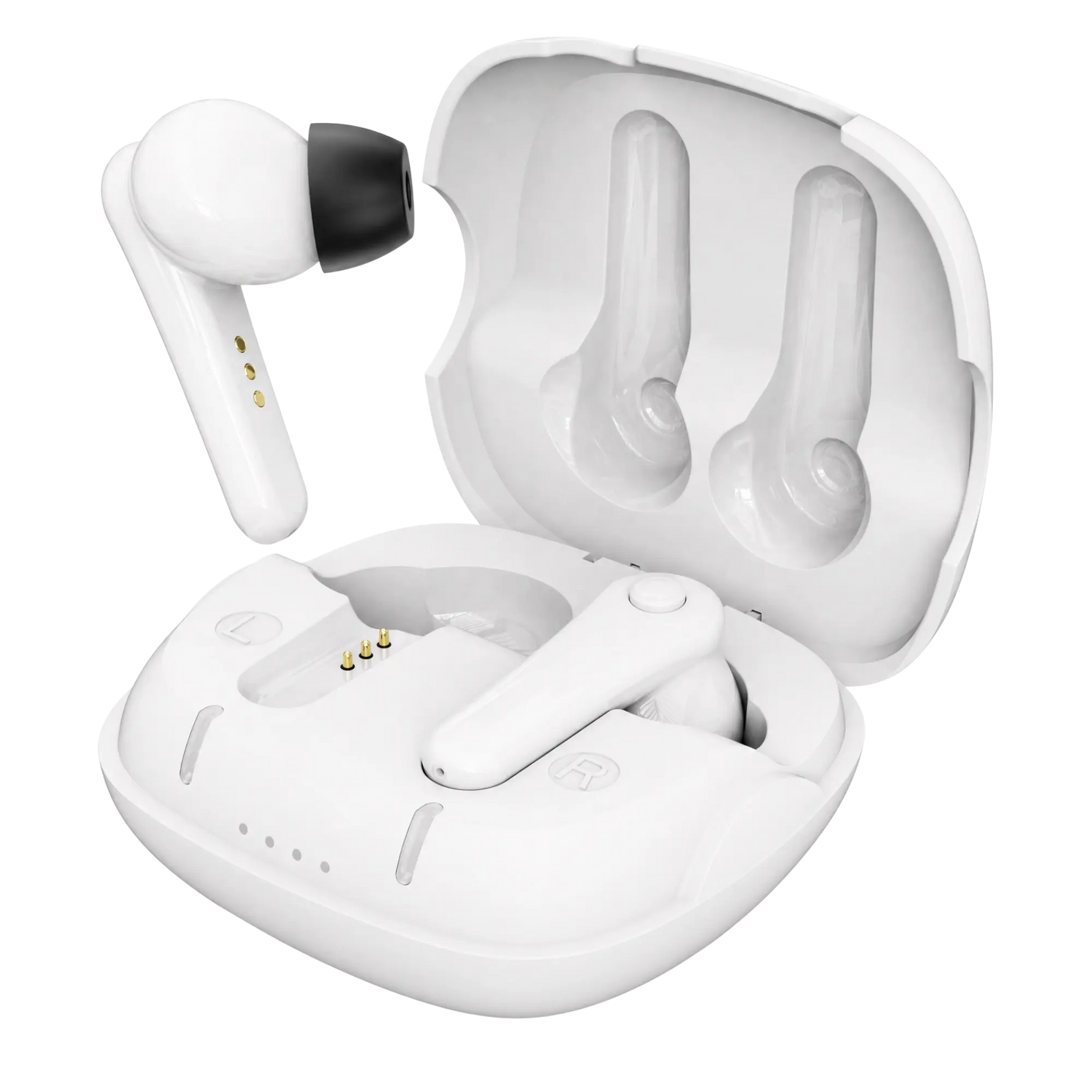
Four years after over-the-counter hearing aids reached US shelves, a survey of more than a thousand older adults found that comfort with buying direct has grown, but the preference for going through a provider has not gone away.
When the US Food and Drug Administration created a category for over-the-counter hearing aids in 2022, the expectation was that removing the prescription requirement would remove the main obstacle between older adults and treatment. Devices could be bought in a pharmacy or online, without an audiology appointment, at a fraction of the traditional price.
What that change did to actual buying behavior is a separate question. A new study in the American Journal of Audiology surveyed over a thousand older Americans who had never owned a hearing aid, and asked them which route they would take if they decided to get one. The answers suggest the decision is shaped by more than price and convenience.
About This Study
Title: Understanding Hearing Health Care Choices and Customer Archetypes in an Era of Over-the-Counter Hearing Aids
Authors: Jasleen Singh, Sumitrajit Dhar
Affiliations: Department of Speech, Language, and Hearing Sciences, University of Massachusetts Amherst; The Roxelyn and Richard Pepper Department of Communication Sciences and Disorders, Northwestern University, Evanston, IL
Journal and date: American Journal of Audiology, published July 31, 2026
Study type: Cross-sectional consumer survey with regression and cluster analysis, 1,013 respondents
PubMed DOI: 10.1044/2026_AJA-26-00032
Background: Why the Researchers Looked at This
Hearing loss is one of the most undertreated conditions in older adults. Most people who could benefit from amplification never get it, and those who eventually do typically wait years after first noticing a problem. Cost and access have long been named as the main reasons.
Over-the-counter hearing aids, or OTC hearing aids, are FDA-regulated devices that adults with perceived mild to moderate hearing loss can buy without a hearing test or a prescription. The alternative is what researchers call the provider-driven pathway: an appointment with an audiologist or hearing instrument specialist, a diagnostic hearing test, a professionally programmed device, and follow-up visits.
The researchers wanted to know which factors actually predict which pathway a person chooses, and whether consumers sort into recognizable types. They also wanted to see whether preferences had shifted now that OTC devices had been on the market for several years rather than being a hypothetical option.
How the Study Was Done
The team used a 27-item survey adapted from earlier work on hearing health care decision making. It was distributed through Qualtrics Research Panels to US residents aged 50 and older who had never used a hearing aid. Excluding current and former users mattered, because the goal was to capture the decision as a first-time buyer would face it, before habit or loyalty to a clinic had formed.
A total of 1,013 completed surveys were analyzed. Multiple linear regressions were used to identify which respondent characteristics predicted a preference for the OTC pathway versus the provider-driven pathway. Candidate factors included insurance coverage, where the person was in their own hearing care journey, and comfort with managing purchases online.
The researchers then applied principal components analysis followed by k-means clustering. Rather than assuming consumer types in advance, this approach lets groupings emerge from the response patterns themselves, then names them after the fact based on what distinguishes each cluster.
What the Researchers Found
The headline numbers point in two directions at once. Thirty-nine percent of respondents said they were comfortable with the idea of purchasing an over-the-counter hearing aid. At the same time, 84 percent said they preferred a provider-driven model. Those figures are not contradictory: a person can be perfectly willing to buy a device off the shelf and still, given the choice, would rather have a professional in the room.
Two factors predicted which pathway a respondent leaned toward. Insurance coverage was one, which is intuitive: if a plan covers part of the cost of clinical care, the price advantage of buying direct shrinks. The other was stage of the hearing health care journey, meaning how far along the person was in recognizing a problem and thinking about acting on it.
The clustering produced three consumer archetypes, which the authors named the Empowered Evaluator, the Passive Traditionalist, and the Disengaged Skeptic. The groups differed on two dimensions in particular: where they sat in their own hearing journey, and how comfortable they were managing transactions online.
Passive Traditionalists were more likely to pursue a provider-driven model than Empowered Evaluators were. That is the practical contrast in the data: people who research their own options and are at ease buying online are meaningfully more open to the direct route, while people who prefer to be guided default to the clinic.
What It Means for People with Hearing Loss
The useful takeaway is that there is no single correct pathway, and the survey does not suggest one. What it suggests is that the right pathway depends on the kind of buyer you are. If you like to compare specifications, read reviews, and handle a purchase and a return yourself, the direct route is likely to suit you. If you would rather have someone assess your hearing, fit the device, and be available when something is not working, the clinical route is worth the extra cost.
It is also worth checking insurance before assuming either option is cheaper. The study found coverage to be a genuine predictor of pathway choice, and many people do not know what their plan includes for hearing care until they ask.
The finding that the preference for provider involvement remains strong four years into the OTC era is a reminder that the barrier was never only price. Some of it is wanting reassurance that the device is set up correctly for your particular hearing, which is a reasonable thing to want.
Closing the Gap Between Buying Direct and Being Fitted
The gap this study describes is the space between the price and convenience of buying direct and the confidence of having a device set to your own hearing. Newer self-fitting OTC hearing aids are built specifically to narrow that gap, by moving the fitting step out of the clinic and into the device itself.
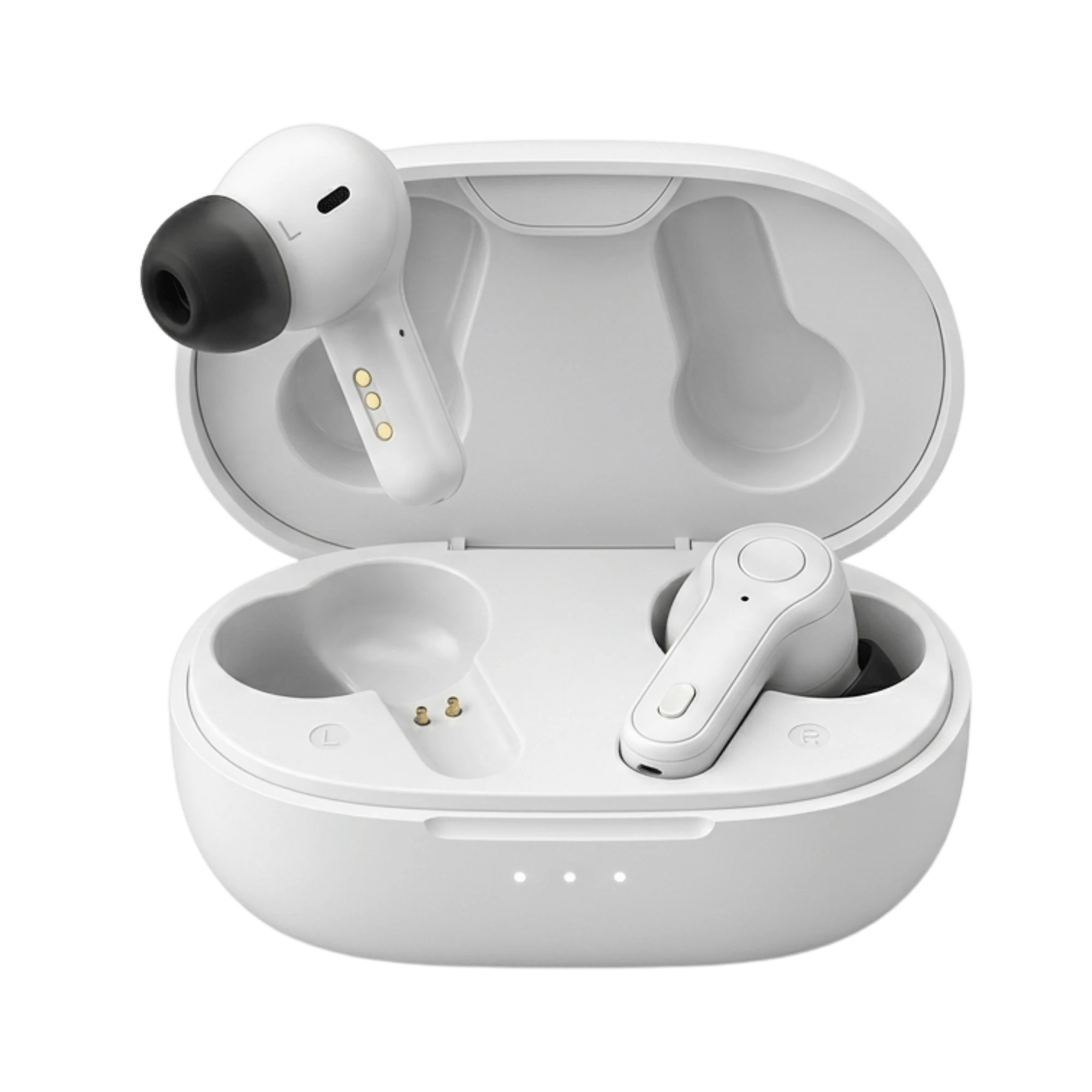
Panda Air is one such device. It is an earbud-style in-the-canal aid with 16-channel wide dynamic range compression and multi-band adaptive noise reduction, and it pairs with the Panda app after delivery to run a frequency-specific hearing test through the aid itself. The app then programs gain and frequency response to the result, which is the part of a clinical fitting that most first-time buyers worry about skipping. For people who are comfortable ordering online but want more than a one-size volume control, these app-tuned hearing aids sit between the two pathways the study describes. The rechargeable design uses a 60-hour fast-charge case, and Panda backs the Air with a 5-year warranty and 45-day returns.
One caveat the study's framing supports: OTC devices are approved for perceived mild to moderate hearing loss. People with severe or profound loss still benefit most from a clinical fitting, and a preference for provider-driven care is the right instinct in those cases.
Limitations of This Research
This was a survey of stated preference, not a record of what people actually bought. Respondents were describing what they think they would do, and intention and behavior often diverge, particularly when the real decision involves a real bill. The sample was recruited through an online research panel, which by construction skews toward people already comfortable using the internet, so the true share of older adults at ease with an online purchase may be lower than these figures suggest.
The archetypes are also a product of the clustering method rather than fixed categories that exist in nature. A different set of survey items, or a different number of clusters, could produce a different set of consumer types. No funding source or competing interest disclosure was included in the abstract record retrieved from PubMed.
Where This Leaves Us
Making hearing aids available without a prescription changed what is possible, but this study shows it did not by itself change what most older adults prefer. The share of people willing to buy direct is rising, and the ones who research their options and are comfortable online are leading that shift, while a clear majority still want a professional involved somewhere in the process. Whichever route fits you, the more consequential decision is the one to act at all rather than to wait another year.
Singh J, Dhar S. Understanding Hearing Health Care Choices and Customer Archetypes in an Era of Over-the-Counter Hearing Aids. American Journal of Audiology. 2026. Retrieved from PubMed. https://doi.org/10.1044/2026_AJA-26-00032