How the Way We See Aging Shapes Whether We Act on Hearing Loss
A study of 503 adults finds that recognizing age-related change, rather than denying it, is linked to a greater likelihood of seeking help and using hearing aids.
Hearing loss is one of the most common conditions of midlife and later life, but people are famously slow to act on it. Many adults wait years between first noticing trouble and doing something about it, and even those who could clearly benefit from hearing aids often go without.
A new study asks a question that sits underneath all of that hesitation: does the way a person thinks about their own aging shape whether they reach out for help? The answer suggests that mindset and behavior are more closely linked than we might assume.
About This Study
Title: Awareness of Age-Related Gains and Losses and Their Associations with Hearing-Related Health Behaviors in Midlife and Older Adulthood
Authors: Jana Koch, Brooke Brady, Lidan Zheng, Markus Wettstein, Kaarin J. Anstey
Affiliations: Not listed in the PubMed record; data came from the app-based Resilient Minds research study
Journal and date: Gerontology, June 2026
Study type: Cross-sectional analysis of 503 adults
PubMed and DOI: https://doi.org/10.1159/000552795
Background: Why the Researchers Looked at This
Researchers in aging use a concept called Awareness of Age-Related Change, often shortened to AARC. It captures the everyday sense a person has that they are changing as they age. Crucially, it has two sides: an awareness of gains, such as greater patience or perspective, and an awareness of losses, such as reduced energy or hearing.
How people read those changes may nudge them toward action or away from it. Someone who brushes off hearing trouble as nothing may put off seeking help, while someone who recognizes it as a real, age-related shift may be more willing to do something about it.
The team distinguished between formal help-seeking, such as visiting a clinician, and informal help-seeking, such as talking with family or friends, alongside actual hearing aid use. They wanted to see whether a person's awareness of aging predicted any of these steps.
How the Study Was Done
The analysis drew on 503 adults with an average age of about 64, roughly seven in ten of them women, all taking part in an app-based research study called Resilient Minds. Every participant reported at least some hearing difficulty: most described it as mild, with smaller groups reporting moderate or severe trouble.
Awareness of gains and losses was measured with a 10-item AARC questionnaire. Help-seeking and hearing aid use were recorded as simple yes or no answers. The researchers then used logistic regression, a statistical method for estimating how one factor relates to the odds of an outcome, to test the links.
Importantly, they adjusted for factors that could otherwise muddy the picture, including each person's measured hearing level (the pure-tone average), age, sex, socioeconomic status, social engagement, and other health conditions. They also tested whether age itself changed the strength of the relationships.
What the Researchers Found
People with a stronger awareness of age-related losses were more likely to take concrete action. Each step up in that awareness was associated with higher odds of formal help-seeking (an odds ratio of 1.06) and of actually using hearing aids (an odds ratio of 1.13). An odds ratio above 1 means the outcome became more likely as awareness rose.
Awareness of gains did not directly predict these behaviors on its own. But age changed the story: among older adults specifically, a stronger sense of the gains of aging was linked to more informal help-seeking, such as raising the issue with people close to them.
In plain terms, honestly recognizing that hearing has changed appeared to move people toward help, while a more positive outlook on aging seemed to open the door to the kind of casual conversations that often come first.
The authors framed awareness of losses as potentially adaptive when it reflects a realistic read of genuine challenges, rather than simple pessimism. Seen this way, naming a hearing problem is not giving in to age but taking sensible stock of it.
What It Means for People with Hearing Loss
The findings reframe a familiar pattern. The long delay before people address hearing loss is not only about cost or inconvenience; it is also tied to how willing a person is to acknowledge the change in the first place.
That points to a hopeful, practical lever. Open conversations within a family or friend group, the study suggests, can be an early and natural route toward getting help, especially for older adults. A relative who gently names what they are noticing may do more good than they realize.
It also suggests that once a person does decide to act, the path to help should be as smooth as possible, so that a moment of readiness is not lost to friction.
When Readiness Meets a Lower Barrier to Getting Started
This study highlights that the hardest part is often simply getting started. Once someone recognizes a hearing change and feels ready to act, a complicated or costly process can quietly stall that momentum.
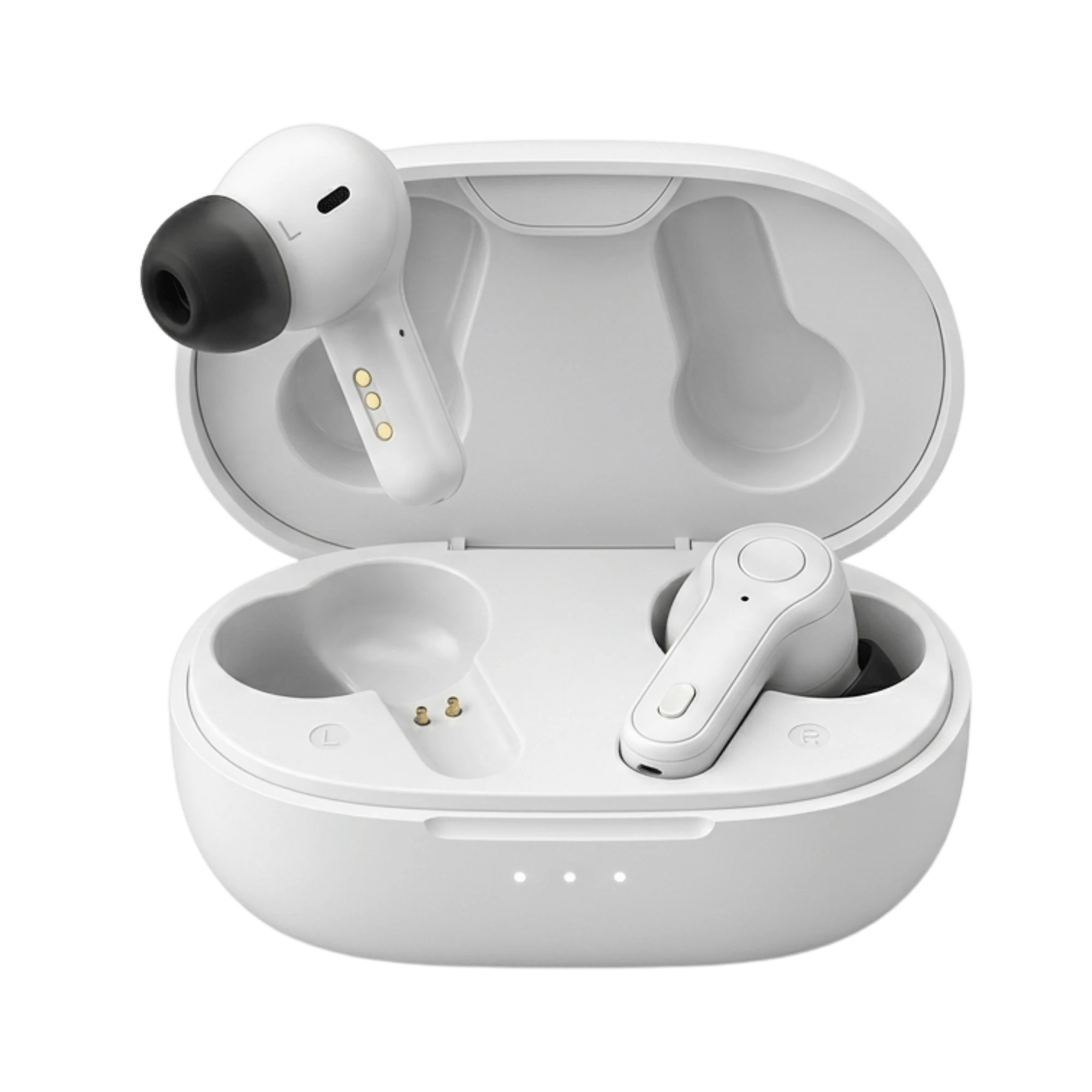
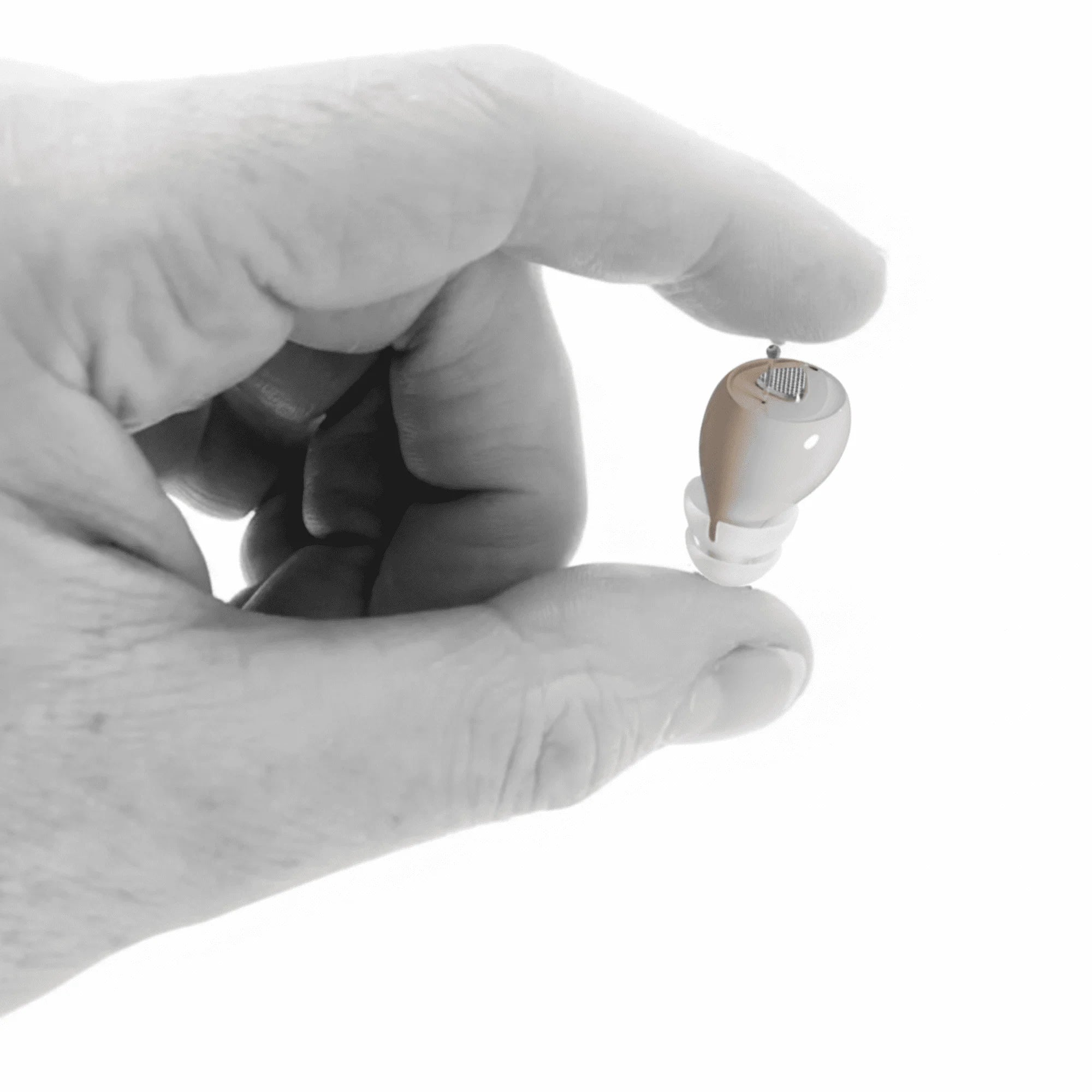
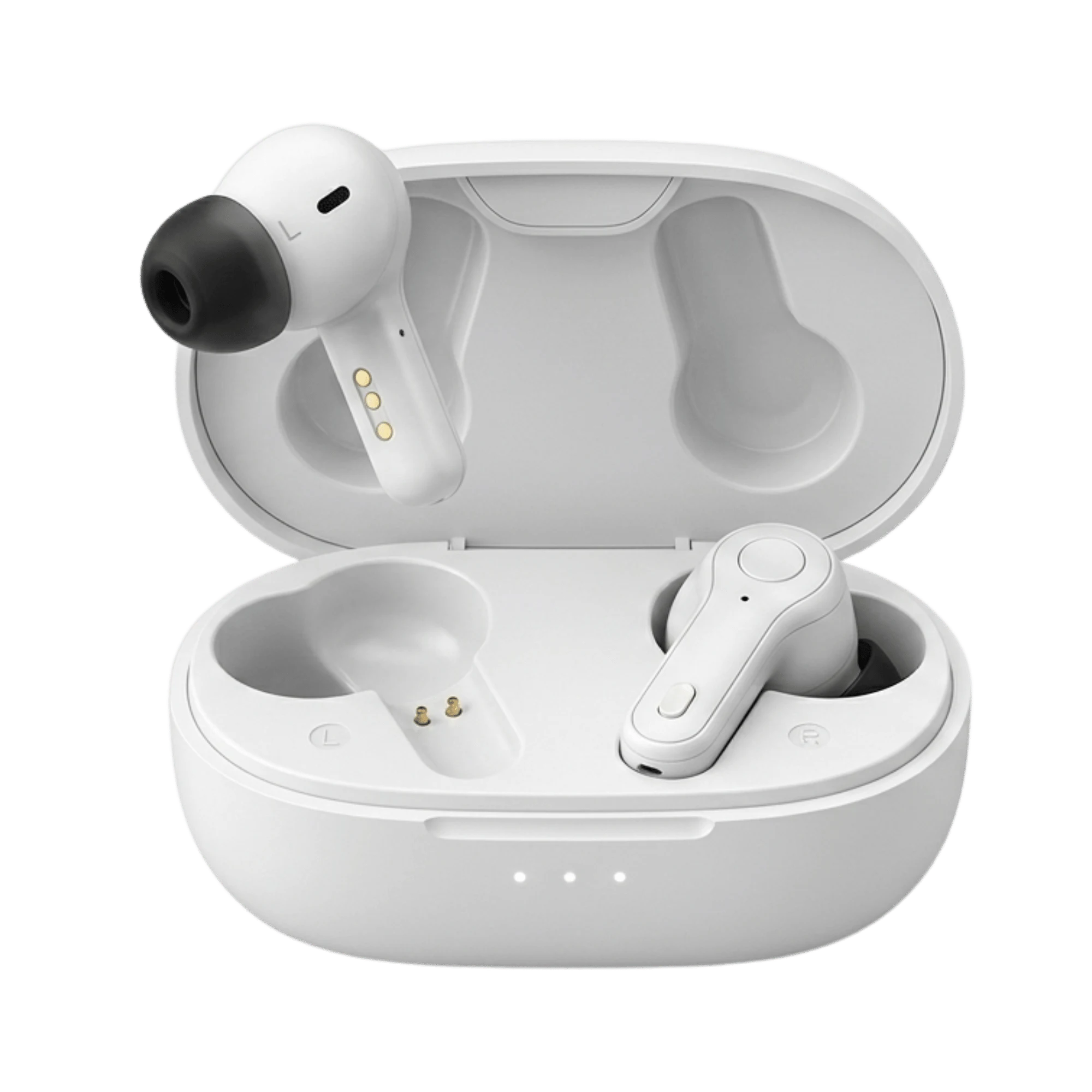
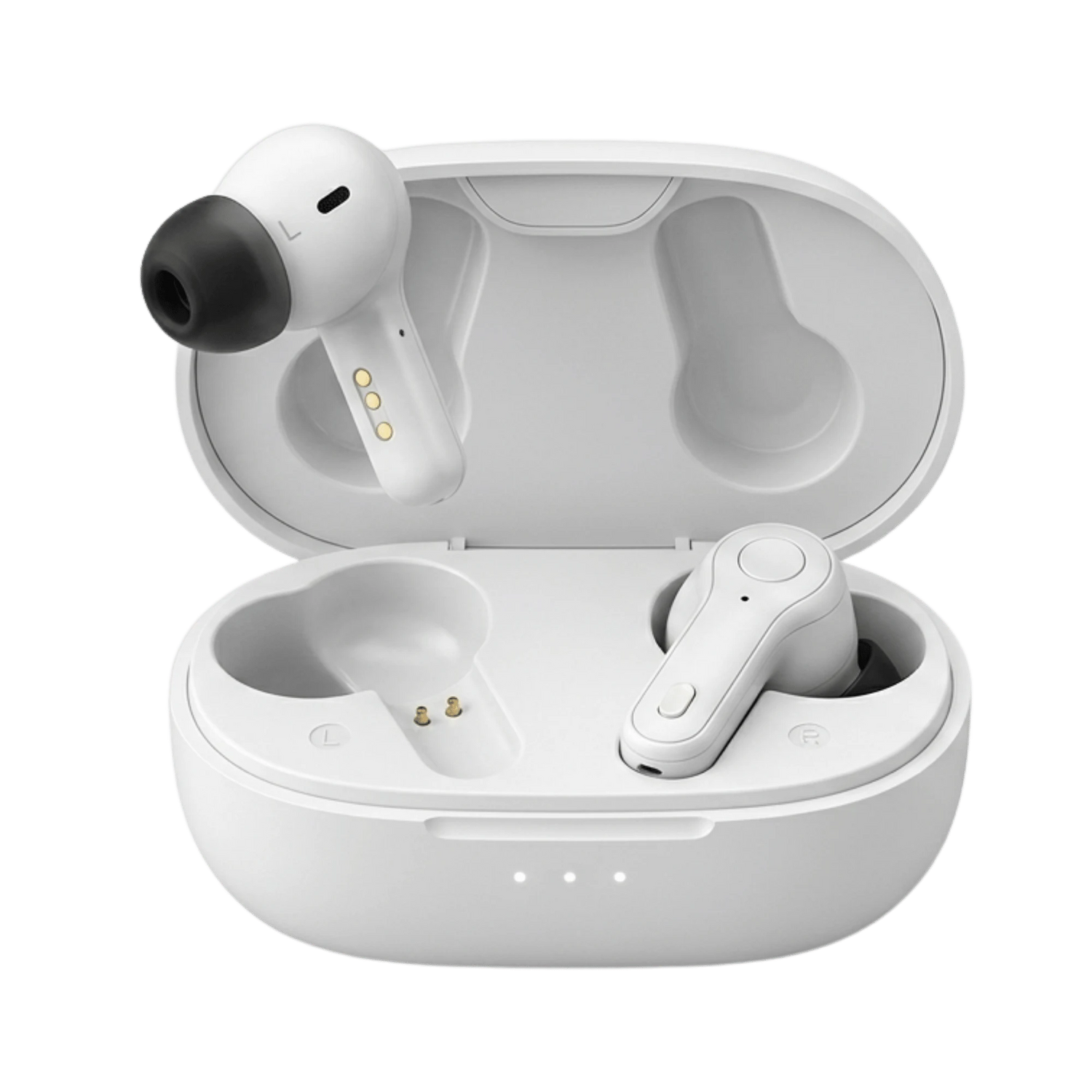
That is the gap newer over-the-counter devices are designed to narrow. The Panda Air is a self-fitting OTC hearing aid that a person can order and set up at home, without first booking a clinic visit. After it arrives, it pairs with the Panda app, which runs a frequency-specific hearing test through the device itself and then programs the gain and frequency response to match the listener's results, much like an audiologist would do at a clinical fitting.
For the mild to moderate hearing difficulty most people in this study described, that app-based hearing personalization keeps the first step small. The earbud-style Air offers 16-channel processing with adaptive noise reduction, a fast-charging case rated for about 60 hours, a 5-year warranty, and a 45-day return window, so trying it carries little risk. You can see it at https://pandahearing.com/products/panda-air. People with severe or profound loss still benefit most from a professional fitting.
Limitations of This Research
The study is cross-sectional, meaning it captures a single moment in time. It can show that awareness and behavior travel together, but it cannot prove that one causes the other. It is equally possible that taking action shifts how people see their own aging.
Help-seeking and hearing aid use were captured as yes or no answers, which cannot reflect how consistently a device is worn. The sample came from an app-based study and skewed toward women and toward milder hearing difficulty, so it may not represent everyone. The odds ratios, while statistically meaningful, were modest in size. Details of funding and competing interests were not specified in the database record reviewed here.
What to Do With This
If you or someone you love has been putting off dealing with hearing changes, this research offers a gentle reframe: naming the problem out loud is not surrender, it is the first practical move. A candid conversation with family, a check of your hearing, and a low-pressure way to try a solution can turn a long-delayed decision into a manageable one.
Koch J, Brady B, Zheng L, Wettstein M, Anstey KJ. Awareness of Age-Related Gains and Losses and Their Associations with Hearing-Related Health Behaviors in Midlife and Older Adulthood. Gerontology. 2026. Retrieved from PubMed. https://doi.org/10.1159/000552795