Hard to Reach: A National Analysis Finds Many Patients Forgo or Pay Out of Pocket for Specialized Balance Testing
A new analysis of Italy's public health system suggests the supply of specialized balance examinations falls short of what patients need, leaving many people to pay privately or go without.
Dizziness, vertigo, and unsteadiness are among the most common reasons older adults visit a doctor, and they are closely tied to the same inner ear that governs hearing. When the balance system is involved, specialized vestibular tests help clinicians find the cause and lower the risk of falls. But those tests only help people who can actually get them.
A team of public health researchers set out to measure whether one national health system was supplying enough of these examinations, and what happens to patients when the supply runs short. Their answer points to a problem that reaches well beyond balance care and into hearing care as well.
About This Study
Title: Balance Disorders: Insufficient Supply of Vestibular Examinations by the Italian National Health Service, 2021-2023
Authors: Luciano Bubbico, Giuseppe Mastrangelo, Fabio Barbone, Luca Cegolon
Affiliations: Hearing Loss Research Group, Department on Sensorineural Disability, National Institute of Public Policy (INAPP), Rome; University of Padua; Inter-Departmental Center for Medical Sciences, University of Trento; Department of Medical, Surgical and Health Sciences, University of Trieste, and Public Health Unit, ASUGI, Trieste, Italy
Journal and date: Healthcare (Basel), published June 1, 2026
Study type: Ecologic (population-level) observational study using regional administrative data, with logistic and linear regression
PubMed and DOI: https://doi.org/10.3390/healthcare14111544
Background: Why the Researchers Looked at This
Vestibular examinations are tests of the body's balance system. The researchers divided them into two groups. First-level tests are clinical evaluations a specialist performs by observing how a patient's eyes and posture respond to movement. Second-level tests are instrumental, meaning they use equipment to record involuntary eye movements known as nystagmus or to measure responses to controlled rotation. Second-level tests are more detailed, and they are also more costly to provide.
In Italy, the public system is supposed to guarantee a defined set of services known as essential levels of care. The authors used regional scores for access to those essential services as a way to ask a pointed question: does each region actually deliver enough vestibular testing, and does delivery track with how well the region provides care overall? Because falls and untreated dizziness carry real consequences for older adults, gaps in this kind of testing are not a minor inconvenience.
How the Study Was Done
Rather than following individual patients, the researchers treated each Italian region as a unit of observation, an approach called an ecologic study. For the years 2021 through 2023, they estimated how many first-level and second-level vestibular tests were performed per 100,000 residents in each region and each year.
To gauge how willing each region was to move a patient from a basic check to a more detailed instrumental test, they calculated the odds of receiving a second-level test and analyzed those odds with logistic regression. They then used linear regression to see whether a region's overall access-to-care scores predicted how many vestibular tests it supplied. This let them connect the raw volume of testing to broader measures of healthcare access and social inequality.
What the Researchers Found
Across the three years, basic first-level assessments were by far the most common vestibular tests performed. The supply of those basic evaluations did not line up with any of the access-to-care indicators, suggesting they were offered fairly evenly regardless of how well a region performed otherwise.
The more detailed instrumental tests told a different story. Their availability fell as social inequality rose, and it climbed in regions with better access to hospital care. In other words, the costlier and more informative tests were the ones most likely to be missing where resources were already stretched.
Willingness to refer a patient onward to a second-level test declined steadily from 2021 to 2023, and it varied sharply by region. Using one northern region as the reference point, almost every other region referred patients at lower rates. Only two areas stood out for referring more often, with one of them showing nearly five times the odds of a second-level referral.
Putting the numbers together, the authors estimated that more than 66 percent of patients were effectively forced either to skip a vestibular evaluation altogether or to seek it from private providers and pay out of pocket. The shortfall was widest for the expensive instrumental tests, and it fell hardest on regions marked by social inequality. The authors note that a national recovery plan has earmarked roughly 20 billion euros for healthcare, which they frame as an opportunity to close gaps like these.
What It Means for People with Hearing Loss
Balance care and hearing care share an organ, a set of specialists, and, as this study shows, a set of access barriers. When a health system cannot supply enough specialized testing, patients who can afford to pay privately get evaluated and those who cannot are left waiting. The same dynamic plays out in hearing care, where cost and limited access have long kept many people from getting help.
The takeaway is not that testing is unimportant. It is the opposite. Specialized evaluation matters, and the people most likely to go without are those already facing the steepest economic and social hurdles. That is why developments that lower the price and remove unnecessary steps for the most common, straightforward needs can matter so much for access.
Bringing Down the Cost Barrier to Hearing Care
This study looked at balance testing, not hearing aids, and hearing aids do not treat dizziness or vestibular problems. But the access and affordability gap it documents is exactly the barrier that newer over-the-counter hearing options were created to lower for one common need: age-related hearing loss. When the traditional path runs through specialist visits that some people cannot afford or reach, self-fitting OTC hearing aids offer a more direct route for adults with mild to moderate loss.
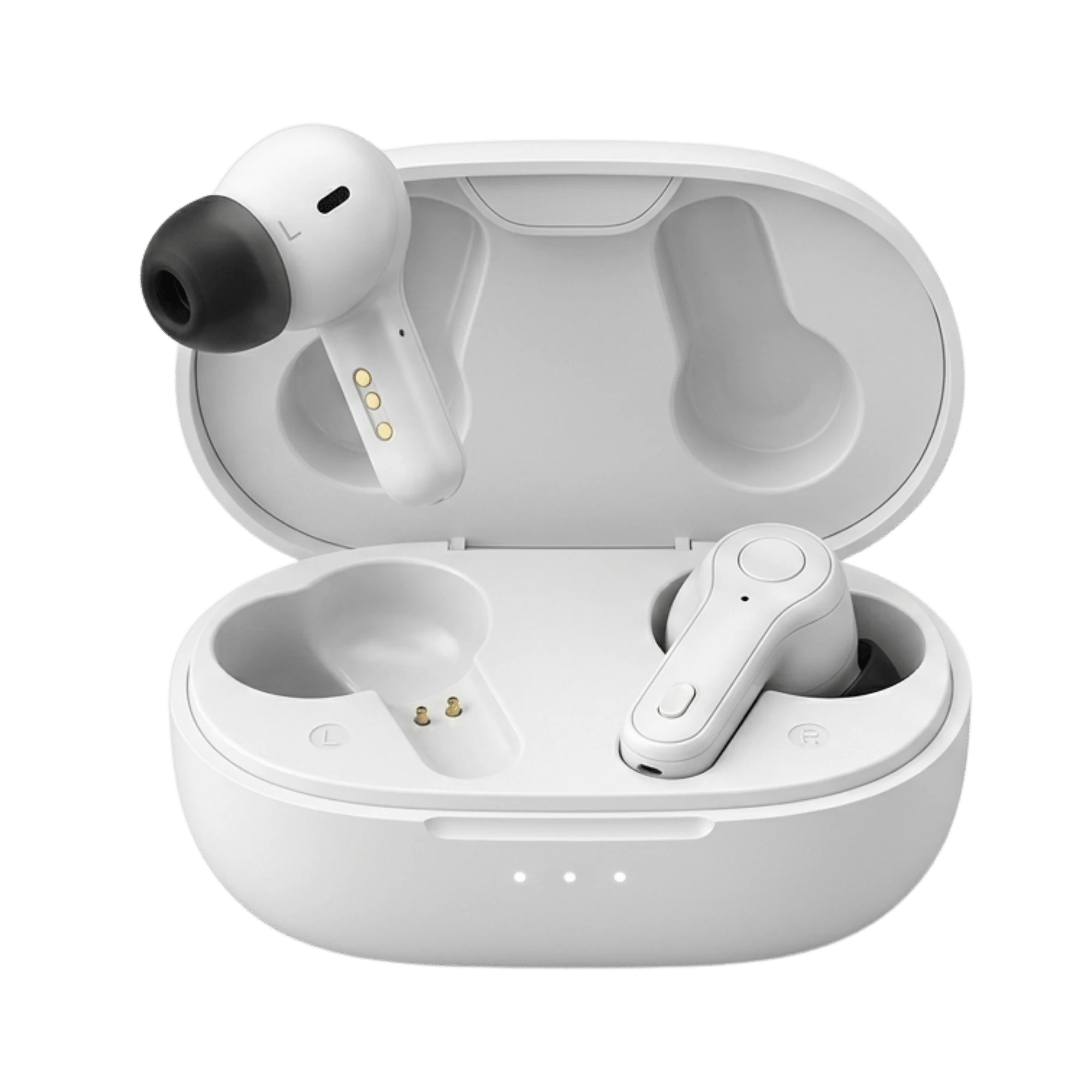
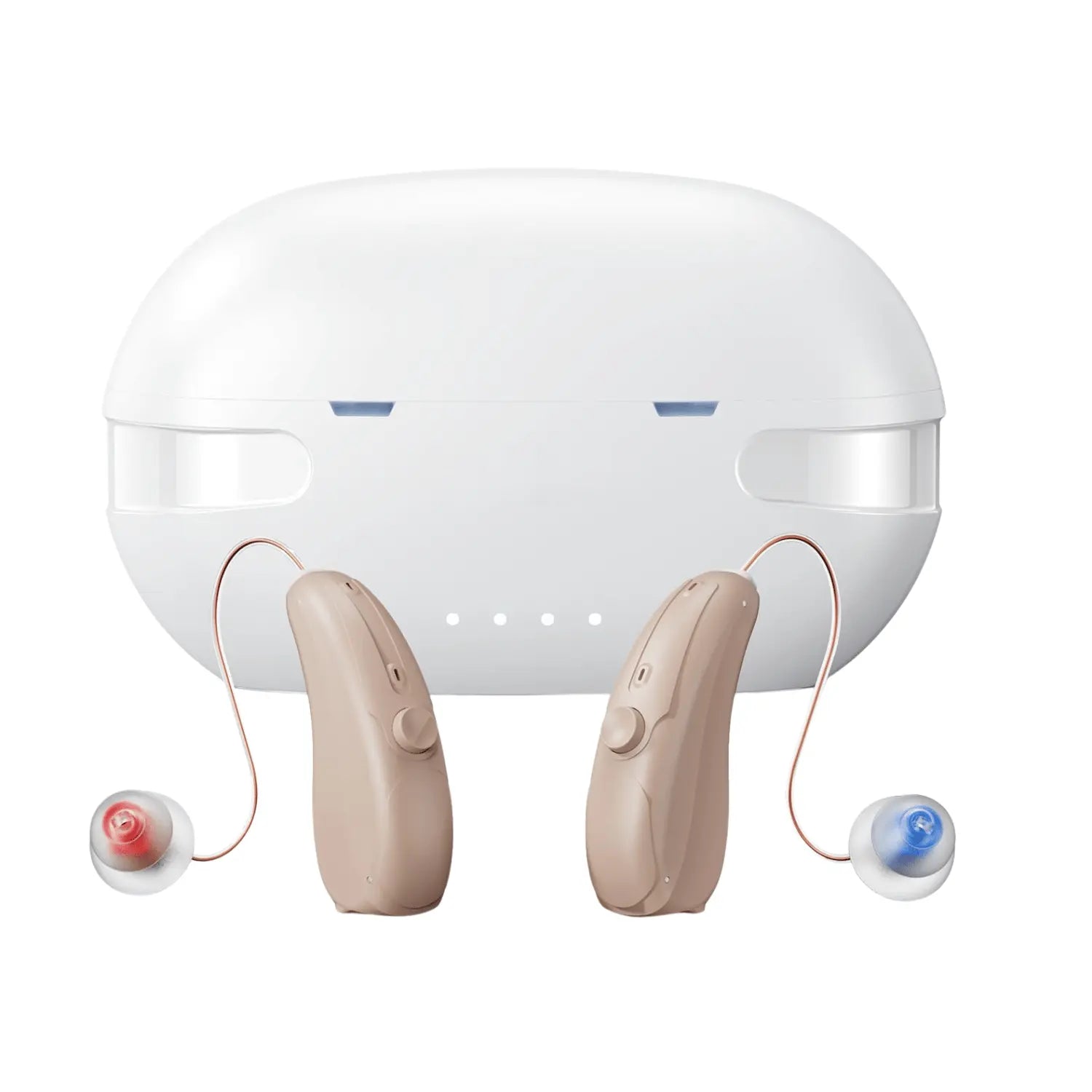
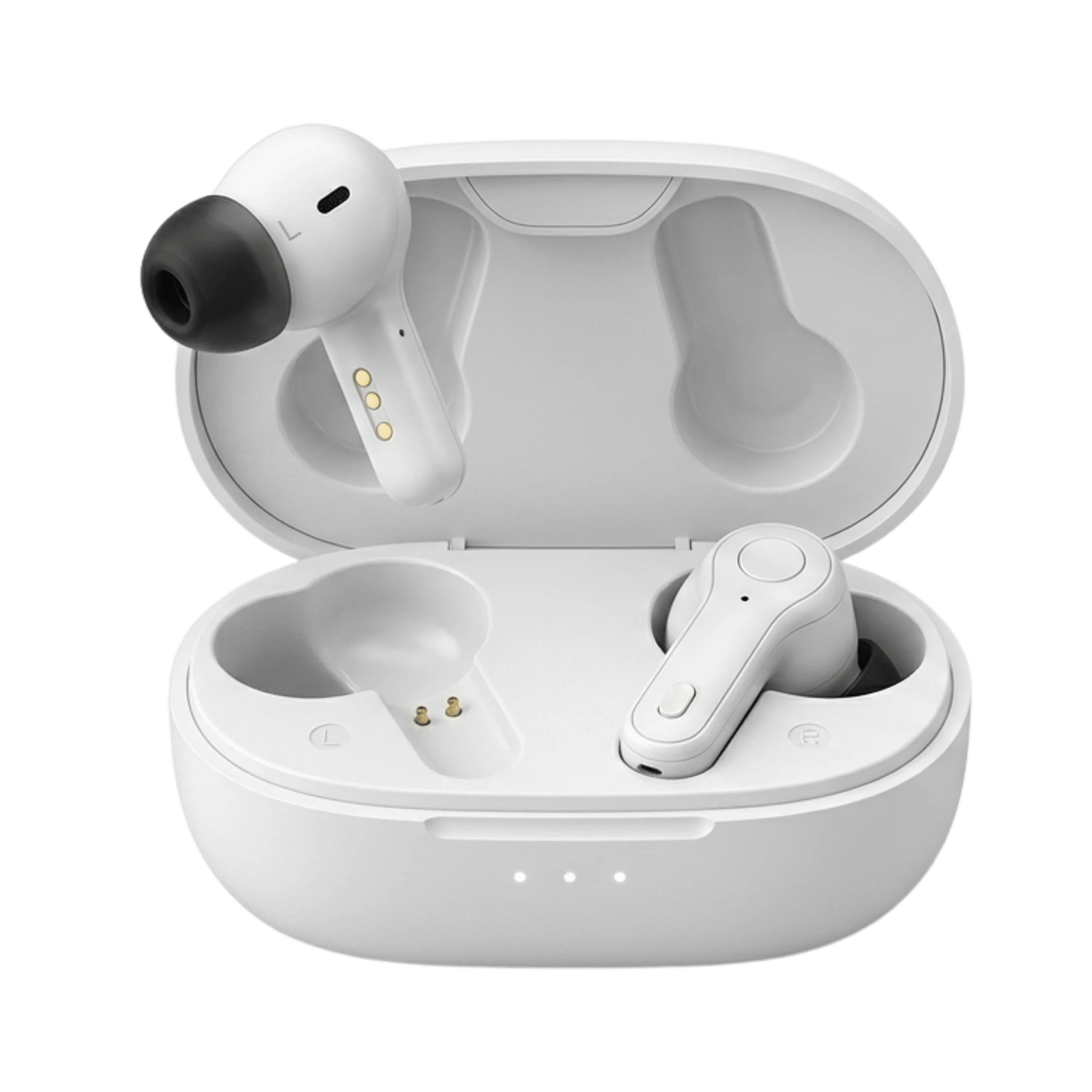
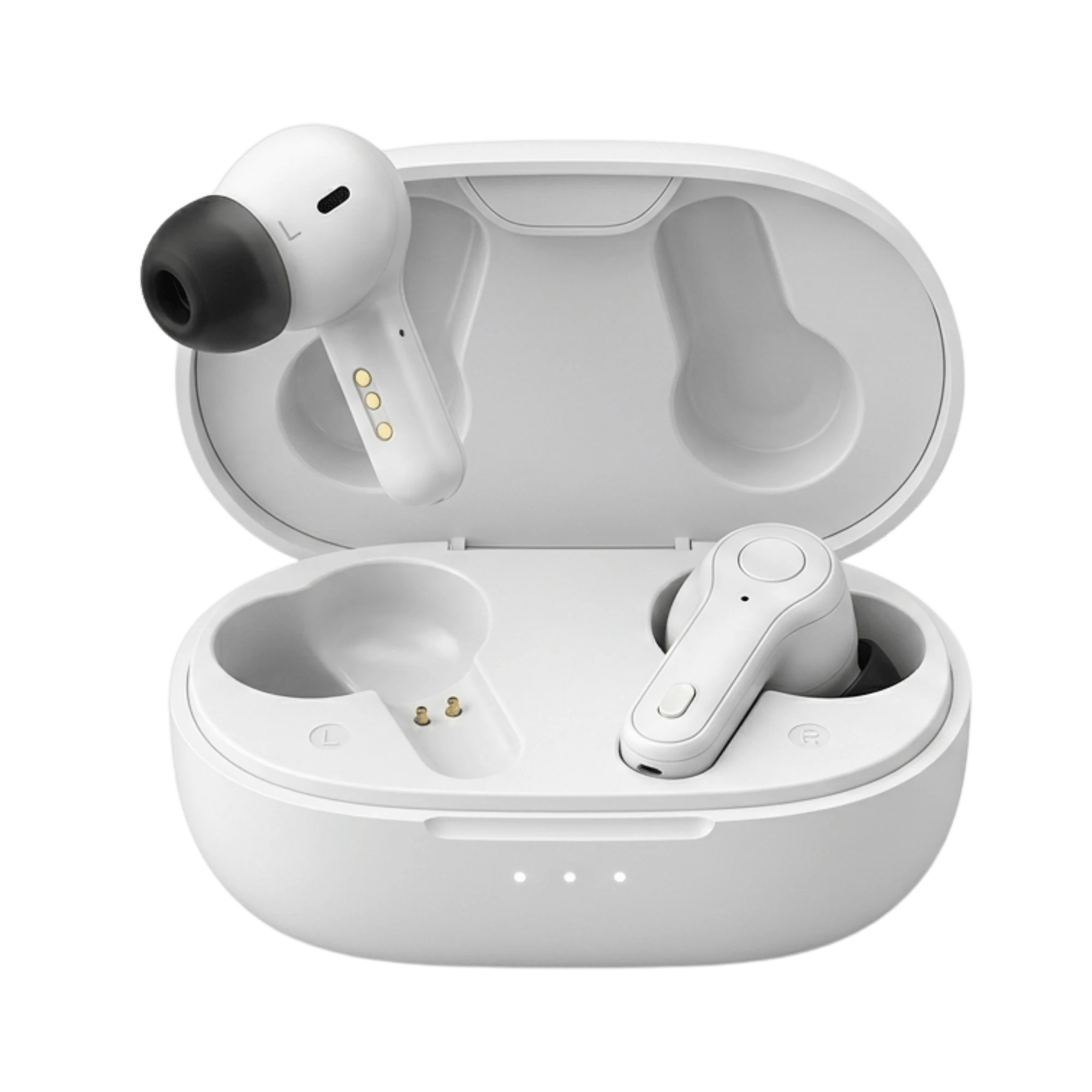
The Panda Air is one example of that approach. It is an earbud-style in-the-canal device with 16-channel wide dynamic range compression and multi-band adaptive noise reduction, a charging case that delivers up to 60 hours of fast-charging power, a 5-year warranty, and a 45-day return window. What makes it relevant to the access question is its app-based personalization. After the device arrives, the wearer pairs it with the Panda app, which runs a frequency-specific hearing test through the hearing aid itself and then programs the device's gain and frequency response to match the result, similar to what an audiologist does at a clinical fitting. For someone who would otherwise face a long wait or an out-of-pocket bill, that app-tuned, self-fitting process removes a real hurdle.
It is worth being clear about the limits. Over-the-counter devices are intended for adults with mild to moderate hearing loss, and people with severe or profound loss still benefit most from a clinical fitting. Anyone with dizziness, sudden changes, or hearing that is clearly worse in one ear should see a professional rather than self-treat, because those are signs that call for evaluation.
Limitations of This Research
Because this is an ecologic study, it compares regions rather than individuals, so it cannot prove that any one patient went without care for a specific reason. The estimate that two-thirds of patients forgo or pay for testing is modeled from aggregate supply data rather than counted person by person, and the findings are specific to Italy during 2021 through 2023, a period shaped by pandemic-related strain on health systems.
The available record does not include a detailed funding or conflict-of-interest statement, and the lead author is affiliated with a public policy institute focused on sensorineural disability. As with any single national analysis, the broad pattern is more reliable than any single number, and the results would need confirmation in other settings before being generalized.
Where This Leaves Us
Access and affordability quietly decide who gets help for the inner ear and who does not, and the people most often left out are those already facing the greatest disadvantage. The practical lesson is to lower the barriers wherever it is safe to do so, by funding public services for the cases that need specialists and by making straightforward, lower-cost paths available for the common needs that do not. If you have noticed changes in your own hearing or balance, the worst option is to wait in silence.
Bubbico L, Mastrangelo G, Barbone F, Cegolon L. Balance Disorders: Insufficient Supply of Vestibular Examinations by the Italian National Health Service, 2021-2023. Healthcare (Basel). 2026. Retrieved from PubMed. https://doi.org/10.3390/healthcare14111544