Hearing Loss at Work: What a New Scoping Review Reveals About the Invisible Disability
A new scoping review of 34 studies finds that hearing loss on the job carries a hidden weight, from daily fatigue to the difficult decision of whether to tell anyone at all.
Hearing loss is one of the most common health conditions among working adults, yet it rarely enters conversations about workplace health and safety. Because it cannot be seen, colleagues and managers often have no idea that a coworker is straining to follow a meeting, a phone call, or a quick exchange in a noisy hallway.
As more organizations work to make their workplaces inclusive for people with disabilities, hearing loss has remained surprisingly under-recognized. A research team set out to gather what is actually known about how employees with hearing loss cope on the job, and what employers can do to help.
About This Study
Title: Work Disability and Rehabilitation in Workers with Hearing Loss: A Scoping Review
Authors: Trishna Chauhan, Dialechti Tsimpida
Affiliations: School of Medicine and Dentistry, University of Lancashire, UK; Division of Public Health and Epidemiology, College of Life Sciences, University of Leicester, UK
Journal and date: Journal of Occupational Rehabilitation, June 2026
Study type: Scoping review of 34 studies (PRISMA-ScR)
PubMed and DOI: https://doi.org/10.1007/s10926-026-10415-6
Background: Why the Researchers Looked at This
A scoping review is a structured way of mapping a research field. Rather than testing a single treatment, the authors gathered a wide range of existing studies to identify the main themes, gaps, and patterns across them. The approach is useful when a topic is broad and the evidence is scattered across different countries and professions.
Hearing loss is sometimes called an invisible disability because it carries no obvious outward sign. That invisibility cuts both ways. It can spare a person from snap judgments, but it can also leave their daily struggle unacknowledged, which makes asking for support harder.
Occupational health, the field that studies how work affects wellbeing, has historically paid far more attention to hazards like noise exposure than to the lived experience of employees who already have hearing loss. The authors wanted to help close that gap.
How the Study Was Done
The researchers followed a recognized method for scoping reviews known as PRISMA-ScR, which lays out clear steps for searching, screening, and reporting. They searched three large research databases, Scopus, PubMed/MEDLINE, and Web of Science, for studies published between 2010 and 2025.
Studies were eligible if they examined hearing loss in relation to work participation or occupational health outcomes. After screening, 34 studies met the criteria. They spanned a range of countries and job settings, from desk-based offices to hands-on trades.
The team then used thematic analysis, a process of grouping findings into recurring ideas, to bring the separate studies together into a smaller set of shared themes.
What the Researchers Found
Four connected themes emerged. The first concerned the personal strategies employees use to manage hearing loss at work. These included specific communication tactics and, notably, the delicate question of whether to disclose the condition to managers and coworkers at all.
The second theme was workplace accommodations. These ranged from assistive technology and changes to the physical environment to training and broader organizational efforts, along with the sense of social connection at work. The review repeatedly found a gap between what policies promise and what actually happens day to day.
The third theme covered health and wellbeing. Employees with hearing loss reported psychosocial strain, fatigue tied to the constant effort of listening, a heightened need to recover after the workday, struggles with identity, and ongoing occupational stress.
The fourth theme pulled the evidence into recommendations aimed at three levels at once: the individual, the organization, and policy. The authors argued that meaningful change requires action across all three, not just one.
Taken together, the review portrays hearing loss at work as a manageable challenge that is too often left unmanaged, with practical supports available but applied inconsistently.
What It Means for People with Hearing Loss
For employees, the review validates an experience that can feel isolating. The exhaustion that follows a day of hard listening is real, and it has been documented across many studies, not merely felt by one person here and there.
It also highlights that small, practical steps can make a difference, from clearer communication habits among colleagues to the right assistive technology. The barrier is often not whether help exists, but whether it is offered and used.
For employers, the message is that recognizing hearing loss as a legitimate occupational health issue, rather than a private matter, is the first step toward keeping experienced staff productive and well.
Why Discreet Hearing Aids Matter When Disclosure Feels Risky
One of the review's most striking findings is how much energy workers spend deciding whether to reveal their hearing loss at all. The worry of being seen as less capable keeps many people from seeking the very support that would help them most.

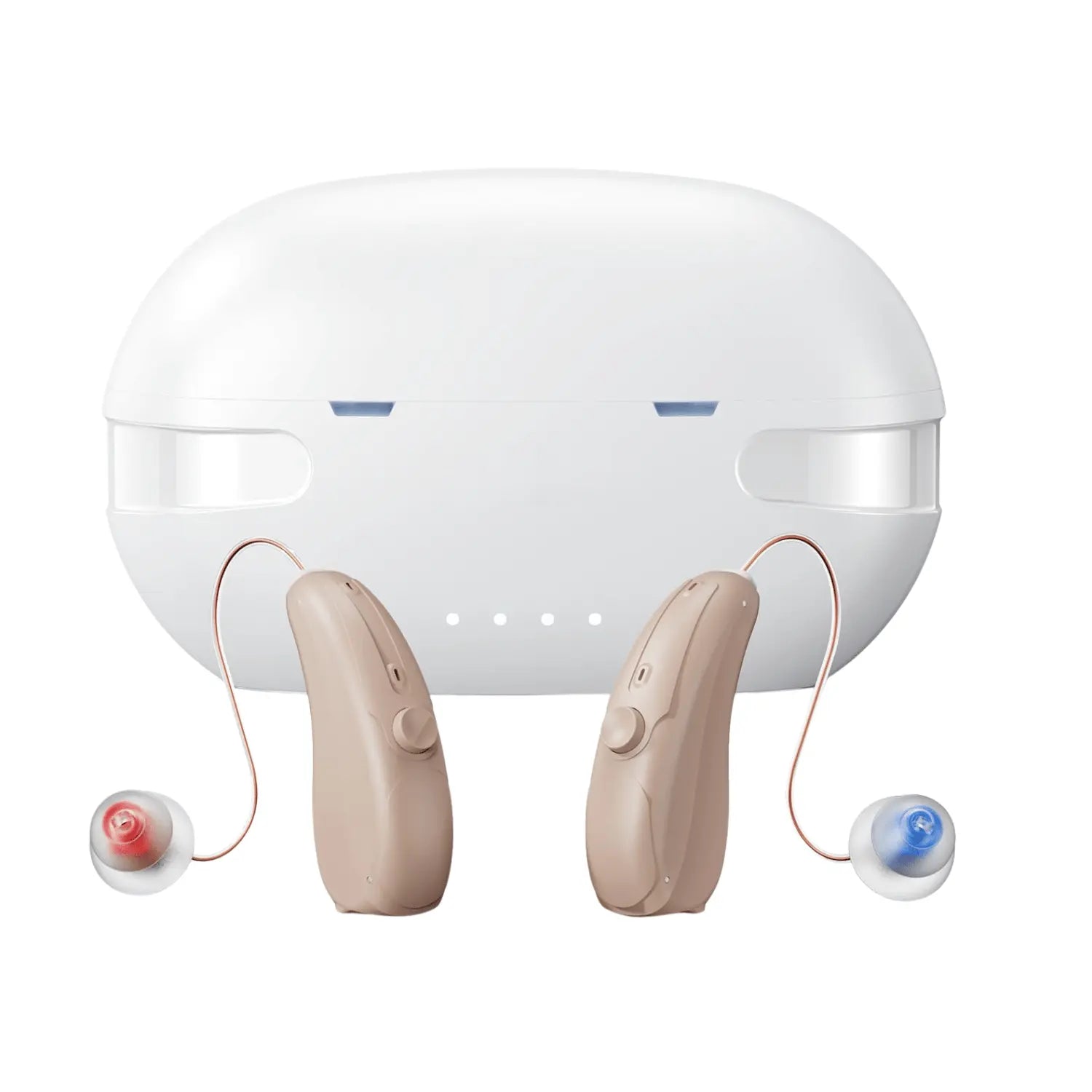
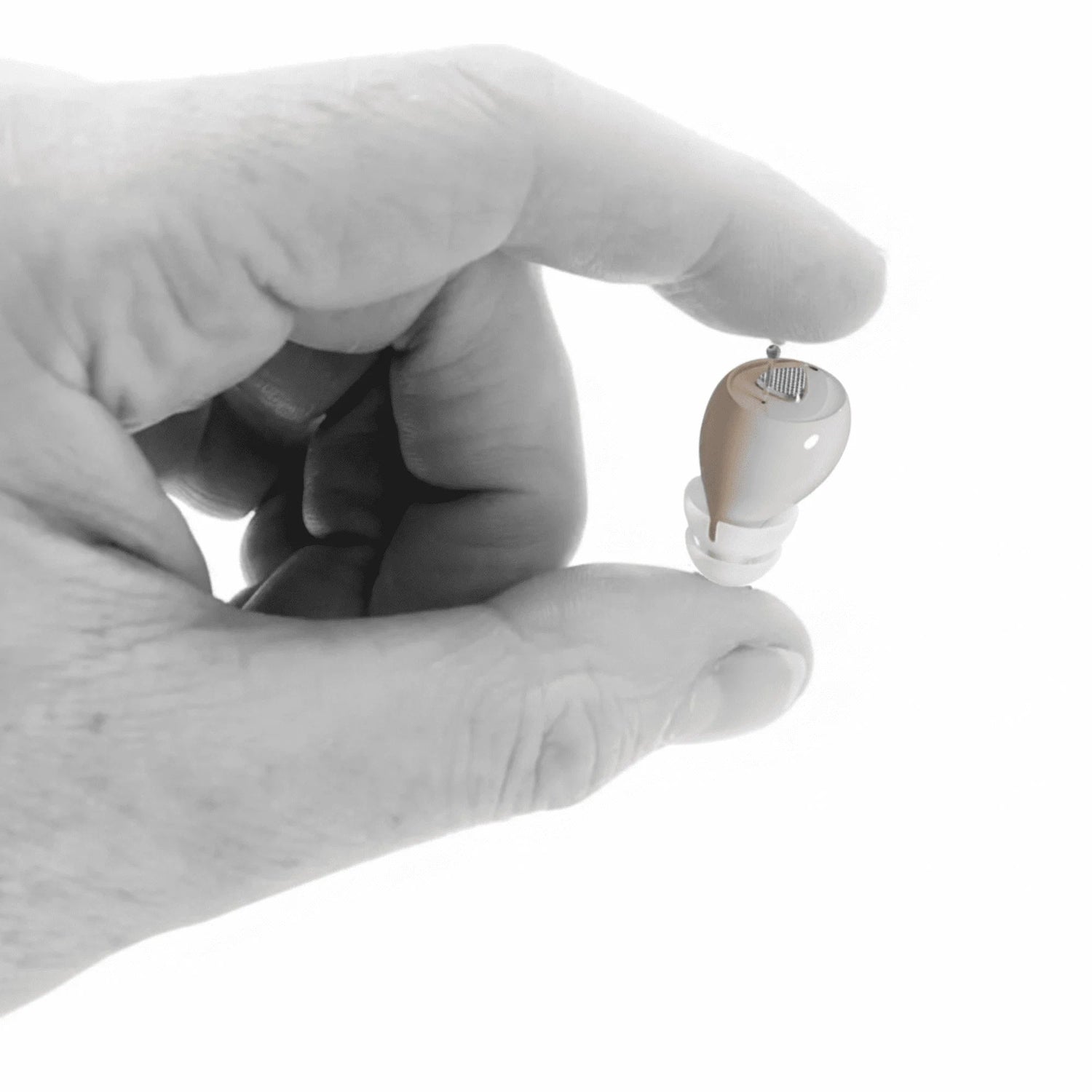
That is part of why discreet hearing aids appeal to people who are not ready to make their hearing loss visible. The Panda Stealth is built around exactly this need. At roughly 2.3 grams it sits out of sight inside the ear canal, so a wearer can follow a meeting more easily without signaling anything to the room. For someone weighing the disclosure question this review describes, a nearly invisible OTC hearing aid can make that choice feel far less stark.
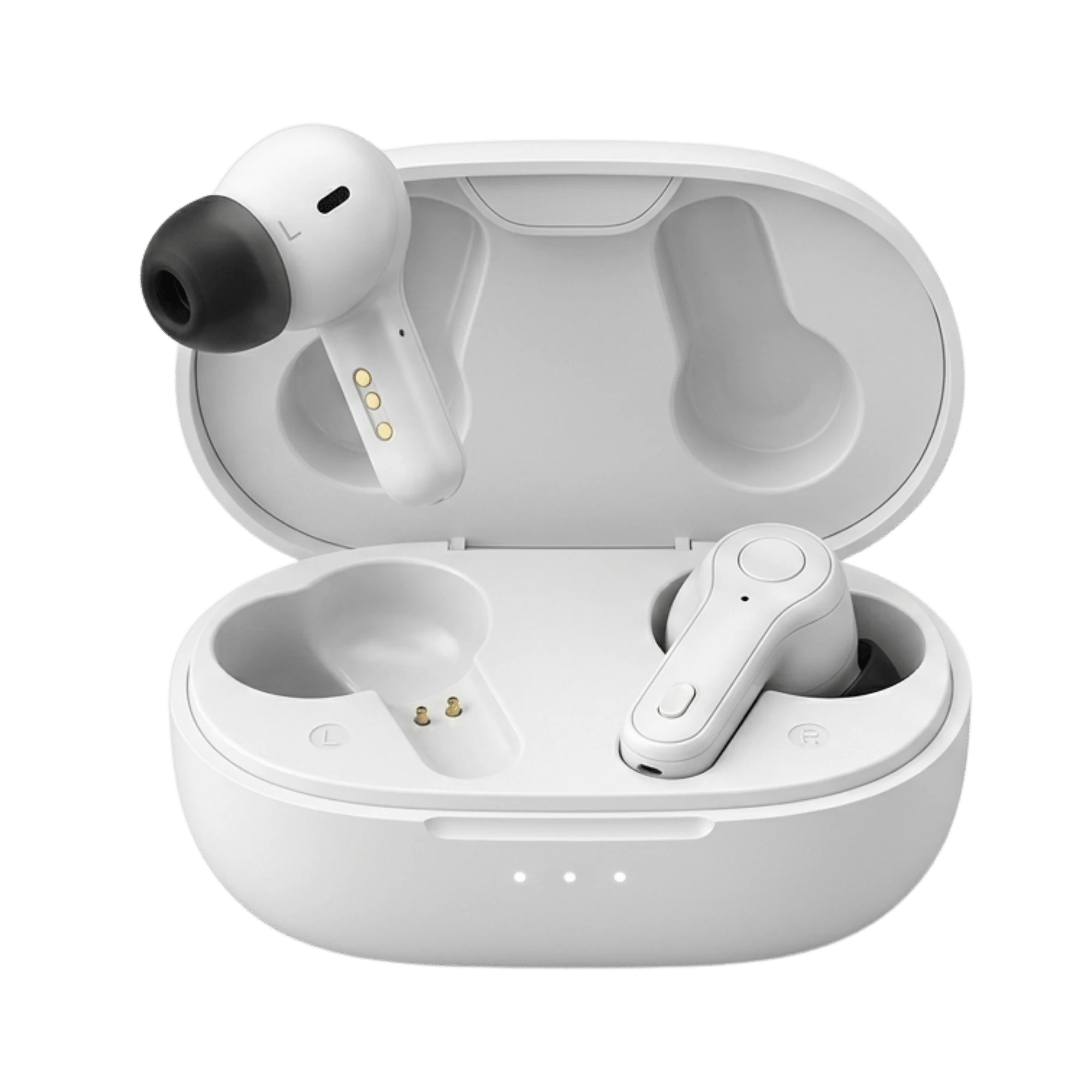
The Stealth uses 12-band smart noise reduction to lift speech out of background sound, and its charging case doubles as a wireless remote. It is a plug-and-play, no app hearing aid, which suits people who simply want help without extra setup. It carries a 5-year warranty and a 45-day return window, so trying it at work involves little risk. You can see it at https://pandahearing.com/products/panda-stealth. Over-the-counter devices like this are intended for mild to moderate hearing loss; people with more significant loss still benefit most from a professional fitting.
Limitations of This Research
Because this is a scoping review, it maps the evidence rather than measuring how well any single accommodation works. It cannot say, for example, exactly how much a given workplace change improves wellbeing.
The included studies came from varied countries and professions, which is a strength for breadth but means the findings are not uniform. The authors also noted that evidence from low- and middle-income settings is sparse, so the overall picture is weighted toward wealthier countries. Details of study funding and competing interests were not specified in the database record reviewed here.
Where This Leaves Us
The review makes a quiet but important case: hearing loss at work deserves the same attention as other occupational health issues. Whether the next step is a frank conversation with an employer, a small change to how a team communicates, or a personal device that restores everyday clarity, the evidence suggests that acting early beats pushing through in silence.
Chauhan T, Tsimpida D. Work Disability and Rehabilitation in Workers with Hearing Loss: A Scoping Review. Journal of Occupational Rehabilitation. 2026. Retrieved from PubMed. https://doi.org/10.1007/s10926-026-10415-6