Hearing and Mood Are Linked: A Trial on Sudden Hearing Loss, Anxiety, and Depression
A randomized trial in China reports that patients with sudden hearing loss who also had anxiety or depression recovered more hearing, and felt better emotionally, when a structured acupuncture therapy was added to their standard medication.
Sudden sensorineural hearing loss, often shortened to SSNHL, is a rapid and frequently unexplained drop in hearing that usually affects one ear. Doctors treat it as a medical emergency, because getting care quickly gives the best chance of recovery. Many people who go through it also describe intense worry or low mood, partly because the loss arrives with no warning.
Standard treatment leans on medication, but drugs do not always restore hearing or ease the emotional strain that follows. Researchers in Hangzhou, China set out to test whether adding a structured form of acupuncture could help patients on both fronts at once.
Title: Comparison of therapeutic results with and without additional electroacupuncture therapy in sudden sensorineural hearing loss with anxiety or depression: A randomized controlled trial
Authors: Jiali Lou, Guoli Zhang, Wei Zhang, Ling Ye
Affiliations: The First People’s Hospital of Xiaoshan District, Xiaoshan Affiliated Hospital of Wenzhou Medical University, Hangzhou, Zhejiang, China
Journal: Pakistan Journal of Pharmaceutical Sciences, 2026;39(10):3158-3166
Study type: Randomized controlled trial
Reference: PubMed, doi.org/10.36721/PJPS.2026.39.10.292.1
Background: Why the Researchers Looked at This
Electroacupuncture is a variation of traditional acupuncture in which a mild electrical current is passed between needles placed at specific points on the body. It has been studied as an add-on therapy for several conditions, including hearing disorders and mood problems, though the evidence remains mixed and the biological mechanism is not fully understood.
To measure mood, the researchers used two widely recognized clinical scales: the Hamilton Depression Rating Scale, abbreviated HAMD, and the Hamilton Anxiety Rating Scale, abbreviated HAMA. Higher scores indicate more severe symptoms, so a drop in the numbers signals improvement.
The study rests on a well-documented idea, that hearing and emotional wellbeing are closely tied. Losing hearing, especially suddenly, can trigger anxiety and low mood, and distress in turn can make the whole experience harder to cope with. The team wanted to see whether treating both together produced better results than treating hearing alone.
How the Study Was Done
The trial enrolled 78 patients who had sudden sensorineural hearing loss along with anxiety or depression. They were split evenly into two groups of 39. Both groups received the same standard drug therapy. One group additionally received electroacupuncture for seven days.
Before and after treatment, the researchers measured hearing using pure-tone audiometry, which checks the quietest sound a person can detect across a range of pitches from 0.25 to 8 kilohertz. They also recorded each participant’s HAMD and HAMA scores, so they could track changes in both hearing and mood side by side.
What the Researchers Found
Patients who received electroacupuncture alongside medication improved significantly at every frequency tested. Their hearing gains were also larger than those seen in the medication-only group across all frequencies, a difference the researchers reported as statistically significant, with p-values of 0.044 or lower.
The mood results moved in the same direction. In the group that received electroacupuncture, both depression and anxiety scores fell significantly after treatment. The medication-only group, by contrast, showed no meaningful change in either score. The authors concluded that combining the two approaches improved hearing recovery and eased psychological symptoms more than medication on its own.
In plain terms, the patients who got the added therapy tended to hear better and feel calmer, while those on drugs alone improved less on the hearing measures and largely held steady on mood. The researchers framed this as a possible synergy, where addressing hearing and emotional health together works better than tackling either in isolation.
What It Means for People with Hearing Loss
The first and most important point is practical. Sudden hearing loss is a medical emergency. Anyone who experiences a rapid drop in hearing should seek professional care right away, because early treatment matters and this is not a situation to manage at home.
Beyond that, the trial reinforces a link that applies far more broadly than sudden loss. Hearing and mood travel together. The much more common form of hearing loss, the gradual, age-related kind, is also associated with loneliness, withdrawal, and low mood when it goes unaddressed. Treating the hearing side of that equation can lift the emotional side too.
It is worth reading these particular results cautiously, as one small, single-center study of a specific therapy. But the underlying theme, that caring for hearing supports emotional wellbeing, is backed by a much larger body of research.
The Emotional Weight of Hearing Loss, and Why Waiting Costs More
This study’s core message is that recovering hearing and lifting mood can go hand in hand. For the everyday, gradual hearing loss that most people face, the same logic applies: the longer it goes untreated, the more it can chip away at confidence, conversation, and connection. One reason people put off getting help is that they do not want to wear something visible.

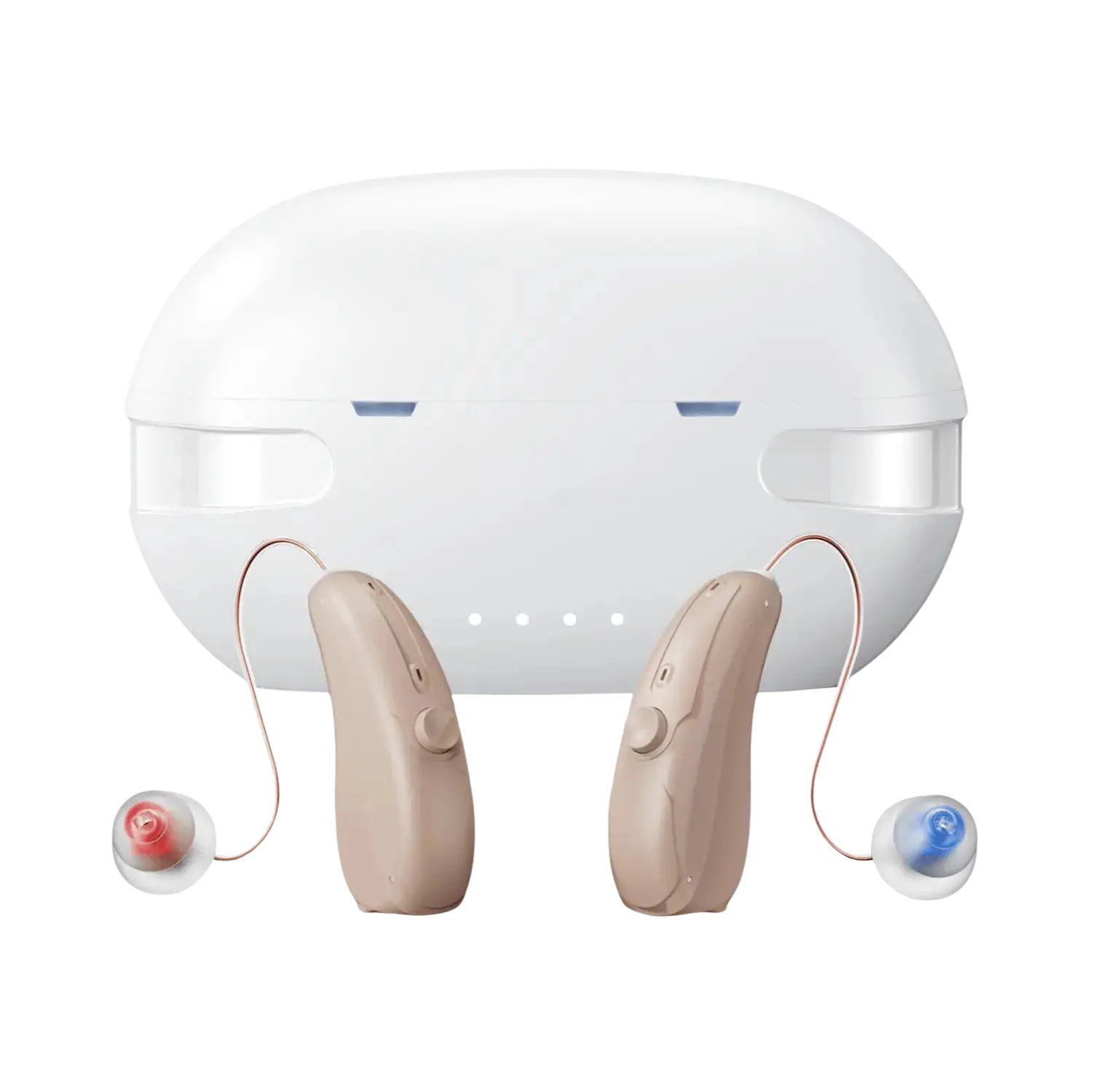
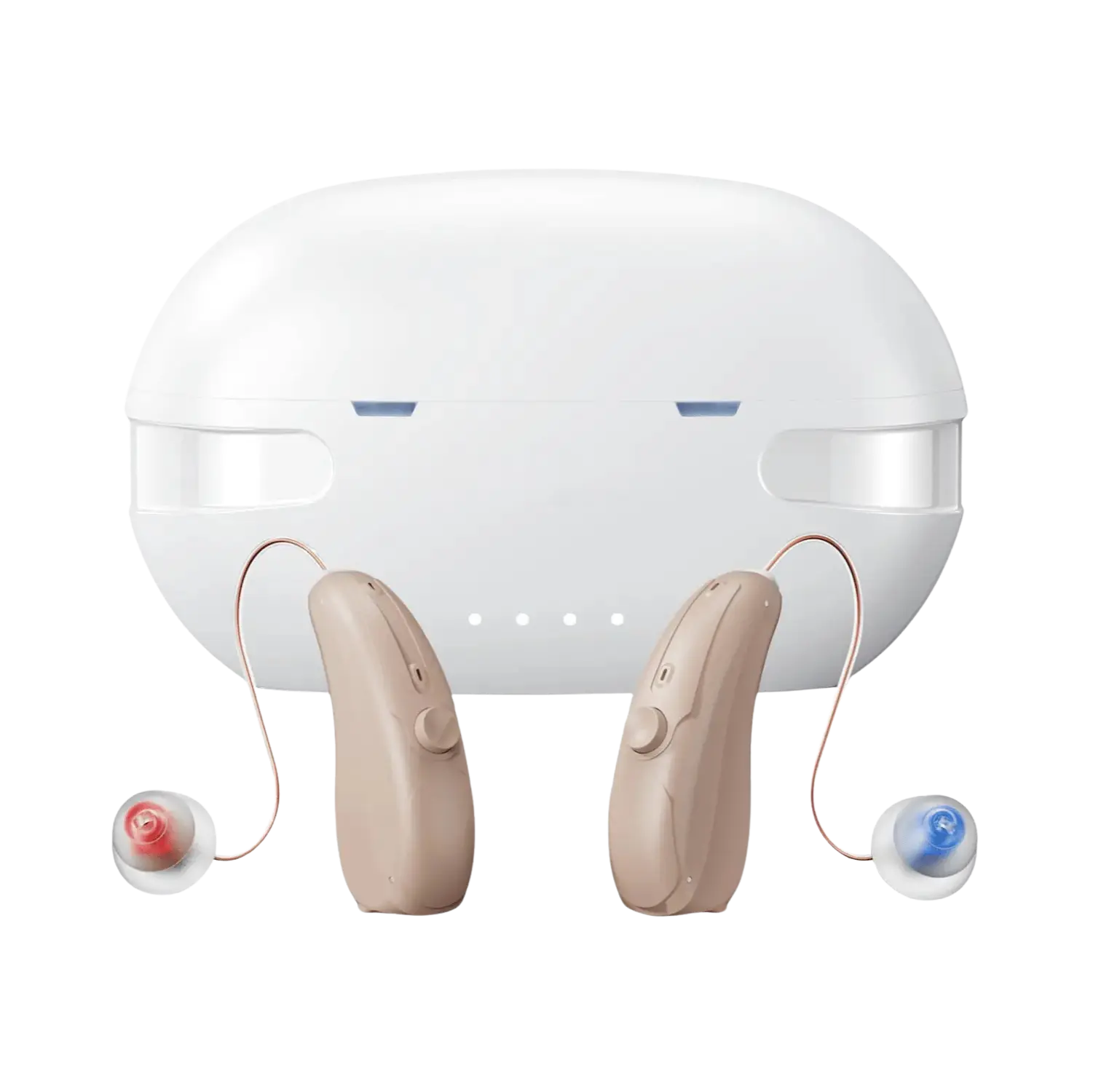
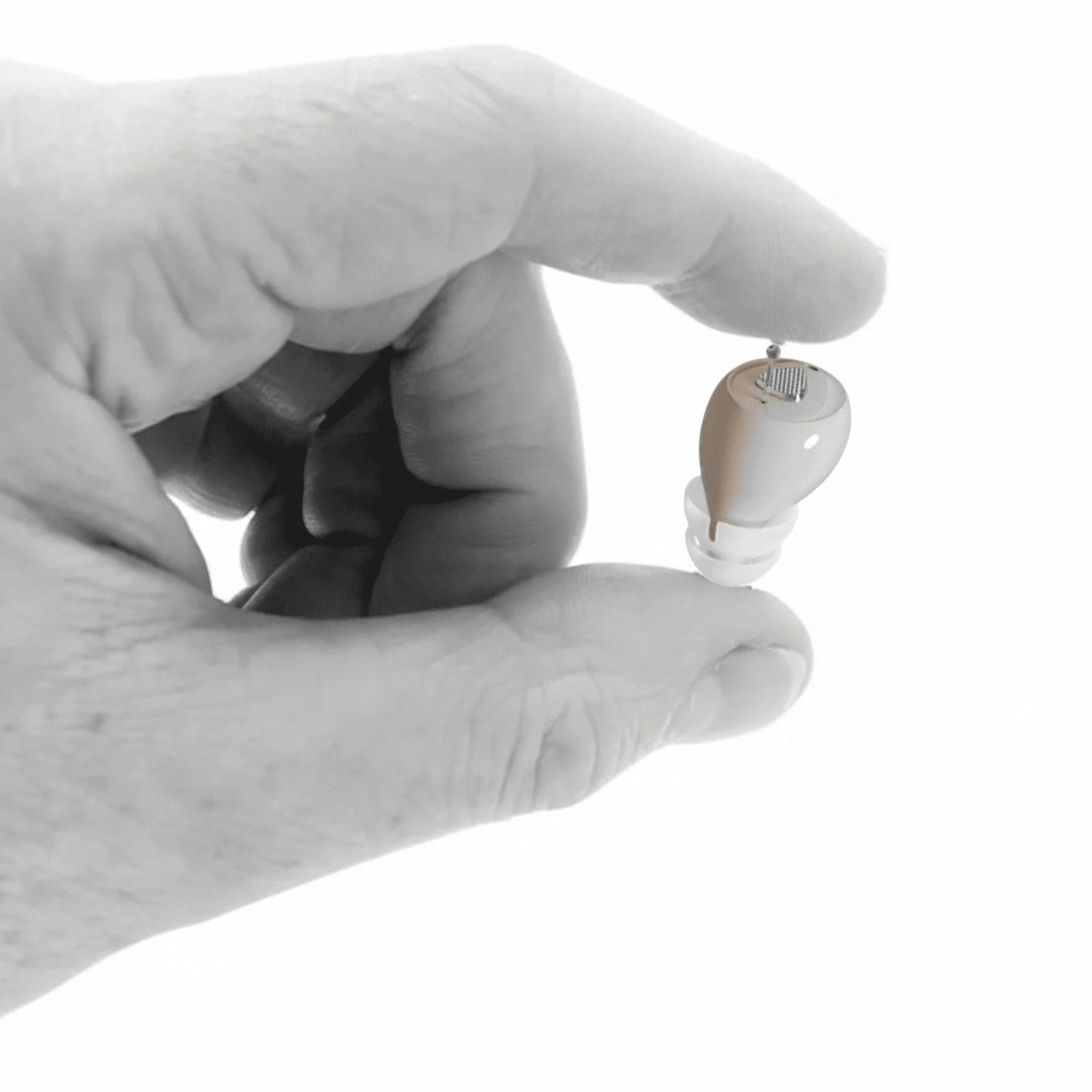
That is where discreet options can lower the barrier to acting sooner. Panda Stealth is a nearly invisible in-canal hearing aid that weighs just 2.3 grams and sits deep enough to be hard for others to notice. As one of the more discreet hearing aids available over the counter, it is designed for people who might otherwise wait because of how a device looks. It uses 12-band smart noise reduction to help with everyday listening, its charging case doubles as a wireless remote, and it comes with a 5-year warranty and 45-day returns, so it is easy to try at home.
One caveat matters here. Over-the-counter aids like this are cleared for mild-to-moderate, gradual hearing loss. Sudden hearing loss, or severe and profound loss, calls for prompt professional evaluation rather than a self-fitted device.
Limitations of This Research
This was a small trial of 78 patients at a single hospital, with a short seven-day treatment window and no long-term follow-up reported in the abstract. Those factors limit how far the findings can be generalized, and they leave open whether the benefits last beyond the study period.
The therapy itself, electroacupuncture, has a biological mechanism that is not fully established, and results for a specific group, patients with sudden loss plus anxiety or depression, may not carry over to other patients. Funding sources and any conflicts of interest are not stated in the abstract and would appear in the full paper. As with any single study, the findings would need to be repeated in larger, independent trials before firm conclusions could be drawn.
What to Do With This
If you or someone you know has a sudden change in hearing, treat it as urgent and get professional care quickly. For the slower hearing loss that creeps in with age, the practical lesson is not to let low mood or worries about appearance push the problem down the list. Addressing hearing loss is good for communication, and, as this and other research suggests, it can be good for how you feel too.
Lou J, Zhang G, Zhang W, Ye L. Comparison of therapeutic results with and without additional electroacupuncture therapy in sudden sensorineural hearing loss with anxiety or depression: A randomized controlled trial. Pak J Pharm Sci. 2026;39(10):3158-3166. Retrieved from PubMed. doi.org/10.36721/PJPS.2026.39.10.292.1