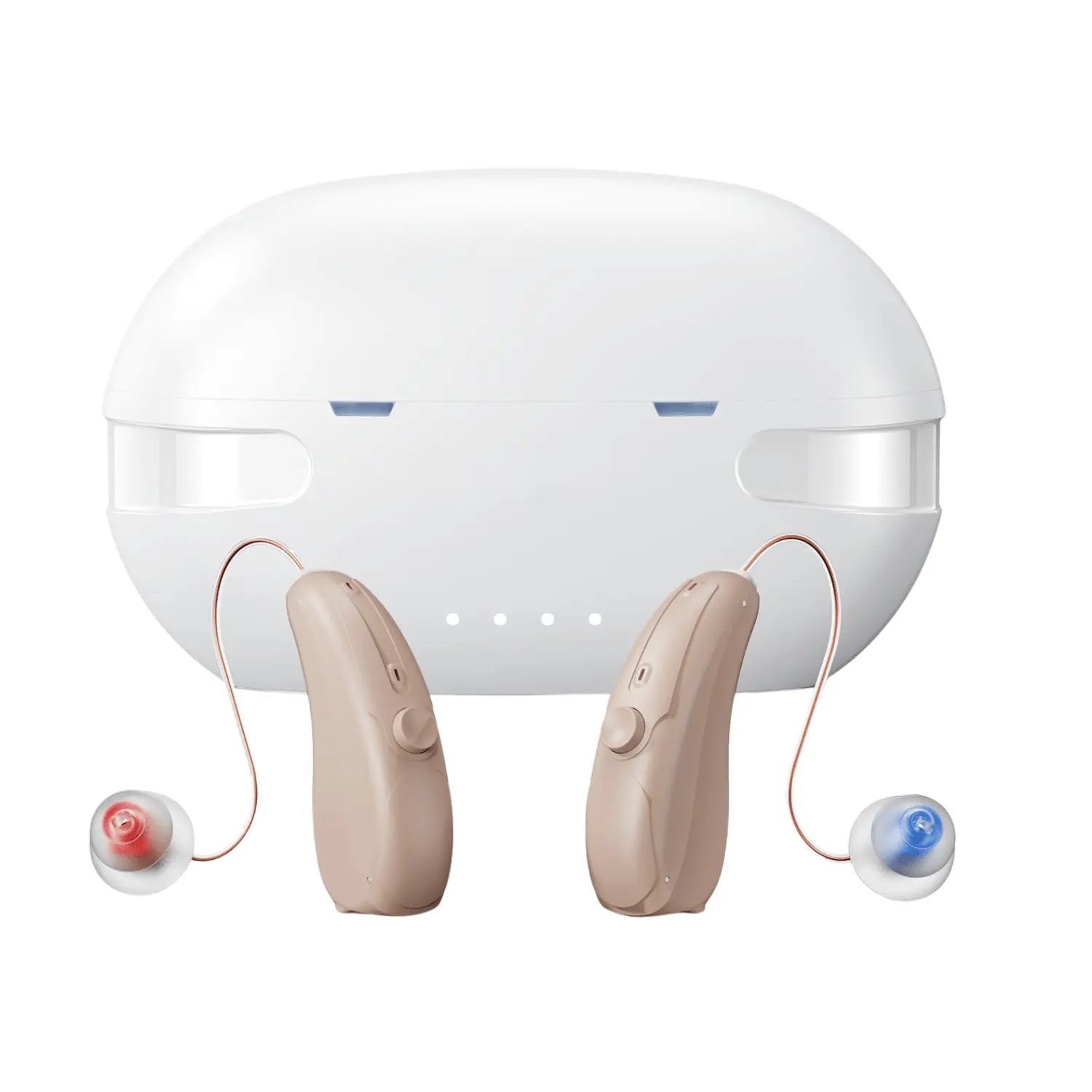
Seventy-eight older adults tried a real OTC hearing aid, and most of them said the biggest problem was not price but setup, support, and knowing what to expect.
The U.S. Food and Drug Administration approved over-the-counter (OTC) hearing aids in 2022 to lower the price barrier and let adults with mild to moderate hearing loss buy a device without visiting an audiologist. Nearly four years later, adoption is still modest, and researchers are trying to understand why so many older adults still hesitate to try the category.
A new qualitative study out of San Diego State University suggests that removing cost and the prescription requirement, on their own, are not enough. When older adults were handed a real OTC hearing aid and asked to set it up themselves, most of them ran into problems that had little to do with money and a lot to do with instructions, expectations, and support.
About This Study
Title: Perceptions of Over-the-Counter Hearing Aids: A Qualitative Study Informed by the Technology Acceptance Model
Authors: Coco L, Weeks T, Rodriguez C, Marvizon E, Villegas N, Stickel AM, Nguyen AL
Affiliations: School of Speech, Language, and Hearing Sciences, San Diego State University; Department of Psychology, San Diego State University; Herbert Wertheim School of Public Health, University of California San Diego
Journal: Journal of the American Academy of Audiology, May 2026
Study type: Qualitative descriptive study with semi-structured interviews after a hands-on device use task
Source: PubMed DOI 10.3766/jaaa.250056
Background: Why the Researchers Looked at This
Age-related hearing loss is one of the most common chronic conditions in older adults, and untreated hearing loss has been linked to social isolation, depression, and higher risk of cognitive decline. Even so, most older adults with mild to moderate loss do not use a hearing aid. Historically, one of the largest reasons cited has been cost, since prescription hearing aids can run several thousand dollars a pair and are rarely covered by Medicare.
When the FDA created the OTC category, the idea was that removing the professional gatekeeper and dropping the price would let people self-diagnose mild loss, buy a device on their own, and begin treatment sooner. What the OTC category cannot solve on its own is the day-to-day experience of setting up a hearing aid, understanding what it should and should not do, and knowing where to turn if something feels off. The researchers used the Technology Acceptance Model, a framework from information systems that predicts whether people will actually adopt a new technology based on how easy and how useful they think it is, to see whether OTC hearing aids are meeting adults where they are.
How the Study Was Done
The team recruited 78 adults aged 55 and older through community outreach. Everyone in the group had self-identified mild to moderate hearing loss. The eligibility criteria were intentionally simple, matching the way people actually enter the OTC category: age and self-reported hearing status, no audiogram required.
Each participant was given a commercially available OTC hearing aid and asked to complete a standardized ten-step device management task. The task covered the everyday actions a new user has to figure out: unboxing, charging, inserting the device, adjusting volume, changing programs, and so on. Immediately after the hands-on session, the researchers ran an audio-recorded, semi-structured interview about the experience.
Transcripts were analyzed using a hybrid inductive and deductive thematic approach, meaning the team let themes emerge from what participants said and then organized those themes against the constructs in the Technology Acceptance Model. This kind of design is meant to capture the texture of the user experience, not to compare devices head-to-head, so the findings speak to what people notice and struggle with, not to which brand is best.
What the Researchers Found
Six major themes emerged from the interviews: setup and operational barriers, support preferences, usability expectations and confidence, perceived device performance, shifts in knowledge and understanding, and suggestions for user-centered design changes.
Setup and operational barriers came up frequently. Participants reported trouble getting the device out of the case, seating it properly in the ear, distinguishing left from right, and navigating small buttons or controls. Many participants said the printed instructions were not written for people who had never used a hearing aid before, and that the assumed level of familiarity with the device felt too high.
Perceived device performance was mixed. Some participants said the device was clearer than they expected; others said it was louder than they expected, or that background noise was still difficult. A theme the researchers highlighted was the gap between what participants expected the device to do and what it actually did in the first sitting, which the authors called an expectation-outcome disconfirmation problem. In plain terms, if a first-time user goes in expecting a hearing aid to work like glasses, one clean fix on the first day, they are almost always disappointed, because hearing aids need adjustment and acclimation.
Support preferences were nearly universal. Even in a category built around the idea of skipping the professional, most participants said they wanted somewhere to turn with questions, whether that meant a phone line, a video walkthrough, or a text-based help resource. Confidence, the researchers noted, tracked closely with whether participants felt they had support available if something went wrong.
Participants also offered design suggestions of their own: larger, clearer packaging text, simpler pairing, more obvious indicators for battery life, and step-by-step videos that assume no prior experience with hearing devices.
What It Means for People with Hearing Loss
The most useful takeaway from this study is that the OTC category is not a failure just because people struggle at first. Prescription hearing aids also require a period of adjustment, but the audiologist absorbs much of that friction. In OTC, that friction has been shifted onto the user, and the user needs tools to handle it.
For anyone considering an OTC device, the study suggests a few practical things. First, expect a learning curve; the device is unlikely to sound right on the first afternoon. Second, look for a manufacturer that offers real support after the sale, not just packaging that says so. Third, look for devices that do some of the fitting work for you, so that setup is not left entirely to trial and error. Fourth, pay attention to the return window, because a device you cannot get comfortable with in the first few weeks may not be the right device for you.
The clinical implication the authors called out is that clinicians should expect more patients asking about OTC devices and should be prepared to help them manage expectations and handle setup, even if the patient did not buy the device from that clinician's practice.
One OTC Design That Tries to Address the Setup Gap
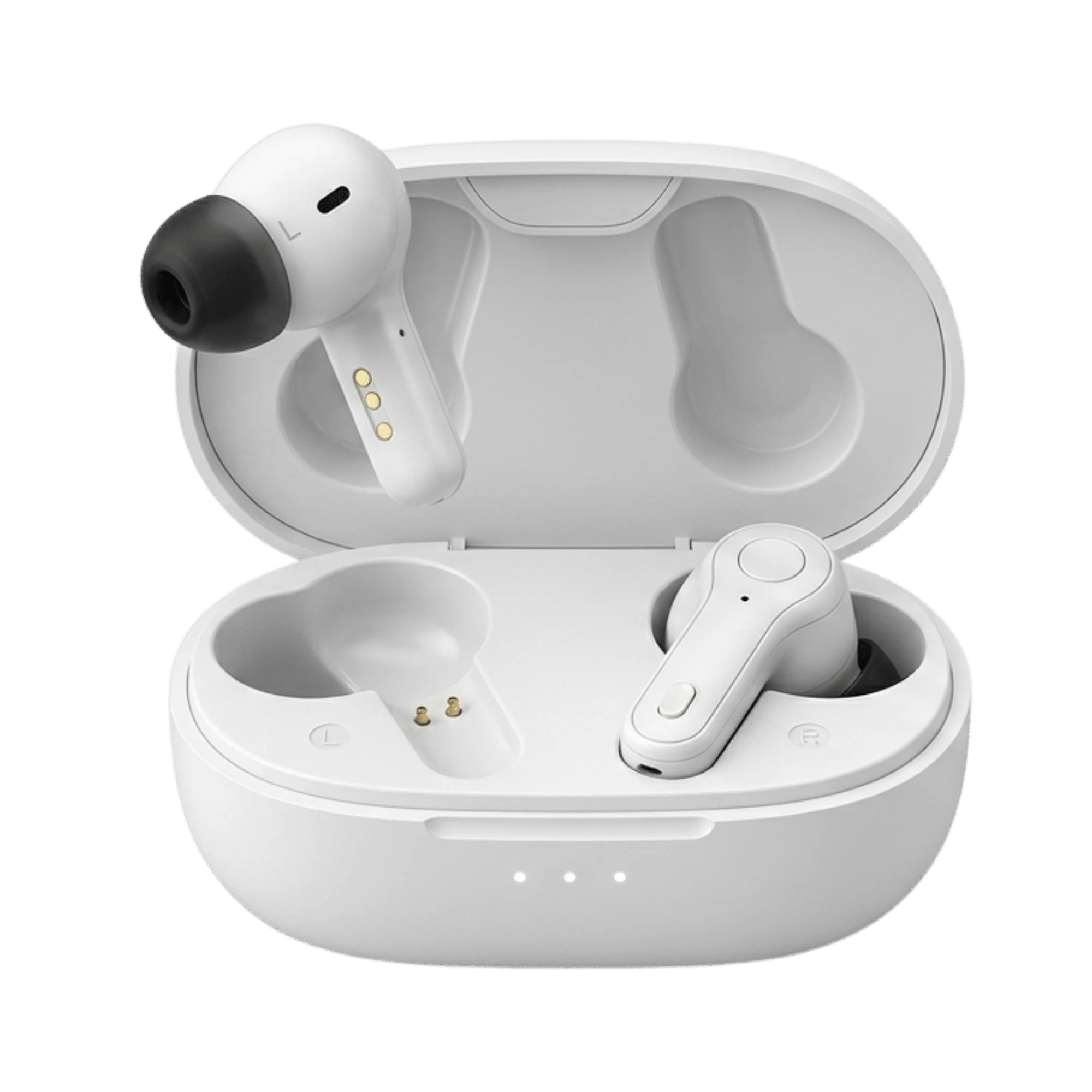
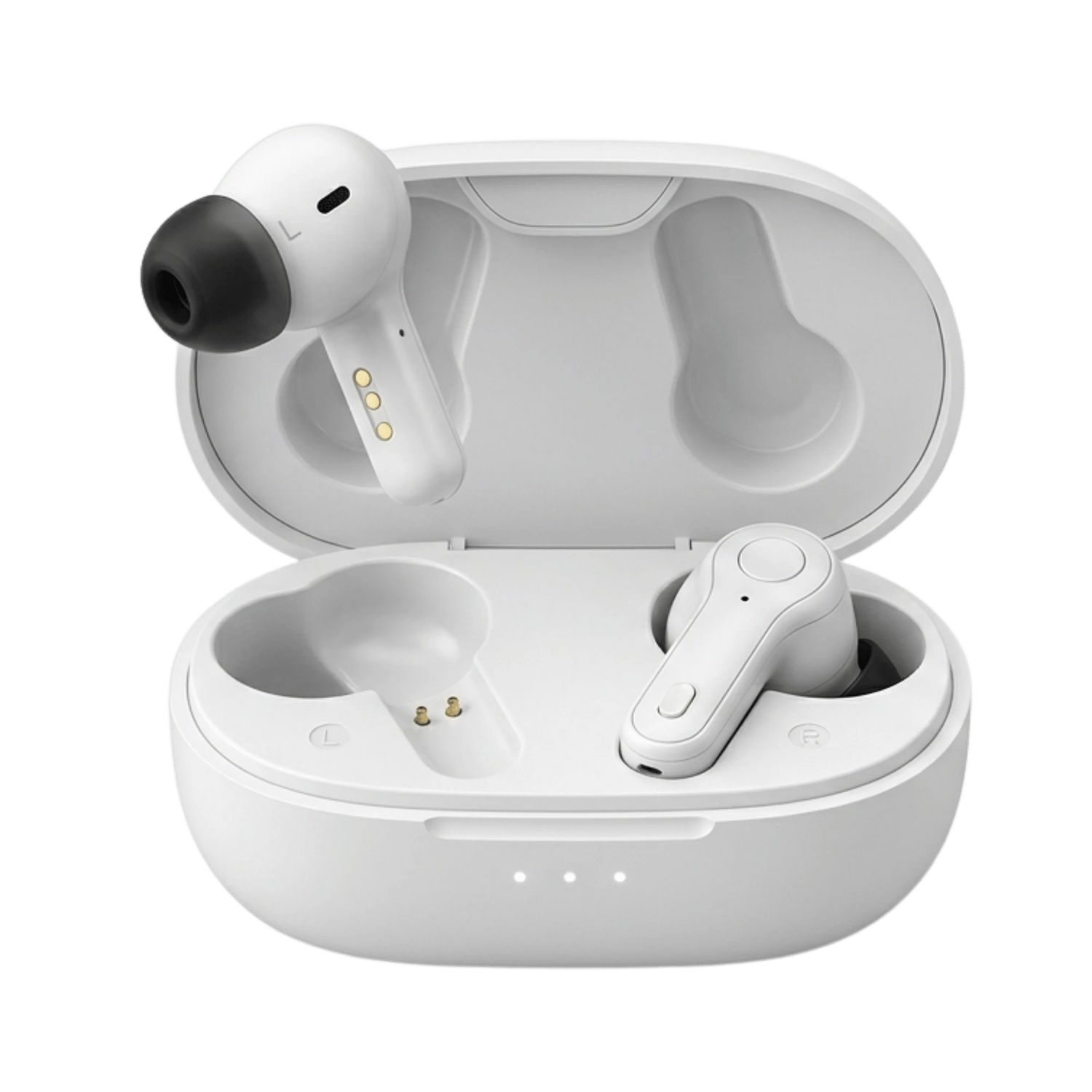
The setup and support gap this study surfaces is the same gap Panda Hearing designed Panda Air to close. Panda Air is an earbud-style, in-the-canal OTC hearing aid built around a self-fitting flow. After the device arrives, the user pairs it with the Panda app, and the app runs a frequency-specific hearing test through the hearing aid itself. It then automatically programs the device's gain and frequency response to match the resulting audiogram, similar to what an audiologist does during a clinical fitting. That means the user does not have to guess volume levels or hunt through preset programs on day one.
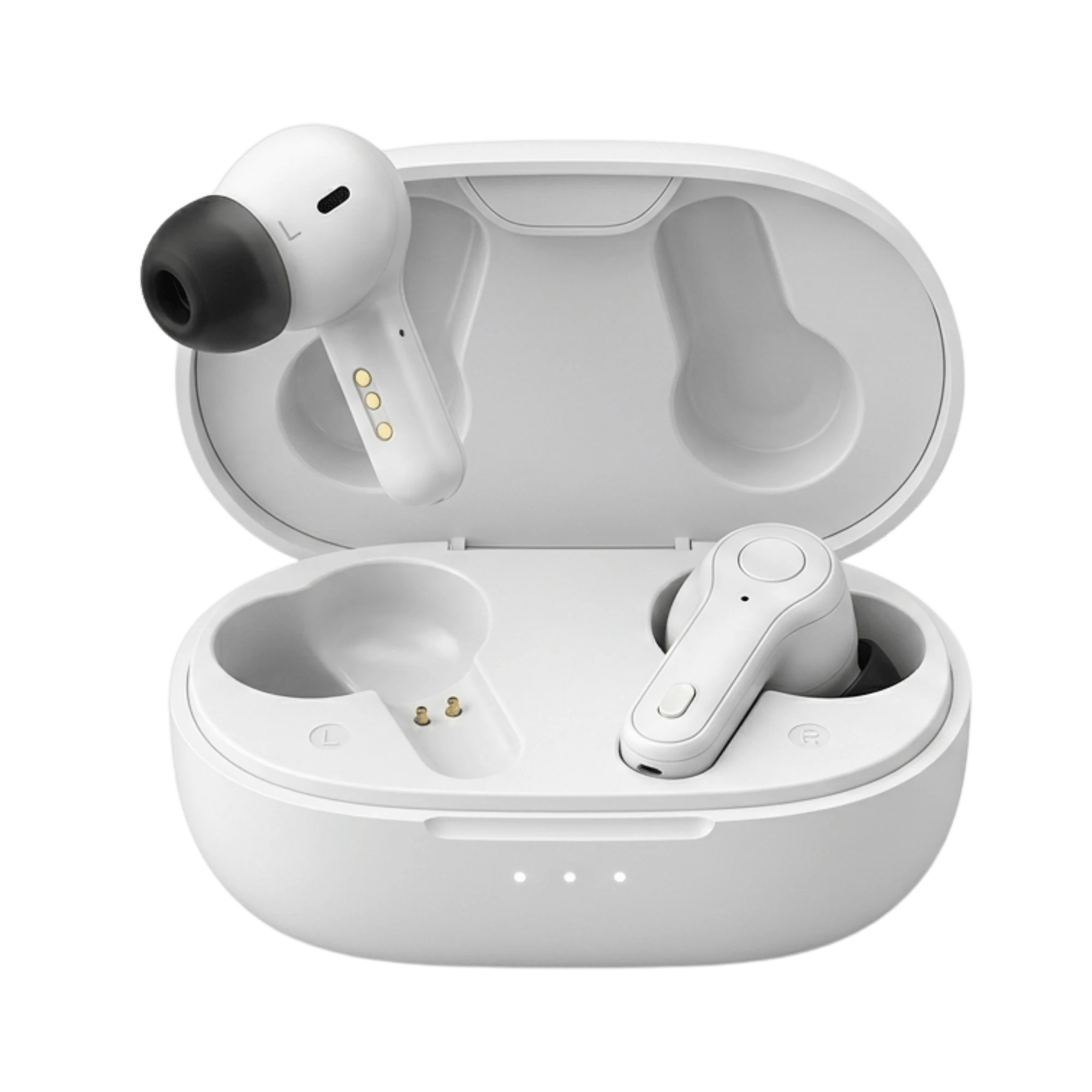
The other reasons the study cited for user drop-off, cost anxiety and lack of support if something goes wrong, are also part of the Panda Air offer. The device ships with a 60-hour fast-charge case so users are not troubleshooting rechargeable hearing aids with a charging case on a schedule they do not understand. It carries a 5-year warranty and a 45-day return window, which gives new users a real trial period instead of a single frustrating afternoon.
Panda Air is intended for adults with mild to moderate hearing loss, which matches the population in the study. Adults with severe or profound loss still benefit most from a clinical fitting, and this study is not a substitute for a hearing test if hearing loss is more advanced than mild to moderate.
Limitations of This Research
This was a single-site qualitative study of 78 self-selected participants recruited through community outreach, so the sample may lean toward people already curious about hearing aids and may not represent every population. Participants used one commercially available OTC hearing aid, so the findings speak to the category in general more than to any single brand, and results could differ with devices that use different setup flows. The study captures first-impression experience after one hands-on session, not long-term satisfaction or benefit. The paper did not report a funding source or commercial conflict of interest in the abstract; readers should review the full text for disclosures.
Where This Leaves Us
The OTC hearing aid category is doing what it was supposed to do, giving adults with mild to moderate hearing loss a lower-cost path to treatment. What this study reminds us is that the price tag was only one of the barriers, and the design of the box, the app, and the support experience matter just as much as the price on the shelf. The devices that make it easy to get through the first day are the devices most likely to still be in use six months later.
Coco L, Weeks T, Rodriguez C, Marvizon E, Villegas N, Stickel AM, Nguyen AL. Perceptions of Over-the-Counter Hearing Aids: A Qualitative Study Informed by the Technology Acceptance Model. Journal of the American Academy of Audiology. 2026;37(3):222-234. Retrieved from PubMed. https://doi.org/10.3766/jaaa.250056