Combined Hearing-and-Brain Training Shows Early Promise for Older Adults With Hearing Loss
A small home-based clinical trial suggests that pairing listening exercises with brain games may sharpen attention and ease some of the daily strain that age-related hearing loss places on older adults.
Age-related hearing loss is one of the most common conditions of later life, and its effects reach well beyond the ears. Researchers increasingly connect untreated hearing loss to social withdrawal, loneliness, and a higher long-term risk of cognitive decline, a chain of events that can quietly shrink a person's world.
A new pilot study from Hong Kong tested a different way to push back on that cycle: a web-based program that trains hearing and thinking at the same time. The early results, while preliminary, point to measurable gains in attention and a more positive outlook among the older adults who used it.
About This Study
Title: Web-Based Gamified Auditory-Cognitive Dual-Task Training for Older Adults With Age-Related Hearing Loss: Pilot Randomized Controlled Trial
Authors: Ivy Yan Zhao, Angela Yee Man Leung, Chen Li, Laurence Lloyd Parial, Hongming Ma, Jed Montayre, Justin S. Golub, Robert Sweetow, Janet Ho-Yee Ng, Engle Angela Chan
Affiliations: The Hong Kong Polytechnic University; University of the Philippines Manila; Columbia University Irving Medical Center, New York; University of California, San Francisco
Journal and date: JMIR Aging, June 16, 2026
Study type: Pilot randomized controlled trial
PubMed (DOI): 10.2196/84083
Background: Why the Researchers Looked at This
Age-related hearing loss, sometimes called presbycusis, is the gradual decline in hearing that comes with aging. It tends to blur speech first, especially in noisy rooms, and it often creeps in slowly enough that people adapt without realizing how much they are missing. Over time, that effort to keep up can leave the brain with less spare capacity for memory and attention, which is one reason hearing loss is studied as a risk factor for cognitive decline.
Most brain-training and listening programs work on one skill at a time. The researchers behind this study were interested in a more lifelike approach called auditory-cognitive dual-task training, in which a person listens carefully and performs a thinking task in the same moment, much as real conversation demands. They also noted a practical gap: very few such programs exist in Chinese languages, which leaves many older adults without a culturally familiar option. Their goal was to see whether a gamified, web-based version could be both usable at home and helpful.
How the Study Was Done
The team enrolled 60 community-dwelling older adults with mild-to-moderate age-related hearing loss. Their average age was about 68, and roughly three-quarters were men. Participants were randomly split into two equal groups. One group used the home-based auditory-cognitive training program, while the other was placed on a waitlist and served as the comparison group, meaning they received the program only after the study period ended.
Researchers measured hearing, memory, attention, social engagement, and feelings of loneliness at the start, again at six weeks, and once more at twelve weeks. After the program, participants sat for interviews about how the training felt in daily life. The trial was single-blinded, which means the people assessing the results did not know who had been in which group, a design choice that helps reduce bias.
What the Researchers Found
First, the program proved practical. Participants found it easy to stick with and reported that it was acceptable and even enjoyable, an important early signal for any at-home intervention.
On the measures that matter most, the training group pulled ahead. Their focused attention improved significantly, as did their divided attention, the ability to juggle more than one stream of information at once, with effect sizes in the moderate range (Cohen d of roughly 0.46 and 0.63). On a Hong Kong adaptation of the Montreal Cognitive Assessment, a widely used screening tool, the training group showed significant gains in naming and visual thinking, while the waitlist group did not.
Both groups reported a meaningful drop in the emotional toll of their hearing difficulty, with a slightly larger improvement among those who trained. A statistical model also pointed to a small-to-moderate advantage for the training group on a five-minute delayed memory recall task, and the analysis detected a significant change over time in left-ear hearing thresholds that differed between the two groups.
The interviews added texture to the numbers. Three themes emerged: participants found the program coherent and felt positively about it, they perceived real benefits to their thinking, knowledge, and self-awareness, and they experienced the training as manageable rather than burdensome, which built their confidence.
What It Means for People with Hearing Loss
For older adults and their families, the takeaway is encouraging but measured. Training the ears and the brain together, in short sessions at home, may be a low-cost complement to the everyday work of hearing well. It is the kind of intervention a person could fit around the rest of life, without travel or special equipment.
The broader message is one that hearing research keeps returning to: hearing, memory, and social connection rise and fall together. Anything that helps a person stay tuned in to conversation, whether that is structured practice or simply better access to the sounds around them, is worth taking seriously as part of healthy aging.
Why Addressing Hearing Loss Early Supports Memory and Connection
The throughline of this research is that hearing, thinking, and social connection are tightly linked in later life, and that the tools people use every day can either widen or narrow that gap. Hearing help is no longer something a person can only get inside a clinic. A growing category of FDA-cleared over-the-counter hearing aids is designed to make well-fitted amplification easier to begin at home, which lowers one of the practical barriers that keeps people from acting on hearing loss in the first place.
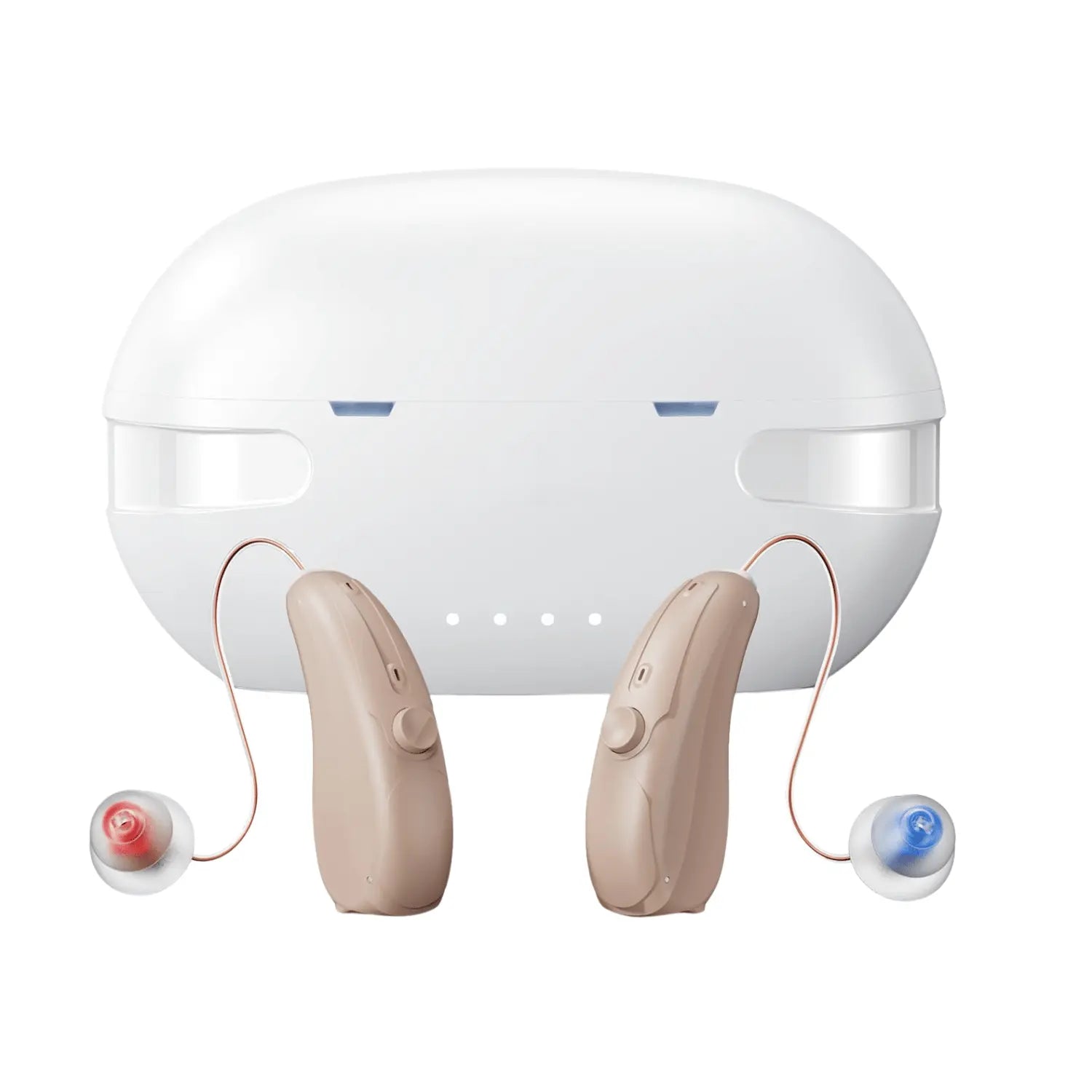
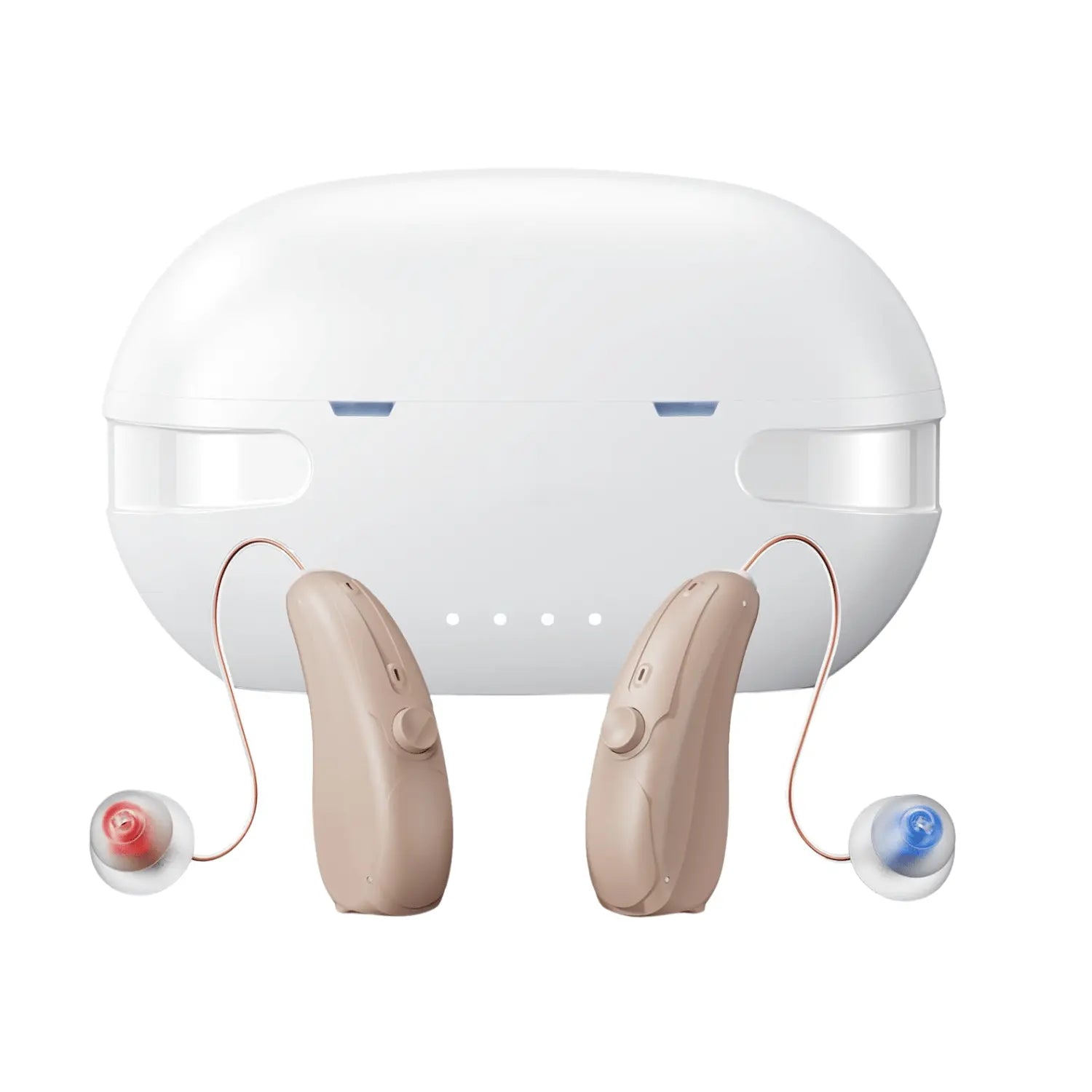
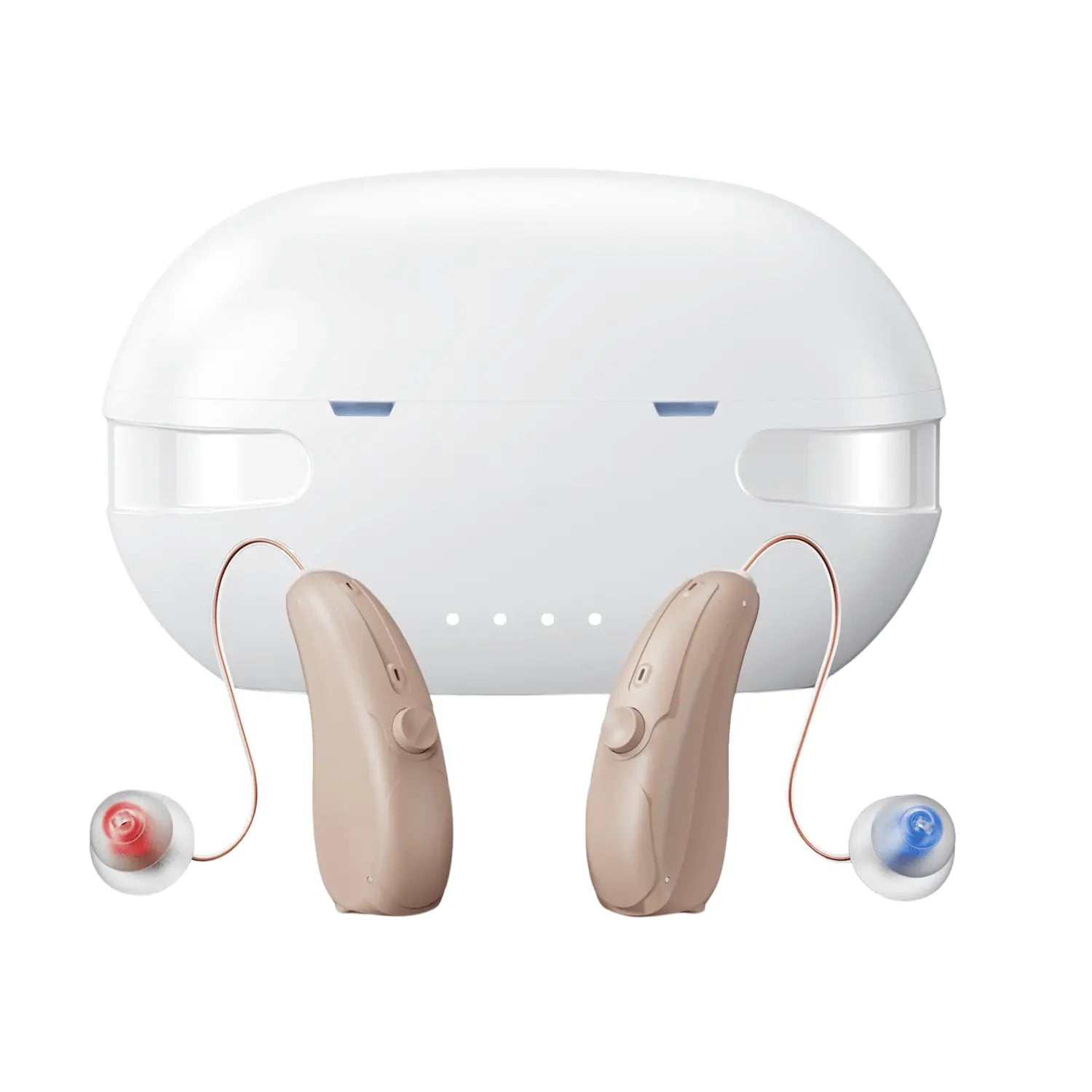
Panda Quantum is one such device. It pairs with the Panda app for a self-hearing test that runs through the hearing aid itself, then automatically tunes its 16 channels to match the listener's audiogram, an app-based hearing personalization step that mirrors what an audiologist does at a clinical fitting. Because staying socially engaged often means following voices across a busy dinner table, its adaptive processing is built for clear speech in noisy environments, while Bluetooth streaming brings phone calls, television, and video chats with family directly into the ears.

Over-the-counter devices like this are intended for adults with mild-to-moderate hearing loss, and people with severe or profound loss still tend to benefit most from a clinical fitting. For many older adults, though, an easier path to daily amplification is one practical way to act on the link this study highlights between hearing, memory, and staying connected.
Limitations of This Research
This was a pilot trial, and its authors are careful to frame the findings as early rather than definitive. The sample was small at 60 people, most participants were men, and the comparison group was on a waitlist rather than doing an alternative activity, so some of the benefit could reflect the attention and structure of taking part rather than the training itself. The follow-up period was short, lasting twelve weeks, which cannot tell us whether the gains last.
The researchers call for larger studies with more diverse participants and an active comparison group to confirm the effects, and they suggest future versions could use personalization to better match each user. The published abstract does not detail the study's funding sources or any competing interests, which readers would want to weigh when interpreting the results.
Where This Leaves Us
The study does not prove that brain-and-ear games prevent cognitive decline, and it was never designed to. What it offers is a hopeful, human-scale idea: that older adults with hearing loss can take active, enjoyable steps at home, and that hearing care and brain health belong in the same conversation. As this line of research grows, the most useful response for anyone noticing changes in their hearing is the simplest one, which is to treat those changes as worth addressing rather than ignoring.
Zhao IY, Leung AYM, Li C, Lloyd Parial L, Ma H, Montayre J, Golub JS, Sweetow R, Ng JH, Chan EA. Web-Based Gamified Auditory-Cognitive Dual-Task Training for Older Adults With Age-Related Hearing Loss: Pilot Randomized Controlled Trial. JMIR Aging. 2026. Retrieved from PubMed. DOI: 10.2196/84083