Diabetes and Hearing Loss: Large Review Finds Major Gaps in Hearing Checks for Adults with Diabetes
A new scoping review of 201 studies concludes that hearing health is still largely missing from routine diabetes care, with fewer than half of studies offering any guidance on hearing screening and only six calling for early referral to hearing services.
Millions of adults manage diabetes every day, tracking blood sugar, watching their eyes, their kidneys and their feet. Hearing rarely makes that checklist. Yet researchers have long flagged diabetes as a significant risk factor for hearing loss, likely because the small blood vessels and nerves of the inner ear are vulnerable to the same damage the condition causes elsewhere in the body.
A research team at Western University in Canada set out to map everything the scientific literature currently says about checking and monitoring hearing in adults living with diabetes. Their conclusion is striking: the evidence connecting the two conditions is substantial, but practical guidance on what to do about it is thin.
About This Study
Title: Hearing Health Monitoring in Adults Living with Diabetes: A Scoping Review to Inform Integrated Care Pathways
Authors: Grace Malheiro, Christine Meston, Chris Allan, Jana N. Bataineh, Paleesa Kapoor, Robin O'Hagan, Danielle Glista
Affiliations: Health and Rehabilitation Sciences, the National Centre for Audiology, the School of Communication Sciences and Disorders, the H.A. Leeper Speech and Hearing Clinic, and the Faculty of Science, Western University, London, Ontario, Canada
Journal: Audiology Research, published September 10, 2026 (volume 16, issue 5, article 134)
Study type: Scoping review of 201 peer-reviewed studies
PubMed DOI: 10.3390/audiolres16050134
Background: Why the Researchers Looked at This
Diabetes affects how the body regulates blood sugar, and over time elevated blood sugar can damage small blood vessels and nerves. The inner ear depends on both. That is why researchers treat diabetes as a meaningful risk factor for hearing loss, the gradual decline in the ability to detect and understand sound that affects so many adults as they age.
The problem the Western University team identified is not a lack of evidence that the two conditions are linked. It is that hearing loss in people with diabetes often goes undiagnosed and untreated, which can impair communication, reduce participation in daily activities and diminish quality of life. If nobody checks, nobody catches it.
The authors therefore set out to synthesize what the published research says about hearing screening and assessment in adults living with diabetes, and to identify the knowledge gaps standing in the way of an evidence-informed framework for monitoring hearing health in this population.
How the Study Was Done
This was a scoping review, a type of study designed to map an entire body of research rather than answer one narrow question. The team followed the Joanna Briggs Institute methodology, a widely used standard for conducting reviews of this kind.
The researchers searched seven electronic databases for peer-reviewed studies reporting primary data on the relationship between diabetes and hearing loss. After screening, 201 studies met their inclusion criteria, a large evidence base drawn from around the world.
They then examined where each study was conducted, how hearing was measured, and, crucially, whether the study offered any practical recommendations for screening, assessment, monitoring or referral.
What the Researchers Found
The 201 included studies came from a genuinely global literature, conducted in hospitals, community and diabetes clinics, schools, audiology clinics, outpatient clinics and research centres. This breadth suggests the diabetes and hearing connection has been examined in nearly every kind of healthcare setting.
Pure-tone audiometry, the familiar test in which a person responds to beeps at different pitches and volumes, was the most frequently used way of assessing hearing. Electrophysiological measures, which record the ear and brain's electrical responses to sound, came next, followed by otoacoustic emissions, a test of the tiny sounds a healthy inner ear produces on its own.
The most telling numbers concern what the studies did not do. Fewer than half of the 201 studies provided any recommendations for hearing screening, assessment or monitoring in people with diabetes. Only six advocated for early referral to hearing healthcare services.
In other words, the research community has spent decades documenting that adults with diabetes face elevated hearing risk, while offering very little guidance on how to catch that hearing loss early or connect people with care once it is found.
What It Means for People with Hearing Loss
For adults living with diabetes, the practical message is that hearing deserves a place on the monitoring checklist alongside eyes, kidneys and feet. Because the research literature offers so little formal guidance, hearing checks may not be offered automatically, which means asking about them may fall to patients themselves.
The authors argue that these gaps in diagnostic recommendations, referral pathways and interdisciplinary coordination are exactly what an evidence-informed hearing health monitoring framework should address. Their review is intended as the foundation for building one, so that hearing health becomes part of coordinated, person-centred diabetes care rather than an afterthought.
Until such frameworks arrive, awareness is the best tool available. Adults with diabetes who notice conversations becoming harder to follow, especially in noisy places, have good reason to seek a hearing assessment sooner rather than later.
When Hearing Care Sits Outside the Care Pathway, Lower Barriers Matter
This review's central finding is that formal pathways connecting adults with diabetes to hearing care are largely missing, so many people end up navigating hearing help on their own. That is one of the barriers FDA-OTC hearing aids were designed to lower: for adults with perceived mild to moderate hearing loss, they remove the need to coordinate multiple appointments before getting started.
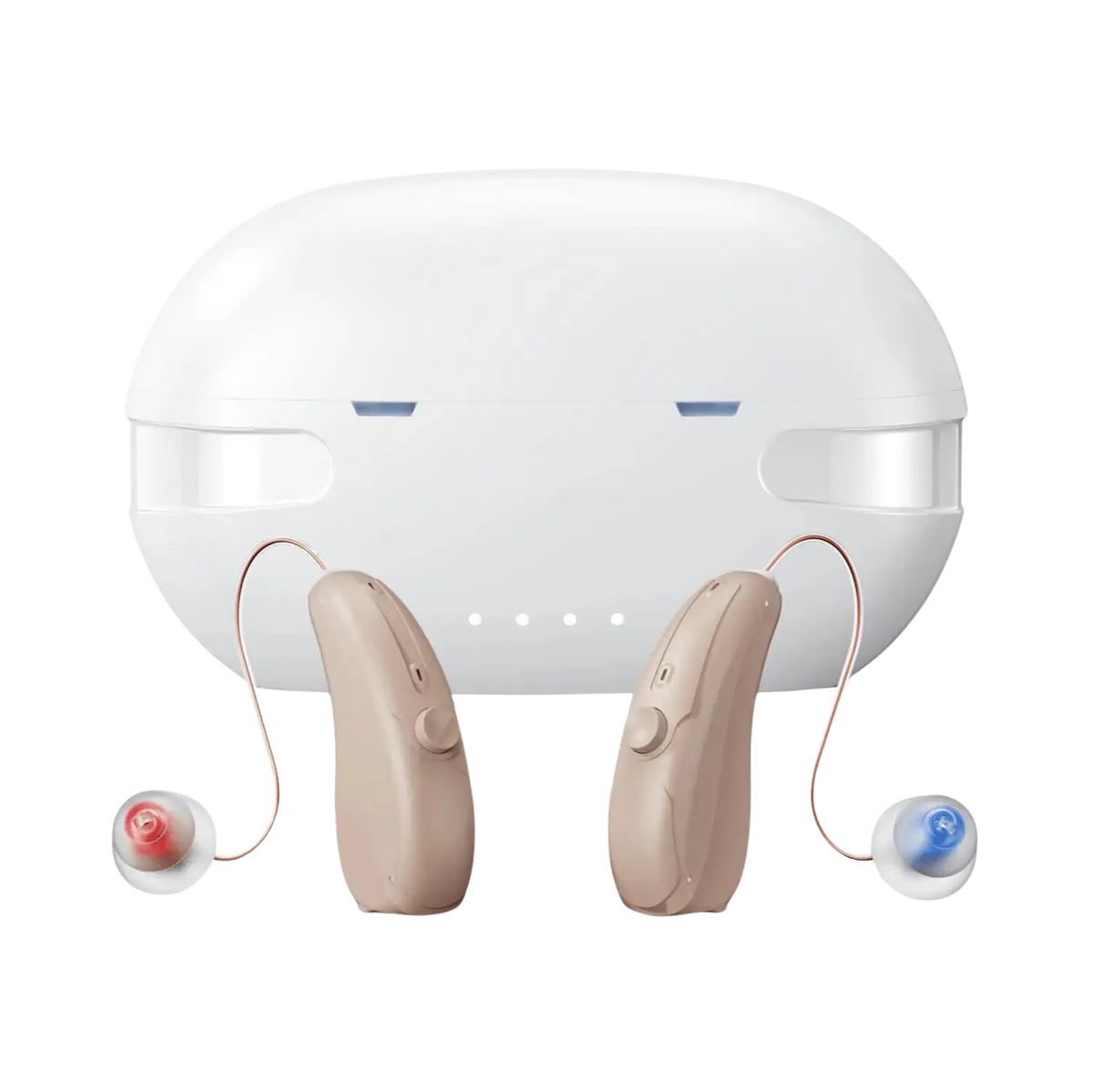
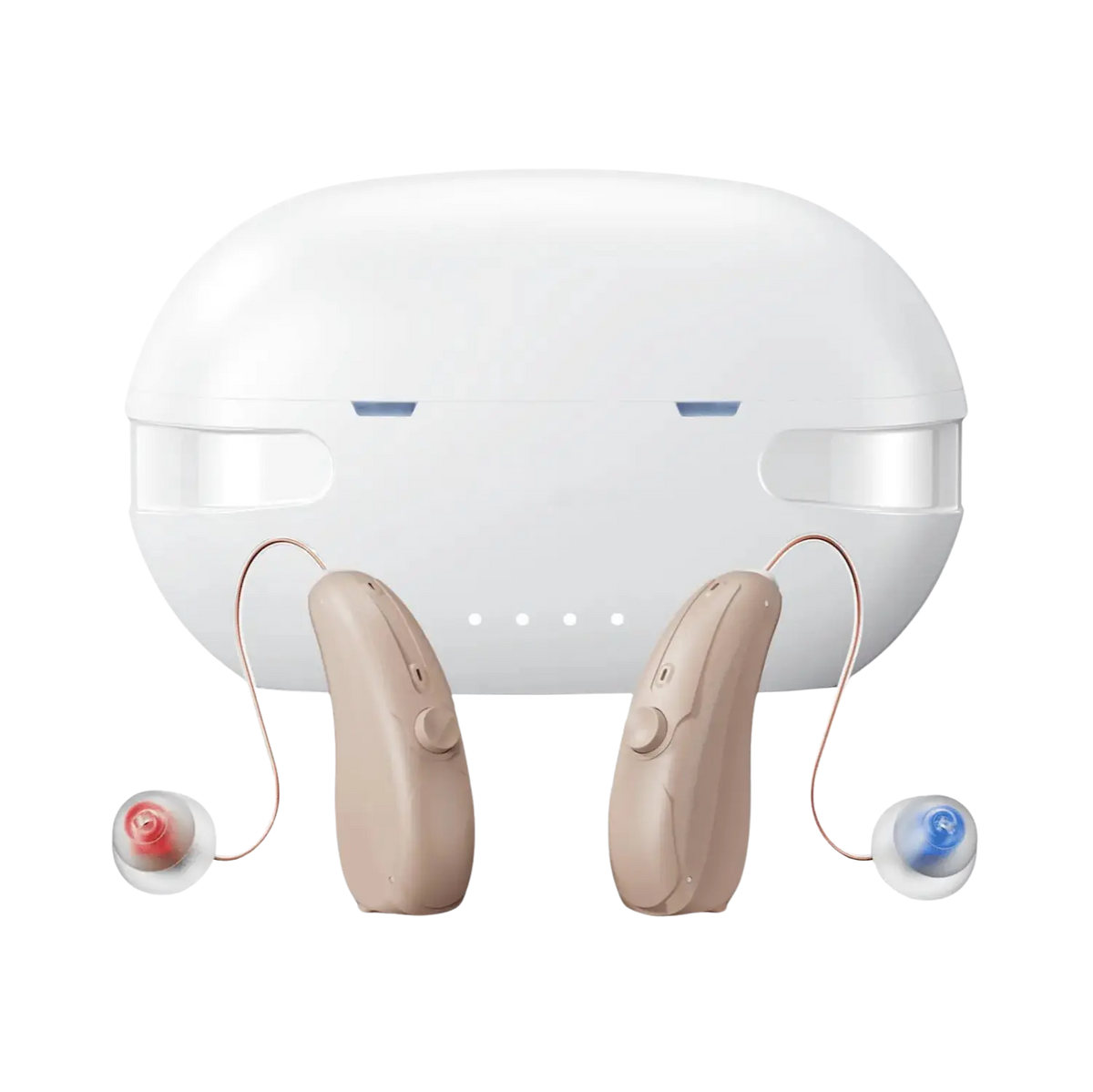
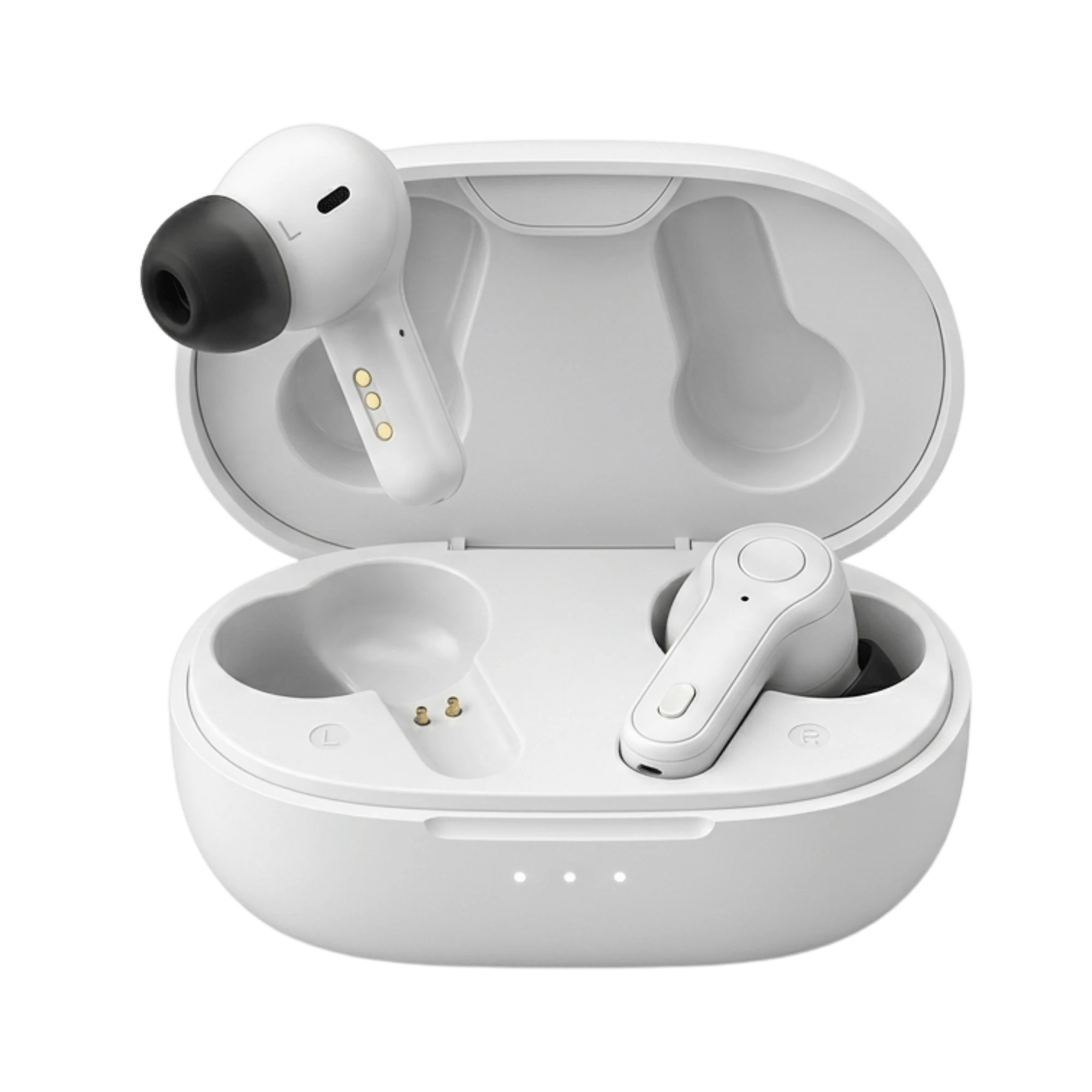
Panda Air is one example of this newer generation: a modern earbud-style hearing aid with 16-channel WDRC processing, multi-band adaptive noise reduction, Bluetooth for calls, TV and music, and a fast-charge case that provides 60 hours of use in total. Air works out of the box, and for those who want a more tailored setup, the optional Panda app can run a frequency-specific in-ear hearing test through the aid itself and personalize gain and frequency response to the user's hearing profile, making it a self-fitting OTC hearing aid in the practical sense, with rechargeable convenience from its charging case.
One caveat worth keeping in mind: OTC hearing aids are approved for mild to moderate hearing loss. Adults whose hearing loss is severe or profound, a group this review notes deserves proper referral pathways, still benefit most from clinical fittings with a hearing professional.
Limitations of This Research
A scoping review maps the literature; it does not weigh the quality of each study or pool their results statistically, so it cannot say how strong the diabetes and hearing loss link is, only what the research landscape looks like. Its conclusions about gaps also depend on what the included studies chose to report, and studies may have made screening recommendations in materials the review did not capture.
The work was supported by the Canadian Academy of Audiology, and the authors declare no conflicts of interest. As with any review, findings reflect the literature available at the time of the search.
Where This Leaves Us
The evidence linking diabetes and hearing loss keeps growing, and this review shows the missing piece is no longer proof of the connection but a practical plan for acting on it. Until hearing checks are built into diabetes care as standard, adults with diabetes are wise to treat their hearing as part of the condition's territory, ask for assessments, and act early when everyday listening starts to feel like work.
Malheiro G, Meston C, Allan C, Bataineh JN, Kapoor P, O'Hagan R, Glista D. Hearing Health Monitoring in Adults Living with Diabetes: A Scoping Review to Inform Integrated Care Pathways. Audiology Research. 2026;16(5):134. Retrieved from PubMed. https://doi.org/10.3390/audiolres16050134