Därför kan upprepade minnestester ge åldrande hjärnor för goda resultat: ny analys av hörselprövningen ACHIEVE
Forskarna bakom en av de största hörselstudierna i USA rapporterar att bara det att göra samma kognitiva test igen kan höja resultaten med ungefär motsvarande ett års åldersrelaterad försämring.
Studier som följer äldre under flera år mäter oftast tankeförmåga och minne med samma testbatteri, som upprepas vid regelbundna besök. Det är en rimlig design, men den har en dold komplikation: människor blir bättre på test de har gjort förut. Den förbättringen har ingenting med friskare hjärnor att göra och allt med igenkänning att göra.
En ny analys publicerad i JAMA Network Open sätter siffror på det problemet med data från ACHIEVE-studien, en banbrytande randomiserad prövning som rekryterade äldre med obehandlad hörselnedsättning. Frågan som författarna ställde är viktig för hela åldrandeforskningen: hur mycket snedvrider de här övningsvinsterna det vi tror oss veta om kognitiv nedsättning, och förändrar de de synbara resultaten av olika insatser?
Om studien
Titel: Differences in Cognitive Aging Assessments Associated With Retest Effects
Författare: Yan Wang, James Russell Pike, Jennifer A. Deal, Frank R. Lin, Nicholas Salvatore Reed, Emmanuel E. Garcia-Morales, Alison R. Huang, Douglas A. Jabs, Alden L. Gross
Tillhörighet: Johns Hopkins Bloomberg School of Public Health; Cochlear Center for Hearing and Public Health, Johns Hopkins; New York University Grossman School of Medicine; Johns Hopkins University School of Medicine; Amplifon SpA
Tidskrift: JAMA Network Open, publicerad 3 augusti 2026
Studietyp: Kohortstudie; ad hoc-sekundäranalys av den randomiserade kliniska fas 3-prövningen ACHIEVE
PubMed DOI: 10.1001/jamanetworkopen.2026.28782
Bakgrund: varför forskarna undersökte detta
ACHIEVE-prövningen, en förkortning av Aging and Cognitive Health Evaluation in Elders, är en av de mest uppmärksammade studierna inom hörselforskningen. Den genomfördes 2017 till 2022 på fyra orter i North Carolina, Mississippi, Minnesota och Maryland, rekryterade hemmaboende äldre med obehandlad hörselnedsättning och följde deras tankeförmåga och minne i tre år. Resultaten har format hur forskare diskuterar sambandet mellan hörsel och kognitiv hälsa senare i livet.
Alla prövningar av det här slaget bygger på upprepade kognitiva test. Det är här komplikationen som kallas omtestningseffekt, ibland övningseffekt, kommer in. När en person gör samma minnes- eller problemlösningsuppgifter en andra eller tredje gång tenderar resultatet att stiga, eftersom formatet är bekant, strategierna är inövade och nervositeten är lägre. I en studie om åldrande kan den konstgjorda höjningen dölja en verklig försämring.
Författarna till den nya analysen ville mäta hur stor den höjningen var i ACHIEVE, undersöka om den skilde sig mellan olika grupper av deltagare och besvara en praktisk fråga för forskningsfältet: om man korrigerar för omtestningseffekter, förändras då de uppskattade fördelarna med en insats?
Så genomfördes studien
Forskarna analyserade 977 äldre från ACHIEVE-prövningen, med en medelålder på 76.3 år, varav 54 procent kvinnor. Tillsammans bidrog deltagarna med 2,571 kognitiva bedömningar på plats under den treåriga uppföljningen. Omkring 57 procent hade lätt hörselnedsättning, och 76 procent rekryterades direkt från samhället snarare än från en tidigare studie.
Kognitionen sammanfattades som ett globalt faktorvärde baserat på ett fullständigt neurokognitivt testbatteri, tillsammans med separata värden för språk, exekutiv funktion och minne. För att isolera övningseffekten använde forskarna statistiska modeller med en enkel markör: noll för deltagarens första besök och ett för alla uppföljningsbesök. Skillnaden kopplad till den markören, efter justering för samma kovariater som i ACHIEVE:s huvudanalys, motsvarar den förändring i resultat som hänger ihop med att ha gjort testerna tidigare.
Författarna jämförde sedan kognitiva förlopp och skattningar av insats jämfört med kontroll med och utan denna justering för omtestning, och undersökte om omtestningseffekten varierade med hörselnedsättningens svårighetsgrad, prövningsarm eller hur deltagarna hade rekryterats.
Vad forskarna kom fram till
Omtestningseffekterna var verkliga och betydande. Värdena för global kognition steg med 0.11 standardenheter enbart av upprepad testning, med ett 95-procentigt konfidensintervall på 0.07 till 0.15. Exekutiv funktion visade den största ökningen, 0.15 enheter, och minnet steg med 0.12 enheter. I praktiken uppskattar författarna att denna höjning ungefär motsvarar ett helt års modellberäknad åldersrelaterad kognitiv försämring.
Språktesterna betedde sig annorlunda. Där var omtestningsskillnaden minimal och statistiskt inte skild från noll, vilket tyder på att ordförråds- och benämningsuppgifter är svårare att bli bättre på genom igenkänning än minnesuppgifter eller tidsbegränsade exekutiva uppgifter.
Viktigt är att övningseffektens storlek inte skilde sig nämnvärt beroende på hörselnedsättningens svårighetsgrad, på om deltagaren var i insats- eller kontrollgruppen eller på rekryteringskälla. Höjningen syntes över hela linjen.
Det mest lugnande resultatet kom sist. När forskarna gjorde om prövningens jämförelser med justeringen för omtestning förändrades de uppskattade kognitiva förloppen, men de uppskattade effekterna av själva hörselinsatsen förändrades inte nämnvärt. Med andra ord blåste övningseffekterna upp allas resultat ungefär lika mycket, så jämförelserna mellan grupperna höll.
Vad det betyder för personer med hörselnedsättning
För dig som följer forskningen om hörsel och hjärnhälsa är den här analysen i det tysta goda nyheter. En vanlig oro kring långvariga studier är att dolda mättekniska egenheter kan ligga bakom de uppmärksammade resultaten. Här visade en noggrann kontroll att en av de mest kända egenheterna, övningseffekten, var betydande men inte snedvred prövningens centrala jämförelser mellan grupperna.
Resultaten innebär också en varning när man tolkar en enskild uppsättning testresultat. En äldre person som får något bättre resultat vid en andra minnesbedömning har inte nödvändigtvis blivit bättre; en del av förbättringen kan bero på att testet redan är bekant. Forskare, och kliniker som följer kognitionen över tid, får en tydligare bild när de tar hänsyn till detta.
Slutligen stärker studien grunden för framtida forskning om hörsel och kognition. Författarna rekommenderar att longitudinella studier rutinmässigt justerar för omtestningseffekter, vilket bör göra nästa generations resultat om hörselvård och hjärnhälsa lättare att lita på.
Noggrann evidens om hörsel och åldrande stöder hörselvård i vardagen
Prövningar som ACHIEVE finns eftersom hörseln senare i livet i dag ses som en central hälsofråga och inte som ett nischområde. Samma period som gav upphov till denna forskning gav också upphov till receptfria hörapparater (OTC), en kategori som skapades för att göra hörapparater lättare att skaffa för vuxna med lätt till måttlig hörselnedsättning. Personer med svår eller grav hörselnedsättning har fortfarande mest nytta av klinisk utprovning.
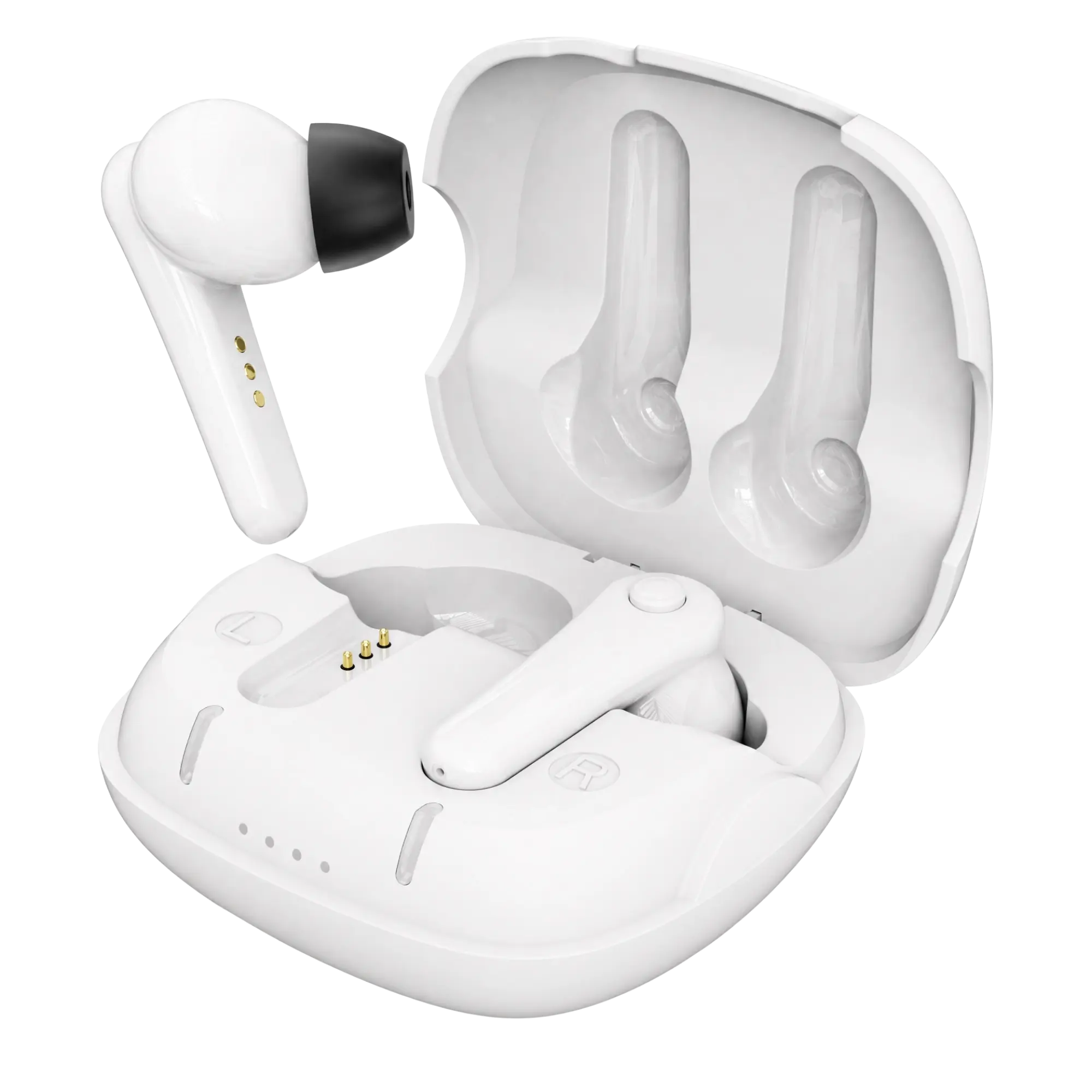
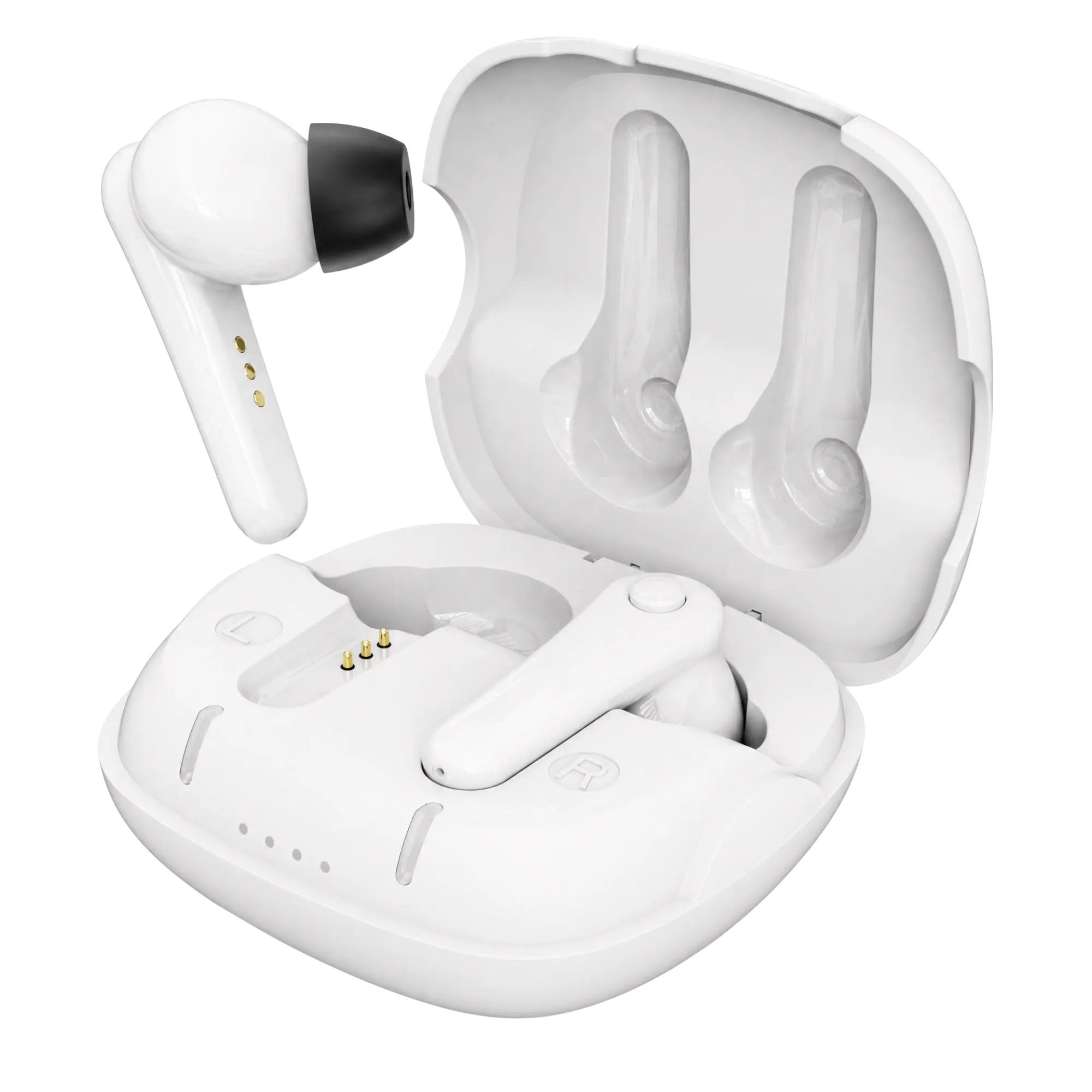
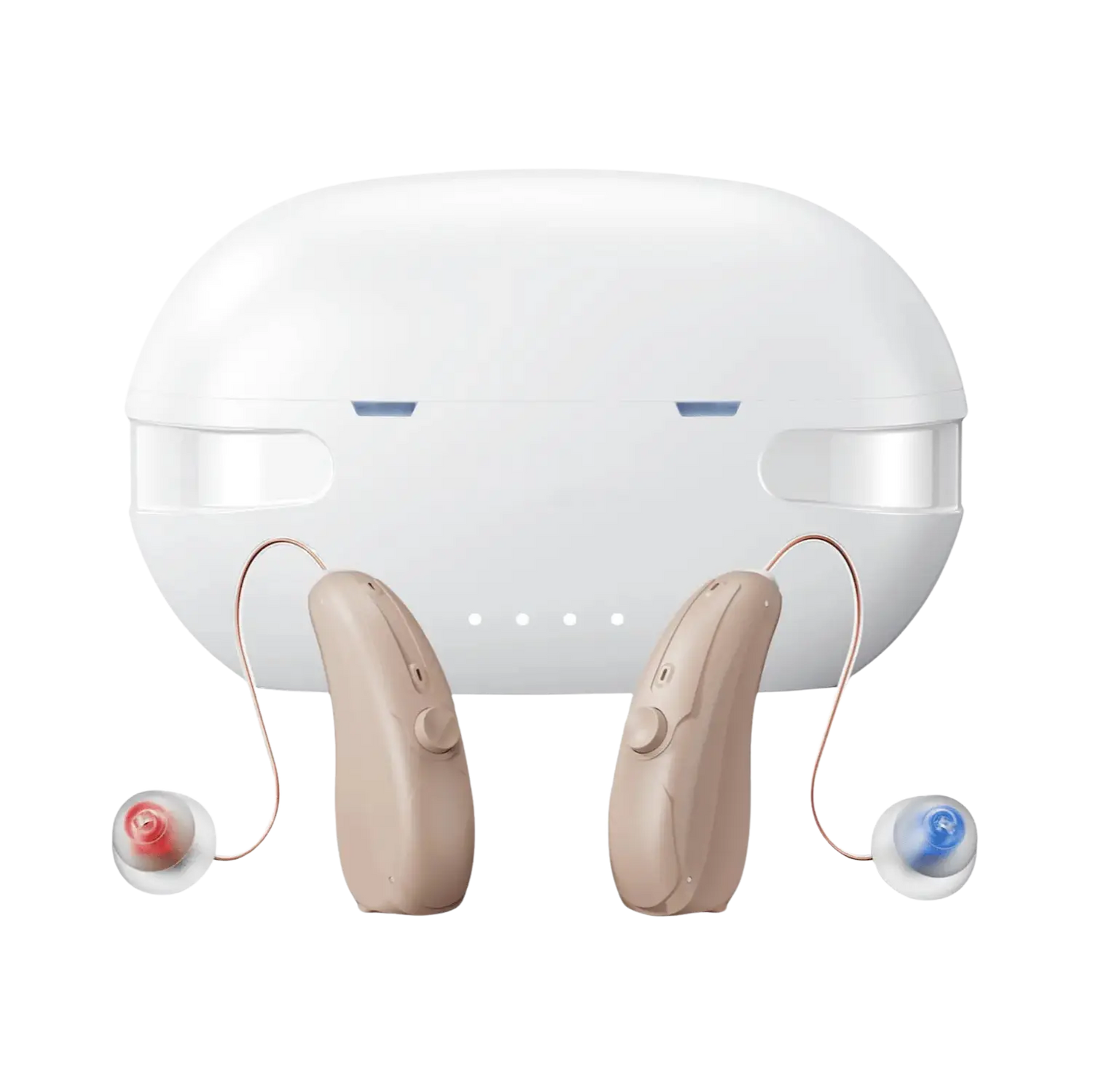
Panda Quantum hör till den kategorin. Det är en RIC-hörapparat (högtalare i hörselgången) med 16 kanaler och adaptiv brusreducering som ska ge tydligare tal i bullriga miljöer, Bluetooth för samtal, TV och musik, 20 timmars användning per laddning med ett laddningsetui som rymmer tre extra fulla laddningar, 5 års garanti och en provperiod på 45 dagar som börjar när apparaten kommer fram.
Quantum har också en valfri app med ett valfritt hörseltest i örat som kan anpassa förstärkning och frekvensgång efter användarens hörselprofil, en form av appbaserad hörselanpassning. Apparaten fungerar fullt ut direkt ur förpackningen utan appen eller testet. Mer information finns på pandahearing.com.

Studiens begränsningar
Det här var en sekundäranalys och inte en studie som från början var utformad för att mäta övningseffekter, och omtestning modellerades som en enkel markör för första besök jämfört med senare besök, vilket inte fångar hur igenkänningen byggs upp över en tredje eller fjärde bedömning. Deltagarna var hemmaboende vuxna med en medelålder på 76 år och obehandlad hörselnedsättning vid inskrivningen, så omtestningseffektens storlek kan skilja sig i yngre, äldre eller kliniska populationer.
Observera också att en av medförfattarna anger en koppling till Amplifon SpA, ett företag som tillverkar hörapparater, vilket redovisas i artikelns författarinformation.
Var står vi nu?
Upprepad testning får åldrande hjärnor att se ut att ha tappat ungefär ett år mindre än de faktiskt gjort, och noggranna studier behöver ta hänsyn till det. Det uppmuntrande är att när ACHIEVE-forskarna gjorde just detta stod deras slutsatser om hörselinsatsen sig, ett litet men betydelsefullt förtroendebesked för den evidens som kopplar samman hörselvård och hälsosamt åldrande.
Wang Y, Pike JR, Deal JA, Lin FR, Reed NS, Garcia-Morales EE, Huang AR, Jabs DA, Gross AL. Differences in Cognitive Aging Assessments Associated With Retest Effects. JAMA Network Open. 2026;9(8):e2628782. Retrieved from PubMed. https://doi.org/10.1001/jamanetworkopen.2026.28782