이명과 PTSD: 같은 소리가 왜 이렇게 다르게 느껴지는지에 대한 새로운 연구
현역 군인과 참전용사를 대상으로 한 새로운 연구에 따르면, 외상 후 스트레스 장애(PTSD)는 이명이 있는 사람의 청력 검사 결과를 바꾸지는 않지만, 이명을 훨씬 더 괴롭고 성가시며 받아들이기 어렵게 만드는 것으로 나타났습니다.
외부 소리 없이 삐 소리, 윙윙거림, 쉬익 소리 등을 느끼는 이명은 미국 참전용사들 사이에서 가장 흔한 공무 관련 장애입니다. 외상 후 스트레스 장애 역시 같은 집단에서 널리 나타나며, 폭발, 총성 등 강렬한 경험에 노출된 사람들에게서 두 질환이 함께 발생하는 경우가 많습니다.
임상의들은 오래전부터 두 질환이 겹치면 각각 따로 있을 때보다 더 나쁠 것이라고 짐작해 왔습니다. 군 보건 기관과 여러 대학에 걸친 연구팀은 PTSD가 이명 경험에 정확히 무엇을 더하는지, 그리고 그것이 표준 청력 검사에서 드러나는지를 측정하고자 했습니다.
연구 개요
제목: Audiologic Characteristics of Military Service Members and Veterans With and Without Tinnitus and Comorbid Posttraumatic Stress Disorder
저자: Quintin A. Hecht, Fatima T. Husain, Emilia Kaniewska, Andrew J. Fallon, Suheily M. Lovelace, Crystal G. Franklin, Carlos R. Esquivel, Stacey Young-McCaughan, Alan L. Peterson, Amanda Flores, Peter T. Fox, John C. Moring
소속: Defense Health Agency Hearing Center of Excellence, San Antonio; University of Illinois Urbana-Champaign; The University of Texas at San Antonio; Goldbelt Apex
학술지: American Journal of Audiology, 2026년 8월 13일 게재
연구 유형: 비교 관찰 연구, 참가자 61명
출처: PubMed, DOI: 10.1044/2026_AJA-26-00017
배경: 연구진이 이 주제에 주목한 이유
이명은 단순한 소리가 아니라, 소리와 그 소리에 대한 반응이 합쳐진 것입니다. 두 사람이 똑같은 삐 소리를 듣더라도 한 사람은 거의 의식하지 못하고, 다른 사람은 견디기 힘들어할 수 있습니다. 연구자들은 이러한 차이를 만드는 요인에 점점 더 주목하고 있으며, 심리 상태가 유력한 후보로 꼽힙니다.
PTSD는 외상 경험 후에 생길 수 있는 질환으로, 과도한 경계심, 침습적 기억, 위협으로 인식되는 대상에서 벗어나기 어려운 특징을 보입니다. 이러한 과각성 상태는 몸 안에서 들리는 소리를 무시하기 더 어렵게 만들 수 있습니다. 이전 연구에서 PTSD가 동반되는 다른 건강 문제를 악화시키는 경향이 있다는 사실이 밝혀졌지만, 이명에 대한 상세한 청각학적 비교는 부족했습니다.
군 집단은 이 문제를 연구하기에 적합한 대상입니다. 두 질환 모두 흔하고, 폭발 노출처럼 같은 원인에서 비롯되는 경우가 많기 때문입니다. 연구진은 PTSD가 더하는 부담이 귀에서, 청력 검사에서, 아니면 소리에 대한 마음의 반응에서 나타나는지 알고자 했습니다.
연구 방법
연구팀은 현역 군인과 참전용사 61명을 모집해 세 그룹으로 나누었습니다. 이명과 PTSD가 모두 있는 16명, 이명만 있는 25명, 그리고 두 질환 모두 없는 건강한 대조군 20명입니다.
모든 참가자는 철저한 청각 검사를 받았습니다. 중이 상태를 확인하는 고막운동성 검사, 내이 외유모세포를 평가하는 이음향방사 검사, 청력 민감도를 측정하는 순음 및 어음 청력 검사, 그리고 불쾌 음량 검사가 포함되었습니다. 또한 모두가 소리 과민성에 관한 청각과민증 설문지를 작성했습니다.
이명이 있는 참가자들은 추가로 이명에 대한 심리음향 평가를 받고 표준화된 설문지를 작성했습니다. 여기에는 이명이 일상생활에 얼마나 지장을 주는지 측정하는 Tinnitus Functional Index, 성가심과 크기에 대한 평가 척도, 그리고 Tinnitus Acceptance Questionnaire가 포함되었습니다. 이후 연구진은 그룹 간 결과를 통계적으로 비교했습니다.
연구 결과
첫 번째 결과는 차이가 없었던 부분입니다. 이명만 있는 그룹과 이명과 PTSD가 모두 있는 그룹의 순음 및 어음 청력 검사 결과는 통계적으로 비슷했습니다. 즉, 이명이 있는 사람들 사이에서 PTSD는 측정 가능한 청력 저하와 관련이 없었습니다.
차이는 이명을 어떻게 느끼는지에서 나타났습니다. 이명만 있는 참가자에 비해 두 질환이 모두 있는 참가자는 Tinnitus Functional Index에서 이명으로 인한 기능 장애가 유의하게 더 컸다고 보고했습니다. 이는 수면, 집중력, 일상 활동에 더 많은 지장이 있었다는 의미입니다.
두 질환이 함께 있는 그룹은 이명을 유의하게 더 성가시게 느꼈고, 이명을 받아들이는 정도도 유의하게 낮았습니다. 이는 PTSD 증상이 소리와 타협하는 능력을 떨어뜨릴 수 있음을 시사합니다. 이 그룹은 이명을 더 크게 느낀다고 평가하기도 했지만, 이 차이는 통계적 유의성에 도달하지 못했습니다.
종합해 보면, 이러한 양상은 PTSD가 동반 질환에 부가적이고 부정적인 영향을 미친다는 이전 연구와 일치합니다. 두 이명 그룹의 귀 상태는 거의 같았지만, 고통의 정도는 달랐습니다.
저자들은 실질적인 임상 조치를 제안합니다. 귀만 치료하는 것은 문제의 절반만 다루는 것일 수 있으므로, 청각 클리닉에서 PTSD를 별도로 선별하고 필요할 경우 정신건강 전문 진료로 연계할 수 있다는 것입니다.
난청이 있는 분들에게 주는 의미
청력 검사 결과는 특별할 것이 없는데 이명이 견디기 힘들다고 느끼는 분이라면, 이 연구의 핵심 메시지에서 위안을 얻을 수 있습니다. 고통은 데시벨로 측정되지 않는다는 것입니다. 이명이 삶을 얼마나 방해하는지는 소리 그 자체뿐 아니라, 그 소리가 울리는 신경계의 상태에 크게 좌우됩니다.
이는 도움이 여러 방향에서 올 수 있다는 뜻이기도 합니다. 정신건강 진료를 통해 스트레스, 트라우마, 수면 문제를 다루면 소리 자체는 그대로여도 이명의 부담을 줄일 수 있습니다. 두 질환을 함께 겪고 있는 참전용사를 비롯한 여러분이라면, 청각 관리와 함께 PTSD 선별 검사에 대해 의료진에게 문의하는 것은 합리적이고 근거 있는 조치입니다.
마지막으로, 이 연구는 이명 관리가 한 가지 해결책으로 끝나는 경우가 드물다는 점을 일깨워 줍니다. 소리, 주의력, 감정 상태는 모두 서로 영향을 주고받으며, 어느 한 부분이 나아지면 다른 부분도 수월해질 수 있습니다.
일상의 소리가 선명해지면 이명이 덜 느껴질 수 있습니다
이 연구는 이명으로 인한 고통이 청력 역치만이 아니라 주의력과 스트레스에 의해 좌우된다는 사실을 보여 주었습니다. 이명이 있는 많은 분들은 어느 정도의 난청도 함께 가지고 있으며, 대화와 주변 소리를 더 쉽게 들을 수 있게 되면 뇌가 집중할 외부 소리가 많아져 이명이 덜 느껴질 수 있습니다. 보청기는 이명의 치료제나 완치 수단이 아니지만, 일상의 소리가 선명해지면 이명에 쏠리는 주의가 달라질 수 있습니다.
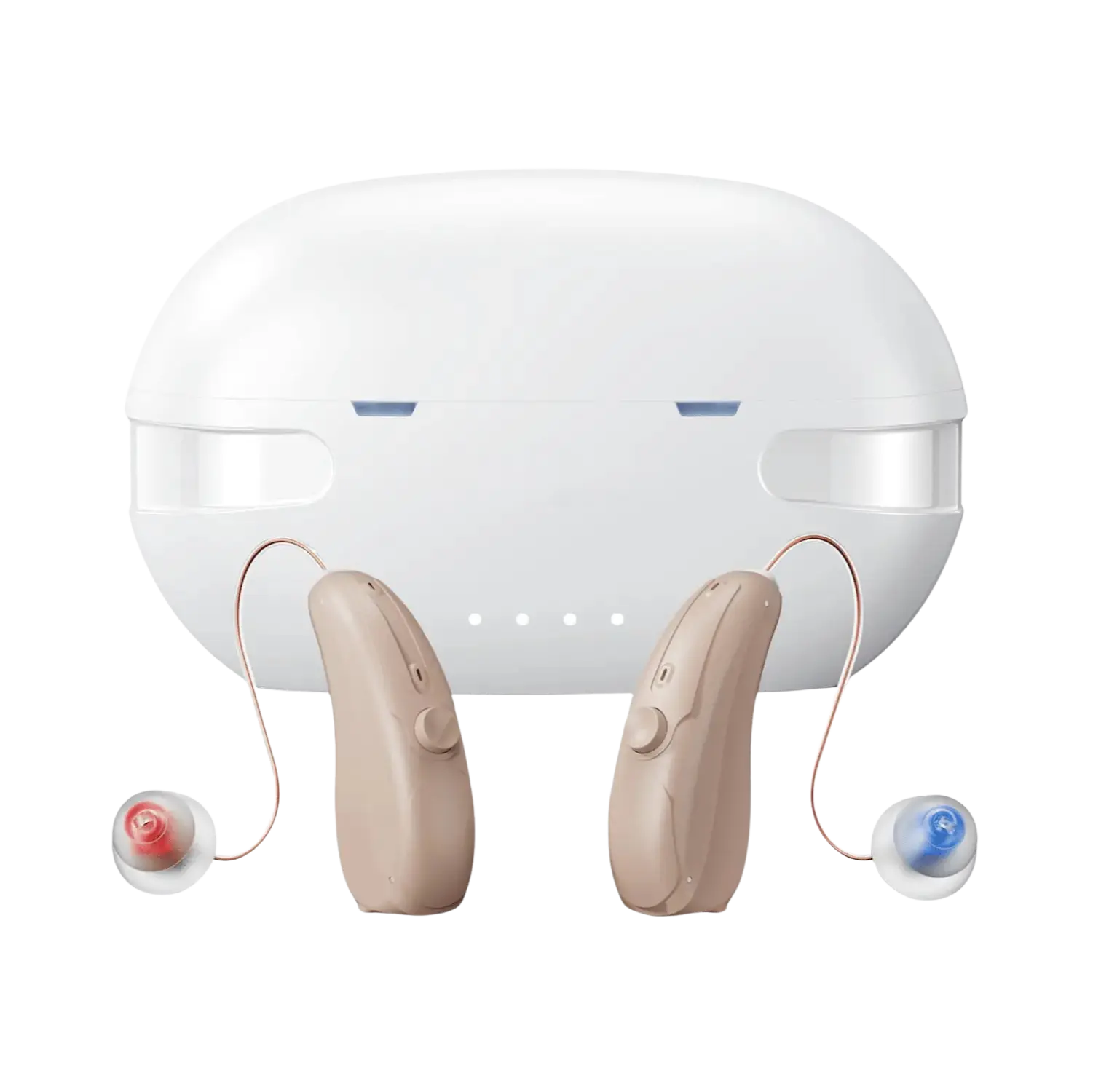
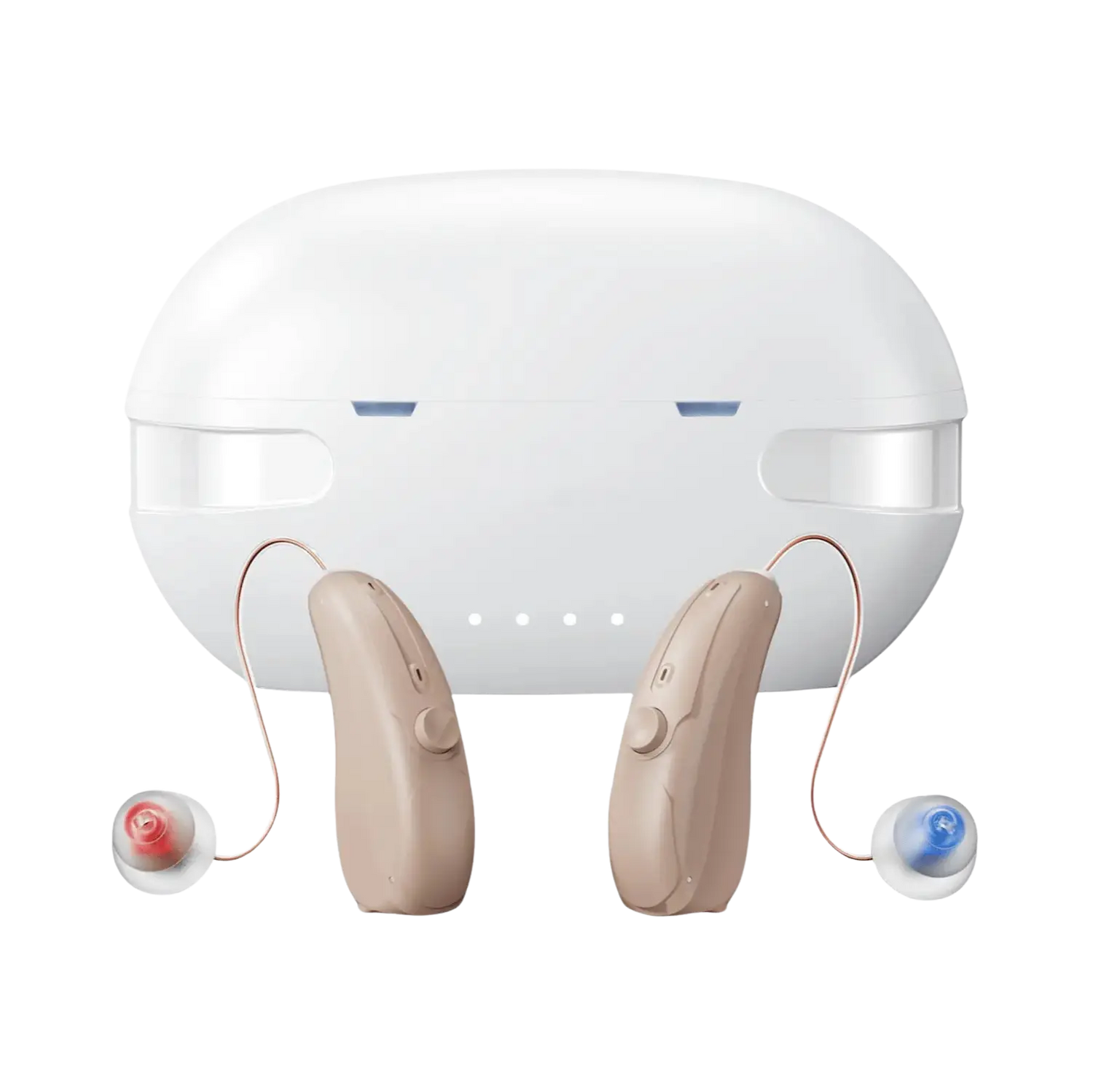
경도에서 중등도 난청이 있는 성인에게 FDA-OTC 보청기는 일상의 소리를 되찾을 수 있는 손쉬운 방법 중 하나입니다. Panda Quantum은 그러한 기기 중 하나로, 시끄러운 환경에서도 선명한 말소리를 위해 설계된 적응형 소음 감소 기능을 갖춘 16채널 외이도 리시버형(RIC) 보청기입니다. 1회 충전으로 20시간 사용할 수 있고 충전 케이스로 3회 완충이 추가로 가능하며, 통화, TV, 음악을 위한 Bluetooth를 지원합니다.
연구에서 다시 강조할 만한 주의 사항이 있습니다. OTC 기기는 경도에서 중등도 난청용으로 승인되었으며, 고도 또는 심도 난청은 여전히 전문 피팅이 가장 효과적입니다. 심한 고통을 동반하는 이명 역시 전문적인 진료를 받아야 합니다.

이 연구의 한계
표본 규모가 작았으며, 특히 이명과 PTSD가 모두 있는 그룹은 16명에 불과해 통계적 검정력이 제한되었습니다. 이것이 소리 크기의 차이가 유의성에 미치지 못한 이유일 수 있습니다. 또한 이 연구는 단면 연구이므로 연관성은 보여 줄 수 있지만, PTSD가 이명 고통을 키운다는 인과관계를 증명할 수는 없습니다. 군 표본의 결과가 일반 민간인 집단에 그대로 적용되지 않을 수도 있으며, 저자들은 향후 연구에서 두 질환을 함께 겪는 사람들을 위한 최적의 개입 순서를 검토해야 한다고 언급했습니다.
정리하며
같은 귀를 가진 두 사람이 전혀 다른 이명을 경험할 수 있습니다. 이 연구는 이러한 임상적 관찰을 수치로 뒷받침하며, 보다 온전한 형태의 치료를 가리킵니다. 귀를 측정하는 것만큼 마음도 세심하게 살피고, 청력, 주의력, 스트레스를 하나의 그림 속 요소로 함께 다루는 치료입니다.
Hecht QA, Husain FT, Kaniewska E, Fallon AJ, Lovelace SM, Franklin CG, Esquivel CR, Young-McCaughan S, Peterson AL, Flores A, Fox PT, Moring JC. Audiologic Characteristics of Military Service Members and Veterans With and Without Tinnitus and Comorbid Posttraumatic Stress Disorder. American Journal of Audiology. 2026. PubMed에서 검색. https://doi.org/10.1044/2026_AJA-26-00017