Air

Untreated Hearing Loss May Change How Your Voice Sounds

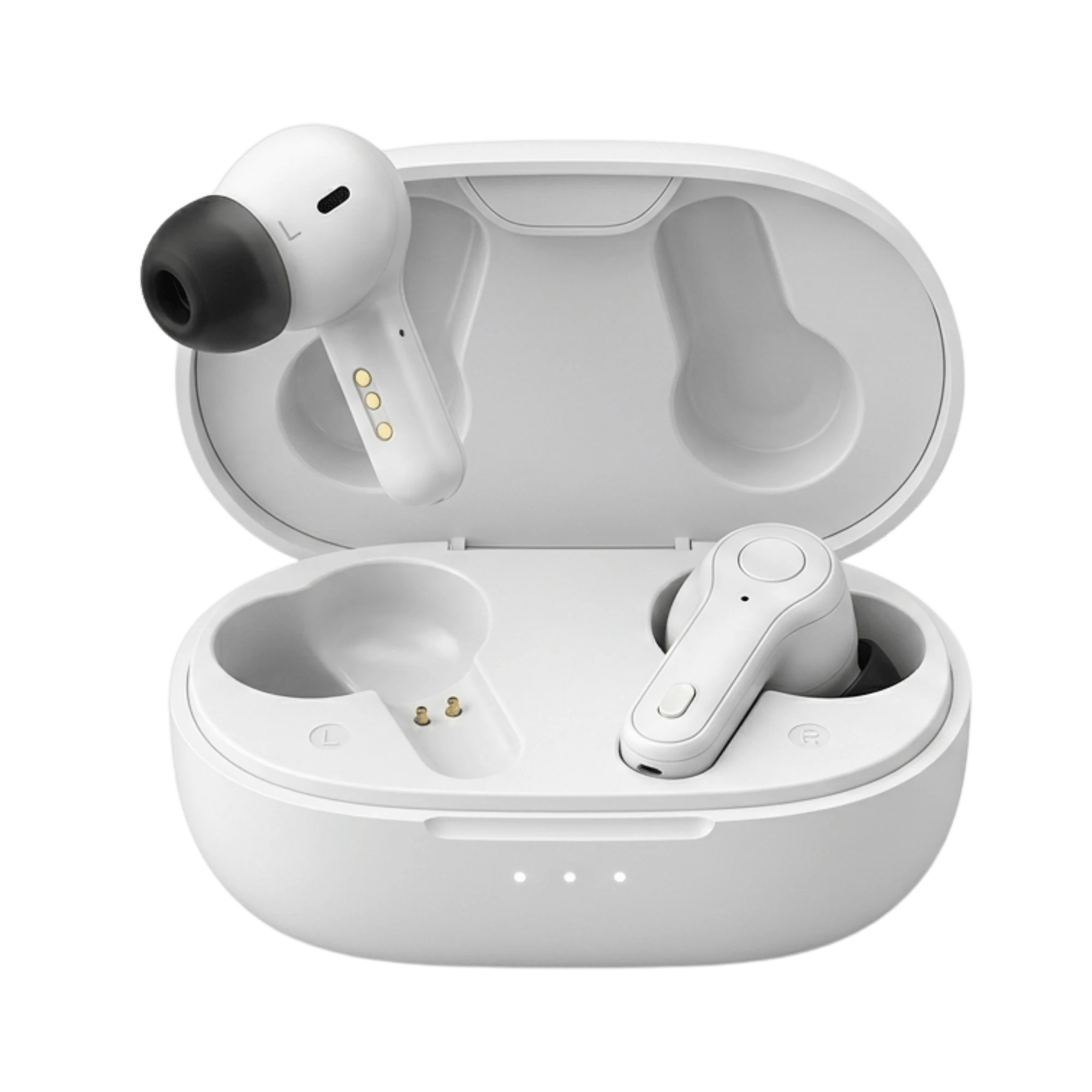
Panda Air earbud-style FDA-OTC hearing aid with fast-charge case

Untreated Hearing Loss May Change How Your Voice Sounds

A prospective study of 150 adults finds that as untreated sensorineural hearing loss deepens, small but measurable changes appear in voice quality, pitch, and how much people feel their voice holds them back.

We tend to think of hearing and speaking as separate skills, one belonging to the ears and the other to the throat. In reality they form a loop. Every time you talk, your ears monitor your own voice and feed corrections back to the muscles that produce it, adjusting loudness, pitch, and clarity on the fly.

A new study from an ear, nose, and throat team in Türkiye asks what happens to that loop when hearing loss goes untreated, and whether the voice itself starts to show the strain as hearing declines from mild to severe.

About This Study
Title: Objective and Subjective Evaluation of Voice Across Different Degrees of Sensorineural Hearing Loss
Authors: Veli Kırbaç, Mustafa Şahin
Affiliations: Department of Otorhinolaryngology, Faculty of Medicine, Aydın Adnan Menderes University, Türkiye
Journal: Journal of Voice, published online August 21, 2026
Study type: Prospective cross-sectional study
PubMed DOI: 10.1016/j.jvoice.2026.07.057

Background: Why the Researchers Looked at This

Sensorineural hearing loss, the most common type in adults, arises in the inner ear or hearing nerve rather than from a blockage. Because it usually develops gradually, many people live with it for years before seeking help, and during those years their auditory feedback, the ability to hear themselves speak, quietly degrades.

Earlier research has hinted that people with hearing loss speak louder or with altered pitch, but few studies have systematically compared voices across the full range of hearing levels using both objective instruments and the speaker's own experience. The researchers wanted to know whether voice changes track the severity of hearing loss in a stepwise way.

To do that they combined several tools: GRBAS, a standard scale on which trained listeners rate voice quality; videolaryngostroboscopy, a slow-motion camera view of the vocal cords vibrating; acoustic analysis of recordings; and the Voice Handicap Index-10, a questionnaire capturing how much a person feels limited by their voice.

How the Study Was Done

The team enrolled 150 adults, divided equally into five groups of 30 by hearing threshold: normal hearing (better than 25 dB HL), mild loss (26 to 40 dB HL), moderate loss (41 to 55 dB HL), moderately severe loss (56 to 70 dB HL), and severe loss (71 to 90 dB HL). Importantly, the hearing loss in these groups was untreated bilateral sensorineural loss.

Every participant received the full voice workup: perceptual GRBAS ratings, stroboscopic examination of vocal cord vibration, maximum phonation time, the s/z ratio (a breath-control measure), acoustic analysis, and the VHI-10 questionnaire. The researchers then compared groups statistically, checked for ordered trends across severity levels, and adjusted for age and sex.

What the Researchers Found

Self-reported voice complaints and habitual shouting differed sharply across the groups (P < 0.001 for both) and were most prominent in the severe hearing loss group. Rated vocal loudness categories also differed (P = 0.007), consistent with people raising their voices as their own hearing faded.

The objective measures moved in the same direction. Regularity of vocal cord vibration on stroboscopy, total GRBAS scores, fundamental frequency (the physical measure of vocal pitch), and VHI-10 scores all differed significantly across groups, with P values ranging from less than 0.001 to 0.002.

Beyond group differences, the study found ordered trends: the worse the hearing, the higher the measured values tended to be. Correlations were modest but consistent, at 0.288 for vibratory irregularity, 0.281 for GRBAS total, 0.350 for fundamental frequency, and 0.263 for self-reported voice handicap, all statistically significant.

The authors are careful about interpretation. These are associations, not proof of cause, though impaired auditory feedback is the mechanism they consider most plausible, and they call for longitudinal and interventional studies to confirm it.

What It Means for People with Hearing Loss

The study adds a less familiar entry to the list of ways untreated hearing loss touches daily life. Beyond straining to follow conversation, a person may gradually talk louder, shout more, drift in pitch, and come to feel that their voice itself is letting them down, all without realizing the two problems are connected.

For families, this offers a useful early signal. When a relative's voice seems louder or rougher than it used to be, the explanation may sit in the ears rather than the throat, and a hearing check is a sensible first step.

Closing the Feedback Loop Between Ear and Voice

The thread running through this study is the word untreated. The voice differences appeared in adults whose hearing loss had not been addressed, which is a reminder that restoring audibility, including the sound of your own voice, is part of what amplification is for. Newer FDA-OTC hearing aids are designed to lower the barrier to taking that first step.

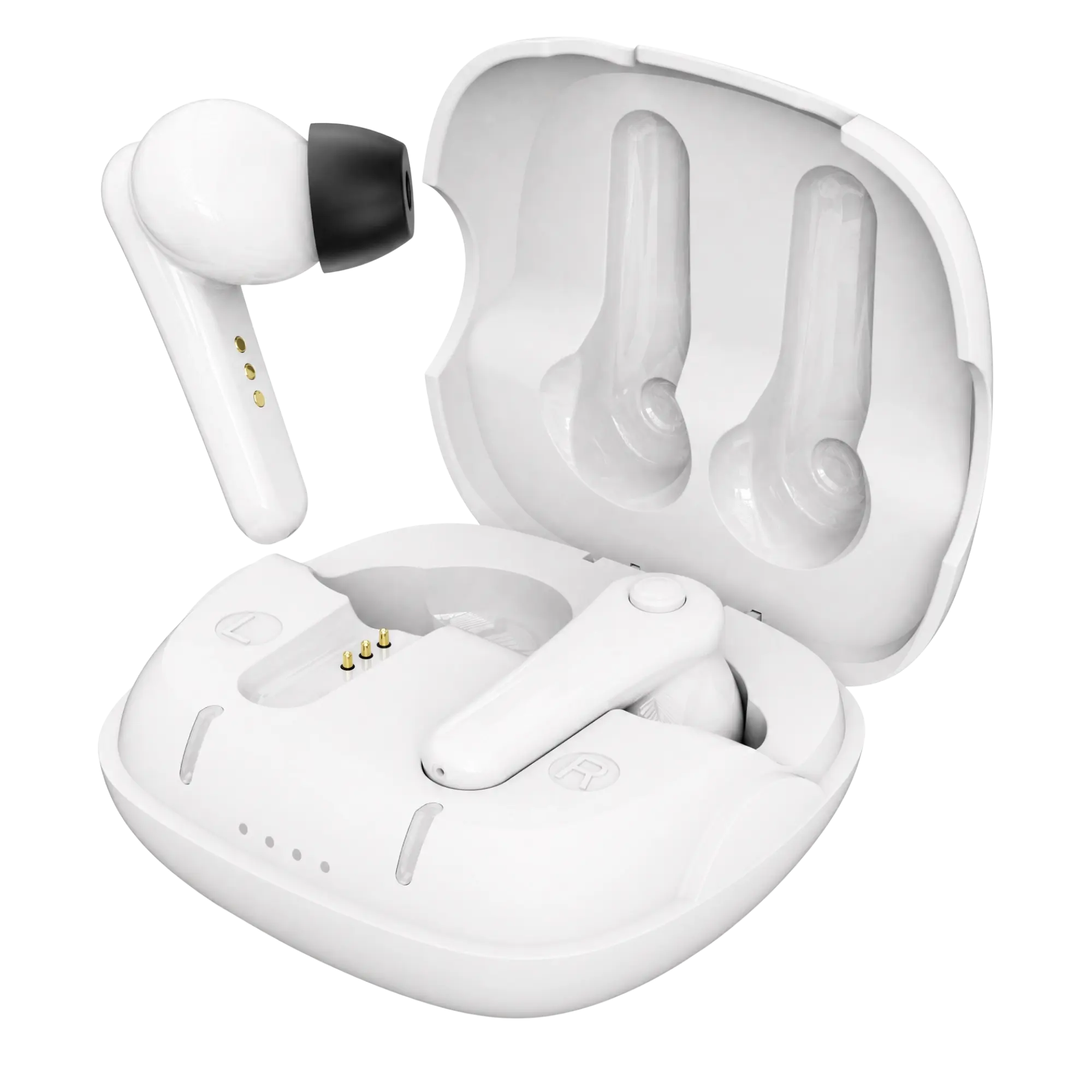
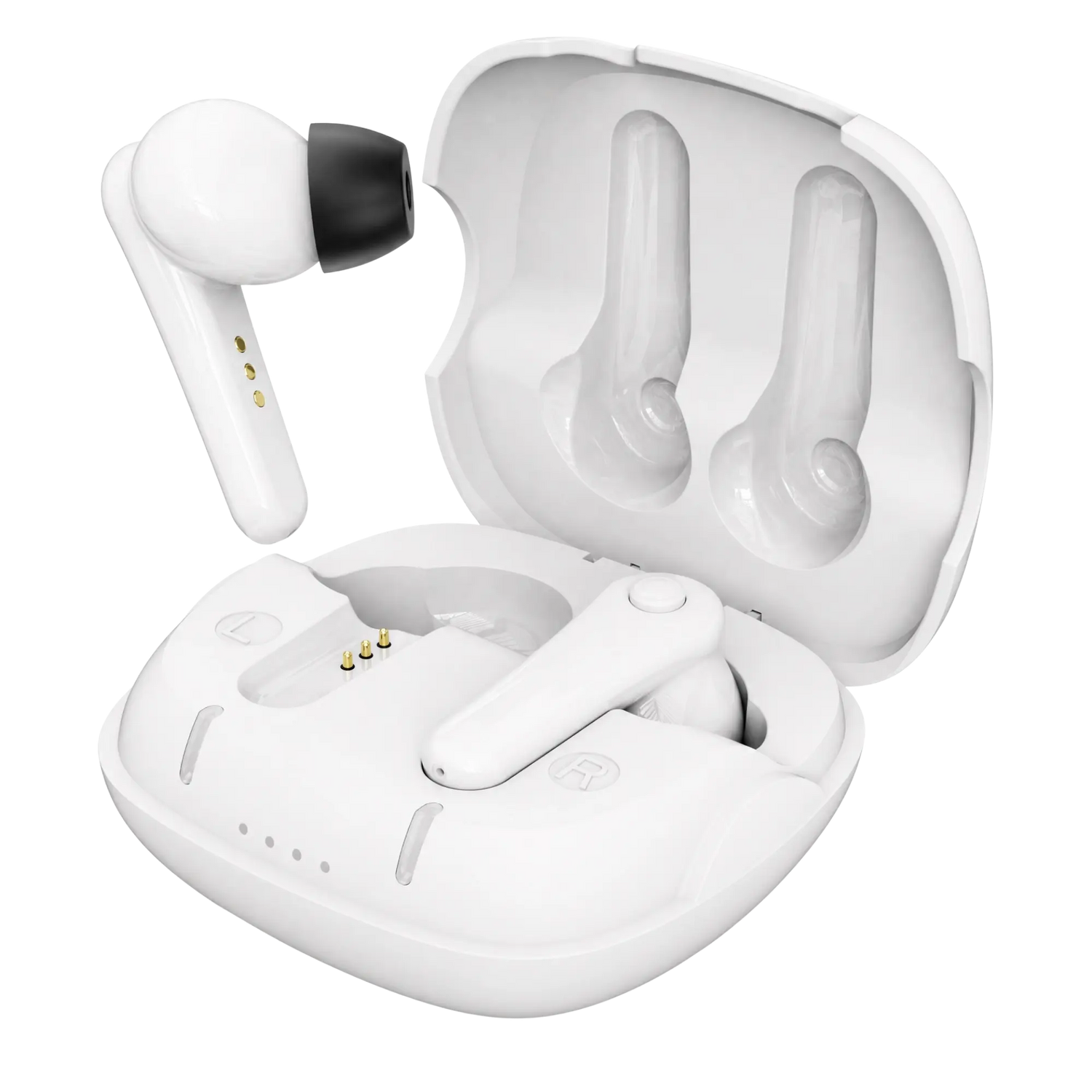
Panda Air is one such device, a modern earbud-style FDA-OTC hearing aid with 16-channel WDRC processing and multi-band adaptive noise reduction, plus a fast-charge case that provides 60 hours of total use. As a self-fitting OTC hearing aid, Air offers an optional app-based in-ear hearing test that can personalize gain and frequency response to your hearing profile, and it works out of the box without the app or the test. It streams calls, TV, and music over Bluetooth and comes with a 5-year warranty and a 45-day trial that begins when the product arrives.

One caveat matches this study directly: its severest group had 71 to 90 dB HL losses, and OTC hearing aids are approved for mild-to-moderate hearing loss. People with severe or profound loss still benefit most from clinical fittings.

Panda Air earbud-style FDA-OTC hearing aid with fast-charge case

Limitations of This Research

As a cross-sectional study, this research captures a snapshot rather than change over time, so it cannot prove that hearing loss caused the voice differences. Participants came from a single center, and the equal group sizes were set by design, so the findings describe patterns rather than how common voice problems are among all people with hearing loss. Funding sources and potential conflicts of interest were not detailed in the abstract reviewed for this article.

Where This Leaves Us

Hearing loss rarely stays in its lane. This study suggests it can reach into the voice itself, subtly reshaping how a person sounds to others. That is one more reason to treat gradual hearing changes as something to check early rather than accommodate indefinitely, because the ear and the voice do their best work together.

Kırbaç V, Şahin M. Objective and Subjective Evaluation of Voice Across Different Degrees of Sensorineural Hearing Loss. Journal of Voice. 2026. Retrieved from PubMed. https://doi.org/10.1016/j.jvoice.2026.07.057
前後の記事を読む

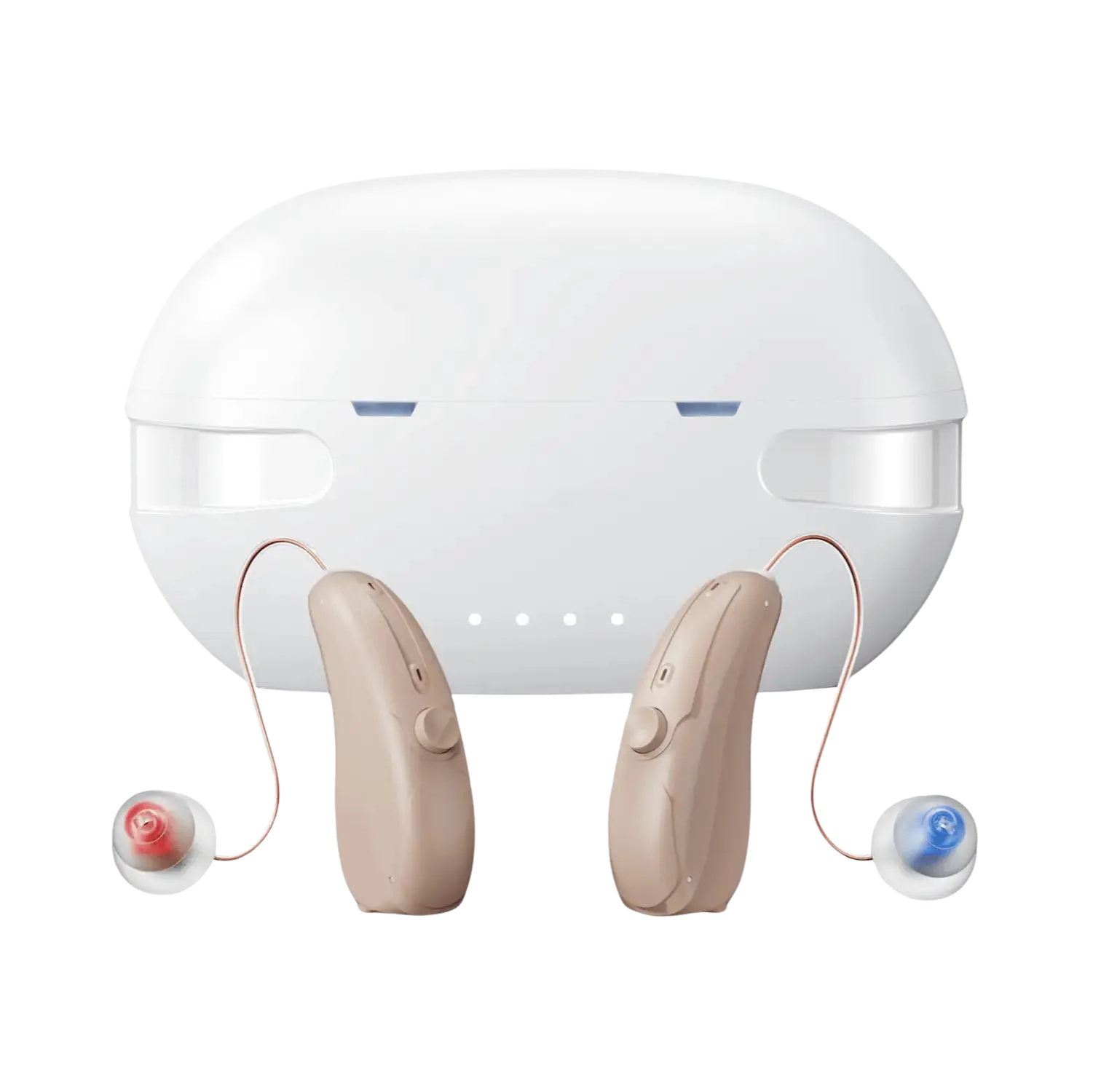
Panda Quantum 16-channel FDA-OTC receiver-in-canal hearing aid in beige
Panda Air earbud-style OTC hearing aids with fast-charge case

お問い合わせ

適切な Panda® 補聴器を選択するのにサポートが必要ですか?

当社のサポート チームは、Panda® Stealth、Panda® Air、Panda® Quantum の比較、注文前の質問への回答、既存の購入のサポートをいたします。