Air

Parents Back Newborn Hearing Screening but Skip Follow-Up, Study Finds

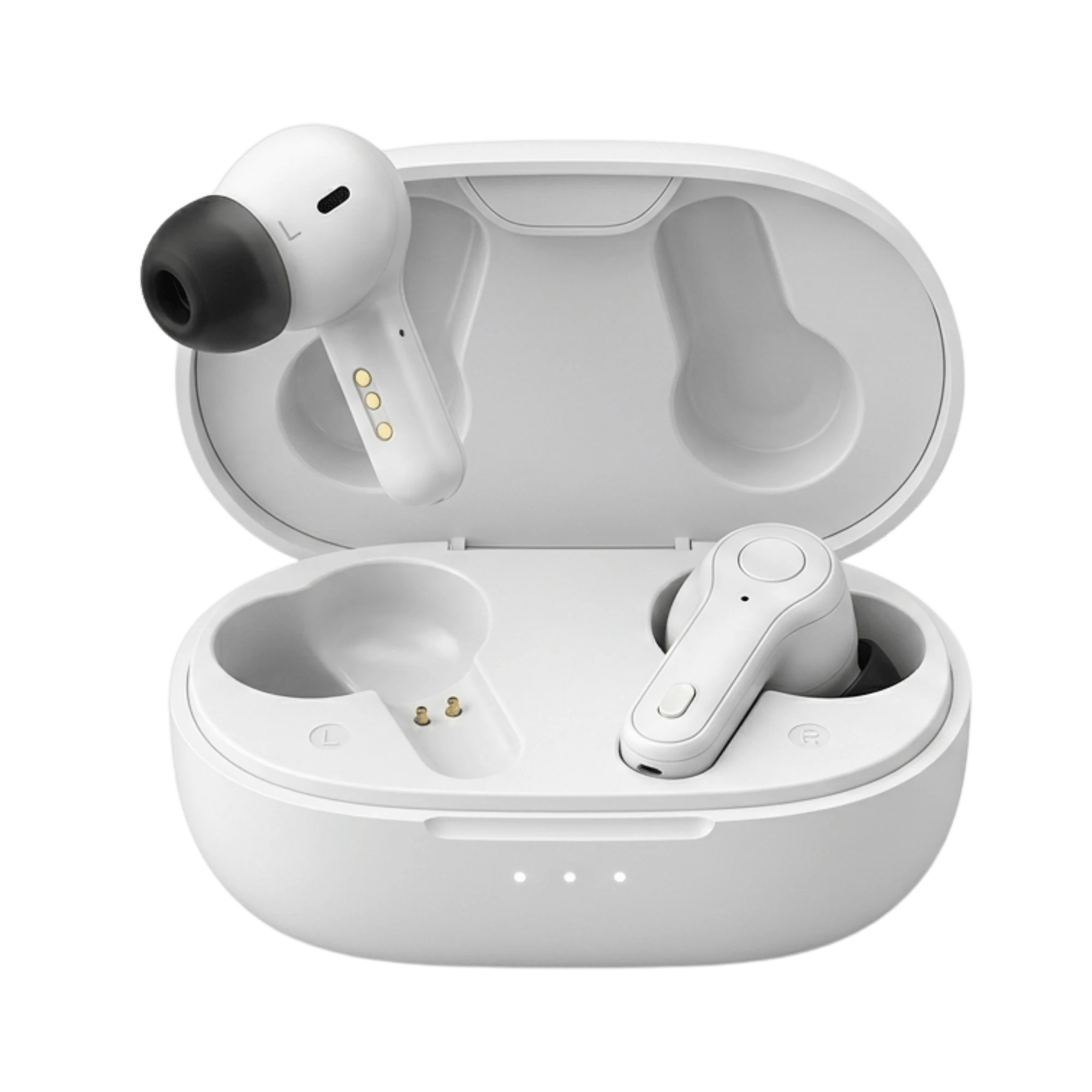
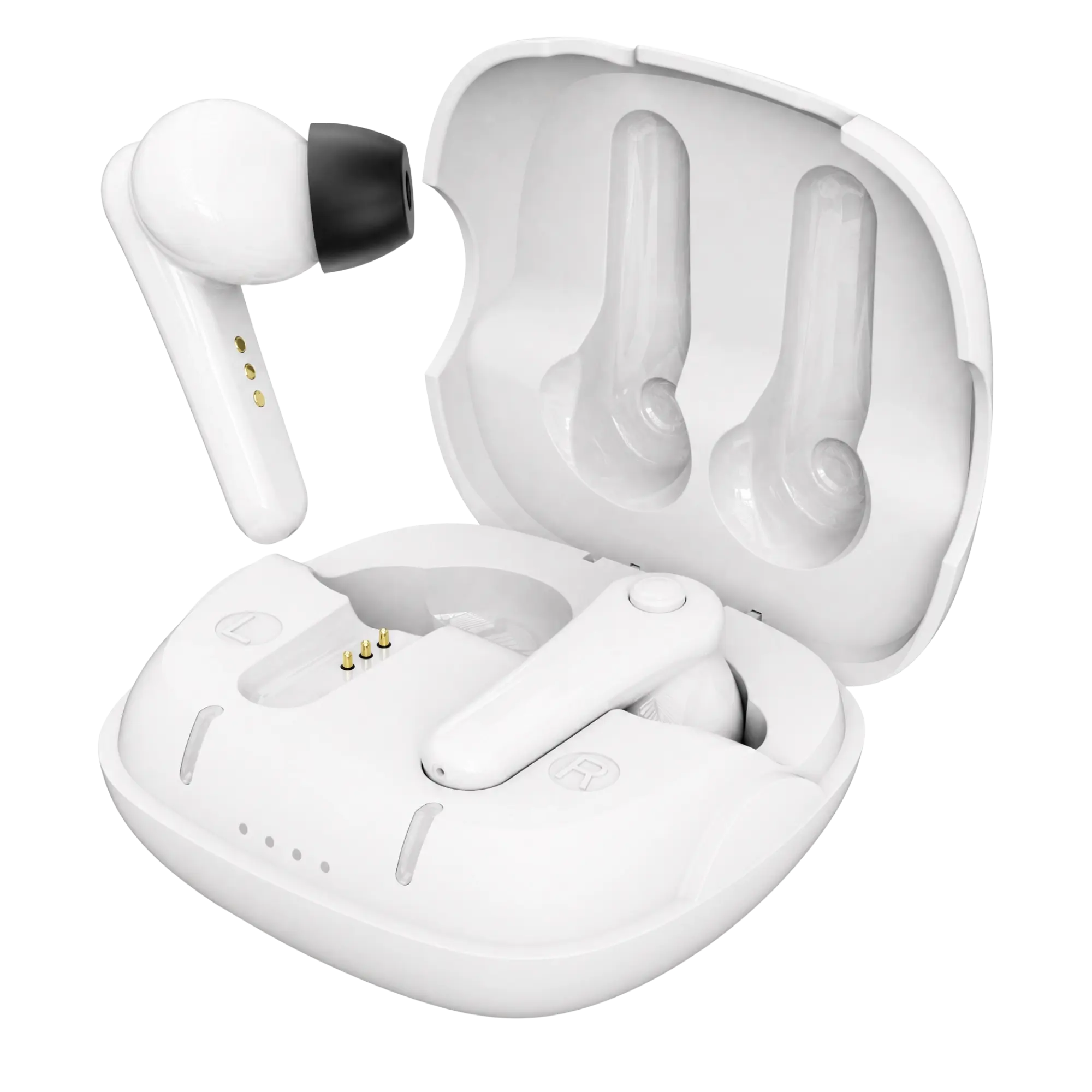
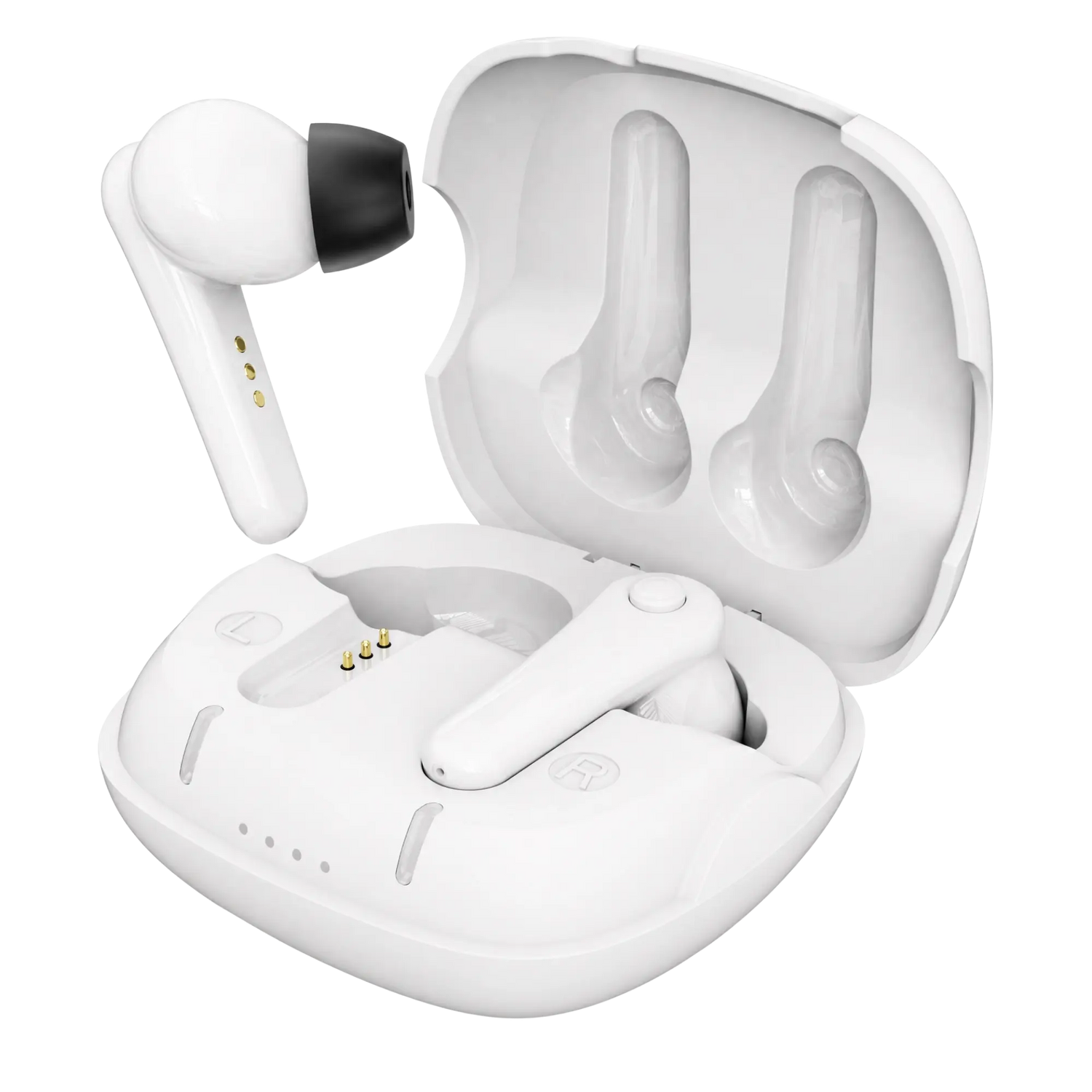
Panda Air earbud-style OTC hearing aids with fast-charge case

Parents Back Newborn Hearing Screening but Skip Follow-Up, Study Finds

A survey of 494 parents at a tertiary care hospital in North India found broad support for newborn hearing screening alongside a striking blind spot: nearly 92 percent saw no need for the follow-up testing that turns a screen into a diagnosis.

Every year, many children are born with hearing loss that could be identified in the first weeks of life. Newborn hearing screening programs exist precisely for this reason. Caught early, childhood hearing loss can be managed in time to protect speech, language, and cognitive development. Caught late, the same condition can quietly shape a child's entire educational path.

But screening is only the first link in a longer chain. A newborn who does not pass the initial screen needs confirmatory testing, and a child with confirmed hearing loss needs timely intervention. A new study from India asked a practical question: do parents actually understand this chain? The answers reveal exactly where public health messaging is falling short.

Title: A Situation Analysis of Parental Awareness Regarding Childhood Hearing Loss to Inform Health Communication Strategy

Authors: Monika Patel, Shruti Singh, Ujjwal Sourav, Hukam Singh, Rahul Bagla

Affiliations: Department of Otorhinolaryngology and Head and Neck Surgery and Department of Community Medicine, Government Institute of Medical Sciences, Greater Noida, India; Department of Community Medicine, Amrita School of Medical Sciences, Faridabad, India

Journal: Cureus, published July 22, 2026

Study type: Cross-sectional questionnaire-based survey

PubMed DOI: 10.7759/cureus.113150

Background: Why the Researchers Looked at This

The research team, based at the Government Institute of Medical Sciences in Greater Noida, works in a setting where universal newborn hearing screening, often shortened to UNHS, is still being scaled up. UNHS means testing every newborn's hearing before discharge rather than only infants with obvious risk factors. That universal approach matters because a large share of childhood hearing loss occurs in babies with no known risk factors at all.

The researchers designed the study as a knowledge, attitudes, and practices survey, usually abbreviated KAP. This is a standard public health tool: knowledge questions measure what people know about a condition, attitude questions measure how they feel about screening and treatment, and practice questions capture what families actually do. The stated goal was not to grade parents but to identify the specific gaps a health communication campaign should target.

How the Study Was Done

The survey ran at a tertiary care hospital in North India from November 2023 to October 2024 and enrolled 494 parents and caregivers. Data were collected in face-to-face interviews conducted in Hindi, using a pre-validated, semi-structured questionnaire covering risk factors for childhood hearing loss, early diagnosis, attitudes toward screening and treatment, and care-seeking practices.

Rather than stopping at percentages, the team ran the results through a formal situation analysis. Using the Johns Hopkins P-Process, a structured framework for designing health communication programs, they organized the findings into a SWOT matrix of strengths, weaknesses, opportunities, and threats. The result reads less like a report card and more like a strategic roadmap for health authorities.

What the Researchers Found

The headline finding is what the authors call a service-utilization paradox. Support for newborn hearing screening was very high: 420 of 494 participants, or 85 percent, endorsed it. Yet 454 participants, a remarkable 91.9 percent, incorrectly believed that subsequent testing after the initial screen was unnecessary. The authors label this pattern follow-up apathy, and it matters because screening without confirmatory follow-up cannot deliver a diagnosis, let alone treatment.

Knowledge of risk factors was strongly skewed toward what the researchers describe as visible risks. Ear discharge was recognized as a warning sign by 459 participants (92.9 percent) and measles by 405 (82 percent). Awareness of invisible prenatal and perinatal risks, such as a stay in the neonatal intensive care unit or maternal infections during pregnancy, remained poor.

Two other numbers stand out. Only 30 participants, about 6.1 percent, were aware of government facilities offering hearing services. And fewer than half of the parents believed that a child with hearing loss could go on to develop normal speech, an attitude the authors describe as outcome pessimism and classify as an external threat to the screening program's success.

On the positive side of the SWOT matrix, the sample showed high graduate-level literacy and strong vaccination compliance, with 396 participants (80.2 percent) keeping up with immunizations. The authors see that as a concrete opportunity: families already show up reliably for vaccines, so immunization clinics could double as touchpoints for hearing health education.

What It Means for People with Hearing Loss

The study's core lesson is that awareness and follow-through are different things. Parents in this sample were not opposed to screening; overwhelmingly, they supported it. What they lacked was an understanding that the first screen is a starting point, not a verdict. Communication campaigns that celebrate screening rates while ignoring the follow-up step may be winning the wrong battle.

The finding on outcome pessimism may be the most consequential. A parent who does not believe treatment leads anywhere has little reason to return for confirmatory testing. The authors argue that messaging should lead with what is possible: with early identification and intervention, many children with hearing loss develop age-appropriate speech and language. Belief in the outcome drives the behavior.

When Awareness, Not Technology, Is the Barrier to Hearing Care

This study is about children, and childhood hearing loss belongs firmly in clinical hands, with pediatric audiologists, confirmatory testing, and professionally managed intervention. But the pattern the researchers describe, where people acknowledge a hearing concern yet never take the next step, is just as familiar in adult hearing care. Adults commonly wait years between first noticing difficulty and acting on it, with awareness, cost, and access among the most cited barriers.

Panda Air earbud-style OTC hearing aids with fast-charge case

Closing that gap for adults with mild-to-moderate hearing loss is exactly what FDA-OTC hearing aids were designed to do. Panda Air is one example: a modern earbud-style device in the category of self-fitting OTC hearing aids, with 16-channel WDRC sound processing, multi-band adaptive noise reduction, and a fast-charge case that provides 60 hours of total listening time.

An optional companion app can run a frequency-specific hearing test through the aids themselves and personalize gain and frequency response to the user's hearing profile, though Air also works out of the box without the app or the test. Bluetooth for calls, TV, and music, a 5-year warranty, and a 45-day trial that begins when the product arrives round out the package. One caveat worth repeating: OTC hearing aids are approved for adults with mild-to-moderate hearing loss, while children and people with severe or profound loss benefit most from clinical care.

Limitations of This Research

This was a single-center survey at one tertiary care hospital, and participants already connected to hospital services may be better informed than the general population, so the true awareness gaps in the community could be wider than reported here. The cross-sectional design captures one moment in time, and face-to-face interviews can nudge respondents toward socially desirable answers. The published abstract does not detail funding sources or conflicts of interest.

What to Do With This

For parents, the message is simple: a newborn hearing screen is the beginning of the process, not the end, and a referral for follow-up testing deserves the same urgency as any other pediatric appointment. For health systems, the study offers a practical blueprint, pairing hearing health messaging with the immunization visits families already attend. And for adults who have been putting off their own hearing follow-up for years, the lesson lands just as squarely.

Patel M, Singh S, Sourav U, Singh H, Bagla R. A Situation Analysis of Parental Awareness Regarding Childhood Hearing Loss to Inform Health Communication Strategy. Cureus. 2026;18(7):e113150. Retrieved from PubMed. https://doi.org/10.7759/cureus.113150

前後の記事を読む

Panda Air earbud-style FDA-OTC hearing aid with fast-charge case
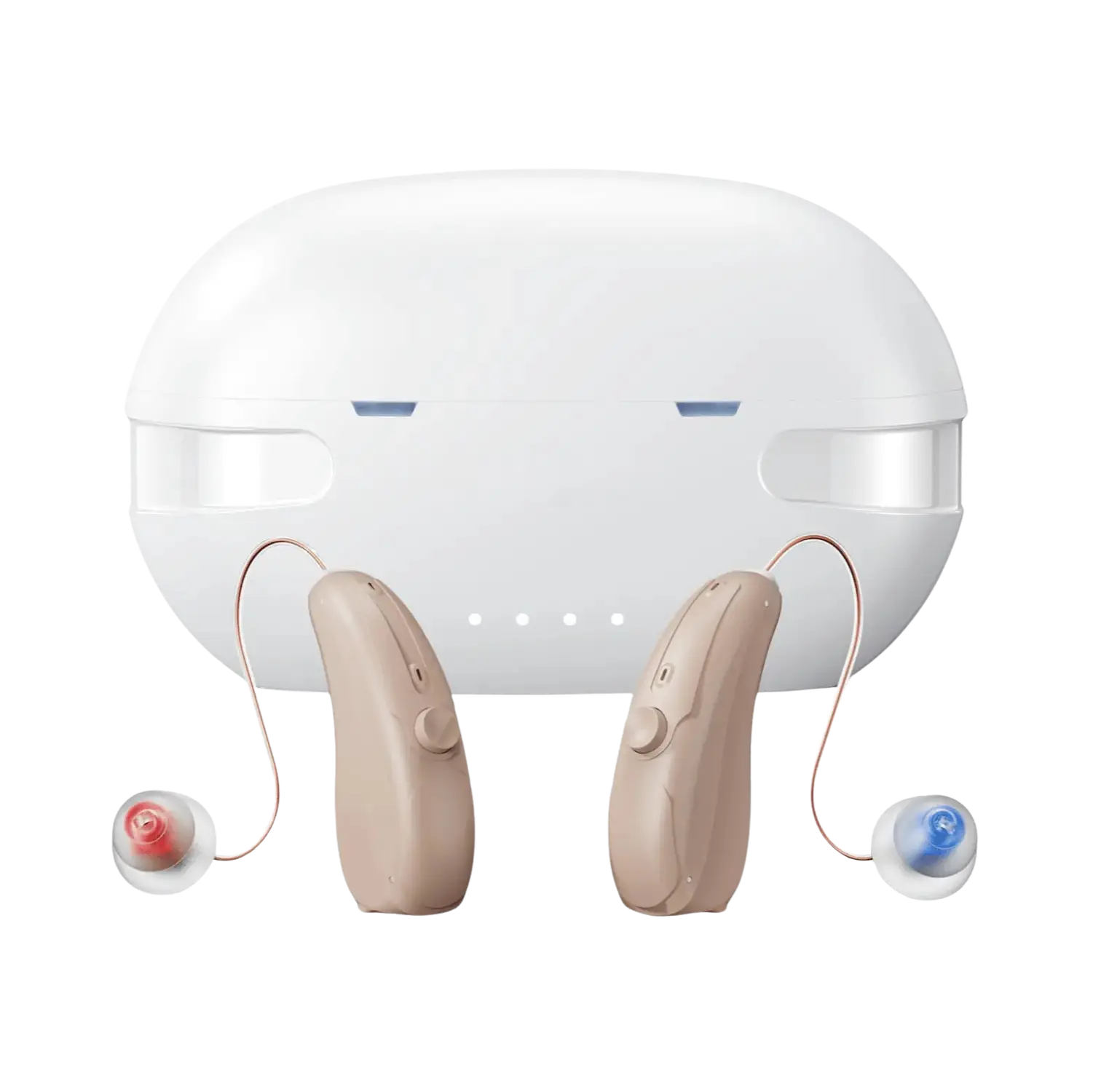
Panda Quantum 16-channel receiver-in-canal hearing aid in beige

お問い合わせ

適切な Panda® 補聴器を選択するのにサポートが必要ですか?

当社のサポート チームは、Panda® Stealth、Panda® Air、Panda® Quantum の比較、注文前の質問への回答、既存の購入のサポートをいたします。