屋内の騒音が高齢者の日常生活を静かに変えている――オーストラリアの研究で判明
オーストラリアの新たな研究によると、多くの高齢者が騒がしい店舗やフードコート、クラブにすっかり疲弊し、地域生活に参加する時間帯や場所、方法を変えていることがわかりました。
土曜日に混雑したショッピングセンターに足を踏み入れると、何よりも先に音が押し寄せてきます。館内放送に重なるBGM、ショッピングカート、エスプレッソマシン、そして何百もの重なり合う会話。多くの高齢者にとって、この音の環境は単なる背景ではありません。その場にとどまるか、早めに帰るか、あるいはまったく来なくなるかを左右する、現実の障壁なのです。
オーストラリア・ニューサウスウェールズ州の研究チームは、地域で暮らす高齢者が屋内の騒音にどれほど敏感であるかを測定し、その敏感さが日々の選択にどう影響しているかを明らかにしようとしました。その結果は、本来なら地域で活動的に過ごしたいと願う人々の生活習慣を、騒音が静かに左右していることを示唆しています。
タイトル:The Big Bang: How Does Indoor Noise Affect Lifestyle Choices of Older Community-Dwelling Adults? An Exploratory Mixed Methods Study(The Big Bang:屋内の騒音は地域在住高齢者の生活上の選択にどう影響するか?探索的混合研究法による研究)
著者:Alison Short、Danielle Ní Chróinín、Heavenlia Rajendran、Christopher Poulos、Anne Hogden
所属:UNSW Sydney、Western Sydney University、Liverpool Hospital、HammondCare Centre for Positive Ageing(オーストラリア)
掲載誌:Australasian Journal on Ageing(2026年9月)
研究デザイン:探索的混合研究法(アンケート調査とフォーカスグループ)
PubMed DOI:https://doi.org/10.1111/ajag.70226
背景:研究者たちがこのテーマに取り組んだ理由
聴こえは年齢とともに自然に変化します。医学的には老人性難聴と呼ばれる加齢性難聴は、会話を周囲の音から聞き分けることを難しくし、60歳以上の成人の多くに影響を及ぼします。しかし本研究の研究者たちが関心を寄せたのは、それと関連しながらも別のもの、つまり「騒音感受性」でした。これは、日常の音をどの程度わずらわしく、疲れる、あるいは苦痛に感じるかを表すものです。騒音感受性は、測定可能な難聴の有無にかかわらず生じることがあります。
店舗やカフェ、社交クラブといった地域の施設は、高齢期の人付き合いの多くが行われる場所です。騒音によって高齢者がそうした場所から遠ざけられるとしたら、失われるのは快適さだけではありません。幅広い研究文献において、地域生活への参加の減少は孤独感や社会的孤立と関連しており、それらはさらに高齢期の健康状態の悪化とも関連しています。
それにもかかわらず、屋内の音環境を高齢者がどう感じ、それに対してどう行動しているかを本人に直接尋ねた研究はほとんどありませんでした。本研究は、そのギャップを埋めることを目指しました。
研究の方法
研究者たちは、オーストラリア・ニューサウスウェールズ州の自立型高齢者住宅コミュニティで暮らす高齢者を対象に研究を行いました。50人の居住者が、任意・匿名の紙のアンケートに回答しました。このアンケートには、確立された2つの尺度の項目が含まれていました。15点満点で採点される3項目の短い尺度であるNoise Sensitivity Scaleと、日常のさまざまな場面での感受性を網羅するより長い尺度であるNoise Sensitivity Questionnaireです。
数字の背後にある実情を理解するため、研究チームはその後、20人の参加者による4つのフォーカスグループを実施しました。この話し合いでは、ショッピングセンターからクラブまで、居住者が実際に訪れる施設の屋内の音環境をどのように体験しているか、そしてどのような対処法を用いているかを探りました。数値によるアンケートデータと質的な話し合いを組み合わせていることから、本研究は混合研究法のデザインとされています。
研究で明らかになったこと
参加者は全体として、騒音に対してやや高い感受性を示しました。3項目のNoise Sensitivity Scaleの中央値は15点中9点で、参加者の中間の半数は8~10点の範囲でした。
補聴器を使っている方にとって特に目を引く結果があります。50人の参加者のうち23人が補聴器を使用しており、これらの参加者はNoise Sensitivity Questionnaireの合計スコアが高くなる可能性が、低くなるどころか、むしろ高かったのです。オッズ比は1点増えるごとに1.15(95%信頼区間1.01~1.30、p値0.03)でした。簡単に言えば、このグループでは補聴器を装用していても騒音によるわずらわしさから守られてはおらず、補聴器の使用者はコミュニティの中でもより騒音に敏感な人々である傾向があったということです。
参加者は、どの施設が問題になるかについて一貫した回答をしました。50人中32人がショッピング施設を、50人中32人がフードコートを、50人中24人がクラブを騒がしい場所として挙げています。これらはまさに、用事を済ませたり、食事をしたり、人と集まったりする場所です。
フォーカスグループからは3つのテーマが浮かび上がりました。第一に、参加者は騒音と音楽をはっきりと区別していました。同じ音量でも、なじみのある音楽なら歓迎され、無秩序な物音なら耐えがたいものになりえます。第二に、音を受け入れられるかどうかは状況によって異なり、その日の体調や、その音が必要なものに思えるかどうかにも左右されていました。第三に、参加者は補聴器の調整、店舗での買い物の代わりにオンラインショッピングを利用すること、混雑していない静かな時間帯を意図的に選んで出かけることなど、さまざまな対処法を挙げていました。
難聴のある方にとっての意味
浮かび上がってくるのは、静かな適応の姿です。多くの高齢者は不満を口にする代わりに、騒音を避けるように生活そのものを組み替えています。早めに出かけ、早めに帰り、オンラインで注文し、クラブの夜の集まりには参加しない。一つひとつの選択は理にかなっていますが、それらが積み重なると、誰も気づかないうちにその人の社会的な世界が狭まってしまう可能性があります。
補聴器の使用者のほうが騒音感受性が高かったという結果は、音を増幅するだけでは不十分であることを思い出させてくれます。背景の騒音を管理せずに音を大きくするだけでは、混雑した場所がかえってつらくなることもあります。機器が騒音をどう処理し、会話をそれ以外の音からどれだけうまく分離できるかは、人々が実際に暮らす現実の空間において非常に重要なのです。
著者らは、施設の運営者や地域社会が高齢の利用者と直接関わり、騒音に関するニーズを把握すべきだと主張しています。そうすれば、活動的でいるために公共の場から身を引く必要はなくなります。
騒音が予定を左右するとき、にぎやかな場所での会話の明瞭さが最も重要に
この研究では補聴器を装用している参加者が最も騒音に敏感な人々に含まれていたことから、補聴器が背景の音をどう処理するかは単なる技術的な細部ではありません。フードコートでのランチやクラブでの夜の集まりが「行ける」と感じられるかどうかを左右するものなのです。新しいFDA認可のOTC補聴器は、まさにこの問題を念頭に置いて設計されており、単純な増幅よりも騒がしい環境でのクリアな会話を優先しています。
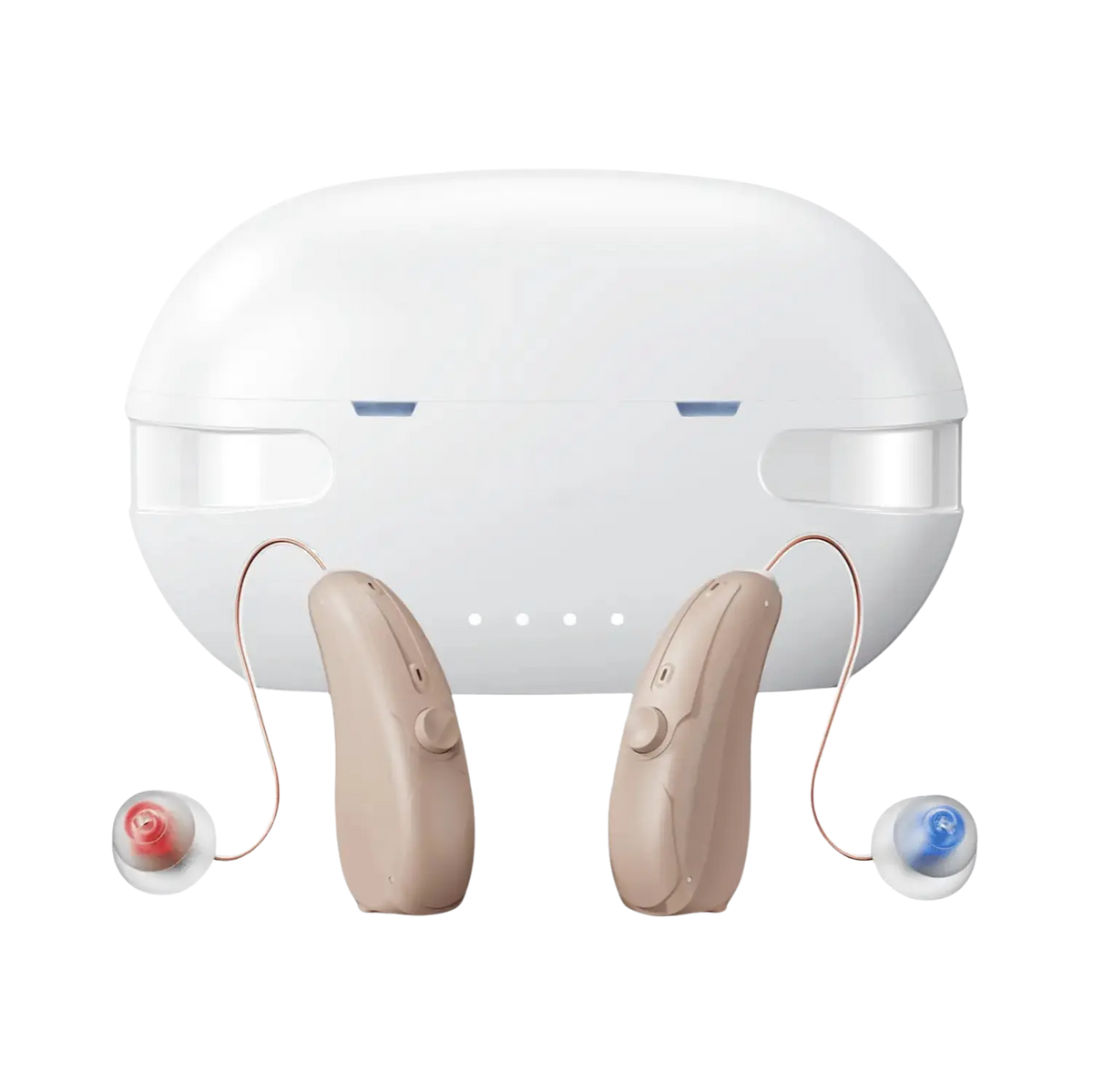
Panda Quantumは、このアプローチの一例です。騒音下での会話の聞き取りのために設計された適応型ノイズリダクションを備えた、16チャンネルの耳あな型レシーバー(RIC)補聴器です。1回の充電で20時間使用でき、充電ケースにはさらにフル充電3回分が蓄えられているため合計80時間使用でき、1週間分の外出にも十分です。オプションのコンパニオンアプリで耳内聴力テストを行い、あなたの聴力プロファイルに合わせて機器を調整することもできますが、アプリがなくてもQuantumはすべての機能をお使いいただけます。5年間の保証と、機器到着日から始まる45日間のお試し期間が付いています。詳しくはpandahearing.comをご覧ください。

知っておいていただきたい注意点があります。OTC(市販)補聴器は、軽度から中等度の難聴のある成人を対象に認可されています。重度または最重度の難聴のある方は、引き続き聴覚の専門家によるクリニックでのフィッティングが最も有益です。
本研究の限界
これはオーストラリアの一州にある単一の自立型高齢者住宅コミュニティの50人を対象とした探索的研究であるため、結果があらゆる地域の高齢者に当てはまるとは限りません。すべての指標は自己申告によるもので、研究者たちは参加者が挙げた施設内で客観的な音量測定を行っていません。フォーカスグループの参加者はさらに少なく、20人でした。
それでも、妥当性が検証された騒音感受性の尺度と詳細な質的証言を組み合わせたことで、本研究は屋内の音が実際の生活習慣をどう形づくっているかを、これまでになく明確に示しています。
まとめ
騒音が健康の問題として扱われることはめったにありませんが、この研究は、騒音が高齢者の買い物、食事、人付き合いの場所を静かに決めていることを示唆しています。家族として、施設の管理者として、あるいは聴覚ケアの提供者として、高齢の方に音環境について尋ねてみることで、標準的な聴力検査では決してわからないニーズが見えてくるかもしれません。ご自身については、自分の回避パターンに気づくことが有益な第一歩です。もし騒音に合わせて生活のタイミングを決めているなら、それは誰かに相談する価値のあることです。
Short A, Ní Chróinín D, Rajendran H, Poulos C, Hogden A. The Big Bang: How Does Indoor Noise Affect Lifestyle Choices of Older Community-Dwelling Adults? An Exploratory Mixed Methods Study. Australasian Journal on Ageing. 2026. PubMedより取得。https://doi.org/10.1111/ajag.70226