国際調査:高齢者の聴覚ケアはオージオグラムだけでは不十分
世界各地の人工内耳クリニックを対象とした調査で、高齢者の難聴治療には認知機能スクリーニング、チームによるケア、そして家族の積極的な関わりを含めるべきだという点で幅広い合意があること、さらに正式な臨床ガイドラインの策定が急務であることが明らかになりました。
難聴は高齢期に最もよく見られる健康上の問題のひとつであり、補聴器から人工内耳に至るまで、治療を求める高齢者の数は年々増えています。それにもかかわらず、60代、70代、さらにそれ以上の年代の方々にとって治療の道のりが実際にどのようなものなのかを調べた研究は、驚くほど少ないのが現状です。
そこで、聴覚の専門家からなる国際チームは、世界中の人工内耳クリニックに高齢患者の評価とケアの方法を直接尋ね、現在の診療実態を把握することにしました。その回答からは、聴覚を単一の検査結果としてではなく、その人全体に関わる問題として捉える傾向が強まっている現場の姿が浮かび上がります。
論文タイトル:Cochlear implantation in older adults: current routine and needs, a multi-centre scoping survey(高齢者における人工内耳:現在の診療と課題――多施設スコーピング調査)
著者:Dayse Távora-Vieira、Miryam Calvino、Christiane Völter、Javier Gavilán ほか
所属:Fiona Stanley Fremantle Hospital Group(パース)、La Paz University Hospital(マドリード)、Ruhr University Bochum、およびヨーロッパ、アジア、アフリカ、オーストラリア、南北アメリカの人工内耳センター
掲載誌:Acta Oto-Laryngologica(2026年9月4日オンライン公開)
研究デザイン:多施設スコーピング調査
背景:研究者がこのテーマに注目した理由
人工内耳は、手術によって埋め込む医療機器で、内耳の損傷した部分を迂回して聴神経を直接刺激します。一般的には、従来の補聴器では十分な効果が得られないほど難聴が重度の場合に検討されます。人口の高齢化に伴い、人工内耳の候補者に占める高齢者の割合は増え続けています。
高齢の患者さんには、若い患者さんにはあまり見られない考慮事項があります。たとえば、ほかの持病、認知機能や記憶力に関する懸念、支えてくれる人間関係の違い、そして多くの場合、何年もかけて徐々に進行してきた難聴などです。著者らは、高齢者の人工内耳治療の過程に関する研究は乏しく、各クリニックが独自の方法を模索せざるを得ない状況にあると指摘しています。
増え続けるこの患者層のためにガイドラインを作成するには、まず各クリニックが現在実際に何を行っているのかを記録する必要があります。それこそがスコーピング調査の目的です。
研究の方法
研究チームは、高齢者の難聴の評価方法と治療方法について、特に人工内耳に焦点を当てた39問の調査票を作成しました。この調査票は、ヨーロッパ、インド、日本、ロシア、南アフリカ、アルゼンチン、オーストラリア、カナダ、米国のセンターを含む、世界20か所の人工内耳クリニックに送付されました。
回答者には、「高齢者」をどのように定義しているか、術前評価に何を含めているか、人工内耳手術後のリハビリテーションをどのように組み立てているか、そして現在の診療において満たされていないニーズはどこにあると考えるか、といった質問が投げかけられました。
研究で明らかになったこと
回答したクリニックの多くは、人工内耳の文脈における高齢者を「60歳以上で、言語習得後に難聴が生じた人」と定義していました。こうした難聴は通常、さまざまな原因によって徐々に進行します。
評価については、明確な合意が見られました。高齢の人工内耳候補者の評価は、標準的な聴力検査の枠を超えて行うべきだという点です。回答者が特に挙げたのは、認知機能スクリーニングと、一人の専門医に判断を委ねるのではなく多職種チームが関わることでした。つまり、調査対象のクリニックは、オージオグラムだけでは高齢患者さんの治療成功を左右する要素を捉えきれないと考えているのです。
この調査では、聴覚リハビリテーションの社会的な側面も強調されました。回答者は、高齢の人工内耳装用者が機器に慣れ、その効果を得るうえで、パートナーや家族などの身近な人々と社会的サポートが重要な役割を果たすと指摘しています。家族は単なる傍観者ではなく、治療の一部を担う存在なのです。
最後に著者らは、高齢者の人工内耳治療の管理に特化したガイドラインが必要であると結論づけています。そうした指針は、現時点ではまだ存在しません。
難聴のある方にとっての意味
高齢者とそのご家族にとって、これは心強いメッセージです。先進的なクリニックでは、聴覚治療をその人全体を診るケアとして捉え、オージオグラムに加えて、記憶力や健康状態、そして周囲の人々のことも考慮するようになってきています。ご自身やご家族が人工内耳の評価を受ける際には、認知機能スクリーニングやチームによる評価が行われることを期待し、それについて質問するのは当然のことです。
社会的サポートの重視も、同じく実践的な意味を持ちます。配偶者や成人したお子さん、親しい友人に診察やリハビリテーションに同席してもらうことは、単なる精神的な支え以上のものです。今回調査されたクリニックは、それを質の高いケアの構成要素と考えています。
また今回の結果は、専門的な聴覚ケアが複数の評価、外科手術、体系的なリハビリテーションを伴う、いかに手間のかかるものであるかも浮き彫りにしています。重度の難聴にはこうした道のりが欠かせませんが、軽度の難聴の方の多くが助けを求めること自体を先延ばしにしてしまう理由の一端も、ここにあると言えるでしょう。
よりよい聞こえへの最初のハードルを下げる
この研究は聴覚ケアの中でも専門的な領域に焦点を当てていますが、その背景には、従来の受診ルートが費用面や心理的に負担に感じられるために、軽度の難聴を何年も放置している多くの高齢者の存在があります。新しいFDA認可のOTC(市販)補聴器は、軽度から中等度の難聴がある成人を対象に、この最初のハードルを下げるよう設計されています。
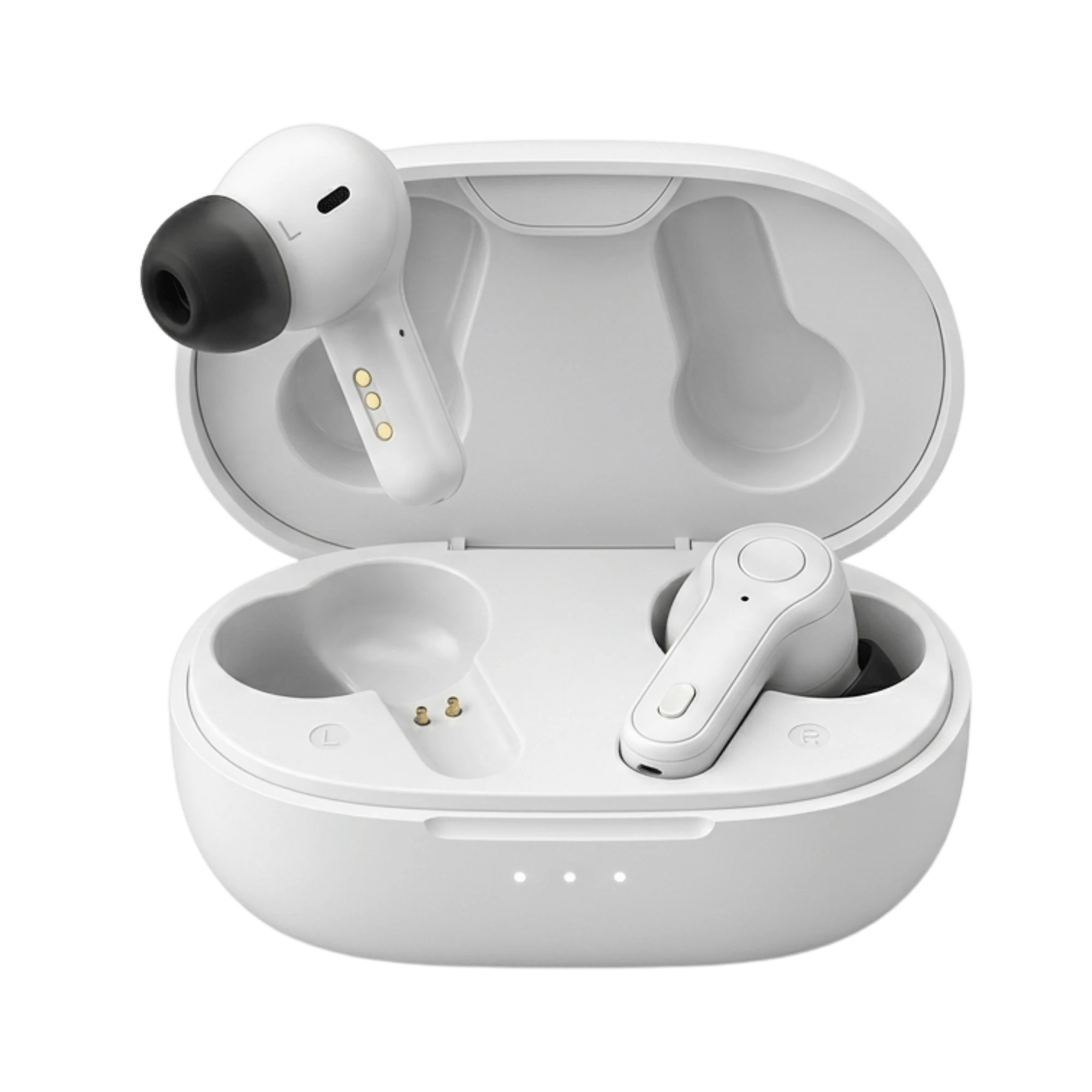
Panda Airはそうした製品のひとつで、イヤホン型のセルフフィッティングOTC補聴器です。16チャンネル処理とマルチバンド適応型ノイズリダクションを備えています。オプションのアプリを使えば、補聴器本体を通じて周波数別の聴力テストを行い、ご自身の聴力プロファイルに合わせて音を調整できます。また、アプリやテストを使わなくても、箱から出してすぐにお使いいただけます。急速充電ケースで合計60時間の使用が可能で、Bluetoothで通話やテレビ、音楽をストリーミングでき、5年保証と、商品到着日から始まる45日間のお試し期間が付いています。詳しくはpandahearing.comをご覧ください。
この境界線は重要であり、本研究はそれを改めて思い起こさせてくれます。OTC補聴器は軽度から中等度の難聴を対象として認可されたものであり、重度または最重度の難聴には、まさにこれらの人工内耳センターが提供しているような臨床的ケアが最も有効です。
本研究の限界
この調査は20か所のクリニックの見解と日常診療を反映したものであり、患者さんの転帰を測定したものではありません。また、詳細な調査票に回答する意欲のあるクリニックが、すべてのセンターを代表しているとは限りません。スコーピング調査は、どの方法が最も効果的かを検証するためではなく、診療の実態を把握し課題を明らかにするためのものです。公開された要旨には、患者さん個人レベルのデータは報告されていません。
この結果をどう活かすか
ご自身やご家族が難聴に悩んでいる場合、実践的なポイントは、重症度に応じた対応をとることです。重い難聴や急速に進行する難聴であれば臨床的な評価を受けること、質の高い専門ケアではオージオグラム以外の点も診てもらえると期待すること、そして身近な人々にもそのプロセスに関わってもらうことです。この調査が示唆するように、聴覚ケアは耳だけでなく人そのものを診るときに最も効果を発揮します。
Távora-Vieira D, Calvino M, Völter C, Gavilán J, et al. Cochlear implantation in older adults: current routine and needs - a multi-centre scoping survey. Acta Oto-Laryngologica. 2026. PubMedより取得。https://doi.org/10.1080/00016489.2026.2725513