Gli studenti di musica conoscono i rischi per il loro udito ma raramente agiscono, secondo uno studio
Le interviste a studenti universitari di musica in Sudafrica rivelano che la consapevolezza della perdita uditiva indotta dalla musica si traduce raramente in abitudini protettive, e gli studenti descrivono lacune in termini di conoscenze, risorse e supporto istituzionale.
I musicisti dipendono dalle proprie orecchie per vivere, eppure si formano e si esibiscono in alcune delle condizioni di lavoro più rumorose che esistano. Sale prove, fosse d'orchestra e lunghe sessioni di esercitazione raggiungono abitualmente livelli sonori che, se sostenuti per anni, possono causare danni permanenti.
La perdita uditiva indotta dalla musica è ben documentata tra i professionisti, e gli studenti dei corsi universitari di musica sono considerati particolarmente vulnerabili: sono esposti a livelli sonori elevati sia in ambito formativo sia nel tempo libero proprio all'inizio di lunghe carriere. Un nuovo studio qualitativo sudafricano indaga come questi studenti considerino e gestiscano concretamente la propria salute uditiva.
Titolo: Tertiary music students' hearing health behaviors: ignorance is not bliss
Autori: Sarah-Ann Soltau, Bridget Rennie-Salonen
Affiliazioni: Department of Music, Stellenbosch University, Stellenbosch, Sudafrica
Rivista: Frontiers in Psychology, pubblicato il 4 agosto 2026
Tipo di studio: Studio qualitativo basato su interviste
DOI PubMed: 10.3389/fpsyg.2026.1857791
Contesto: perché i ricercatori hanno approfondito questo tema
La perdita uditiva indotta dalla musica, talvolta abbreviata in MIHL, è una forma di perdita uditiva da rumore causata dall'esposizione prolungata a musica ad alto volume. In genere si sviluppa lentamente, è spesso accompagnata da acufene, un ronzio o fischio nelle orecchie, e una volta instaurata è permanente.
La ricerca sulla tutela dell'udito si è concentrata soprattutto sui lavoratori dell'industria, e gran parte degli studi dedicati ai musicisti proviene dal Nord America e dall'Europa. I dati sudafricani sulla salute uditiva dei musicisti sono scarsi. Le ricercatrici, che lavorano in un dipartimento universitario di musica, volevano capire non solo che cosa sanno gli studenti sui rischi per l'udito, ma anche come queste conoscenze, o la loro mancanza, influenzino ciò che fanno concretamente ogni giorno.
Come è stato condotto lo studio
Le ricercatrici hanno condotto interviste semistrutturate con 15 studenti di musica di un'università sudafricana, reclutati tramite campionamento di convenienza. Le interviste sono state trascritte parola per parola e analizzate in modo induttivo mediante analisi tematica riflessiva, un metodo che lascia emergere i temi da ciò che dicono i partecipanti anziché da categorie predefinite.
Dall'analisi sono emersi cinque temi principali: tutela dell'udito, dispositivi di protezione dell'udito, esposizione alla musica, ambiente professionale e responsabilità. Per interpretare i risultati, le autrici si sono basate su due modelli consolidati della psicologia della salute, l'Health Belief Model e il Behaviour Change Wheel, che descrivono come la percezione del rischio, degli ostacoli e delle proprie capacità si traduca, o non si traduca, in azione.
Che cosa hanno scoperto le ricercatrici
Gli studenti non erano ignari. Riconoscevano che la perdita uditiva indotta dalla musica è un rischio professionale reale e ammettevano di avere la responsabilità personale di proteggersi. Il titolo dello studio coglie il paradosso: la semplice inconsapevolezza non era il problema principale.
Nonostante questa consapevolezza, i comportamenti protettivi erano poco frequenti. Gli studenti usavano raramente dispositivi di protezione dell'udito come i tappi per le orecchie, e abitudini costanti di tutela dell'udito erano l'eccezione anziché la regola.
Gli ostacoli descritti dagli studenti erano concreti: conoscenze insufficienti su come e quando proteggere l'udito, scarsa formazione specifica sull'argomento, risorse limitate e mancanza di supporto istituzionale da parte del proprio ambiente formativo. Il divario tra sapere e fare dipendeva meno dall'atteggiamento e più dalle capacità e dalle opportunità.
Le autrici concludono che la promozione della salute uditiva deve essere integrata nella stessa formazione musicale universitaria, affrontando insieme conoscenze, risorse e ambiente istituzionale anziché lasciare la protezione alla forza di volontà del singolo.
Che cosa significa per le persone con perdita uditiva
Lo studio riguarda la prevenzione, ma descrive uno schema ricorrente in tutta la salute uditiva: la sola consapevolezza raramente cambia i comportamenti quando ci sono ostacoli pratici. Spesso le persone sanno che il loro udito è a rischio, o che sta già peggiorando, eppure rimandano per anni perché chiedere aiuto sembra complicato, costoso o fuori portata.
Per i giovani musicisti, la lezione immediata è proteggersi fin da subito, sottoporsi a esami dell'udito di riferimento e sollecitare le proprie istituzioni a fornire formazione e risorse. Per chi ha già alle spalle i propri anni rumorosi, la lezione è diversa: i danni causati dall'esposizione al suono sono permanenti, per cui è importante riconoscerne i segnali, come la difficoltà a seguire il parlato nel rumore o il fischio nelle orecchie dopo eventi rumorosi, e intervenire tempestivamente.
Quando l'ostacolo sono le risorse, non la consapevolezza
Poiché questo studio ha rilevato che a impedire agli studenti di proteggere il proprio udito erano risorse e supporto limitati, e non la mancanza di interesse, richiama il principale ostacolo nell'assistenza uditiva in generale: costi e accessibilità. I più recenti apparecchi acustici OTC approvati dalla FDA sono nati proprio per abbassare questa barriera per gli adulti con perdita uditiva da lieve a moderata.
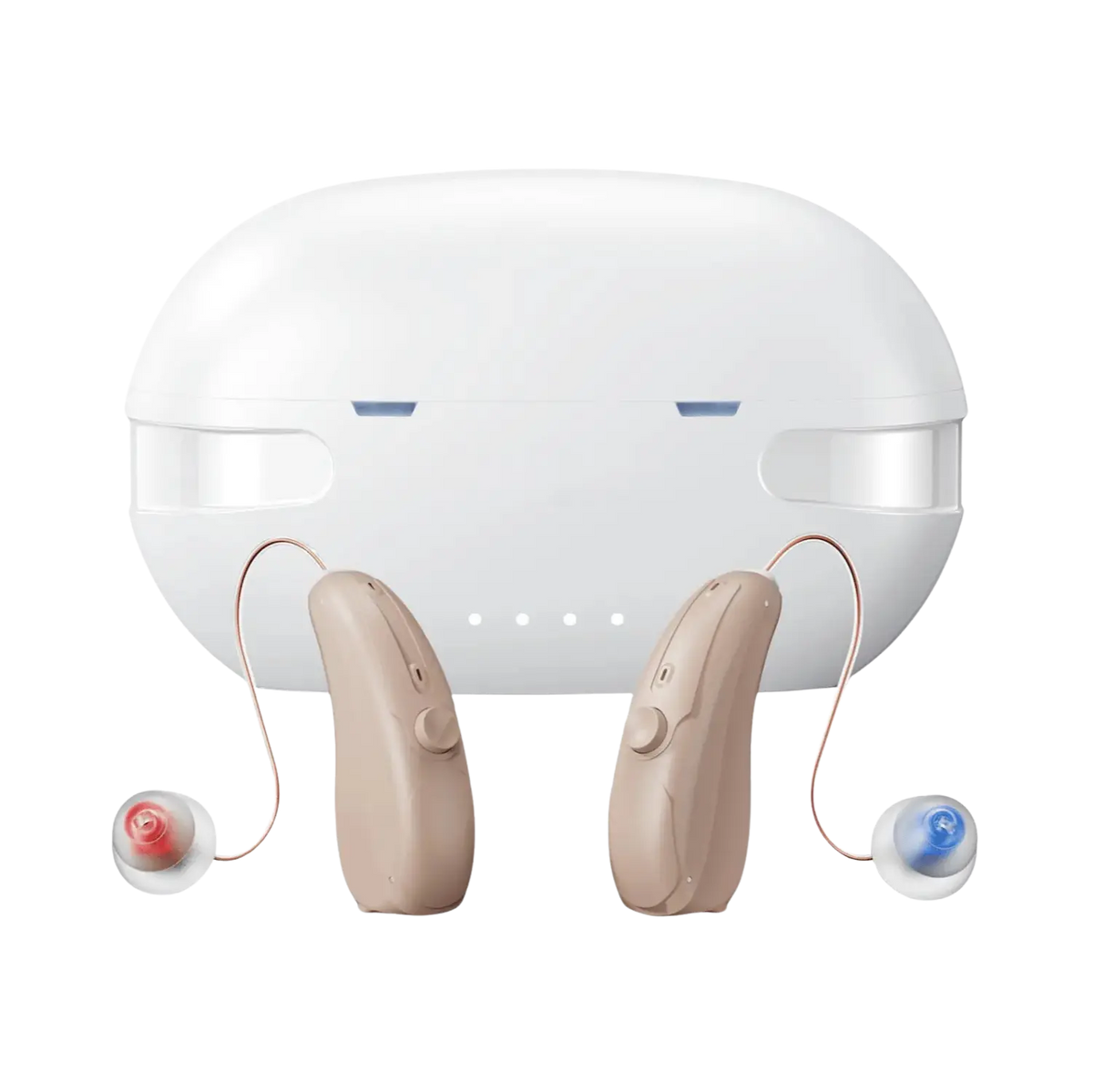
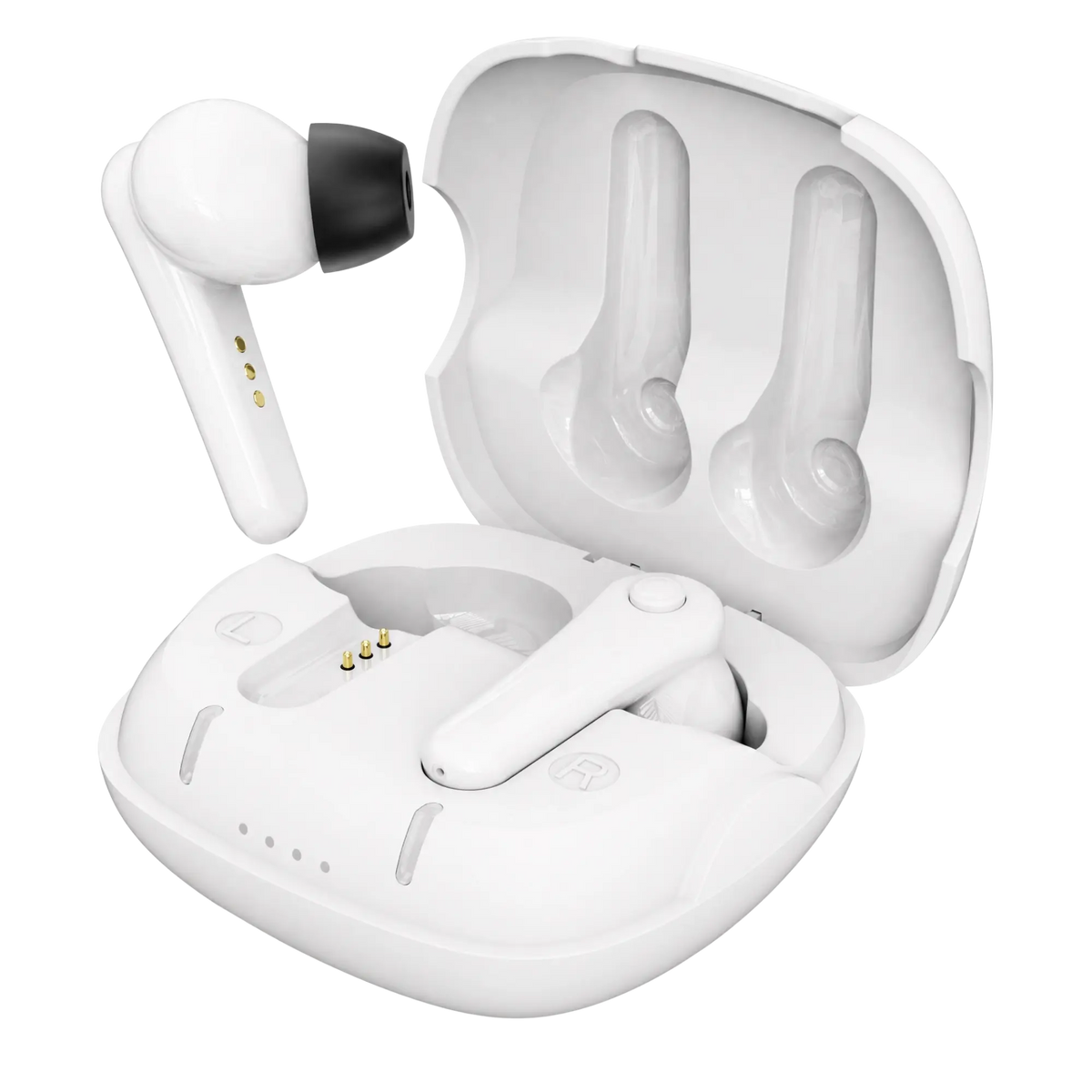
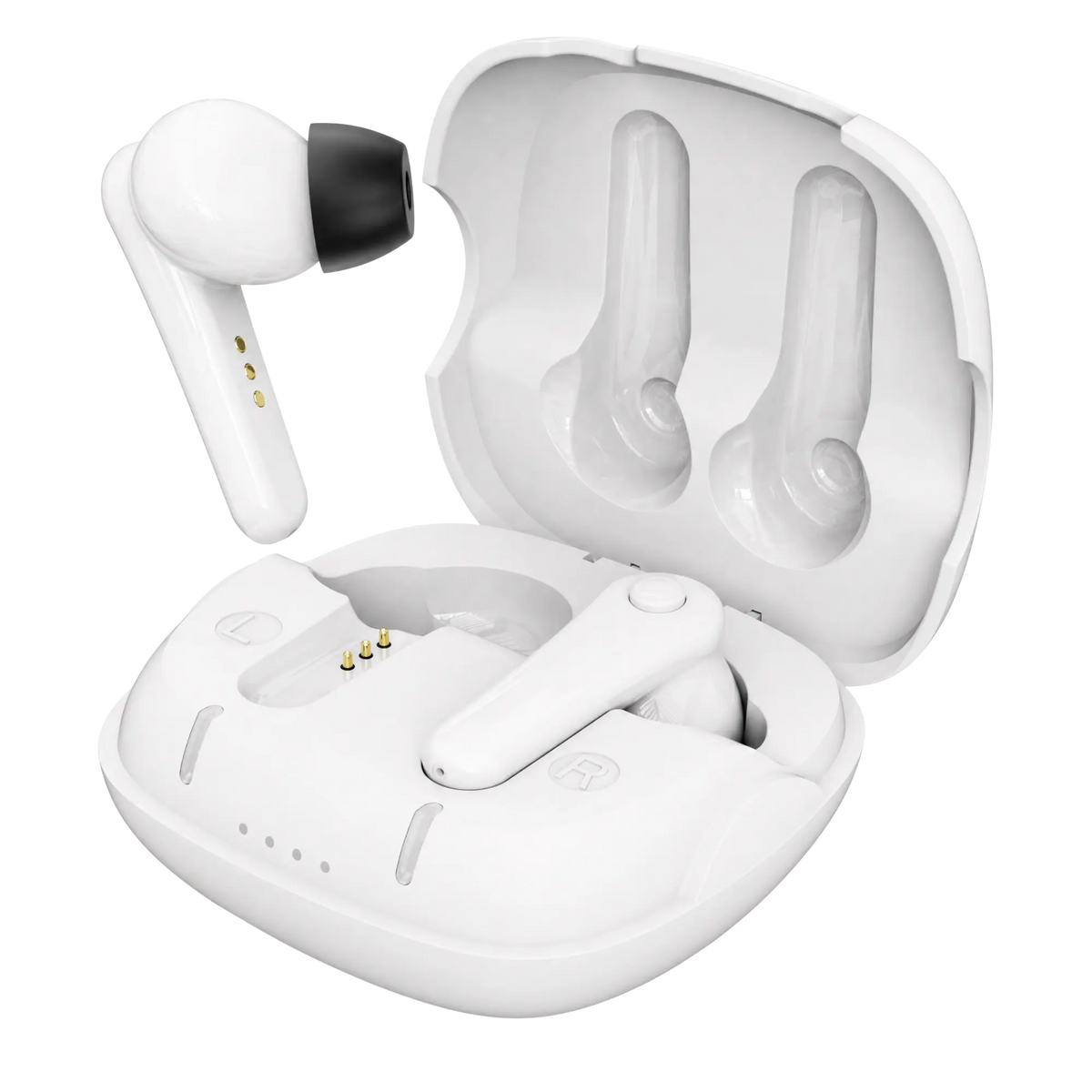
Panda Air è uno di questi dispositivi: un apparecchio acustico in stile auricolare che appartiene alla nuova categoria di apparecchi OTC autoadattabili. Utilizza un'elaborazione a 16 canali con riduzione adattiva del rumore multibanda, e la sua app opzionale può eseguire un test dell'udito nell'orecchio tramite l'apparecchio stesso e regolare guadagno e risposta in frequenza in base al profilo uditivo dell'utente, anche se Air funziona appena estratto dalla confezione senza l'app né il test. Come altri moderni apparecchi acustici in stile auricolare, trasmette chiamate, TV e musica via Bluetooth, e la sua custodia a ricarica rapida offre 60 ore di ascolto complessivo, con una garanzia di 5 anni e un periodo di prova di 45 giorni che inizia al ricevimento del dispositivo.
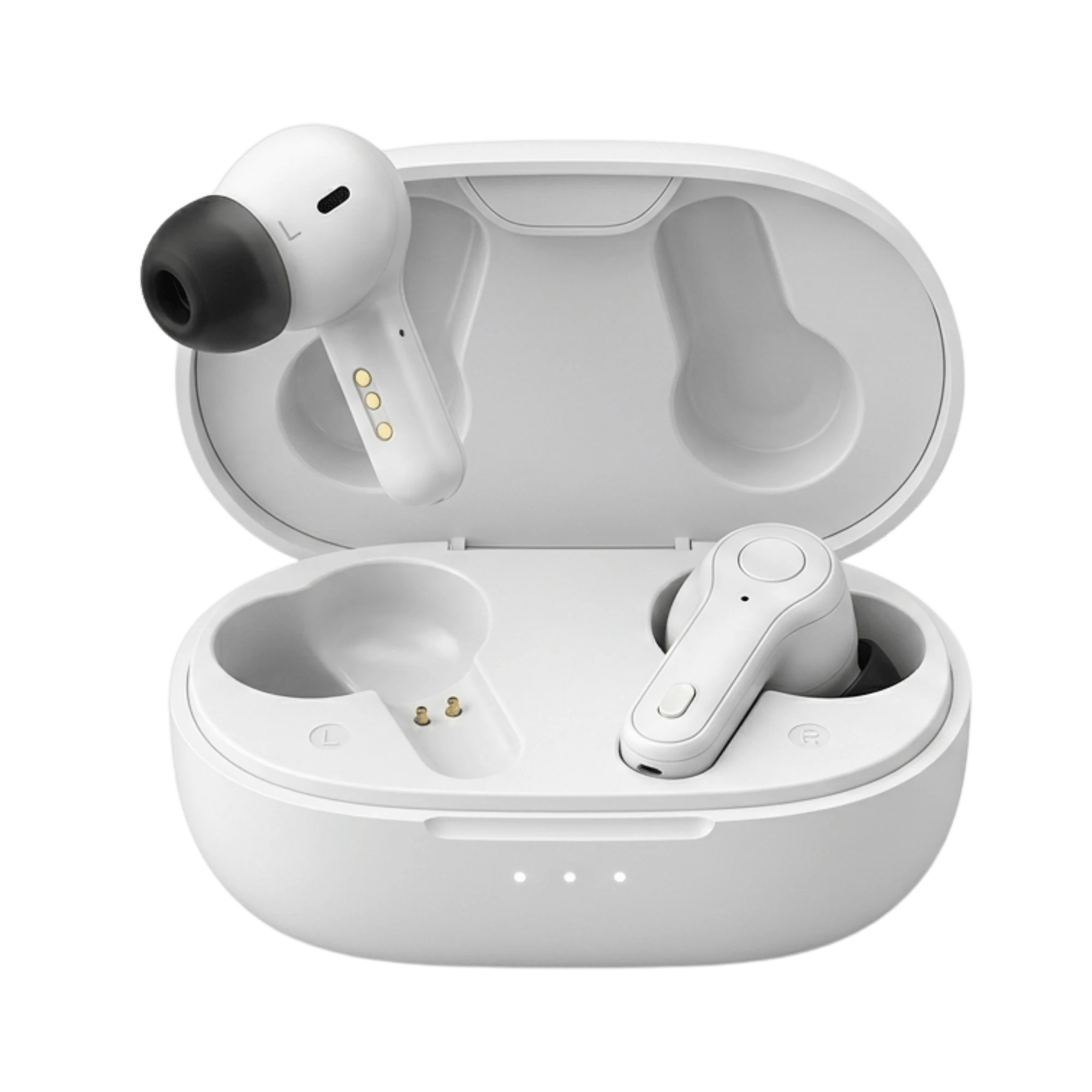
Vale il consueto limite: i dispositivi da banco sono approvati per la perdita uditiva da lieve a moderata, mentre per una perdita grave o profonda la soluzione migliore resta un adattamento clinico con un audioprotesista.
Limiti di questa ricerca
Si tratta di un piccolo studio qualitativo su 15 studenti di una sola università sudafricana, reclutati tramite campionamento di convenienza, per cui descrive esperienze e percezioni anziché misurare l'udito o quantificare i comportamenti, e i risultati potrebbero non essere generalizzabili ad altre istituzioni o ad altri Paesi. Inoltre, i comportamenti riferiti possono differire da quelli effettivi. I dettagli su finanziamenti e conflitti di interesse non erano descritti nell'abstract disponibile su PubMed.
A che punto siamo
La tutela dell'udito non fallisce sul piano delle convinzioni, ma su quello del supporto: le conoscenze, gli strumenti e le istituzioni che rendono facile proteggersi. Che si tratti della sala prove di un conservatorio o di un luogo di lavoro rumoroso, colmare presto questo divario costa molto meno che convivere con le conseguenze permanenti di averlo lasciato aperto.
Soltau SA, Rennie-Salonen B. Tertiary music students' hearing health behaviors: ignorance is not bliss. Frontiers in Psychology. 2026. Consultato su PubMed. https://doi.org/10.3389/fpsyg.2026.1857791