Parler plus clairement a un coût : une étude montre que la parole claire paraît moins naturelle aux auditeurs
De nouvelles recherches montrent que lorsque les locuteurs ralentissent et articulent pour des auditeurs malentendants, leur parole devient plus claire mais est jugée nettement moins naturelle, ce qui révèle un compromis dans la communication de tous les jours.
« Parlez lentement et distinctement » est probablement le conseil le plus courant donné aux familles de personnes malentendantes. On apprend régulièrement aux interlocuteurs à articuler, à faire plus de pauses et à étirer leurs mots pour qu'un conjoint ou un parent ayant des difficultés d'audition puisse suivre la conversation.
Une nouvelle étude de la Hofstra University pose une question que ce conseil passe généralement sous silence : que donne toute cette articulation soignée aux oreilles de tous les autres ? La réponse se révèle complexe, et elle a des conséquences concrètes sur la manière dont les familles communiquent au quotidien.
À propos de cette étude
Titre : Perceived Naturalness and Acoustic Characteristics of Habitual Versus Clear Speech for Individuals With Hearing Loss
Auteurs : Polina Shuminsky et Jason H. Davidow
Affiliations : Hofstra University, Hempstead, New York
Revue : Journal of Speech, Language, and Hearing Research, septembre 2026
Type d'étude : Comparaison expérimentale avec évaluations d'auditeurs et analyse acoustique
DOI PubMed : 10.1044/2026_JSLHR-25-00691
Contexte : pourquoi les chercheurs se sont penchés sur cette question
La parole claire (« clear speech ») est une technique de communication reconnue, dans laquelle le locuteur ralentit délibérément, fait des pauses plus fréquentes et articule avec plus de précision. Des décennies de recherche montrent qu'elle améliore réellement l'intelligibilité pour les auditeurs malentendants, ce qui explique que les cliniciens l'enseignent aux interlocuteurs.
Mais une parole plus facile à comprendre n'est pas automatiquement agréable à produire ou à entendre. Le naturel désigne le caractère habituel et aisé de la parole pour un auditeur ordinaire. Si la parole claire semble forcée ou robotique, les locuteurs risquent d'hésiter à continuer de l'employer, et les auditeurs peuvent se sentir traités avec condescendance.
Shuminsky et Davidow ont voulu mesurer directement ce compromis : quelle part de naturel perd-on lorsqu'on adopte la parole claire, spontanément comme après une formation formelle ?
Méthodologie de l'étude
Douze locutrices adultes ont lu des phrases dans trois conditions : leur parole habituelle du quotidien, une parole claire non entraînée produite simplement en demandant de parler clairement, et une parole claire entraînée produite après une brève séance de formation de 30 minutes.
Vingt-huit adultes normo-entendants ont ensuite évalué le naturel de ces enregistrements sur une échelle de 1 à 9, où les chiffres les plus bas signifiaient plus naturel. Les chercheurs ont également mesuré le débit de parole, le nombre de pauses et leur durée, et ont utilisé des modèles statistiques pour tester en quoi les conditions différaient et quelles caractéristiques acoustiques prédisaient les évaluations du naturel.
Ce que les chercheurs ont constaté
La parole habituelle a été jugée la plus naturelle, avec un score moyen de 3,56, et elle était aussi la plus rapide, à 3,89 syllabes par seconde. La parole claire entraînée a été jugée la moins naturelle, à 5,65, et était considérablement plus lente, à 1,72 syllabe par seconde, soit moins de la moitié du débit habituel, avec le plus grand nombre de pauses et les plus longues.
La parole claire non entraînée se situait entre les deux. En fait, presque toutes les comparaisons deux à deux entre les trois conditions étaient statistiquement significatives : chaque pas vers une clarté plus délibérée entraînait une baisse mesurable du naturel perçu.
Le débit de parole était le meilleur prédicteur des évaluations du naturel : plus la parole était lente, moins elle paraissait naturelle. Des pauses plus fréquentes et plus longues étaient également associées à un naturel plus faible, bien que les chercheurs notent que ces caractéristiques n'expliquaient pas entièrement pourquoi la parole claire entraînée semblait la moins naturelle.
L'équipe a aussi observé une variabilité importante entre les locutrices, tant dans leur parole de base que dans l'ampleur du changement lors du passage à la parole claire, et les auditeurs variaient eux aussi considérablement dans leurs évaluations.
Ce que cela signifie pour les personnes malentendantes
Cette étude chiffre ce que beaucoup de familles ressentent intuitivement : la conversation change de nature lorsque l'un des partenaires est malentendant. Les techniques mêmes qui rendent la parole plus facile à suivre la rendent aussi plus lente, plus hachée et moins semblable à un échange normal entre égaux.
Les auteurs suggèrent que les protocoles cliniques devraient promouvoir des techniques de clarté qui évitent un ralentissement excessif ou un rythme haché, éventuellement avec un retour d'information en temps réel pendant la formation. Pour les familles, le message n'est pas d'abandonner la parole claire, qui aide réellement, mais de reconnaître que s'en remettre entièrement au locuteur a un coût social pour les deux parties.
Ces résultats renforcent également l'argument en faveur d'une prise en charge de la perte auditive du côté de l'auditeur. Moins les oreilles d'un auditeur exigent d'efforts de la part de chaque interlocuteur, plus la conversation de tous les jours peut rester naturelle.
Quand la clarté de la parole vient de l'appareil plutôt que du locuteur
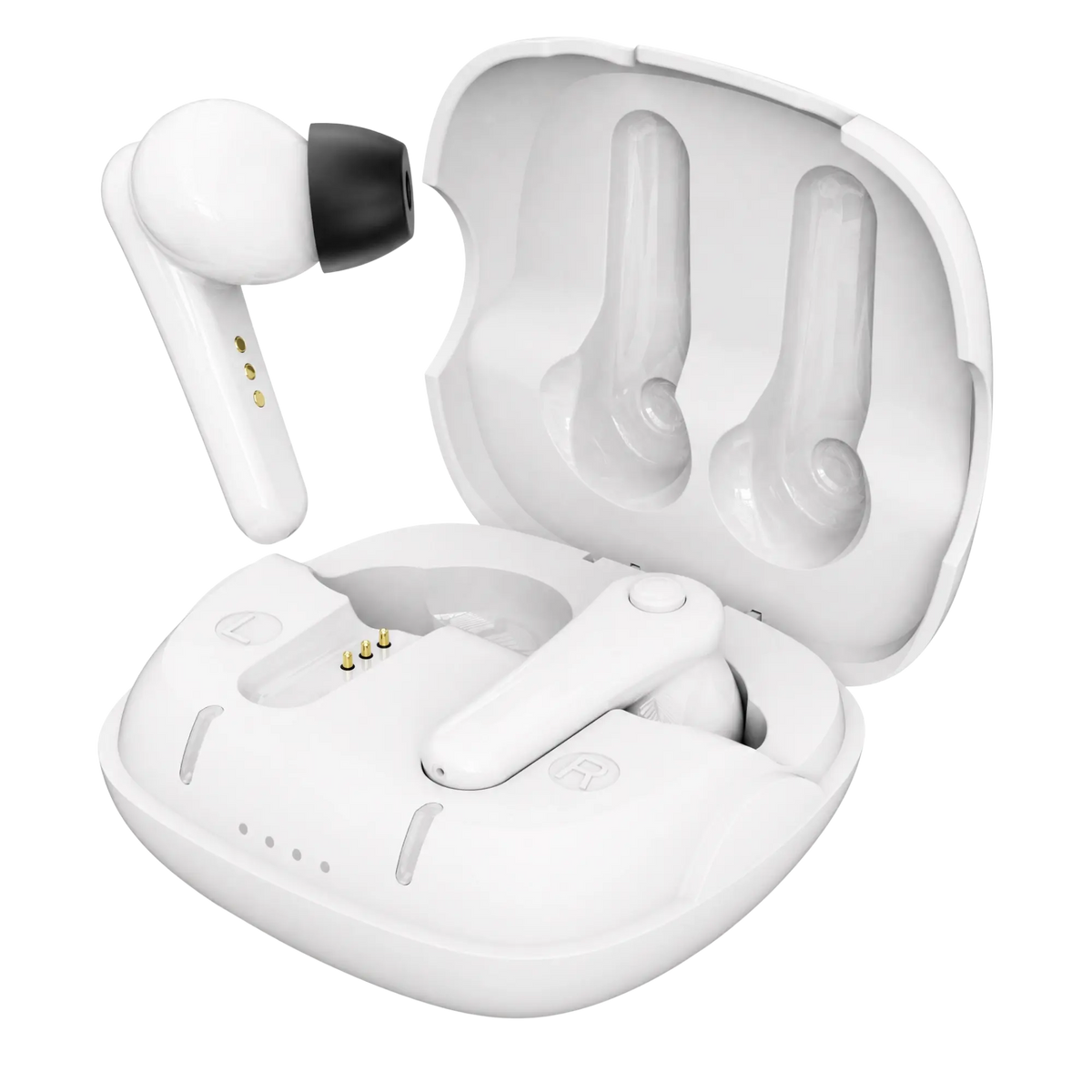
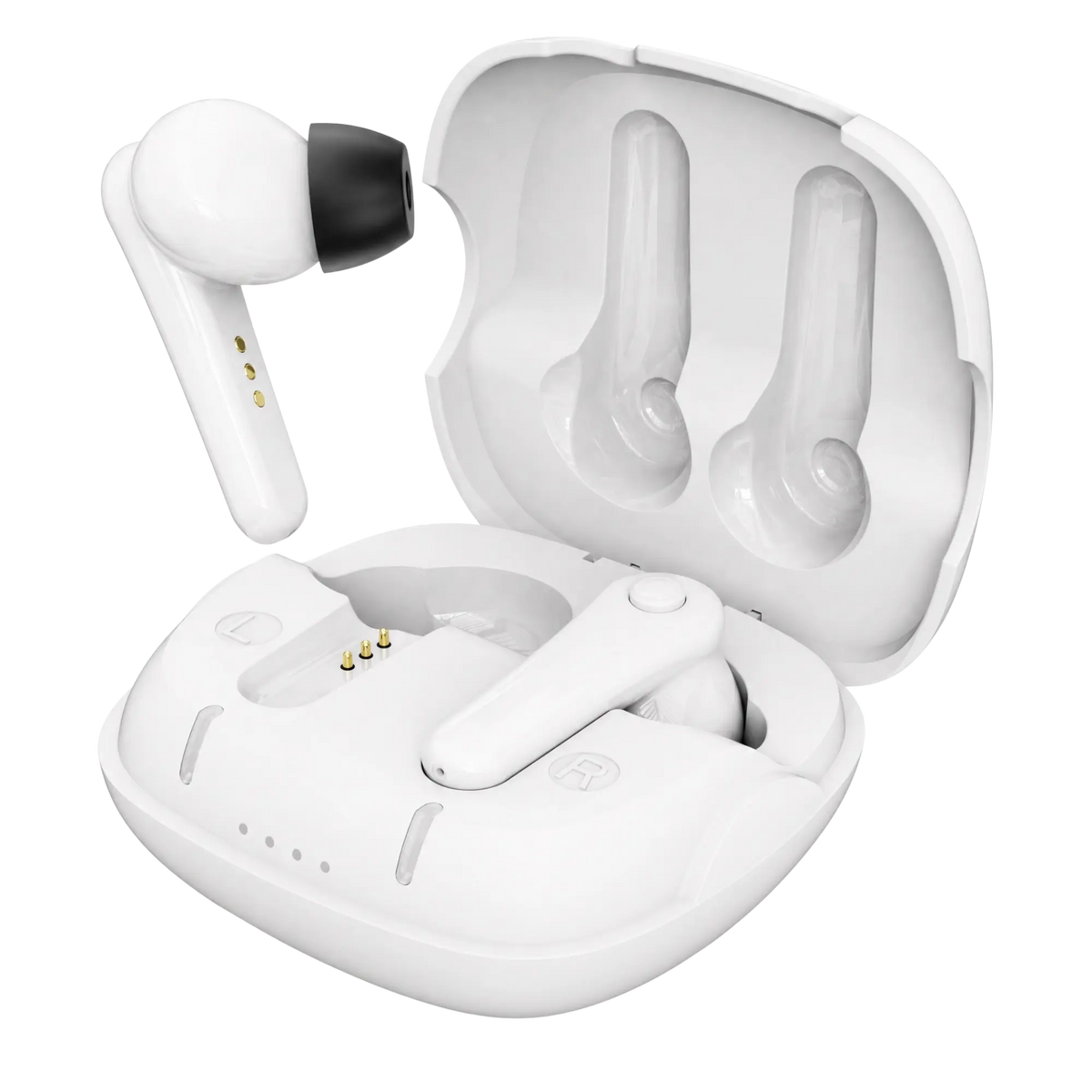
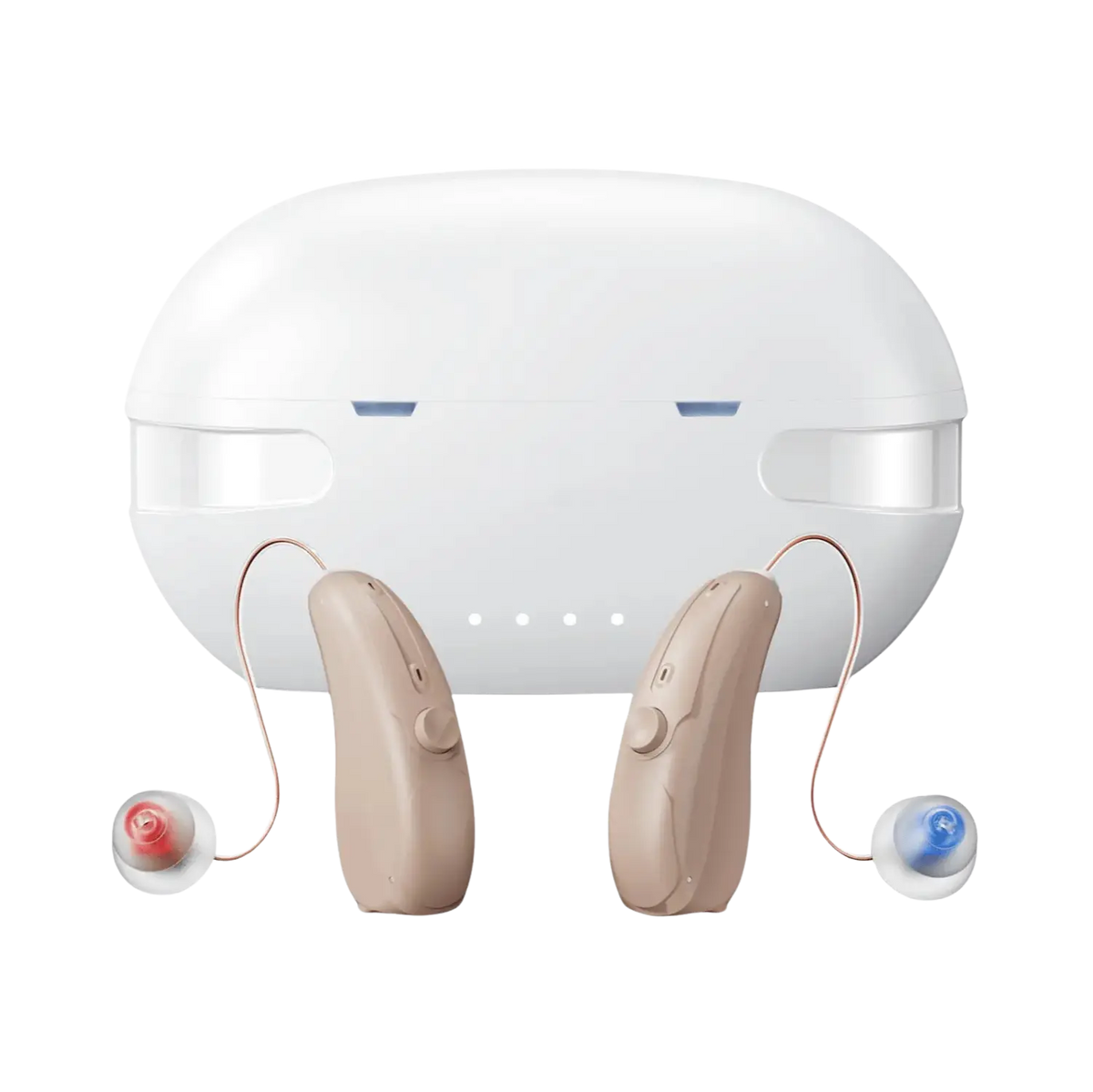
Puisque cette étude montre que reporter tout le travail de clarté sur les locuteurs rend la conversation moins naturelle, une technologie qui améliore la clarté de la parole au niveau de l'oreille de l'auditeur en assume une partie. Les appareils auditifs OTC approuvés par la FDA, plus récents, sont conçus précisément dans ce but, et Panda Quantum en est un exemple : un appareil à écouteur déporté à 16 canaux avec réduction adaptative du bruit, conçu pour une parole plus claire dans les environnements bruyants, afin que les interlocuteurs n'aient pas à ralentir leur débit de moitié pour être compris.
Quantum propose aussi un test auditif intra-auriculaire optionnel via l'application, qui peut personnaliser le gain et la réponse en fréquence selon votre profil auditif, bien que l'appareil fonctionne sans l'application ni le test. Une seule charge dure 20 heures, le boîtier ajoute trois charges complètes, soit 80 heures au total, et le Bluetooth relie appels, télévision et musique. Il bénéficie d'une garantie de 5 ans et d'un essai de 45 jours qui commence à sa réception. Vous trouverez tous les détails sur pandahearing.com/products/panda-hearing-aids-quantum.
Comme toujours, les appareils auditifs OTC sont approuvés pour les pertes auditives légères à moyennes ; une perte sévère ou profonde tire toujours le meilleur parti d'un appareillage clinique.

Limites de cette recherche
Le groupe de locutrices était petit, douze adultes, et exclusivement féminin ; les résultats pourraient donc ne pas s'appliquer aux voix masculines ni aux locuteurs plus âgés. Le naturel a été jugé par des auditeurs normo-entendants plutôt que par des auditeurs malentendants, et l'étude a mesuré la perception en laboratoire plutôt que le bénéfice dans des conversations réelles. Le résumé ne mentionne ni sources de financement ni conflits d'intérêts.
Ce qu'il faut retenir
La parole claire reste un outil précieux et étayé par des données probantes, mais cette étude confirme qu'elle n'est pas gratuite : la clarté gagnée est du naturel perdu. Les conversations les plus confortables naissent probablement d'un juste milieu, où les locuteurs emploient des techniques de clarté modérées et où les auditeurs bénéficient de l'aide auditive dont ils ont besoin, de sorte qu'aucune des deux parties n'ait à porter seule le poids de se faire comprendre.
Shuminsky P, Davidow JH. Perceived Naturalness and Acoustic Characteristics of Habitual Versus Clear Speech for Individuals With Hearing Loss. Journal of Speech, Language, and Hearing Research. 2026. Retrieved from PubMed. https://doi.org/10.1044/2026_JSLHR-25-00691