Un gran estudio en EE. UU. concluye que la pérdida auditiva aumenta el riesgo de demencia y que la soledad explica solo una pequeña parte
Un análisis prospectivo de más de 317,000 adultos de la cohorte All of Us de los NIH encontró que la pérdida auditiva se asoció con un riesgo 38 por ciento mayor de demencia, y que la soledad explicaba solo alrededor del 2.5 por ciento de esa relación.
Durante años, los investigadores han debatido por qué la pérdida auditiva aparece de forma tan constante como uno de los factores de riesgo modificables más importantes de la demencia. Una teoría popular sostiene que la pérdida auditiva aísla socialmente a las personas, aparece la soledad y esa soledad, a su vez, deteriora la salud cognitiva. Si esa fuera la vía principal, combatir la soledad podría ser tan importante como tratar la audición en sí.
Un nuevo estudio publicado en BMJ Public Health pone a prueba directamente esa teoría en una de las cohortes más grandes y diversas disponibles en Estados Unidos. La respuesta es llamativa: la soledad influye en la cognición por sí misma, pero explica solo una pequeña parte de la relación entre la pérdida auditiva y la demencia.
Sobre este estudio
Título: Hearing loss and loneliness in the development of impaired cognition and dementia in the US All of Us cohort: prospective analyses using electronic health records
Autores: Shuai Yang, David A. Sbarra, Jingyue Wu, Yann C. Klimentidis
Afiliaciones: Department of Epidemiology and Biostatistics, Mel and Enid Zuckerman College of Public Health, University of Arizona; Department of Psychology, University of Arizona, Tucson, Arizona, USA
Revista: BMJ Public Health, publicado el 2 de septiembre de 2026
Tipo de estudio: estudio de cohorte prospectivo basado en historias clínicas electrónicas
Antecedentes: por qué los investigadores estudiaron este tema
En investigaciones anteriores, tanto la pérdida auditiva como la soledad se han relacionado por separado con el deterioro cognitivo, pero ambas suelen ir de la mano. Las personas a las que les cuesta seguir una conversación a menudo se alejan de las situaciones sociales, y el aislamiento social es un componente bien conocido de la soledad. Esa superposición ha dificultado saber si la pérdida auditiva perjudica la cognición de forma directa o, sobre todo, a través del aislamiento que puede generar.
La diferencia no es meramente teórica. Si la soledad explicara la mayor parte del efecto, las iniciativas de salud pública podrían centrarse en programas sociales. Si la pérdida auditiva actúa por otras vías, como una menor estimulación del sistema auditivo o el esfuerzo mental adicional de forzarse para oír, entonces tratar la audición en sí se convierte en el objetivo más urgente. El análisis de mediación, el método estadístico utilizado aquí, está diseñado para dividir una asociación en la parte que pasa por un factor intermedio y la parte que no.
Los investigadores, de la University of Arizona, recurrieron al programa de investigación All of Us de los National Institutes of Health, un gran conjunto de datos nacional que combina historias clínicas electrónicas con encuestas a los participantes y que recluta de forma deliberada a personas de grupos poco representados en la investigación médica.
Cómo se realizó el estudio
El equipo analizó los registros de 317,108 adultos con un seguimiento promedio de 11.8 años. La pérdida auditiva se identificó a partir de los diagnósticos documentados en la historia clínica electrónica de cada participante, y 50,849 personas, alrededor del 16 por ciento de la cohorte, tenían ese diagnóstico. La soledad se midió en un subgrupo de 130,266 participantes que completaron la UCLA Loneliness Scale, un cuestionario de ocho preguntas que se puntúa como un promedio.
Los investigadores utilizaron modelos de riesgos proporcionales de Cox, un método estándar para estudiar cómo se relacionan las exposiciones con el momento en que ocurren los eventos de salud, para estimar el riesgo de dos resultados registrados en las historias clínicas: nuevos diagnósticos de demencia y nuevos diagnósticos de deterioro cognitivo. Los modelos se ajustaron por edad, sexo, raza, nivel educativo, ingresos, tabaquismo y consumo de alcohol.
Luego realizaron un análisis de mediación con descomposición en cuatro vías, que divide el efecto total de la pérdida auditiva sobre la cognición en una parte directa y una parte indirecta que pasa por la soledad, y que además permite que ambas exposiciones interactúen. Los análisis de sensibilidad examinaron subgrupos raciales y étnicos, tuvieron en cuenta la muerte como riesgo competitivo y probaron otras formas de modelar la pérdida auditiva a lo largo del tiempo.
Lo que encontraron los investigadores
Durante el período de seguimiento, la cohorte registró 5,663 nuevos diagnósticos de demencia y 21,117 nuevos diagnósticos de deterioro cognitivo. Los participantes con pérdida auditiva documentada tuvieron un riesgo un 38 por ciento mayor de desarrollar demencia y un 67 por ciento mayor de deterioro cognitivo que quienes no la tenían, después de ajustar por factores demográficos y de estilo de vida.
La soledad tuvo su propio riesgo independiente. Cada aumento de un punto en la escala de soledad se asoció con un riesgo un 41 por ciento mayor de demencia y un 48 por ciento mayor de deterioro cognitivo.
Sin embargo, la pregunta central era qué parte del efecto de la pérdida auditiva pasaba por la soledad. La respuesta fue sorprendentemente pequeña. El análisis de mediación estimó que la soledad explicaba aproximadamente el 2.5 por ciento de la asociación entre la pérdida auditiva y la demencia, y alrededor del 2 por ciento de la asociación con el deterioro cognitivo. En otras palabras, más del 97 por ciento del vínculo entre la pérdida auditiva y los resultados cognitivos parece actuar por vías distintas de la soledad.
Los análisis por subgrupos sugirieron que la asociación entre la pérdida auditiva y la demencia era más fuerte en los participantes negros y afroamericanos, y que la asociación con el deterioro cognitivo era más fuerte en los participantes asiáticos y en los negros y afroamericanos. Los análisis de sensibilidad confirmaron en gran medida los resultados principales.
Qué significa para las personas con pérdida auditiva
Los autores concluyen que tratar directamente la pérdida auditiva podría aportar beneficios cognitivos más amplios que enfocarse solo en la soledad. La conexión social sigue siendo importante, y el estudio encontró que la soledad es un factor de riesgo independiente relevante. Pero, para las personas con pérdida auditiva, los hallazgos sugieren que la audición en sí merece atención, no solo sus consecuencias sociales.
Esto coincide con un conjunto creciente de evidencia, incluido el ampliamente citado ensayo aleatorizado ACHIEVE, que apunta a la rehabilitación auditiva como una vía prometedora para proteger la cognición en adultos mayores con riesgo elevado. Este estudio no puede demostrar que tratar la pérdida auditiva prevenga la demencia, pero refuerza la idea de que la conexión entre el oído y el cerebro es lo bastante directa como para justificar actuar en lugar de esperar.
Si la audición merece atención directa, el acceso importa
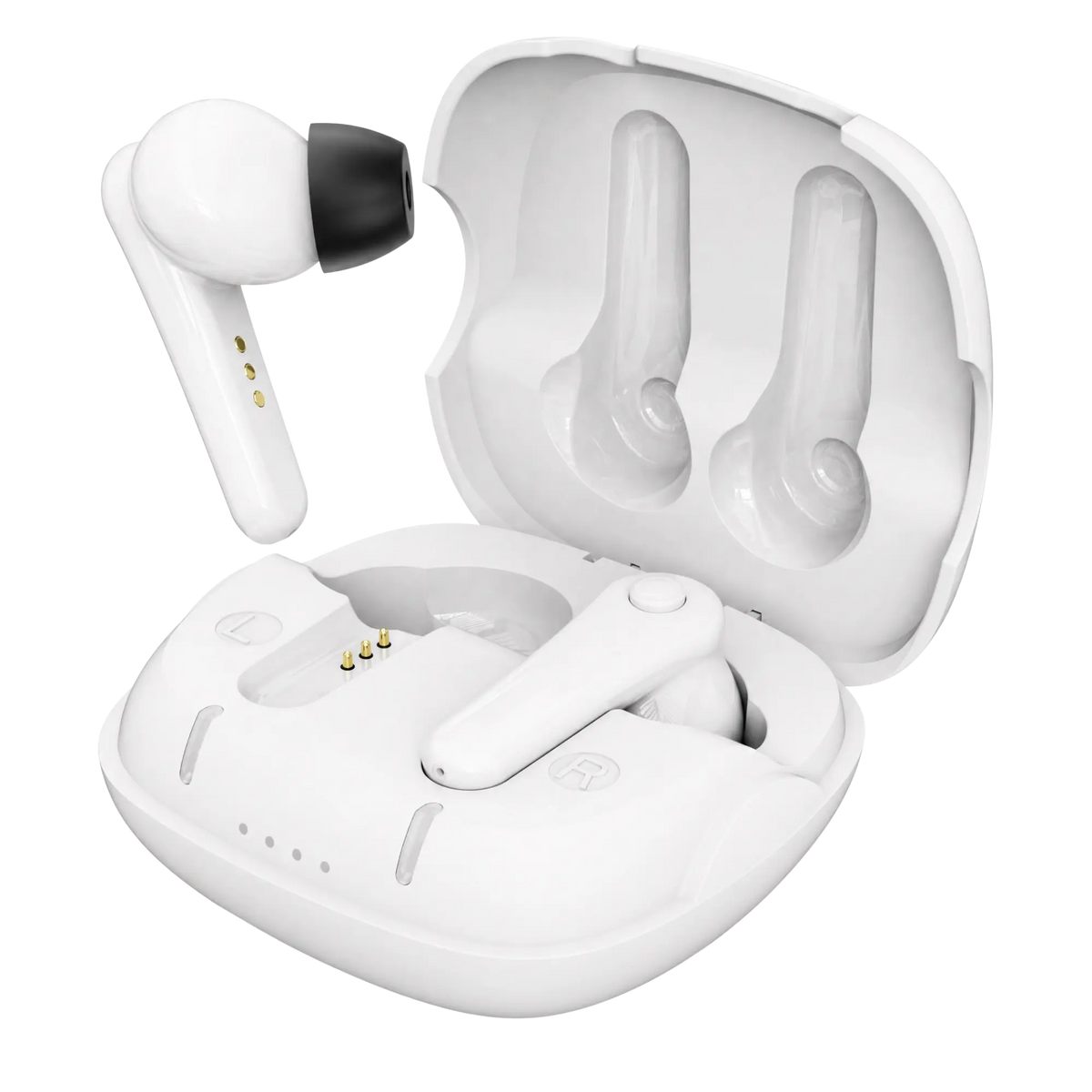
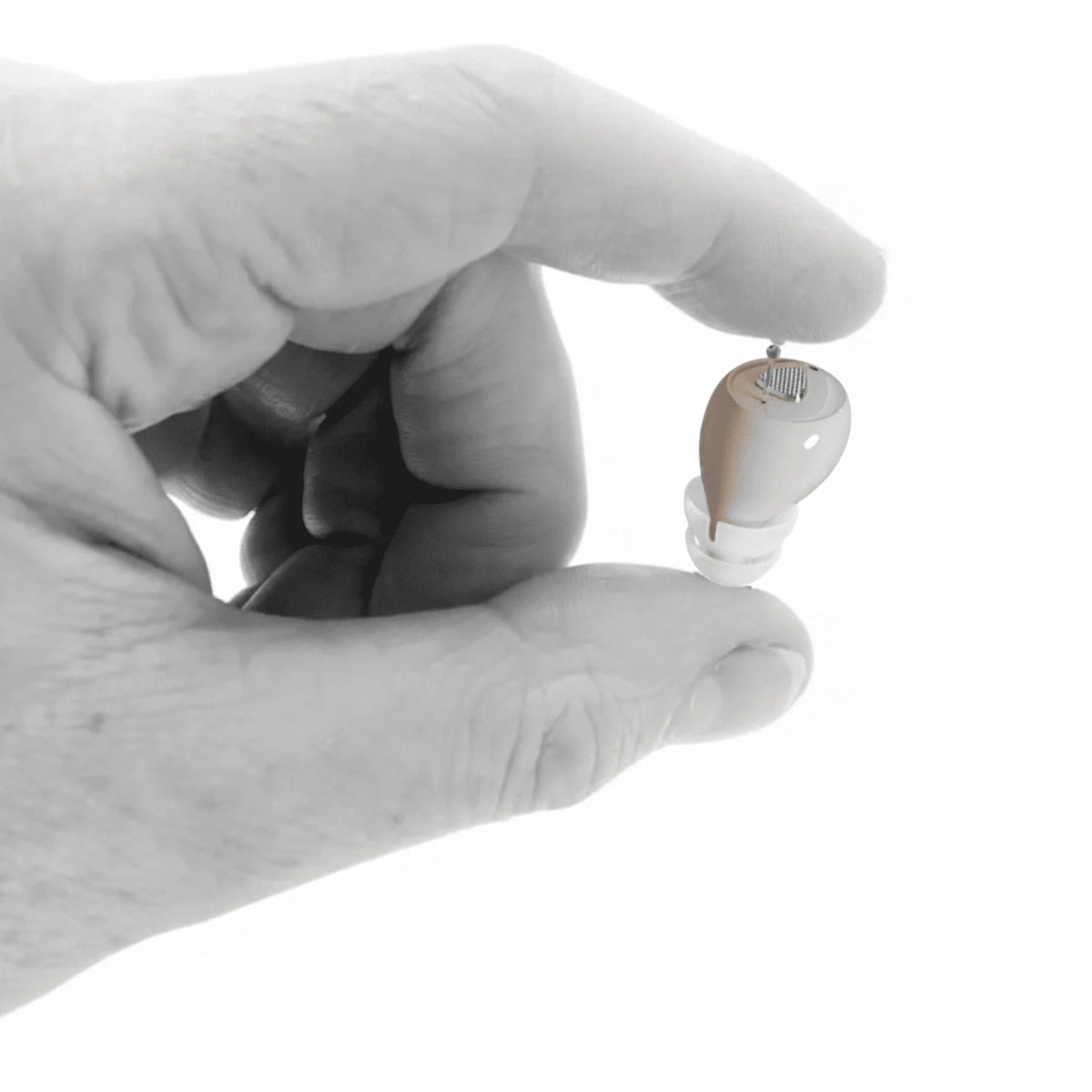
Como este estudio señala a la pérdida auditiva en sí, y no a la soledad, como el principal factor del riesgo cognitivo, refuerza el argumento de que la audición debe tratarse a tiempo en lugar de dejarse sin atender. Los audífonos de venta libre (OTC) conformes a la normativa de la FDA se crearon para reducir las barreras prácticas que impiden a muchos adultos con pérdida auditiva leve a moderada hacer precisamente eso.
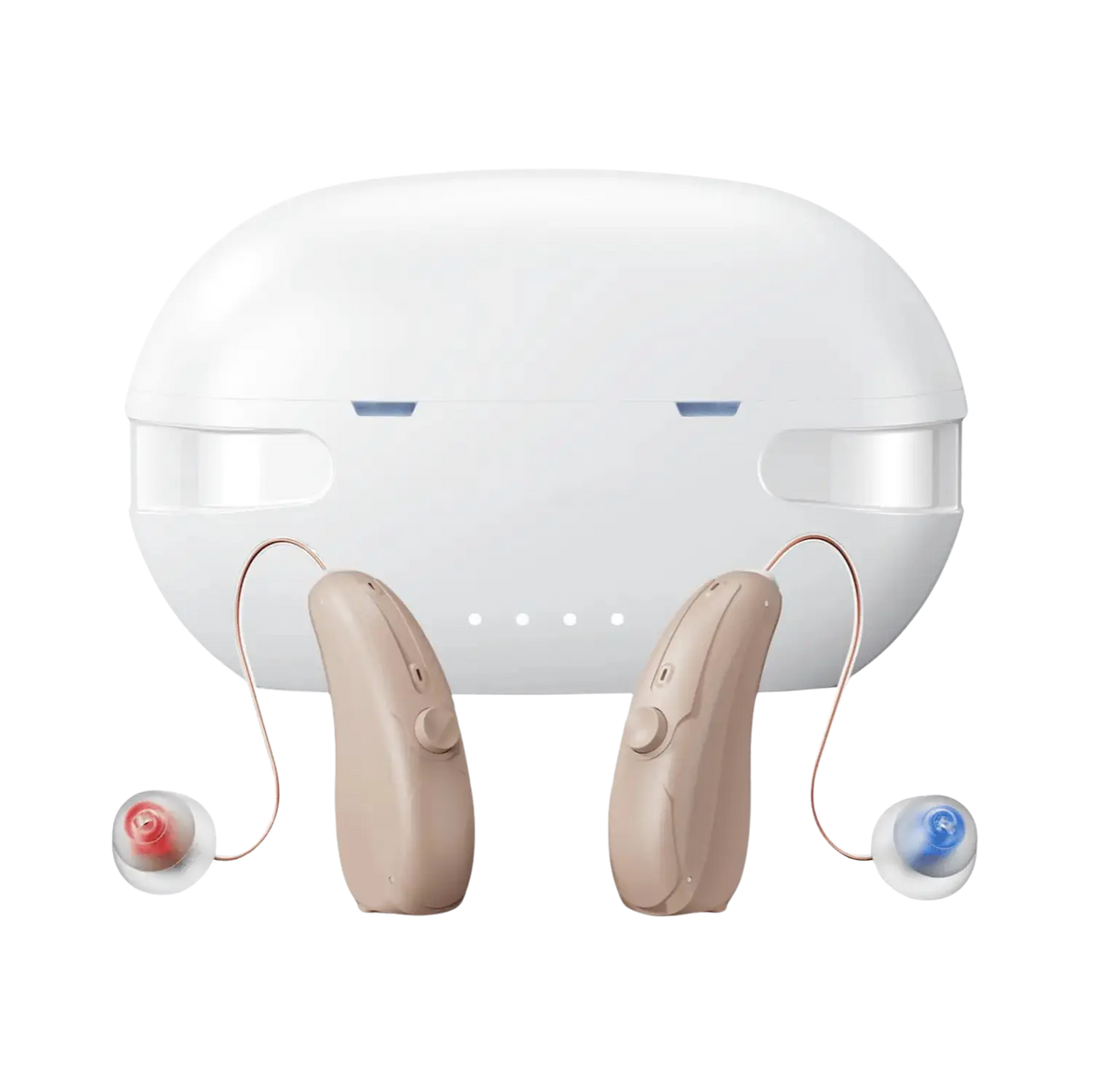
Panda Quantum es un ejemplo de esta nueva generación: un dispositivo con auricular en el canal (RIC), procesamiento WDRC de 16 canales y reducción de ruido adaptativa, pensado para lograr una voz clara en entornos ruidosos, las situaciones cotidianas en las que más cuesta seguir una conversación. Una app complementaria opcional puede realizar una prueba de audición en el oído y personalizar el sonido según el perfil auditivo del usuario, aunque el dispositivo funciona perfectamente sin ella. Ofrece 20 horas por carga, con un estuche que aporta tres cargas completas adicionales para un total de 80 horas, e incluye una garantía de 5 años y un período de prueba de 45 días que comienza cuando recibe el producto.

Una advertencia que conviene tener en cuenta: los audífonos de venta libre (OTC) están aprobados para la pérdida auditiva leve a moderada. Las personas con pérdida severa o profunda siguen obteniendo el mayor beneficio de una adaptación clínica con un audiólogo.
Limitaciones de esta investigación
Se trata de un estudio observacional, por lo que puede mostrar una asociación, pero no demostrar una causa. La pérdida auditiva, la demencia y el deterioro cognitivo se identificaron a partir de historias clínicas electrónicas, que solo recogen los diagnósticos que se hicieron y se documentaron; la pérdida auditiva no diagnosticada o los cambios cognitivos tempranos quedarían fuera. La soledad se midió en un único momento en un subgrupo de participantes que decidieron completar la encuesta, lo cual podría no representar a toda la cohorte.
Las estimaciones de mediación también dependen del supuesto de que se midieron todas las causas comunes importantes de la soledad y la cognición. Factores no medidos, como la depresión o la salud física, podrían modificar el tamaño del efecto mediado en cualquier dirección.
Dónde nos deja esto
La conclusión de uno de los mayores análisis de este tipo es especialmente clara: tanto la pérdida auditiva como la soledad merecen tomarse en serio para la salud cerebral a largo plazo, pero son en gran medida problemas distintos. Fomentar la conexión social ayuda, pero no reemplaza el tratamiento de la pérdida auditiva en sí, y ese es un mensaje que tanto los profesionales clínicos como las familias de adultos mayores pueden poner en práctica hoy mismo.
Yang S, Sbarra DA, Wu J, Klimentidis YC. Hearing loss and loneliness in the development of impaired cognition and dementia in the US All of Us cohort: prospective analyses using electronic health records. BMJ Public Health. 2026;4(3):e004524. Consultado en PubMed. https://doi.org/10.1136/bmjph-2025-004524