Typ-2-Diabetes geht mit schlechteren Hörschwellen einher – und die Art der Medikation könnte eine Rolle spielen
Eine italienische Audiometrie-Studie zeigt, dass Erwachsene mit Typ-2-Diabetes deutlich schlechter hören als Gleichaltrige ohne Diabetes, während einige Diabetes-Medikamente mit besseren Hörschwellen verbunden sind.
Hörverlust und Typ-2-Diabetes gehören zu den häufigsten chronischen Erkrankungen im höheren Lebensalter, und oft treten sie gemeinsam auf. Forschende vermuten schon lange, dass der Zusammenhang mehr als Zufall ist, denn ein erhöhter Blutzucker kann die kleinen Blutgefäße und Nerven schädigen, auf die das Innenohr angewiesen ist.
Eine neue Studie der University of Palermo in Italien fügt dieser Geschichte einen neuen Aspekt hinzu. Die Forschenden bestätigten nicht nur, dass Erwachsene mit Typ-2-Diabetes tendenziell schlechter hören als vergleichbare Erwachsene ohne Diabetes – sie stellten auch fest, dass sich die Hörschwellen je nach eingenommenen Diabetes-Medikamenten unterschieden.
Über diese Studie
Titel: Associations Between Antidiabetic Pharmacotherapy and Hearing Thresholds in Adult Hearing-Impaired Patients With Type 2 Diabetes
Autoren: Francesco Martines, Pietro Salvago, Francesca Vaccaro, Davide Vaccaro, Ginevra Malta, Fabiana Plescia, Stella Cascioferro, Gianluca Lavanco, Fulvio Plescia
Institutionen: Department of Health Promotion Sciences, Section of Audiology (BiND), and Department STEBICEF, University of Palermo, Italy
Fachzeitschrift: Pharmacology Research & Perspectives, Oktober 2026
Studientyp: Retrospektive Beobachtungsstudie
PubMed-DOI: 10.1002/prp2.70316
Hintergrund: Warum die Forschenden das untersucht haben
Typ-2-Diabetes wird zunehmend als Risikofaktor für Innenohrschwerhörigkeit (sensorineuralen Hörverlust) erkannt – die dauerhafte Form, die durch Schäden am Innenohr oder am Hörnerv entsteht und nicht durch Schäden am Trommelfell oder Mittelohr. Zu den wahrscheinlichen Mechanismen gehören Schäden an den winzigen Blutgefäßen der Cochlea und an den Nervenbahnen, die Schall zum Gehirn leiten – ähnlich wie Diabetes Augen, Nieren und Füße beeinträchtigt.
Kaum untersucht war bisher, ob die Wahl der Diabetes-Behandlung für das Gehör einen Unterschied macht. Die moderne Diabetes-Therapie umfasst mehrere Wirkstoffklassen, darunter Metformin, GLP-1-Rezeptoragonisten und Pioglitazon, und diese Medikamente wirken unterschiedlich auf Blutgefäße, Entzündungen und Stoffwechsel. Das Team aus Palermo wollte die Hörschwellen dieser Behandlungsgruppen vergleichen.
So wurde die Studie durchgeführt
Die Forschenden werteten die Unterlagen von 240 Patienten mit Typ-2-Diabetes und 105 normoglykämischen Kontrollpersonen aus. Alle hatten sich zwischen Februar 2025 und Januar 2026 in der Audiology Section der University of Palermo einer standardisierten Reintonaudiometrie unterzogen. Die Reintonaudiometrie ist der bekannte Hörtest, bei dem man auf Pieptöne unterschiedlicher Tonhöhe und Lautstärke reagiert.
Das Hörvermögen wurde als Reintonmittelwert über 0.5, 1, 2 und 4 kHz zusammengefasst – die Frequenzen, die für das Sprachverstehen am wichtigsten sind. Die Analyse wurde um Alter, Geschlecht, Body-Mass-Index und Rauchstatus bereinigt, vier Faktoren, die das Gehör unabhängig voneinander beeinflussen. So sollte verhindert werden, dass Unterschiede zwischen den Gruppen lediglich darauf beruhen, dass ältere oder schwerere Raucher in einer Gruppe gehäuft vorkommen.
Was die Forschenden herausgefunden haben
Erwachsene mit Typ-2-Diabetes hörten deutlich schlechter als die Kontrollpersonen. Ihre durchschnittliche Hörschwelle im Sprachbereich lag bei 64.4 Dezibel, verglichen mit 56.4 Dezibel in der normoglykämischen Gruppe (p = 0.007). Eine Differenz von 8 Dezibel entspricht in etwa dem Unterschied zwischen angestrengtem Zuhören bei normaler Gesprächslautstärke und dem völligen Überhören von Teilen des Gesprächs.
Das neuere Ergebnis betraf die Medikamente. Patienten, die GLP-1-Rezeptoragonisten, Metformin oder Pioglitazon einnahmen, hatten niedrigere – also bessere – Hörschwellen als Patienten mit anderen Therapien. Als die Forschenden die Medikamente nach pharmakologischen Klassen gruppierten, waren GLP-1-Rezeptoragonisten und Biguanide (die Klasse, zu der Metformin gehört) auffällig mit einem günstigeren Hörvermögen verbunden.
Die Autoren bezeichnen dies ausdrücklich als Zusammenhänge und nicht als Beweis dafür, dass ein Medikament das Gehör schützt. Das Muster blieb nach der Bereinigung jedoch so konsistent, dass es auf klassenspezifische Beziehungen zwischen Diabetes-Therapie und Hörfunktion hindeuten könnte – eine Frage, die nach Ansicht der Autoren prospektive Studien verdient.
Was das für Menschen mit Hörverlust bedeutet
Für die Millionen Erwachsenen mit Typ-2-Diabetes erinnert diese Studie daran, dass das Gehör zu den Dingen gehört, die Diabetes beeinträchtigen kann – neben Sehvermögen, Nierenfunktion und Durchblutung. Dennoch sind Hörkontrollen selten Teil der routinemäßigen Diabetes-Versorgung, und ein Nachteil von 8 Dezibel kann sich so allmählich einschleichen, dass er jahrelang unbemerkt bleibt.
Die praktische Konsequenz ist nicht, die Medikamente zu wechseln – das sollte immer nur mit dem verordnenden Arzt besprochen werden –, sondern das Gehör bewusster im Blick zu behalten. Menschen mit Diabetes, die merken, dass sie den Fernseher lauter stellen, häufig nachfragen oder in Gruppengesprächen Mühe haben, haben einen konkreten Grund, ihr Gehör lieber früher als später messen zu lassen.
Das Gehör im Blick behalten, wenn Sie mit Diabetes leben
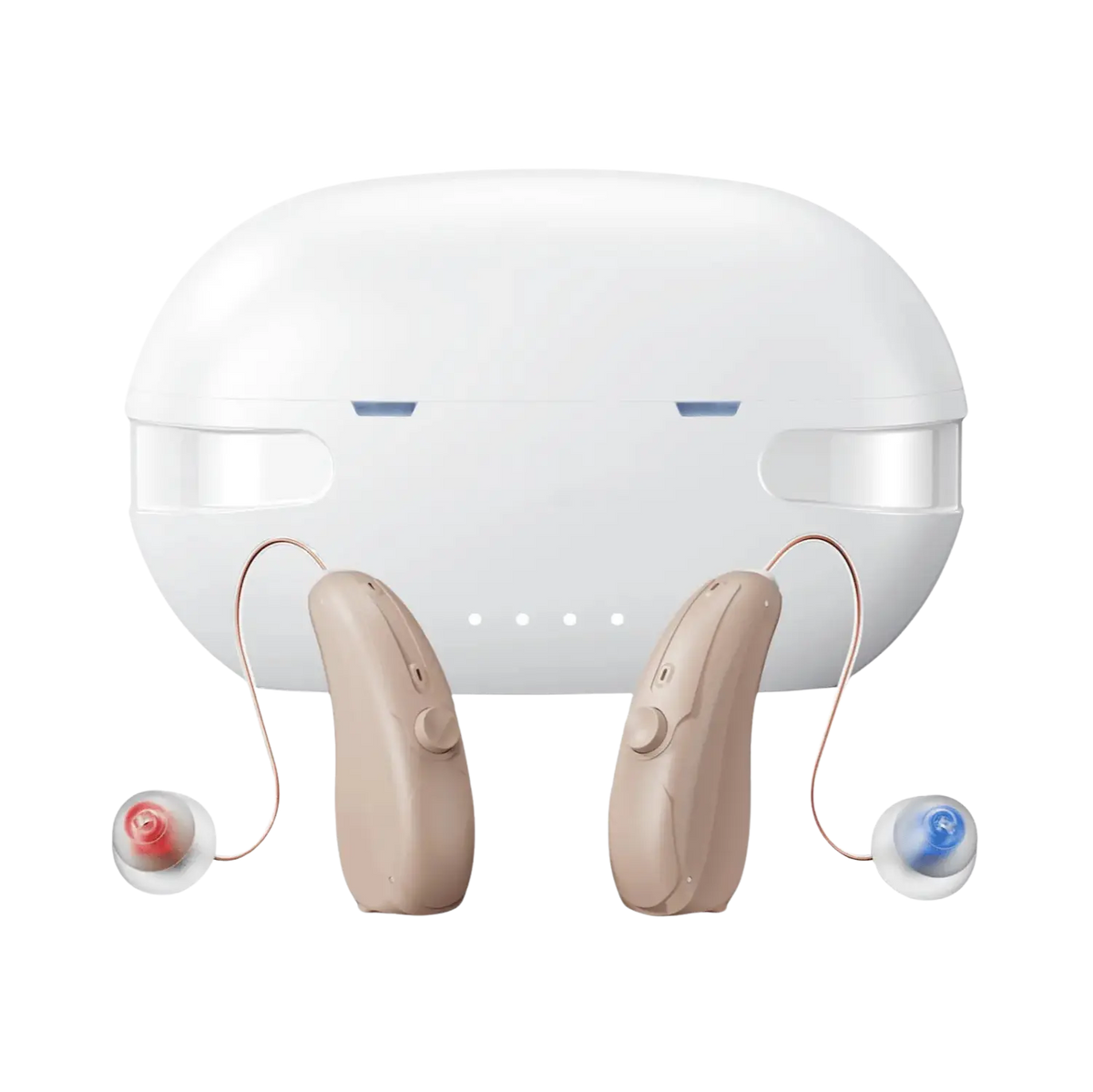
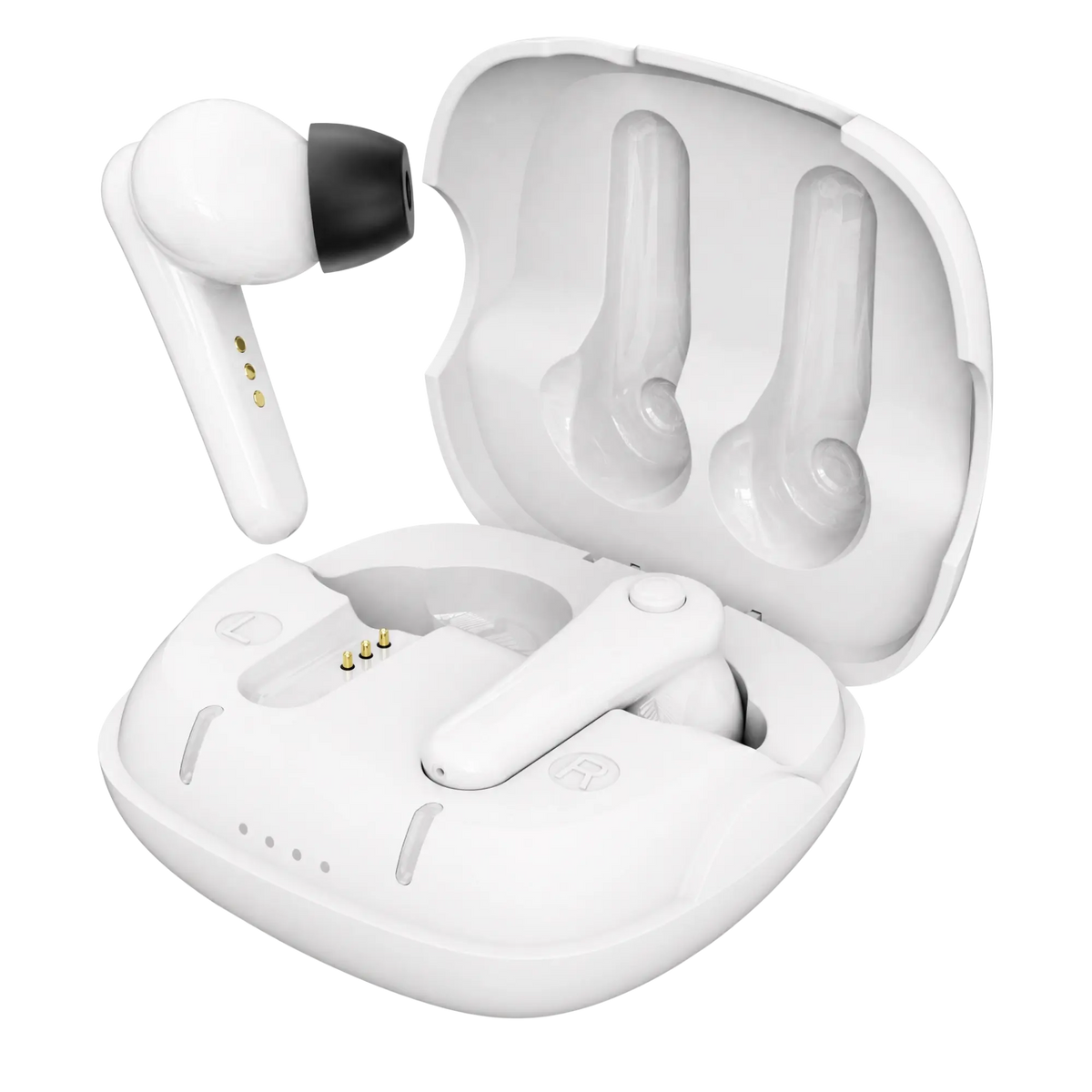
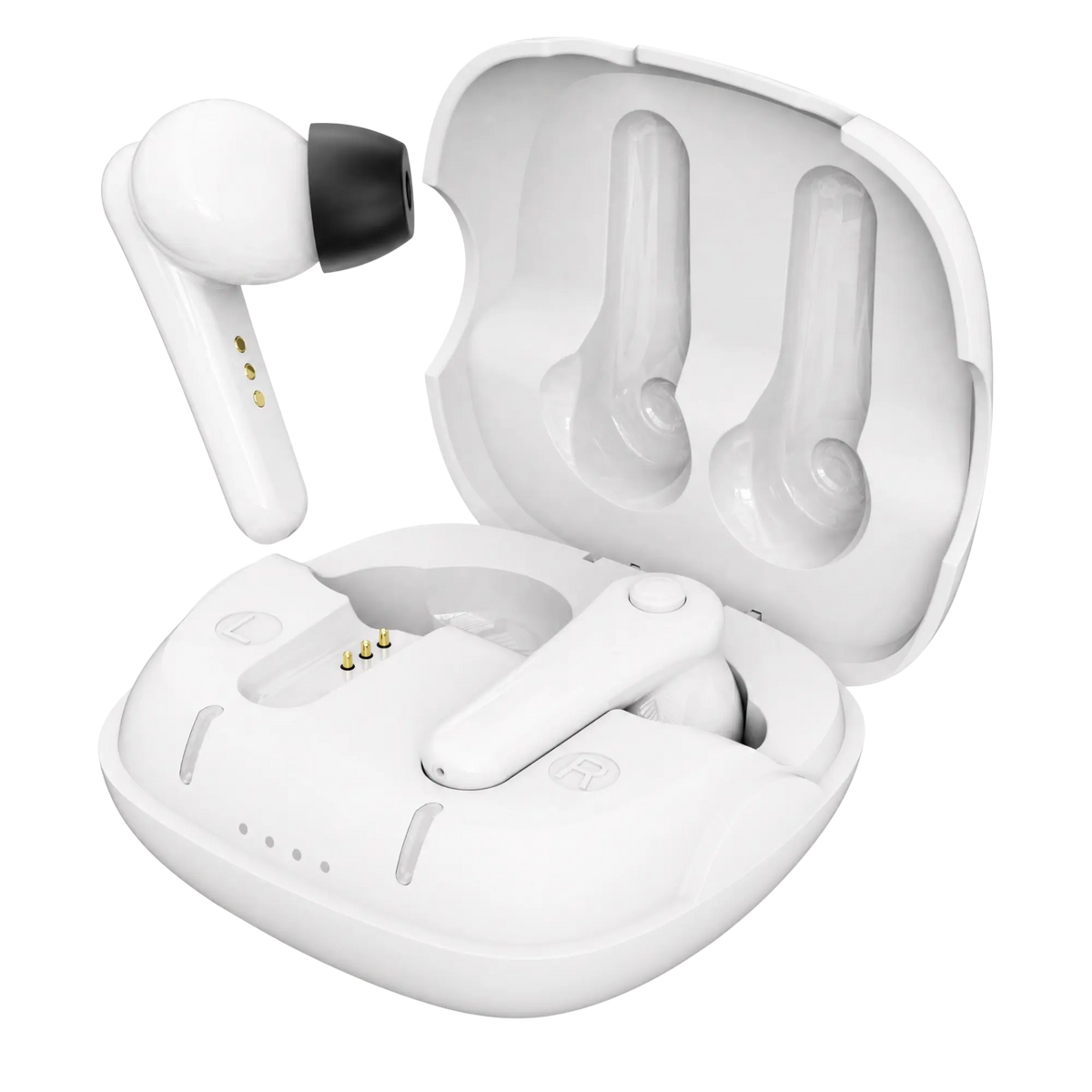
Da diese Studie das Gehör auf die Liste der Gesundheitswerte setzt, die bei Diabetes beobachtet werden sollten, ist ein leichterer Zugang zu Hörtests und Hörhilfen wichtig. Neuere FDA-OTC-Hörgeräte sollen diese Hürde für Erwachsene mit leichtem bis mittelgradigem Hörverlust senken. Das Panda Air ist ein solches Gerät: ein selbstanpassbares OTC-Hörgerät im Earbud-Design, dessen optionale App über das Hörgerät selbst einen frequenzspezifischen Hörtest durchführen und Verstärkung sowie Frequenzgang an das Hörprofil des Nutzers anpassen kann. So lassen sich allmähliche Veränderungen leichter bemerken und darauf reagieren. App und Test sind optional – das Air funktioniert auch ohne sie direkt nach dem Auspacken.
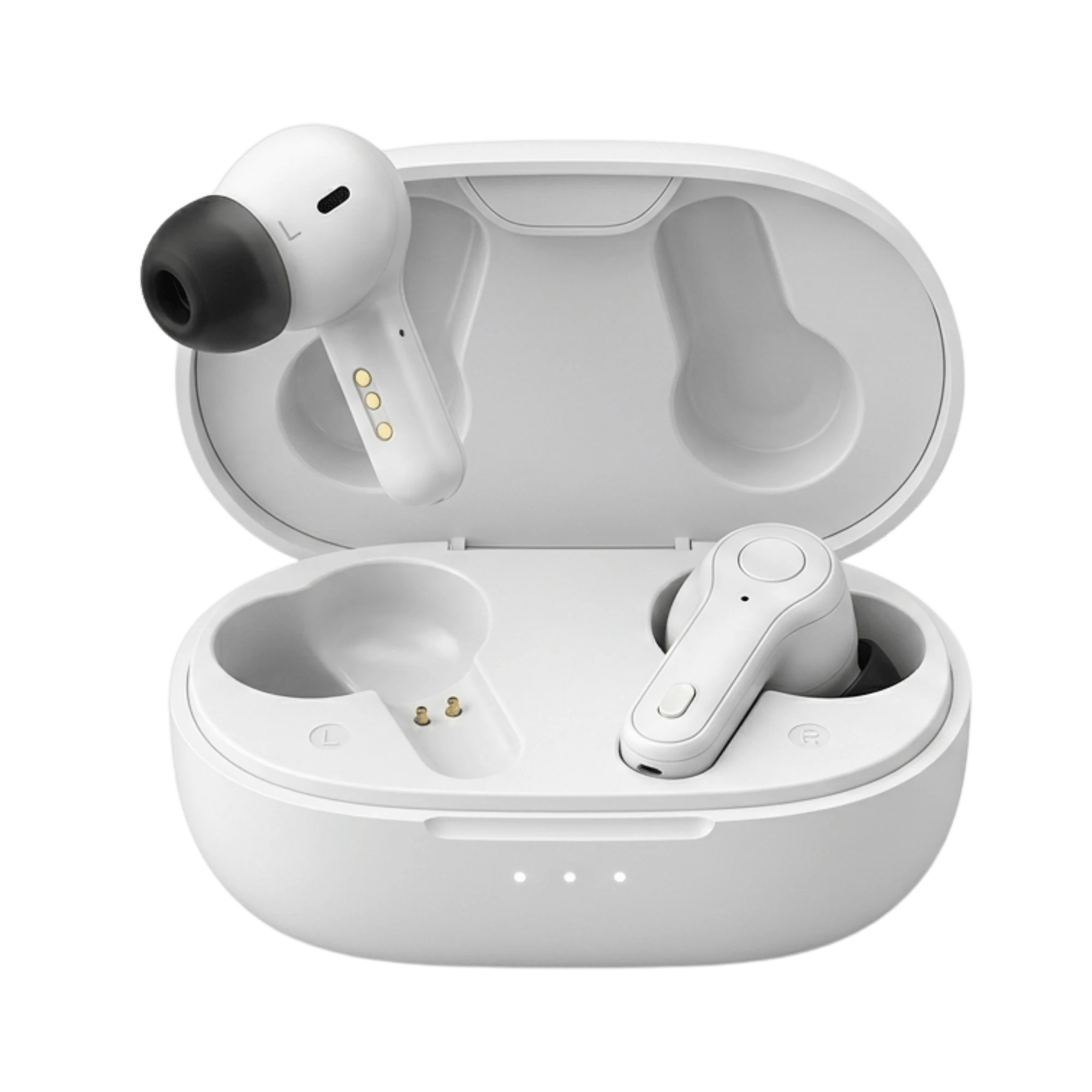
Das Air nutzt eine 16-Kanal-WDRC-Verarbeitung mit adaptiver Mehrband-Geräuschunterdrückung, überträgt Anrufe, TV und Musik per Bluetooth, und sein Schnellladeetui liefert insgesamt 60 Stunden Nutzungsdauer. Dazu kommen 5 Jahre Garantie und eine 45-tägige Testphase, die mit Erhalt des Geräts beginnt. Details finden Sie unter pandahearing.com.
Ein wichtiger Hinweis: OTC-Hörgeräte sind für leichten bis mittelgradigen Hörverlust zugelassen, und die durchschnittlichen Hörschwellen der Diabetes-Gruppe in dieser Studie lagen darüber. Menschen mit hochgradigem oder an Taubheit grenzendem Hörverlust profitieren am meisten von einer klinischen Anpassung bei einem Audiologen.
Grenzen dieser Studie
Es handelte sich um eine retrospektive Beobachtungsstudie an einem einzigen audiologischen Zentrum. Sie kann daher Zusammenhänge aufzeigen, aber keine Ursache-Wirkungs-Beziehungen. Die Patienten wurden den Medikamenten nicht zufällig zugeteilt, und wer neuere Medikamente wie GLP-1-Rezeptoragonisten verschrieben bekommt, unterscheidet sich möglicherweise in Punkten, die die Bereinigung nicht vollständig erfassen konnte – etwa im allgemeinen Gesundheitsengagement, in der Diabetesdauer oder in der Blutzuckereinstellung. Zudem stammten die Teilnehmenden aus der Patientenschaft einer audiologischen Klinik, das heißt, die meisten hatten bereits Hörprobleme. Das schränkt ein, wie weit sich die Ergebnisse auf alle Menschen mit Diabetes übertragen lassen. Im verfügbaren Abstract wurden keine Bedenken zu Finanzierung oder Interessenkonflikten genannt.
Was Sie daraus mitnehmen können
Wenn Sie oder ein Angehöriger mit Typ-2-Diabetes leben, behandeln Sie das Gehör so, wie Sie bereits Augen und Füße behandeln: als etwas, das regelmäßig überprüft werden sollte – nicht erst, wenn ein Problem offensichtlich wird. Sprechen Sie das Gehör bei der nächsten Diabetes-Kontrolle an, lassen Sie einen Ausgangstest machen und handeln Sie früh, wenn sich die Werte verändern. Die Ergebnisse zu den Medikamenten sind eine Frage für künftige Forschung, doch die Gründe, bei Diabetes auf das Gehör zu achten, sind bereits gut belegt.
Martines F, Salvago P, Vaccaro F, Vaccaro D, Malta G, Plescia F, Cascioferro S, Lavanco G, Plescia F. Associations Between Antidiabetic Pharmacotherapy and Hearing Thresholds in Adult Hearing-Impaired Patients With Type 2 Diabetes. Pharmacology Research & Perspectives. 2026;14(5):e70316. Abgerufen aus PubMed. https://doi.org/10.1002/prp2.70316