Neue Analyse: Die Forschung zu OTC-Hörgeräten wandelt sich von Meinung zu Evidenz
Eine neue Proof-of-Concept-Analyse von drei Jahrzehnten veröffentlichter Forschung legt nahe, dass sich die wissenschaftliche Debatte über rezeptfreie Hörgeräte seit der Schaffung dieser Kategorie durch die US-Behörden von Kommentaren und Meinungen hin zu messbarer, empirischer Forschung entwickelt hat.
Als die Kategorie der rezeptfreien Hörgeräte der U.S. Food and Drug Administration im Oktober 2022 in Kraft trat, beendete sie eine jahrelange politische Debatte darüber, ob Erwachsene mit leichterem Hörverlust Hörgeräte direkt kaufen dürfen sollten – ohne Rezept und ohne Praxisbesuch. Weniger klar war, ob die Forschung dem Markt folgen würde.
Ein Forschungsteam aus Hongkong, den USA, den Niederlanden und Südafrika wollte diese Frage mit Daten beantworten. Seine Studie, die diese Woche im International Journal of Audiology erschienen ist, zeigt, wie sich die veröffentlichte Literatur zu rezeptfreien Hörgeräten vor und nach der FDA-Regelung verändert hat und welche Themen Forschende nach wie vor häufig übersehen.
Über diese Studie
Titel: From policy debate to empirical evidence: a proof-of-concept bibliometric and LLM-assisted abstract-level content analysis of OTC hearing aid research before and after FDA regulation
Autoren: Changgeng Mo, Vinaya Manchaiah, Jan-Willem A. Wasmann, Shangqiguo Wang
Institutionen: Orka Health Limited and The Education University of Hong Kong (Hong Kong SAR); University of Colorado School of Medicine and UCHealth (USA); University of Pretoria (South Africa); Manipal University (India); Radboud University Medical Center (Netherlands); The University of Hong Kong
Fachzeitschrift: International Journal of Audiology, online veröffentlicht am 29. August 2026
Studientyp: Bibliometrische Analyse mit Inhaltsanalyse unter Einsatz großer Sprachmodelle (Proof of Concept)
PubMed DOI: 10.1080/14992027.2026.2720841
Hintergrund: Warum die Forschenden das untersucht haben
Über den größten Teil der letzten drei Jahrzehnte wurde das Schrifttum zu rezeptfreien Hörgeräten von Positionspapieren, Editorials und politischen Kommentaren dominiert. Befürworter argumentierten, dass Geräte im Direktvertrieb Kosten- und Zugangshürden für Millionen Erwachsene mit unbehandeltem Hörverlust senken könnten, während Kritiker Bedenken hinsichtlich Sicherheit, Anpassungsqualität und dem Wegfall fachlicher Aufsicht äußerten. Als die FDA ihre Regelung verabschiedet hatte, war die Debatte in gewisser Weise entschieden, und die Frage wurde zu einer empirischen: Wie gut funktionieren diese Geräte tatsächlich, und wer nutzt sie?
Die Autoren wollten wissen, ob sich der Charakter der Forschungsliteratur zusammen mit der Regulierung verändert hat. Um das in großem Umfang zu untersuchen, kombinierten sie zwei Methoden. Die Bibliometrie ist die statistische Untersuchung der Veröffentlichungen selbst, etwa wann und wo Arbeiten erscheinen. Zudem setzte das Team große Sprachmodelle ein – die Technologie hinter modernen AI-Assistenten –, um Studienabstracts entlang vorab festgelegter Dimensionen zu lesen und zu annotieren, nachdem menschliche Bewerter die Artikel zuvor gesichtet hatten.
So wurde die Studie durchgeführt
Die Forschenden identifizierten 106 Artikel zu rezeptfreien Hörgeräten, die in der Datenbank Web of Science indexiert sind. Menschliche Bewerter sichteten jeden Artikel, und die Sammlung wurde in eine Gruppe vor der Einführung mit 45 Arbeiten aus den Jahren 1995 bis 2022 und eine Gruppe nach der Einführung mit 61 Arbeiten aus den Jahren 2023 bis 2026 aufgeteilt. Dass die Gruppe nach der Regelung bereits größer ist, obwohl sie kaum vier Jahre gegenüber fast drei Jahrzehnten abdeckt, ist für sich genommen ein Zeichen für wachsendes Interesse.
Anschließend wurde jedes Abstract mithilfe eines strukturierten Frameworks namens GABRIEL annotiert, wobei große Sprachmodelle die Arbeiten anhand von acht vorab festgelegten Dimensionen bewerteten – etwa danach, wie stark sie ältere Erwachsene, die Verbraucherperspektive oder leichten bis mittelgradigen Hörverlust in den Mittelpunkt stellten. Die beiden Zeiträume wurden statistisch verglichen, wobei Korrekturen angewendet wurden, um falsch-positive Ergebnisse durch Mehrfachvergleiche zu vermeiden. Außerdem prüfte das Team, ob verschiedene AI-Modelle übereinstimmende Annotationen lieferten.
Was die Forschenden herausgefunden haben
Die deutlichste Veränderung betraf die Art der veröffentlichten Evidenz. Vor der FDA-Regelung dominierten Kommentare die Literatur. Danach übernahm die empirische Forschung, also Studien, die tatsächliche Daten von Geräten und Nutzern erheben und auswerten. Diese Veränderung war statistisch signifikant, mit einem Chi-Quadrat-Wert von 13.32 und einer mittleren Effektstärke.
Von den acht inhaltlichen Dimensionen erreichte in der Hauptanalyse nur eine die adjustierte statistische Signifikanz: eine geringere Betonung älterer Erwachsener im Zeitraum nach der Einführung. Mit anderen Worten: Neuere Arbeiten stellen rezeptfreie Geräte weniger ausschließlich als Produkte für Senioren dar. Die Aufmerksamkeit für die Verbraucherperspektive und für leichten bis mittelgradigen Hörverlust nahm tendenziell zu, wobei der Befund zur Verbraucherperspektive nur in einer explorativen Sensitivitätsanalyse Signifikanz erreichte.
Zeitliche Muster deuten darauf hin, dass die Neuausrichtung des Fachgebiets nicht erst mit dem Markteintritt Ende 2022 begann. Die deskriptiven Trends sprechen vielmehr dafür, dass der Wandel im Zeitraum von 2017 bis 2022 einsetzte, als das zugrunde liegende Gesetz verabschiedet wurde und die FDA ihre Vorschriften ausarbeitete. Die Forschenden haben ihren Kurs offenbar geändert, sobald die politische Richtung klar war.
Die Analyse zeigte zudem anhaltende blinde Flecken. Forschung zu einkommensschwachen und unterversorgten Bevölkerungsgruppen ist nach wie vor rar, und die Publikationstätigkeit ist geografisch unausgewogen: Sie konzentriert sich auf eine Handvoll Länder, obwohl Hörverlust ein weltweites Problem ist.
Was das für Menschen mit Hörverlust bedeutet
Für Verbraucher ist die Kernaussage beruhigend: Rezeptfreie Hörgeräte sind nicht mehr nur eine politische Idee, über die in Fachzeitschriften gestritten wird. Sie sind inzwischen Gegenstand echter empirischer Forschung, die Käufern mit der Zeit bessere unabhängige Informationen darüber liefern dürfte, wie sich die Geräte im Alltag bewähren.
Auch die Abschwächung der Fokussierung auf ältere Erwachsene ist von Bedeutung. Hörverlust betrifft auch Erwachsene im erwerbsfähigen Alter, und eine Forschungsagenda, die Geräte im Direktvertrieb als Hilfsmittel für eine breite Bevölkerung statt als Nischenprodukt für Hochbetagte betrachtet, bildet besser ab, wer tatsächlich leichte bis mittelgradige Hörprobleme hat.
Selbstanpassbare OTC-Hörgeräte werden jetzt unter Alltagsbedingungen erforscht
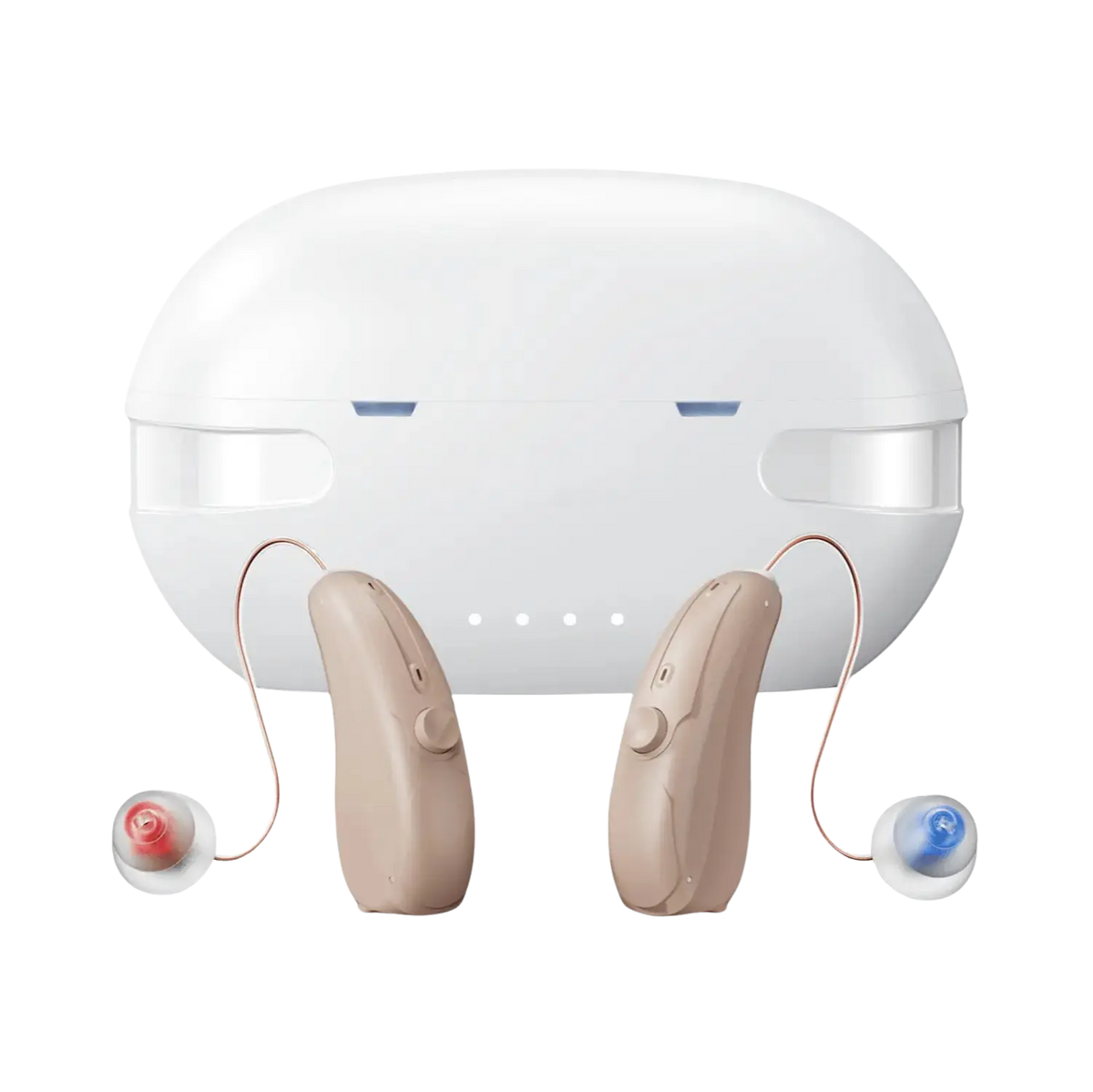
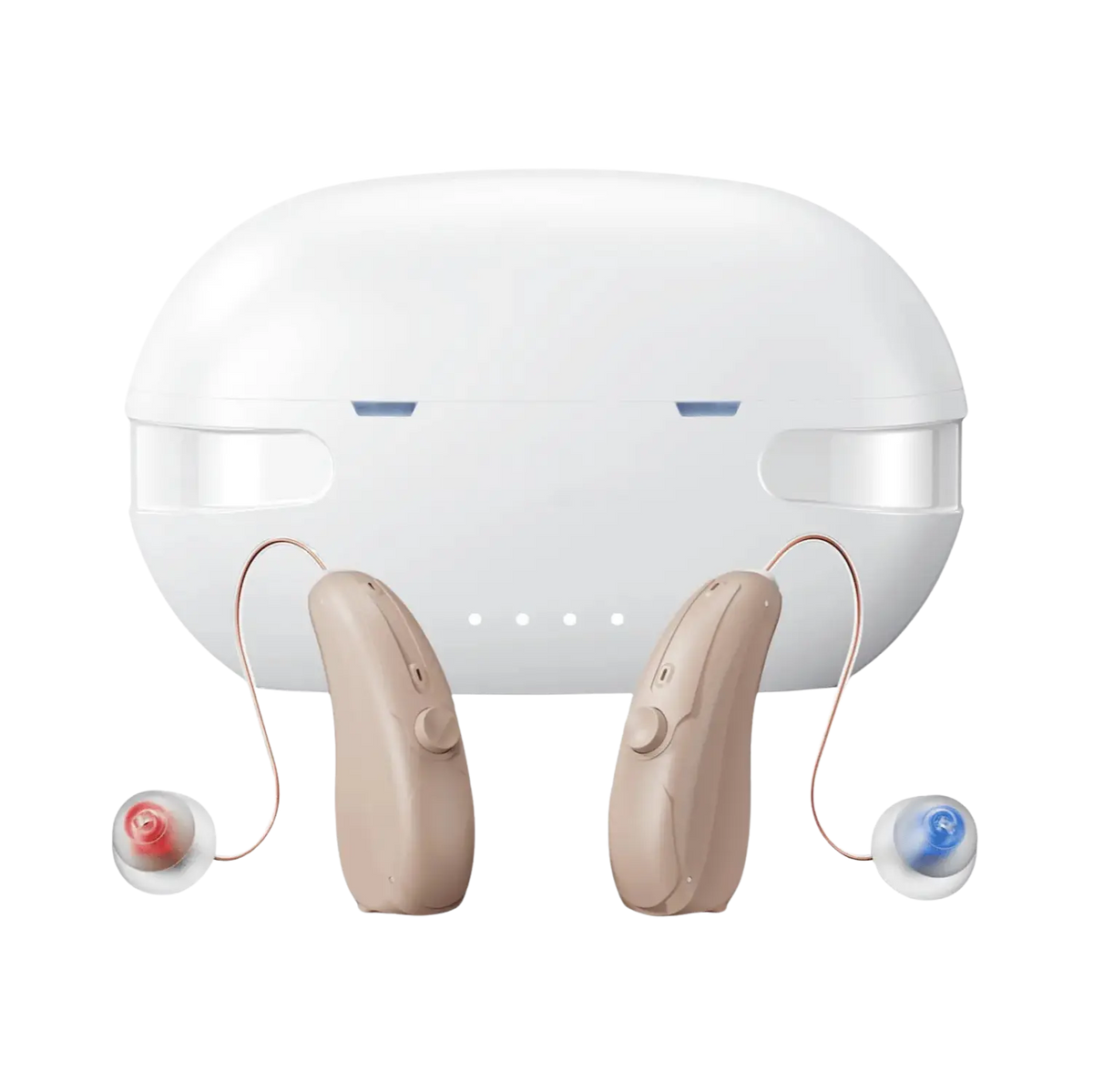
Da diese Studie zeigt, wie ein Forschungsfeld eine Realität des Verbrauchermarkts einholt, lohnt ein Blick darauf, wie diese Realität aussieht. FDA-OTC-Hörgeräte wurden genau für die wachsende, nicht ausschließlich ältere Bevölkerungsgruppe geschaffen, die in der neueren Literatur beschrieben wird, und selbstanpassbare OTC-Hörgeräte machen einen großen Teil dieses Wandels aus.
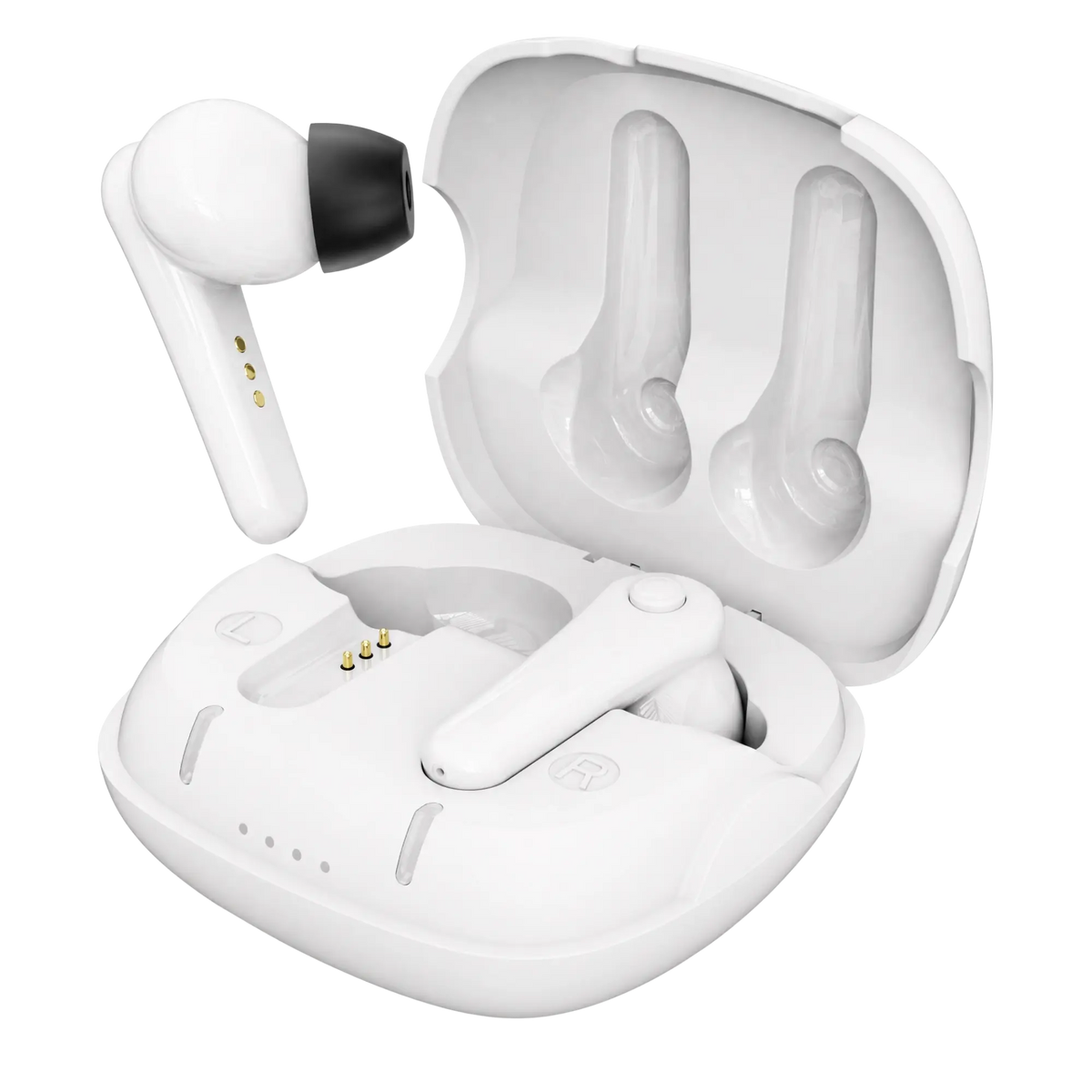
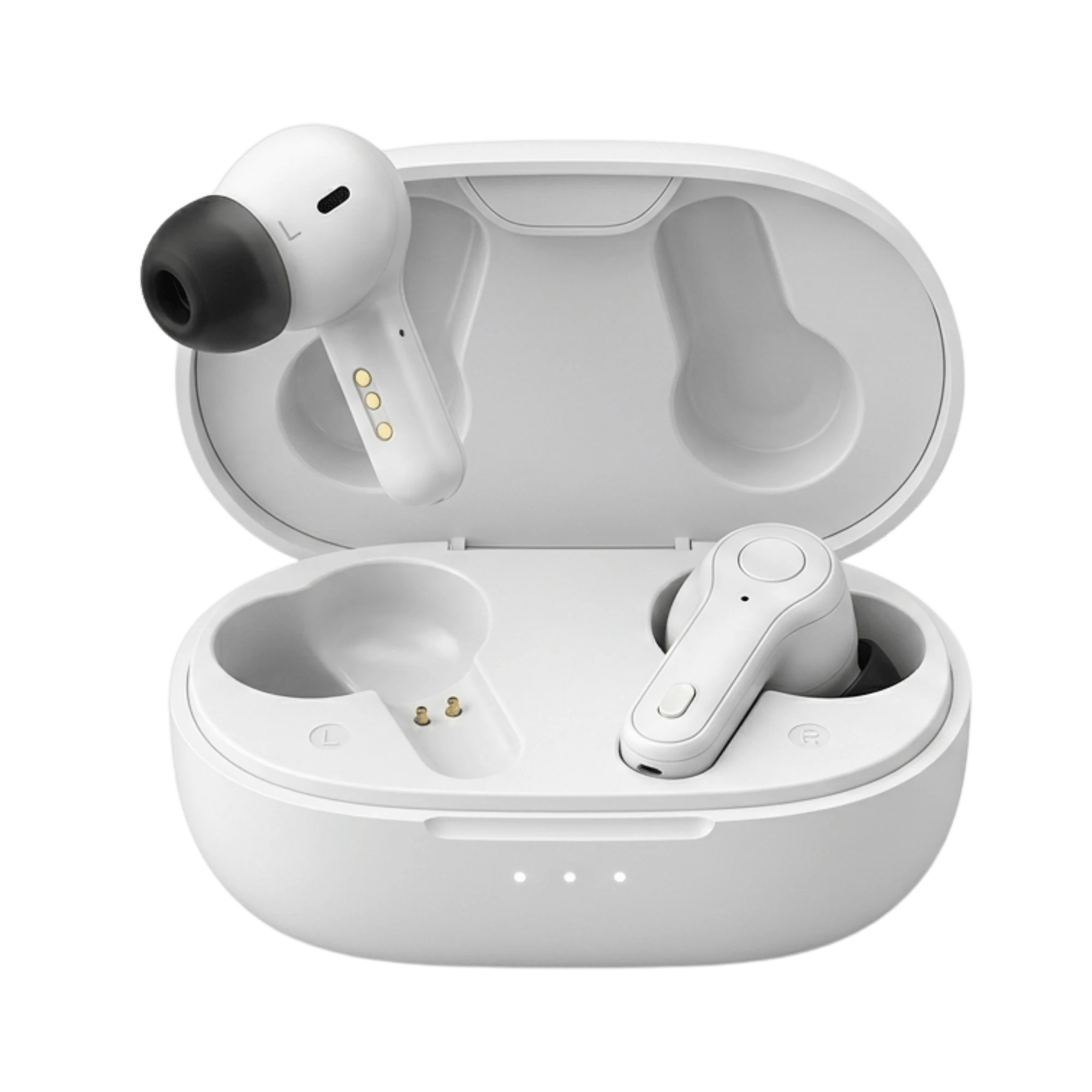
Panda Air ist ein Beispiel für die Kategorie, die diese Forschenden nun empirisch untersuchen. Es ist ein Gerät im Earbud-Design mit 16-Kanal-Verarbeitung und adaptiver Mehrband-Geräuschunterdrückung und erinnert eher an moderne Hörgeräte im Earbud-Design als an die Geräte von vor zehn Jahren. Eine optionale Begleit-App kann über das Hörgerät selbst einen frequenzspezifischen Hörcheck durchführen und die Verstärkung an das Hörprofil des Nutzers anpassen. Air funktioniert aber auch direkt nach dem Auspacken ohne App oder Test. Ein Schnellladeetui sorgt für insgesamt 60 Stunden Nutzung, und das Gerät hat eine 5-jährige Garantie sowie eine 45-tägige Testphase, die mit der Lieferung beginnt.
Eine Einschränkung, die die Literatur durchweg stützt: Die OTC-Kategorie ist für Erwachsene mit leichtem bis mittelgradigem Hörverlust zugelassen, und Menschen mit hochgradigem oder an Taubheit grenzendem Hörverlust profitieren nach wie vor am meisten von einer klinischen Anpassung. Details zu Air finden Sie unter pandahearing.com/products/panda-air.
Grenzen dieser Studie
Die Autoren bezeichnen ihre Arbeit ausdrücklich als Proof of Concept. Die Ergebnisse zeigen zeitliche Zusammenhänge innerhalb einer einzigen Datenbank, Web of Science, und können nicht belegen, dass die FDA-Regelung die beobachteten Veränderungen verursacht hat. Die AI-gestützten Annotationen erfassten Muster in Abstracts, nicht von Fachleuten validierte Auswertungen vollständiger Arbeiten, und die Stichprobe von 106 Artikeln ist überschaubar.
Leser sollten außerdem beachten, dass der Erstautor neben einer akademischen Anstellung mit Orka Health verbunden ist, einem Hersteller von Hörgeräten. Die Arbeit selbst weist auf die verbleibenden Lücken des Fachgebiets hin, insbesondere auf den Mangel an Forschung zu einkommensschwachen und unterversorgten Gruppen.
Was bleibt
Vier Jahre nach Beginn der OTC-Ära beginnt die Wissenschaft, das zu leisten, was die politische Debatte nicht konnte: Prognosen durch Messungen zu ersetzen. Die nächste Phase wird – sofern die Empfehlungen der Forschenden beherzigt werden – prüfen, wie gut Hörtechnologie im Direktvertrieb den Menschen mit den wenigsten Alternativen dient, und zwar dort, wo Hörversorgung am schwersten zu erreichen ist.
Mo C, Manchaiah V, Wasmann JWA, Wang S. From policy debate to empirical evidence: a proof-of-concept bibliometric and LLM-assisted abstract-level content analysis of OTC hearing aid research before and after FDA regulation. International Journal of Audiology. 2026. Abgerufen von PubMed. https://doi.org/10.1080/14992027.2026.2720841