Schützt mehr Fisch Ihr Gehör? Eine große japanische Studie sagt: wahrscheinlich nicht
Eine Studie mit 13,908 japanischen Erwachsenen fand keinen Zusammenhang zwischen dem Verzehr von Meeresfrüchten oder Omega-3-Fettsäuren und einem besseren Gehör – und stellt damit eine verbreitete Vorstellung zur Vorbeugung von altersbedingtem Hörverlust infrage.
Altersbedingter Hörverlust gehört zu den häufigsten Erkrankungen im späteren Leben, und seine Folgen reichen weit über die Ohren hinaus. Er wird mit Demenz, sozialer Isolation und geringerer Lebensqualität in Verbindung gebracht. Deshalb suchen Forschende weiterhin nach Wegen, ihn zu bremsen, bevor er überhaupt einsetzt.
Ein vielversprechender Kandidat ist seit Langem die Ernährung, insbesondere die Omega-3-Fettsäuren aus Fisch. Die Theorie klingt plausibel: Diese Fette wirken entzündungshemmend und antioxidativ und könnten so die empfindlichen Strukturen des Innenohrs schützen. Ein Team der Tohoku University in Japan hat diese Theorie einer ungewöhnlich strengen Prüfung unterzogen – in einem Land, in dem mehr Meeresfrüchte gegessen werden als fast überall sonst.
Titel: Seafood and polyunsaturated fatty acid intake and age-related hearing loss: a cross-sectional study conducted in Japan
Autoren: Jun Suzuki, Hiroki Tozuka, Hiyori Takahashi und Kollegen
Institutionen: Department of Otolaryngology, Head and Neck Surgery, Tohoku University Graduate School of Medicine, und die Tohoku Medical Megabank Organization, Sendai, Japan
Fachzeitschrift: The Journal of Nutrition, Health & Aging, veröffentlicht am 4. September 2026
Studientyp: Querschnittliche Kohortenstudie
Referenz: DOI: 10.1016/j.jnha.2026.100971 (abgerufen über PubMed)
Hintergrund: Warum die Forschenden das untersucht haben
Mehrfach ungesättigte Omega-3-Fettsäuren, oft als n-3-PUFAs abgekürzt, sind Fette, die reichlich in fettem Fisch wie Lachs, Makrele und Sardinen vorkommen. Da oxidativer Stress und Entzündungen vermutlich zum allmählichen altersbedingten Nachlassen des Gehörs beitragen, gelten Nährstoffe, die diesen Prozessen entgegenwirken, als möglicherweise schützend.
Frühere Studien zu Fischkonsum und Gehör lieferten widersprüchliche Ergebnisse: Einige deuteten auf einen Nutzen hin, andere fanden keinen. Viele dieser Studien wurden in westlichen Bevölkerungsgruppen durchgeführt, in denen relativ wenig Fisch gegessen wird, sodass Unterschiede schwer nachzuweisen waren. Japan bot den Forschenden einen natürlichen Vorteil: eine Bevölkerung mit hohem und sehr unterschiedlichem Verzehr von Meeresfrüchten sowie ein großes Biobank-Projekt mit sorgfältigen Gesundheitsmessungen.
So wurde die Studie durchgeführt
Die Forschenden werteten Daten von 13,908 Erwachsenen im Alter von 50 bis 79 Jahren aus der Tohoku Medical Megabank Project Cohort Study aus. Das Gehör jedes Teilnehmenden wurde mit Reintonaudiometrie gemessen, dem klinischen Standard-Hörtest, und zwar bei vier Frequenzen, die den für Sprache wichtigsten Bereich abdecken: 500, 1,000, 2,000 und 4,000 Hz.
Die Ernährung wurde mit einem validierten Fragebogen zur Verzehrshäufigkeit erfasst. Die Aufnahme von Meeresfrüchten, Omega-3-Fetten und gesättigten Fetten wurde jeweils in Quartile eingeteilt, vom Viertel mit dem geringsten bis zum Viertel mit dem höchsten Verzehr. Statistische Modelle verglichen dann die Hörschwellen zwischen diesen Quartilen und berücksichtigten dabei weitere Faktoren; Männer und Frauen wurden getrennt analysiert.
Was die Forschenden herausgefunden haben
Das zentrale Ergebnis war ein Nullbefund. Weder der Verzehr von Meeresfrüchten noch die Aufnahme von Omega-3-Fettsäuren hing bei Männern oder Frauen signifikant mit den Hörschwellen zusammen. Selbst in einer Bevölkerung, die weit mehr Fisch isst als die meisten westlichen Kohorten, hörten diejenigen mit dem höchsten Verzehr nicht messbar besser als diejenigen mit dem geringsten.
Das einzige Signal, das sich zeigte, war unerwartet. Bei Männern ging eine höhere Aufnahme gesättigter Fette mit einem etwas besseren Gehör bei 1,000 Hz einher – ein Unterschied von etwa 2.2 Dezibel zwischen dem obersten und dem untersten Quartil und etwa 1.7 Dezibel beim Reinton-Mittelwert über alle Frequenzen. Anders gesagt: Eine geringere Aufnahme gesättigter Fette ging bei Männern mit einem etwas schlechteren Gehör einher.
Bei Frauen zeigte keine einzige Ernährungsgröße einen signifikanten Zusammenhang mit dem Gehör. Die Autoren folgern, dass die Beziehung zwischen Nahrungsfetten und altersbedingtem Hörverlust vermutlich komplex ist und sich zwischen Männern und Frauen unterscheiden kann. Eine Ernährungsumstellung auf Grundlage dieser Ergebnisse empfehlen sie ausdrücklich nicht.
Was das für Menschen mit Hörverlust bedeutet
Wer Fisch auch in der Hoffnung isst, damit sein Gehör zu schützen, bekommt durch diese Studie einen nützlichen Realitätscheck. Sie besagt nicht, dass Fisch schlecht ist – Meeresfrüchte bleiben ein gut belegter Bestandteil einer herzgesunden Ernährung. Sie legt lediglich nahe, dass Omega-3-Fettsäuren kaum ein verlässlicher Schutz vor dem altersbedingten Nachlassen des Gehörs sind.
Die übergeordnete Lehre betrifft die Frage, wo Sie Ihre Energie einsetzen sollten. Altersbedingter Hörverlust entwickelt sich schleichend und betrifft einen großen Teil der Erwachsenen über 65, unabhängig vom Lebensstil. Da sich bisher kein Ernährungs-Wundermittel bei genauer Prüfung bewährt hat, bleiben die bewährten Prioritäten bestehen: die Ohren vor lautem Lärm schützen, das Gehör überprüfen lassen und einen Hörverlust direkt angehen, sobald er auftritt, statt jahrelang zu warten, wie es die meisten Menschen tun.
Wenn Vorbeugung an Grenzen stößt, zählt frühes Handeln umso mehr
Da diese Studie nahelegt, dass man sich nicht auf die Ernährung verlassen kann, um altersbedingten Hörverlust aufzuhalten, verschiebt sich die Frage: weg von der Vorbeugung, hin dazu, wie leicht Menschen handeln können, sobald er auftritt. Kosten und Umstände haben viele Erwachsene in der Vergangenheit jahrelang davon abgehalten, etwas zu unternehmen – und neuere FDA-OTC-Hörgeräte sollen genau diese Hürde senken.
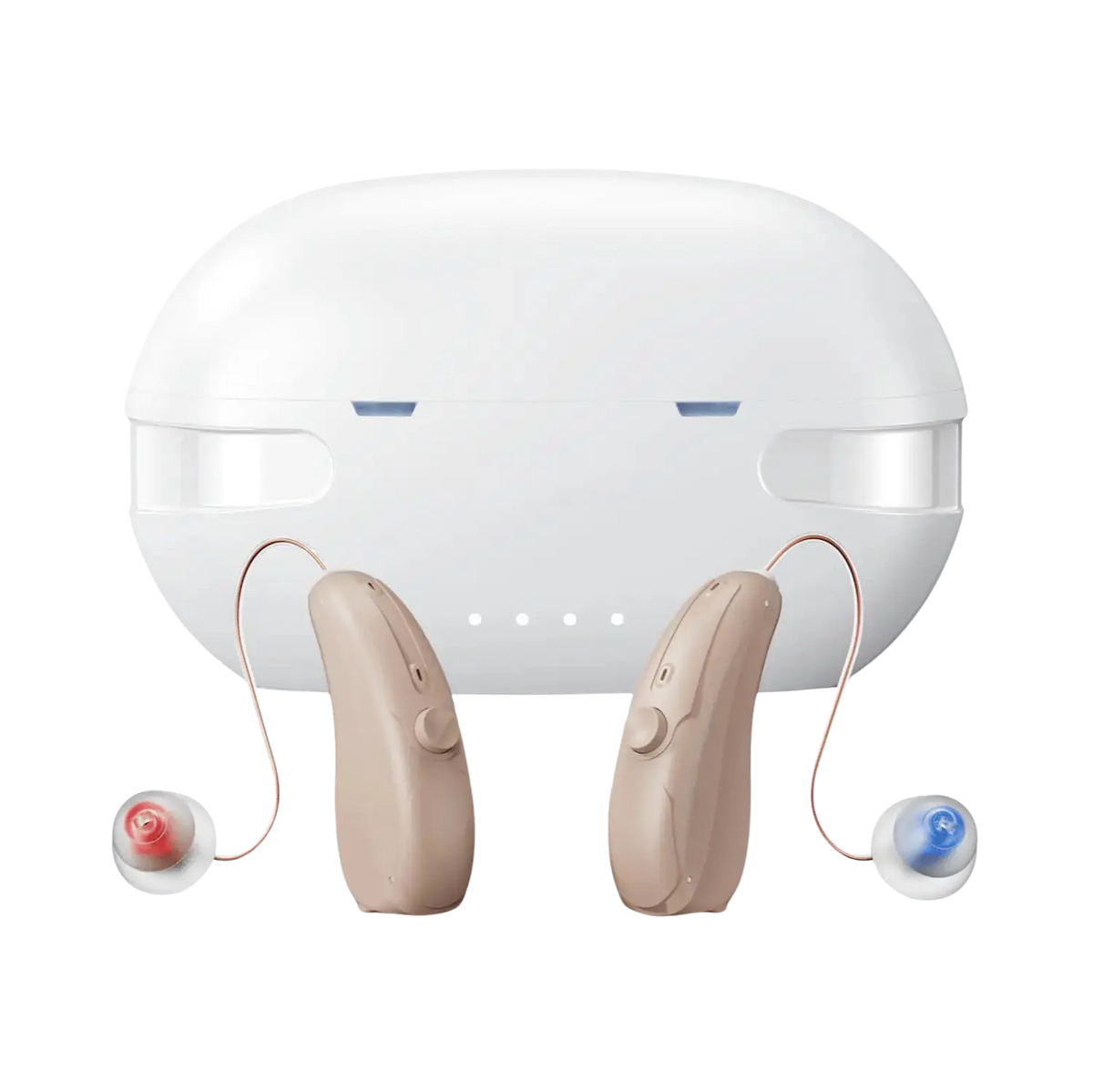
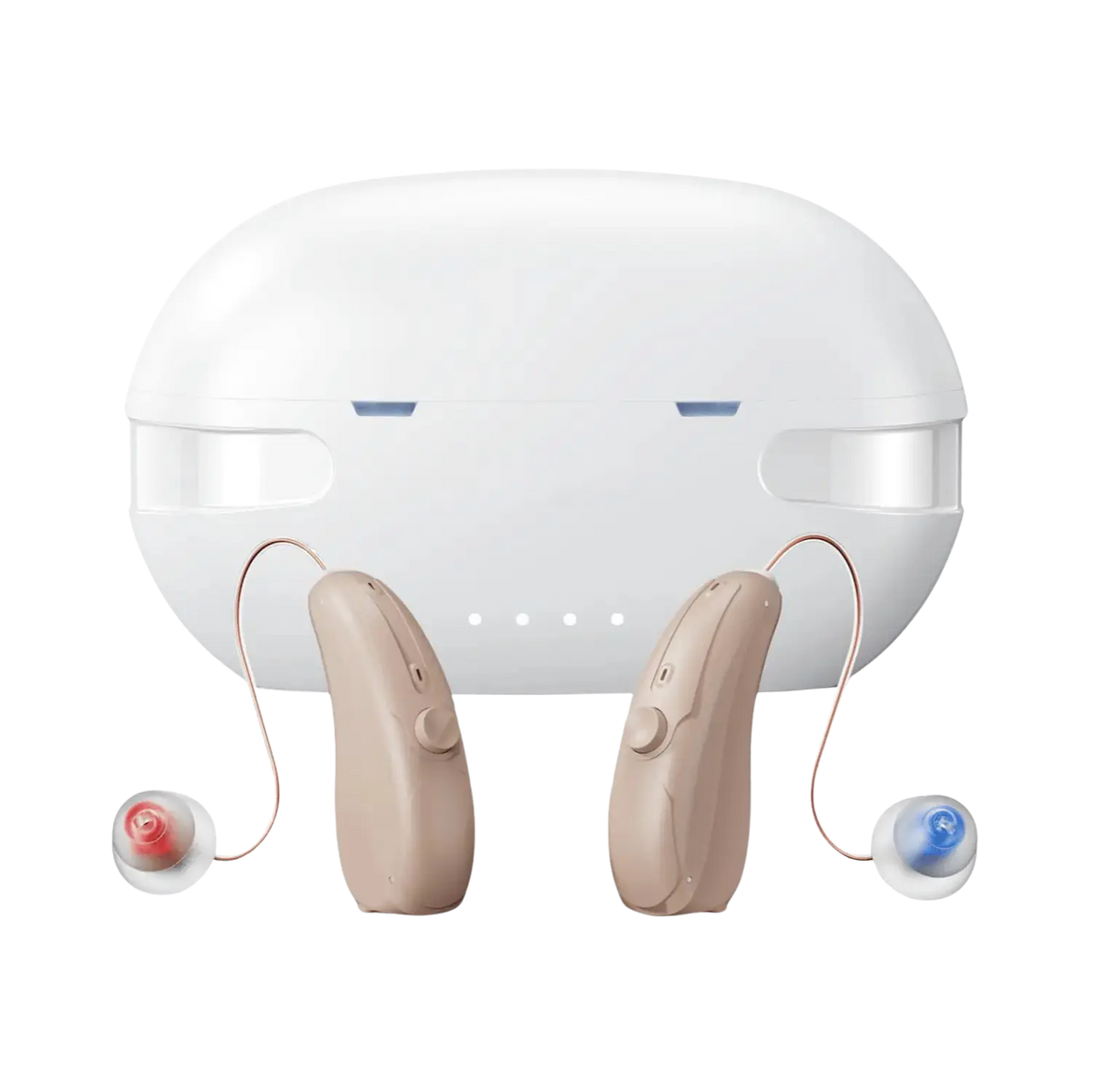
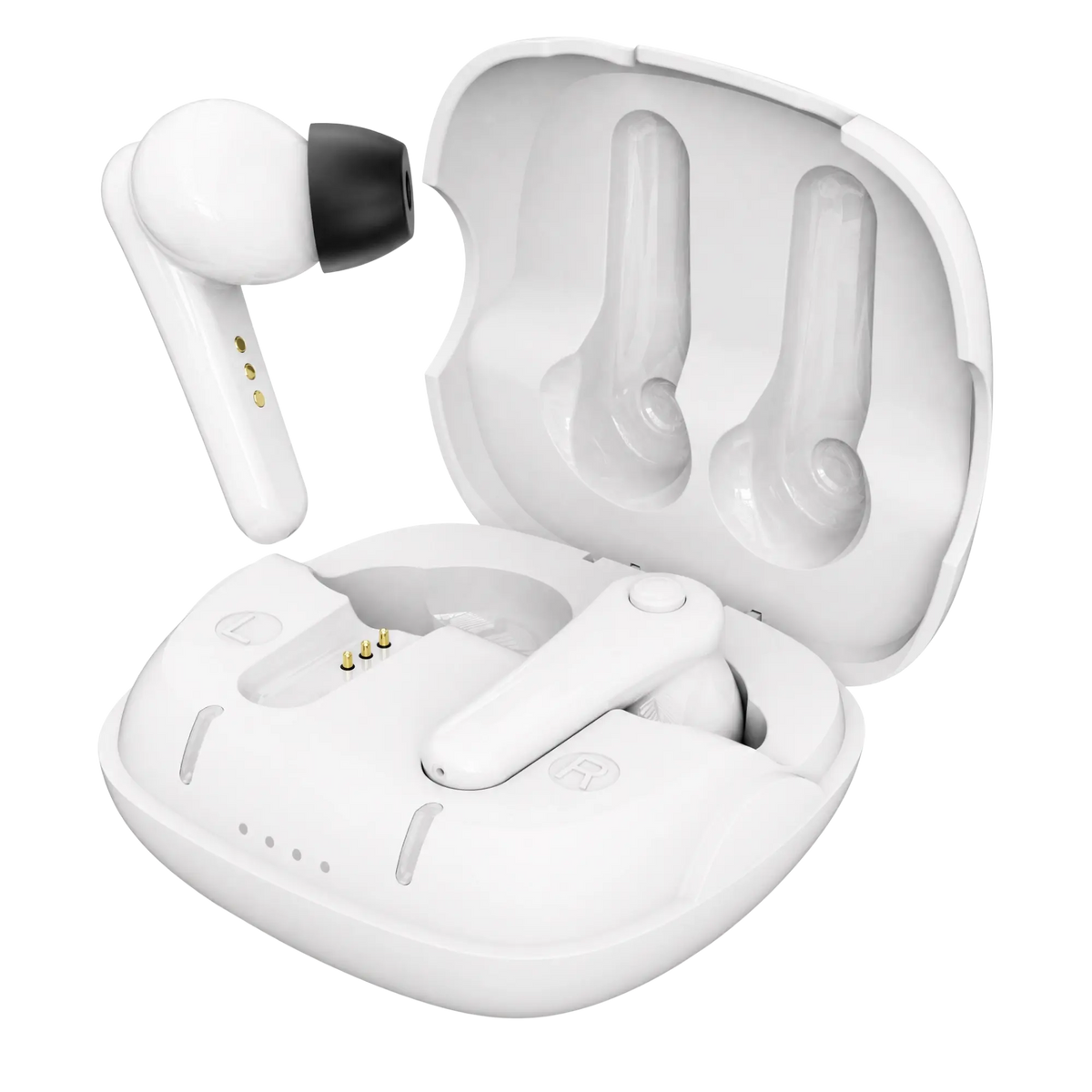
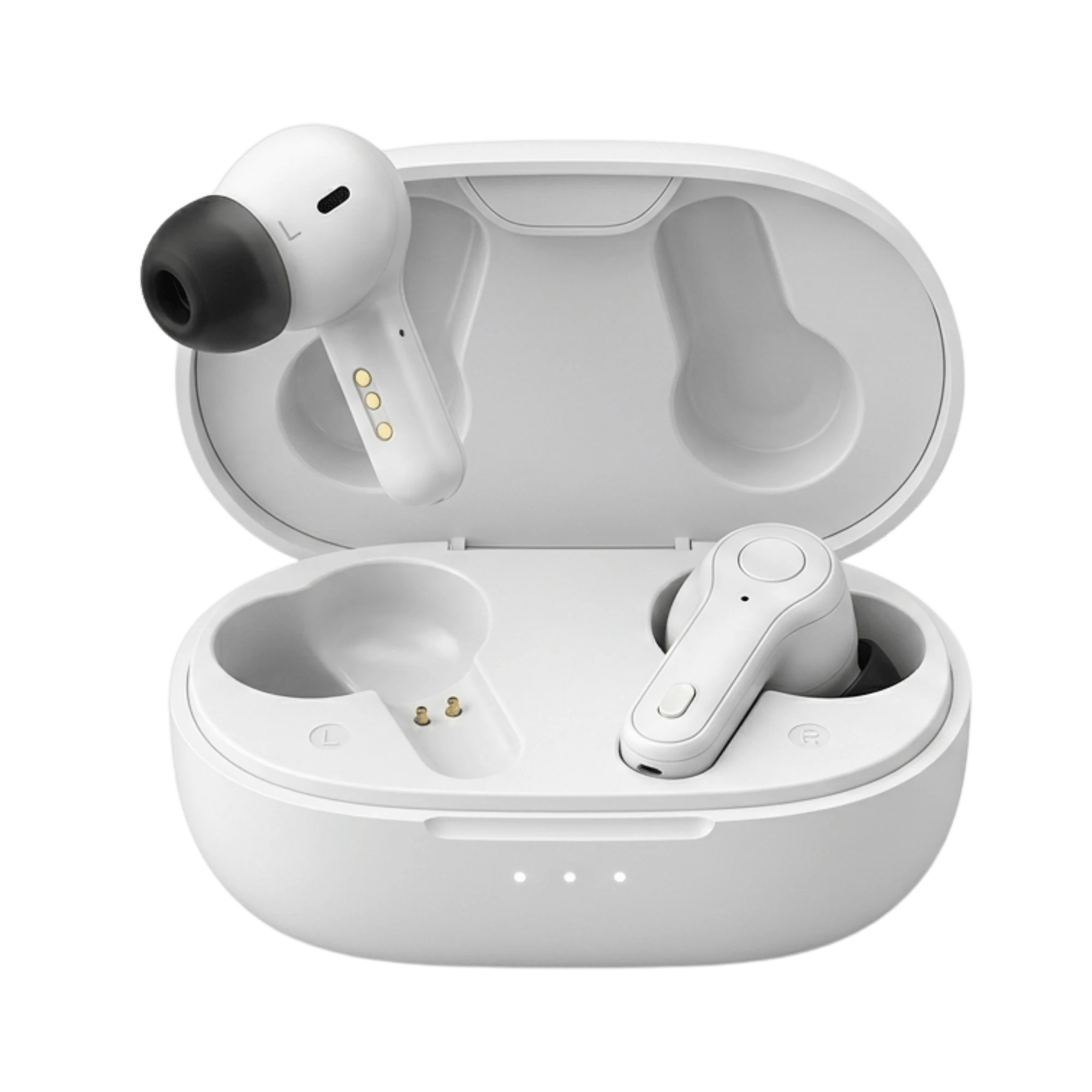
Panda Air ist ein Beispiel dafür: ein modernes Hörgerät im Earbud-Design aus der Reihe der selbstanpassbaren OTC-Hörgeräte, mit 16-Kanal-Klangverarbeitung, adaptiver Mehrband-Geräuschunterdrückung und Bluetooth für Telefonate, TV und Musik. Mit der optionalen App können Sie einen Hörtest im Ohr durchführen und den Klang an Ihr Hörprofil anpassen; die Hörgeräte funktionieren aber auch ohne App und Test direkt nach dem Auspacken. Als wiederaufladbare Hörgeräte mit Ladeetui sind sie besonders praktisch: Das Schnellladeetui bietet insgesamt 60 Stunden Nutzungsdauer. Zum Air gehören außerdem eine 5-jährige Garantie und eine 45-tägige Testphase, die mit der Lieferung beginnt. Details finden Sie unter pandahearing.com.
OTC-Hörgeräte sind für leichten bis mittelgradigen Hörverlust zugelassen; bei hochgradigem oder an Taubheit grenzendem Hörverlust ist eine klinische Anpassung durch einen Audiologen nach wie vor die beste Wahl.
Grenzen dieser Studie
Es handelte sich um eine Querschnittsstudie: Ernährung und Gehör wurden zum selben Zeitpunkt gemessen. Daher kann sie nicht zeigen, wie Essgewohnheiten über Jahrzehnte mit dem Nachlassen des Gehörs zusammenhängen. Fragebögen zur Verzehrshäufigkeit beruhen zudem auf Erinnerung und Selbstauskunft. Und da alle Teilnehmenden aus einer Region Japans stammten, lassen sich die Ergebnisse möglicherweise nicht direkt auf Bevölkerungsgruppen mit anderer Ernährung oder Genetik übertragen. Vor allem der überraschende Befund zu gesättigten Fetten bei Männern muss erst in anderen Kohorten bestätigt werden, bevor man viel hineininterpretiert.
Was bleibt
Eine große, sorgfältig gemessene Studie in einer für diese Frage idealen Bevölkerung kam zu dem Ergebnis, dass Fisch und Omega-3-Fettsäuren das alternde Gehör offenbar nicht schützen. Für die allgemeine Gesundheit spielt die Ernährung nach wie vor eine enorme Rolle. Speziell beim Gehör deuten die Belege aber immer wieder auf denselben praktischen Rat hin: Schützen Sie Ihre Ohren vor Lärm, testen Sie Ihr Gehör regelmäßig und handeln Sie rasch, wenn das Hörvermögen nachlässt.
Suzuki J, Tozuka H, Takahashi H, et al. Seafood and polyunsaturated fatty acid intake and age-related hearing loss: a cross-sectional study conducted in Japan. The Journal of Nutrition, Health & Aging. 2026. Abgerufen über PubMed. https://doi.org/10.1016/j.jnha.2026.100971