فقدان السمع والطنين يرتبطان بارتفاع معدلات أمراض القلب لدى البالغين الأمريكيين
تربط بيانات NHANES فقدان السمع والطنين بارتفاع معدلات أمراض القلب والأوعية الدموية لدى البالغين في الولايات المتحدة، مما يضيف دليلًا على أن السمع مرآة لصحة الجسم كله.
الأذن من أكثر أعضاء الجسم احتياجًا إلى الدم قياسًا بحجمها. فالخلايا الحسية الدقيقة في الأذن الداخلية تعتمد على إمداد ثابت وغني بالأكسجين، ولهذا يتزايد اعتماد الباحثين على السمع بوصفه نافذة على صحة الدورة الدموية.
ويطرح تحليل جديد لمسح صحي وطني أمريكي كبير سؤالًا مباشرًا: هل البالغون المصابون بفقدان السمع أو الطنين أكثر عرضة للإصابة كذلك بمرض القلب والأوعية الدموية التصلبي العصيدي، وهو الحالة التي تسدّ الشرايين وتقف وراء معظم النوبات القلبية وكثير من السكتات الدماغية؟
نبذة عن الدراسة
العنوان: Association between hearing loss, tinnitus, and atherosclerotic cardiovascular disease among American adults: A cross-sectional study
المؤلفون: Luniao Ma, Xuhui Huang, Yangyang Chen, Huimin Zhang, Yao Zeng, Xushan Chen, Rucheng Huang, Xiaona Tang
الجهات المنتسب إليها: الكلية السريرية السابعة بجامعة قوانغتشو للطب الصيني، شنتشن، الصين
المجلة: Medicine، المجلد 105، العدد 32، نُشرت في 7 أغسطس 2026
نوع الدراسة: تحليل مقطعي للمسح الوطني لفحص الصحة والتغذية (NHANES) للفترة 2015 إلى 2018
الخلفية: لماذا بحث الباحثون في هذا الموضوع
يتطور مرض القلب والأوعية الدموية التصلبي العصيدي (ASCVD) حين تتراكم الرواسب الدهنية فتُصلّب الشرايين وتضيّقها. ويشمل مرض الشريان التاجي والنوبة القلبية والذبحة الصدرية والسكتة الدماغية. ولأن الأذن الداخلية تتغذى عبر أوعية دقيقة جدًا وليس لها دورة دموية بديلة تُذكر، فقد يظهر فيها الضرر الناجم عن ضعف تدفق الدم مبكرًا.
كما رُبط الطنين، أي الإحساس برنين أو أزيز دون مصدر صوتي خارجي، بعوامل وعائية في أبحاث سابقة، لكن الأدلة التي تربط هذه الحالات الثلاث في مجتمع كبير وممثِّل كانت شحيحة.
وسعى فريق البحث إلى قياس هذا التداخل في عيّنة ممثِّلة على المستوى الوطني من البالغين الأمريكيين، واختبار ما إذا كانت الارتباطات تصمد بعد احتساب العمر والجنس وعوامل صحية أخرى.
كيف أُجريت الدراسة
اعتمد الباحثون على المسح الوطني لفحص الصحة والتغذية، وهو برنامج طويل الأمد يُجري فيه البالغون الأمريكيون مقابلات وفحوصات جسدية. وانطلاقًا من 19,225 مشاركًا في سن 20 عامًا فأكثر في دورات 2015 إلى 2018، حللوا بيانات 4,320 بالغًا توافرت لديهم بيانات كاملة عن السمع والطنين والحالة القلبية الوعائية. وكان متوسط العمر نحو 50 عامًا.
ثم استخدموا الانحدار اللوجستي متعدد المتغيرات، وهو أسلوب إحصائي يقدّر قوة الارتباط بين حالتين مع تثبيت العوامل الأخرى، وأجروا فحوصات على المجموعات الفرعية لمعرفة ما إذا كان النمط يصح عبر فئات مختلفة من الناس.
ما الذي توصل إليه الباحثون
في المجموعة المحللة، كان 452 بالغًا، أي نحو واحد من كل عشرة، مصابين بـASCVD. وكان المصابون بفقدان السمع أكثر احتمالًا بكثير لأن يكونوا بينهم. فقبل التعديل، كانت احتمالات إصابتهم بـASCVD أعلى بنحو 3.6 أضعاف مقارنة بالبالغين ذوي السمع الطبيعي.
ويعكس جانب كبير من هذه الفجوة الفروق في العمر والحالة الصحية، لكن الارتباط لم يختفِ عندما ضبط الباحثون هذه العوامل. فبعد التعديل الكامل، بقي فقدان السمع مرتبطًا بارتفاع احتمالات الإصابة بـASCVD بنسبة 49 في المئة.
وروى الطنين قصة مشابهة. فقد كانت احتمالات الإصابة بـASCVD لدى البالغين الذين أبلغوا عن الطنين أعلى بنحو 2.4 ضعف قبل التعديل، وبعد التعديل ظلت أعلى بنسبة 63 في المئة، وهو ارتباط مستقل أقوى قليلًا من ذلك الذي لوحظ مع فقدان السمع.
ويصف المؤلفون هذه الارتباطات بأنها متينة، إذ صمدت عبر تحليلات المجموعات الفرعية.
ماذا يعني ذلك لمن يعانون من فقدان السمع
لا تقول هذه الدراسة إن فقدان السمع يسبب أمراض القلب أو العكس. لكنها تشير إلى أن الحالتين تتلازمان بما يكفي ليستحق أي تغير في سمعك أن تذكره لطبيبك، ليس من أجل أذنيك فحسب، بل ضمن الصورة الصحية الأشمل. وينطبق الأمر نفسه على الرنين المستمر: فالطنين شائع وحميد في الغالب، لكن مكانه في الحديث خلال الفحص الدوري.
وبالنسبة للبالغين الذين يتعايشون أصلًا مع أمراض القلب، فإن النتيجة تسري في الاتجاه المعاكس أيضًا. فقد يرغب مرضى القلب والأوعية في الانتباه أكثر إلى سمعهم، إذ تشير البيانات إلى أنهم فئة تتجمع فيها مشكلات السمع.
حين يشير السمع إلى تساؤلات صحية أكبر، يبقى الصوت الواضح في الحياة اليومية مهمًا
قد تجعل نتيجة كهذه مشكلة السمع تبدو عبئًا طبيًا إضافيًا، لكن الحاجة العملية اليومية بسيطة: أن تسمع الحديث بوضوح، ولا سيما في الأماكن الصاخبة التي يشكو فيها مرضى القلب والأوعية غالبًا من أكبر قدر من الجهد. وهذه هي المهمة التي تتولاها سماعات OTC الحديثة المعتمدة من FDA لفقدان السمع الخفيف إلى المتوسط.
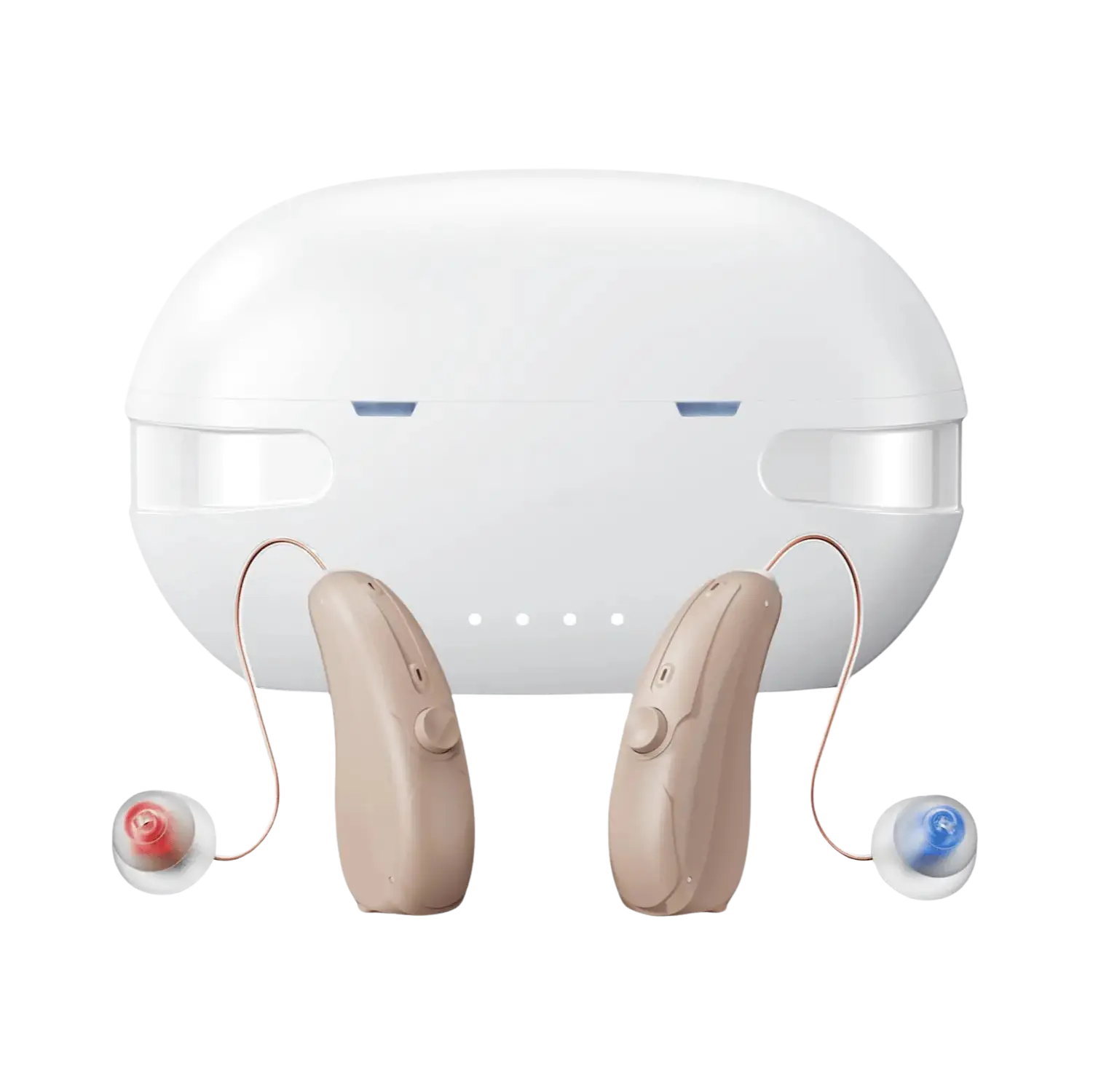
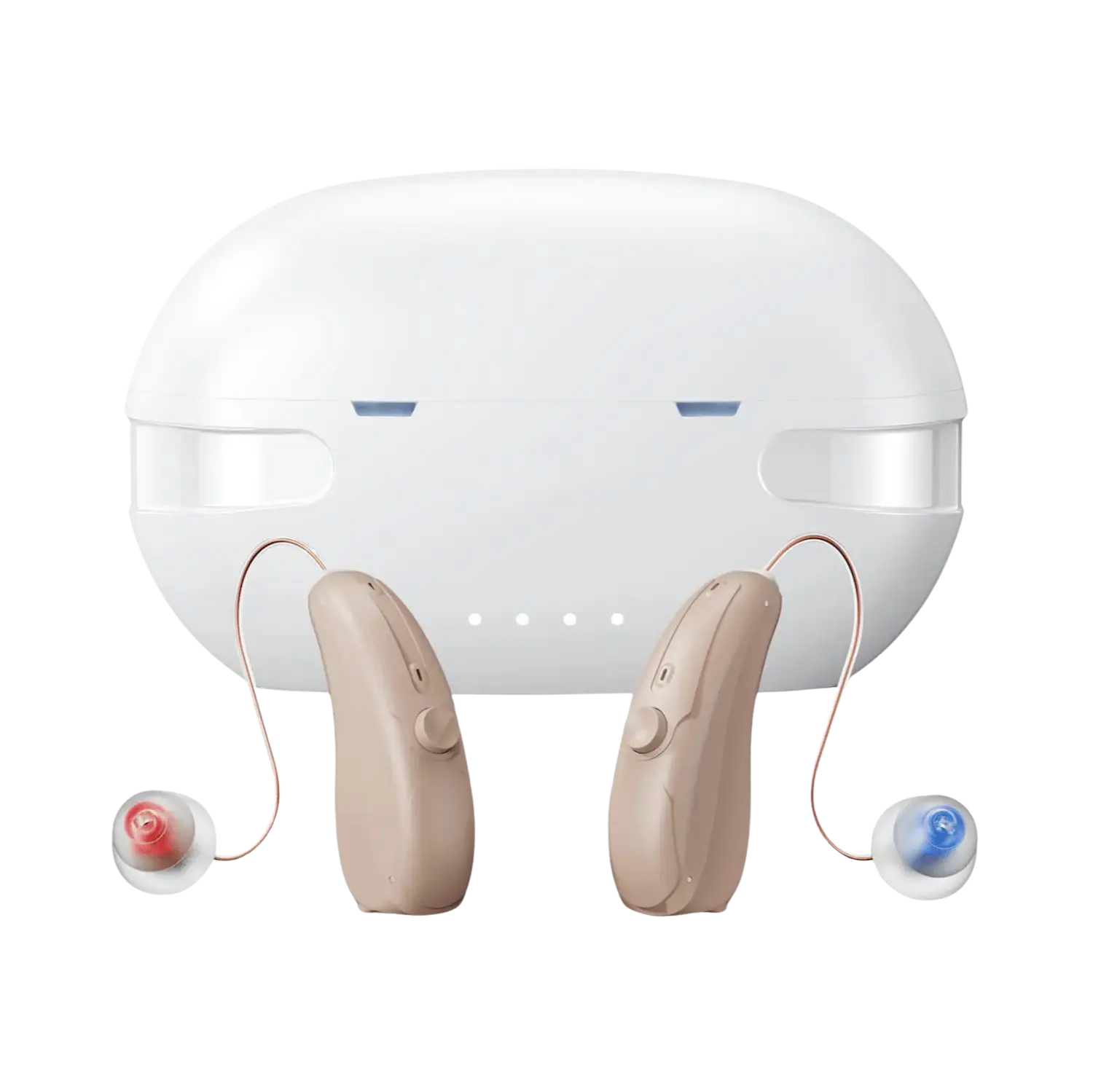
صُمم Panda Quantum لهذا الوضوح اليومي تحديدًا. فهو جهاز بـ16 قناة بنمط المستقبِل داخل القناة السمعية (RIC) مزود بخفض تكيّفي للضوضاء يستهدف وضوح الكلام في البيئات الصاخبة، ويمكن لتخصيص السمع الاختياري عبر التطبيق ضبط التضخيم وفق ملفك السمعي عن طريق اختبار داخل الأذن. ومن المهم توضيح نقطة واحدة: السماعات ليست علاجًا طبيًا للطنين ولا شفاءً منه، وإن كان الصوت الأوضح في الحياة اليومية قد يجعل الطنين أقل وضوحًا لدى بعض الأشخاص.

يعمل Quantum 20 ساعة للشحنة الواحدة، مع علبة توفر ثلاث شحنات كاملة إضافية بإجمالي 80 ساعة، ويدعم Bluetooth للمكالمات والتلفاز والموسيقى، ويأتي بضمان لمدة 5 سنوات وفترة تجربة مدتها 45 يومًا تبدأ عند وصوله. أما فقدان السمع الشديد أو العميق فيستفيد أكثر من الضبط السريري. التفاصيل على pandahearing.com/products/panda-hearing-aids-quantum.
حدود هذه الدراسة
كانت هذه دراسة مقطعية، أي لقطة في لحظة زمنية واحدة، لذا لا تستطيع تحديد أي الحالتين سبقت الأخرى أو ما إذا كانت إحداهما تسبب الأخرى. وقد استندت بيانات فقدان السمع والطنين إلى مقاييس المسح، وكانت العيّنة المحللة جزءًا صغيرًا من إجمالي المشاركين في المسح، وقد تؤثر في النتائج عوامل غير مقيسة مثل تاريخ التعرض للضوضاء. ولا يذكر الملخص مصادر التمويل أو تضارب المصالح.
كيف تستفيد من هذه النتائج
اعتبر أذنيك جزءًا من لوحة مؤشرات صحتك. إذا ضعف سمعك أو ظهر رنين، فاذكر ذلك في موعدك القادم وفكّر في إجراء فحص للسمع، وإن كنت تعيش مع مرض في القلب فامنح سمعك الاهتمام الروتيني ذاته الذي تمنحه لضغط الدم. فالإشارات الصغيرة، حين تُكتشف مبكرًا، هي الأكثر فائدة.
Ma L, Huang X, Chen Y, Zhang H, Zeng Y, Chen X, Huang R, Tang X. Association between hearing loss, tinnitus, and atherosclerotic cardiovascular disease among American adults: A cross-sectional study. Medicine. 2026;105(32):e50087. Retrieved from PubMed. https://doi.org/10.1097/MD.0000000000050087