دراسة وطنية: هشاشة العظام ترتبط بارتفاع خطر فقدان السمع لدى كبار السن
دراسة وطنية شملت أكثر من 663,000 من كبار السن تربط هشاشة العظام بارتفاع خطر فقدان السمع بنسبة 34 في المئة، مع أثر وقائي لأدوية العظام الشائعة.
قد يبدو أن العظام والسمع لا صلة بينهما، لكن الأذن تعتمد على بعض من أصغر عظام الجسم وأدقها. وحين تختل صحة العظام في أنحاء الهيكل العظمي، يشتبه الباحثون منذ زمن طويل في أن الأذن قد لا تسلم من ذلك.
وتضع دراسة جديدة نُشرت في Journal of the American Geriatrics Society هذا الاشتباه أمام واحد من أكبر اختباراته حتى الآن، إذ تابعت مئات الآلاف من كبار السن لتبحث فيما إذا كانت هشاشة العظام ترفع خطر فقدان السمع، وفيما إذا كان علاجها يغيّر هذا الخطر.
نبذة عن الدراسة
العنوان: Osteoporosis and Risk of Hearing Loss: Protective Effects of Zoledronic Acid and Denosumab in a Nationwide Cohort
المؤلفون: Shih-Han Hung, Chun-Feng Huang, Jason C. Hsu, John J. Carey, James F. Griffith, Wing P. Chan
الجهات المنتسب إليها: جامعة تايبيه الطبية ومستشفى وان فانغ (تايوان)، جامعة صن يات سين الوطنية، مركز تشي مي الطبي، جامعة غالواي (أيرلندا)، الجامعة الصينية في هونغ كونغ
المجلة: Journal of the American Geriatrics Society، نُشرت في 10 أغسطس 2026
نوع الدراسة: دراسة أترابية وطنية بأثر رجعي
المصدر: PubMed، DOI 10.1111/jgs.70654
الخلفية: لماذا بحث الباحثون في هذا الموضوع
هشاشة العظام حالة تفقد فيها العظام كثافتها تدريجيًا وتصبح هشة، مما يزيد احتمال الكسور كثيرًا. وهي تصيب شريحة كبيرة من البالغين فوق سن 65، ولا سيما النساء بعد انقطاع الطمث. والكسر الهشّ هو كسر يحدث نتيجة سقطة بسيطة أو ارتطام خفيف كانت العظام السليمة ستتحمله عادةً.
يعتمد السمع على العظام من وجهين. ففي الأذن الوسطى أصغر ثلاث عظام في الجسم، وهي تنقل الصوت ميكانيكيًا إلى الأذن الداخلية. أما القوقعة، وهي العضو الذي يحوّل الصوت إلى إشارات عصبية، فمحاطة هي نفسها بعظم كثيف. وقد أشارت أبحاث سابقة إلى أن مشكلات السمع تظهر أكثر لدى من تضعف عظامهم، لكن تلك الدراسات كانت صغيرة ولم تستطع تحديد ما إذا كانت أدوية هشاشة العظام تُحدث فرقًا.
أراد فريق البحث الإجابة عن السؤالين على المستوى الوطني: هل ترفع هشاشة العظام خطر فقدان السمع؟ وهل يغيّر علاجان شائعان لهشاشة العظام، هما حمض الزوليدرونيك والدينوسوماب، هذا الخطر؟
كيف أُجريت الدراسة
استخدم الباحثون قاعدة بيانات أبحاث التأمين الصحي الوطني في تايوان، التي تغطي جميع السكان تقريبًا، وراجعوا السجلات من عام 2011 إلى عام 2017. وحددوا 331,867 بالغًا في سن 65 عامًا فأكثر مصابين بهشاشة العظام أو بكسور هشّة، وقابلوا كل واحد منهم بشخص مماثل لا يعاني من هذه الحالات، مع المطابقة بحسب العمر والجنس والعبء الصحي العام لتكون المقارنة عادلة.
وفيما يخص سؤال العلاج، قارنوا بين ثلاث مجموعات متساوية تضم كل منها 21,811 مريضًا: مرضى عولجوا بحمض الزوليدرونيك، ومرضى عولجوا بالدينوسوماب، ومرضى لم يتلقوا أي دواء للعظام. ثم تتبّعوا من منهم تلقى تشخيصًا جديدًا بفقدان السمع، مع تعديل الأرقام بحسب الأمراض الأخرى التي قد تشوّش الصورة.
ما الذي توصل إليه الباحثون
أصيب كبار السن المصابون بهشاشة العظام أو الكسور الهشّة بفقدان السمع بمعدل أعلى بكثير من نظرائهم المطابقين. وبعد التعديل، كان خطرهم أعلى بنسبة 34 في المئة، وهي نتيجة يذكر المؤلفون أنها ذات ثقة إحصائية عالية.
وبدا أن للعلاج أثرًا. فقد انخفض خطر فقدان السمع بنسبة 13 في المئة لدى المرضى الذين تناولوا حمض الزوليدرونيك مقارنة بغير المعالجين، وبنسبة 9 في المئة لدى من تناولوا الدينوسوماب. واستمر الارتباط الوقائي لحمض الزوليدرونيك لدى الرجال والنساء على السواء.
أما الدينوسوماب فظهرت معه مفارقة لافتة: فقد بلغت علاقته بانخفاض خطر فقدان السمع دلالة إحصائية لدى الرجال فقط. ولا يدّعي المؤلفون معرفة السبب، ويشيرون إليه بوصفه سؤالًا للأبحاث المقبلة.
وإجمالًا، يدعم هذا النمط فكرة أن صحة الهيكل العظمي وصحة الأذن مترابطتان، ويوحي بأن حماية العظام قد تساعد أيضًا في حماية السمع في مراحل العمر المتقدمة.
ماذا يعني ذلك لمن يعانون من فقدان السمع
بالنسبة لملايين كبار السن الذين يتعايشون مع هشاشة العظام، تضيف هذه الدراسة السمع إلى قائمة الأمور التي تستحق المراقبة. فمن يعاني من ضعف في العظام ويلاحظ أن الحديث أصبح مكتومًا، أو أنه يطلب من الآخرين التكرار باستمرار، أو يرفع صوت التلفاز، لديه سبب إضافي لأخذ هذه العلامات على محمل الجد بدلًا من عدّها جزءًا عاديًا من التقدم في العمر.
كما تمنح النتائج المرضى نقطة عملية للنقاش في موعدهم القادم. فإذا كان علاج العظام مطروحًا، فمن المعقول إثارة فائدته الجانبية المحتملة للسمع، ويمكن لأي مصاب بهشاشة العظام أن يسأل عما إذا كان فحص السمع مناسبًا ضمن الرعاية الروتينية.
خطر أعلى بنسبة 34 في المئة يجعل الفحص المبكر الميسور أكثر أهمية
من الرسائل الهادئة لهذه الدراسة أن الفئة الأكثر عرضة للخطر، أي البالغين فوق 65 عامًا الذين يعانون أصلًا من حالة مزمنة تتطلب مواعيد ونفقات، هي بالضبط الفئة التي تتراجع فيها رعاية السمع عادةً في سلّم الأولويات. وهذا هو الحاجز الذي صُممت سماعات الأذن الحديثة المتاحة دون وصفة طبية (OTC) والمعتمدة من FDA لتقليله: فلم يعد فحص سمعك ومساعدته يستلزمان انتظار جولة أخرى من زيارات العيادات.
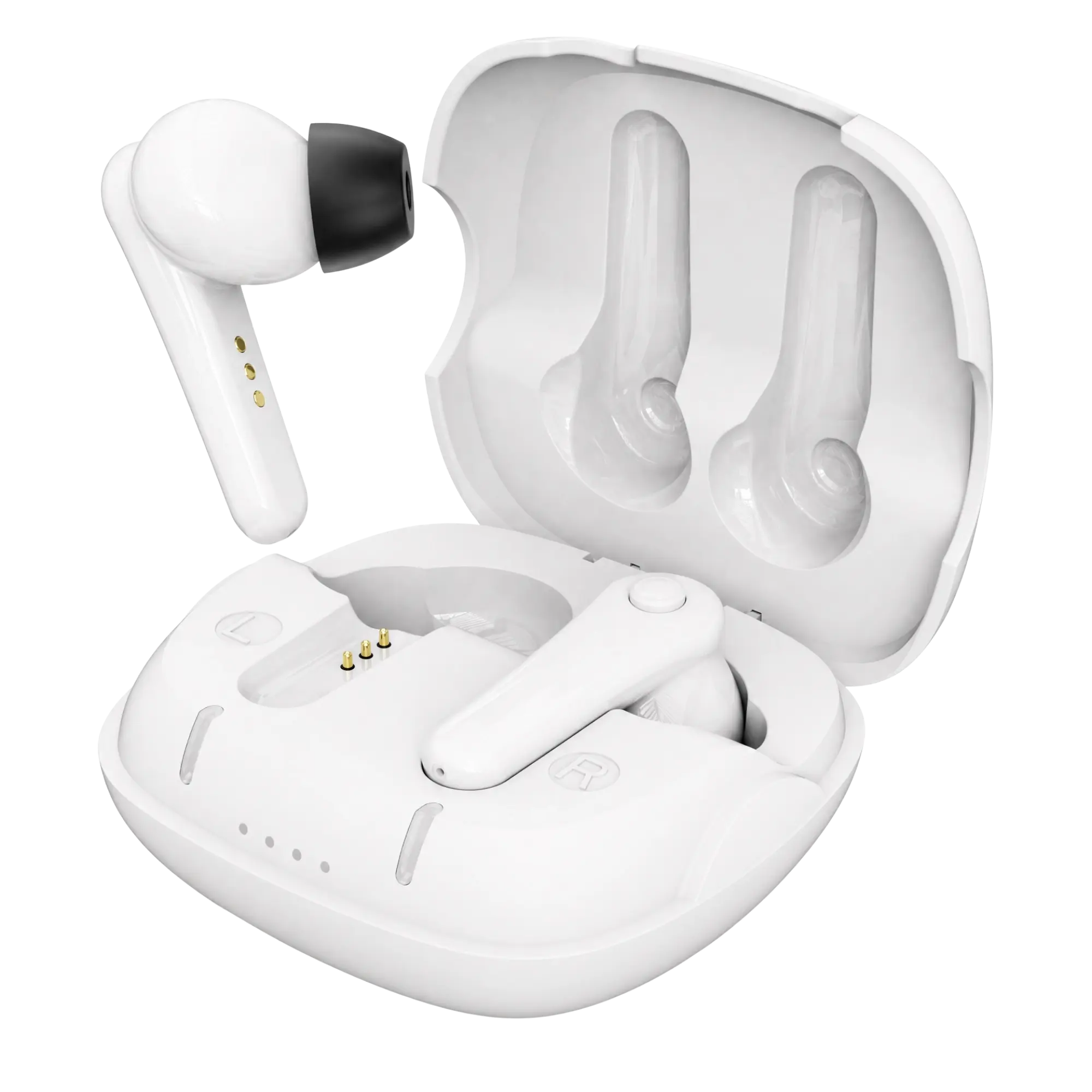
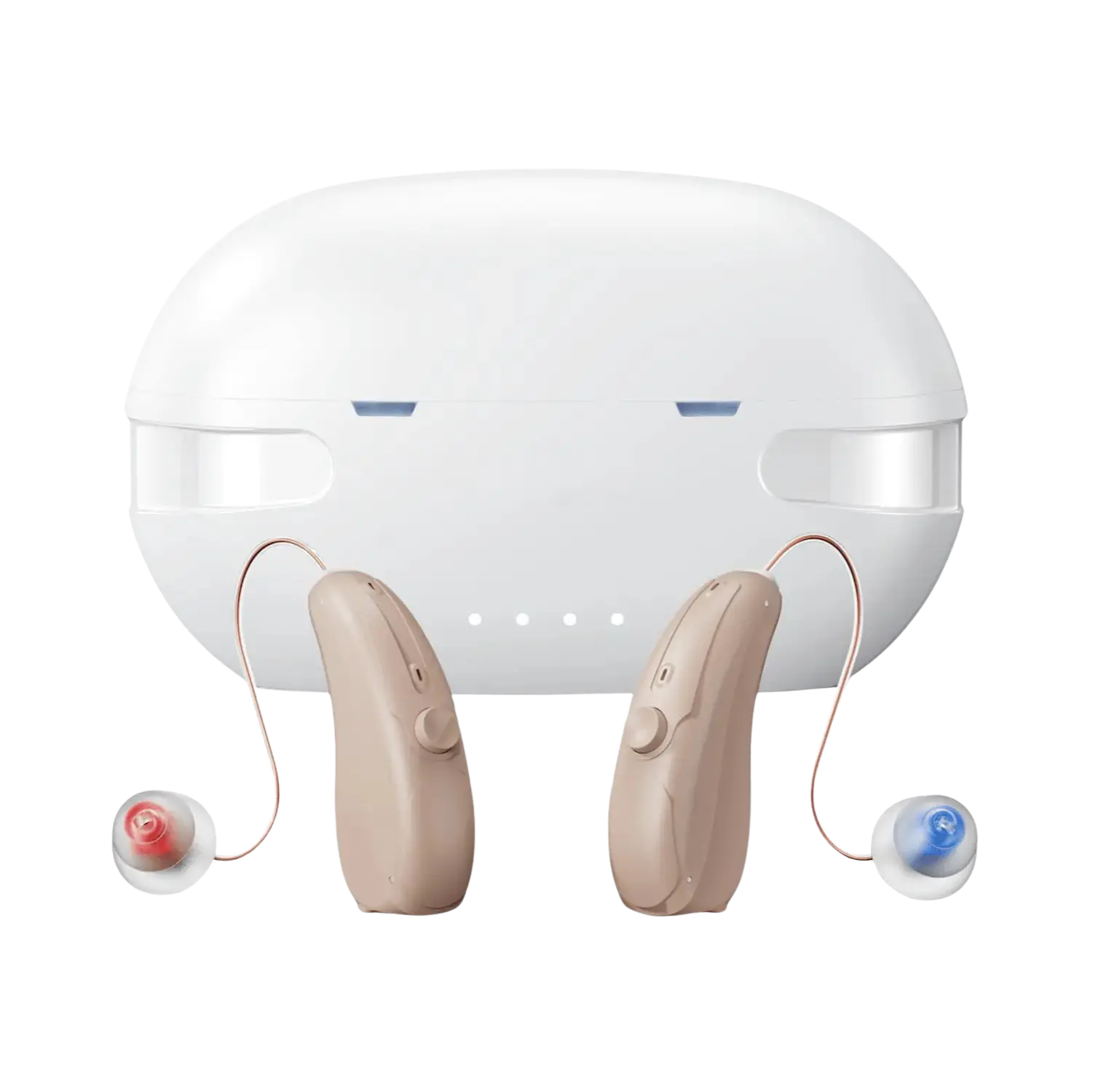
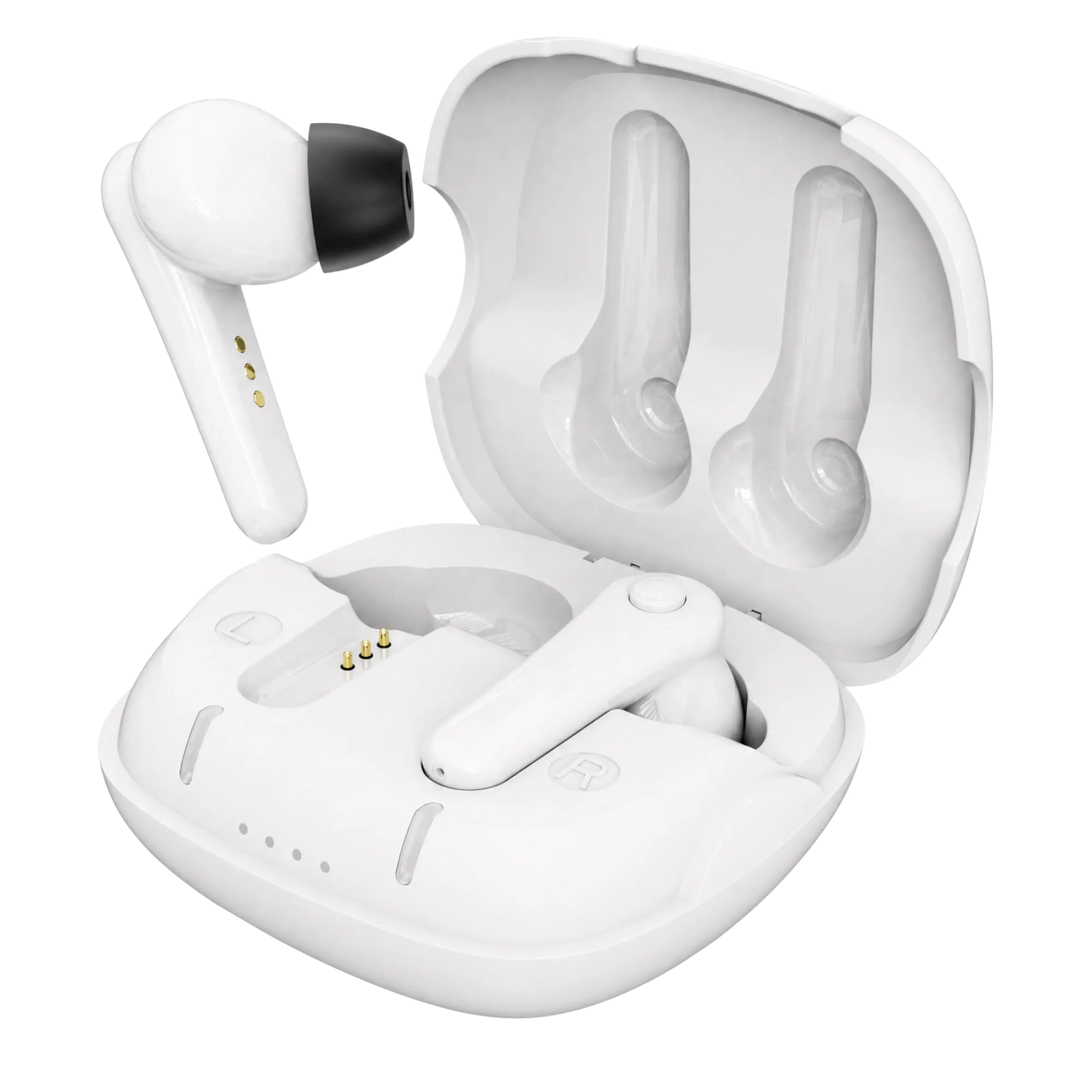
يُعد Panda Air مثالًا على هذا النهج. فهو جهاز سمع OTC على شكل سماعة أذن، ذاتي الضبط، مزود بمعالجة صوتية WDRC بـ16 قناة وخفض تكيّفي للضوضاء متعدد النطاقات، ويمكن لتطبيقه الاختياري إجراء اختبار سمع خاص بالترددات عبر الجهاز نفسه وضبط التضخيم وفق نتائجك في المنزل. والاختبار اختياري، كما يعمل الجهاز مباشرة من العلبة.
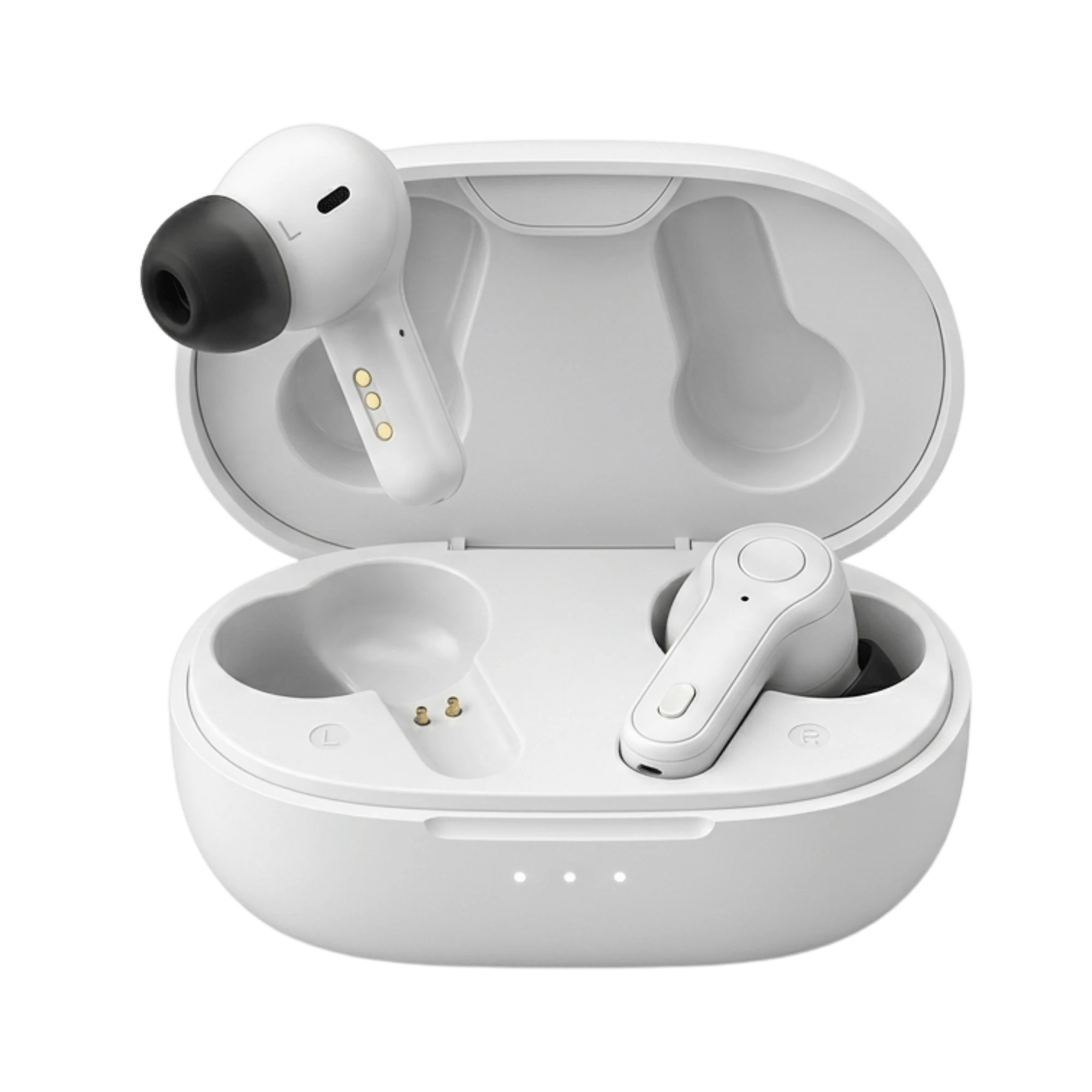
وبالنسبة لمن يوازنون بين رعاية هشاشة العظام وسمعهم، تفيد التفاصيل العملية أيضًا: علبة شحن سريع توفر 60 ساعة استخدام إجمالية، وضمان لمدة 5 سنوات، وفترة تجربة مدتها 45 يومًا تبدأ عند وصول المنتج. وثمة تنبيه يستحق المعرفة: إن سماعات OTC معتمدة لفقدان السمع الخفيف إلى المتوسط، أما فقدان السمع الشديد أو العميق فيستفيد أكثر من الضبط السريري. اعرف المزيد على pandahearing.com/products/panda-air.
حدود هذه الدراسة
كانت هذه دراسة بأثر رجعي مبنية على سجلات التأمين، لذا يمكنها إظهار الارتباط لا إثبات أن هشاشة العظام تسبب فقدان السمع أو أن الأدوية تمنعه. فقد جاءت التشخيصات من بيانات المطالبات لا من اختبارات سمع أُجريت لأغراض الدراسة، ولم تُرصد بالكامل عوامل مثل التعرض للضوضاء أو تاريخ التدخين. كما أن الفئة المدروسة تايوانية، وقد تختلف النتائج في أماكن أخرى، ولا يزال سبب ظهور فائدة الدينوسوماب لدى الرجال فقط غير مفسَّر. ولا يذكر الملخص مصادر التمويل أو تضارب المصالح.
إلى أين نصل
يبدو أن صحة العظام وصحة السمع ترافقان بعضهما في مراحل العمر المتقدمة، وتعزز هذه الدراسة الوطنية الكبيرة هذا الطرح، وتلمّح إلى أن علاج أحدهما قد يساعد في حماية الآخر. وبالنسبة لكبار السن المصابين بهشاشة العظام، فالخلاصة بسيطة وقابلة للتطبيق: واظبوا على رعاية العظام، وامنحوا سمعكم الاهتمام الروتيني ذاته الذي تمنحونه لعظامكم.
Hung SH, Huang CF, Hsu JC, Carey JJ, Griffith JF, Chan WP. Osteoporosis and Risk of Hearing Loss: Protective Effects of Zoledronic Acid and Denosumab in a Nationwide Cohort. Journal of the American Geriatrics Society. 2026. Retrieved from PubMed. https://doi.org/10.1111/jgs.70654