ماذا تكشف 763 سجلًا لمرضى عن الانزعاج من الطنين
مراجعة واسعة للسجلات من مركز متخصص في الطنين في بوغوتا بكولومبيا تجد أن التوتر والتعرض للضوضاء واضطراب النوم تقع في صميم مدى إزعاج الطنين لمن يعيشون معه.
الطنين، أي الإحساس برنين أو أزيز أو صفير دون أي مصدر صوتي خارجي، من أكثر شكاوى السمع شيوعًا في العالم. ومع ذلك، فمعظم ما يعرفه الأطباء عمن يصيبهم وبأي شدة يأتي من دراسات أُجريت في أمريكا الشمالية وأوروبا وأجزاء من آسيا. أما البيانات من سكان أمريكا اللاتينية فكانت شحيحة نسبيًا.
وتسهم دراسة جديدة نُشرت في American Journal of Audiology في سدّ هذه الفجوة. فقد حلل الباحثون سجلات 763 بالغًا خضعوا للتقييم في مركز متخصص في الطنين في بوغوتا بكولومبيا، متسائلين ليس فقط عن الشكل المعتاد للطنين لدى هذه الفئة، بل أيضًا عن العوامل التي ترتبط بمقدار الضيق الذي يسببه.
نبذة عن الدراسة
العنوان: Clinical and Demographic Characterization of Tinnitus and Factors Associated With Discomfort in a Large Sample of Patients Evaluated in Bogotá, Colombia
المؤلفان: German Alejandro Pabón Ochoa وMiguel Humberto Parra Pinto
الجهات المنتسب إليها: كلية علوم الصحة، الجامعة الإيبيرية الأمريكية Corporación Universitaria Iberoamericana، بوغوتا؛ قسم الأنف والأذن والحنجرة، Centro Audiológico & Quirúrgico del Country، بوغوتا
المجلة: American Journal of Audiology، نُشرت في 13 أغسطس 2026
نوع الدراسة: مراجعة بأثر رجعي لسجلات 763 مريضًا بالغًا
معرّف DOI في PubMed: 10.1044/2026_AJA-25-00322
الخلفية: لماذا بحث الباحثون في هذا الموضوع
الطنين ليس مرضًا بذاته بل عَرَض، ويتفاوت أثره تفاوتًا هائلًا من شخص إلى آخر. فقد يصف شخصان صوتًا متطابقًا، لكن أحدهما بالكاد ينتبه إليه بينما يفقد الآخر نومه ويعاني من التركيز وينشأ لديه قلق بسببه. وفهم ما يفرّق بين هاتين التجربتين من المسائل المحورية في أبحاث الطنين، لأنه يحدد كيف يقرر الأطباء من يحتاج إلى أي نوع من الدعم.
يقيس أخصائيو السمع هذا الأثر باستبيانات معيارية. فيسأل مقياس إعاقة الطنين (THI) واستبيان التفاعل مع الطنين (TRQ) المرضى عن تأثير الطنين في الحياة اليومية والرفاه النفسي، بينما يلتقط المقياس التناظري البصري (VAS) شدة الصوت أو الانزعاج المُدرَك على مقياس منزلق بسيط. وهذه الأدوات مستخدمة على نطاق واسع، لكن الملفات التي تولدها نادرًا ما وُصفت على نطاق واسع لدى المرضى الكولومبيين.
وسعى المؤلفون إلى رسم تلك الصورة الغائبة: توصيف سريري وديموغرافي مفصل للطنين في عيّنة كولومبية كبيرة، إضافة إلى تحليل العوامل الشخصية والسريرية التي تصاحب الانزعاج الأشد.
كيف أُجريت الدراسة
راجع الباحثون التواريخ الطبية لـ763 بالغًا شُوهدوا بين عامي 2018 و2024 في مركز في بوغوتا متخصص في رعاية الطنين. وجمعوا لكل مريض التفاصيل الديموغرافية والتاريخ السريري ونتائج الفحوص السمعية، إلى جانب درجات أدوات التقرير الذاتي الموصوفة أعلاه ونسب الوعي بالطنين والانزعاج منه كما أبلغ عنها المرضى.
ولأن الانزعاج قيس بعدة أدوات مختلفة، استخدم الفريق تقنية إحصائية تسمى تحليل المكونات الرئيسية لدمجها في مؤشر انزعاج تركيبي واحد. ثم قارنوا هذا المؤشر عبر المجموعات الفرعية، مثل الرجال مقابل النساء أو المرضى الذين لديهم تاريخ من الصداع النصفي ومن ليس لديهم، وأجروا تحليلات ارتباط لمعرفة الخصائص التي تتحرك مع الضيق.
ما الذي توصل إليه الباحثون
كان النمط الأكثر شيوعًا في هذه العيّنة طنينًا غير نابض ومستمرًا ذا بداية مفاجئة، يصيب الأذنين معًا، بمدة وسيطة قدرها 18 شهرًا وقت التقييم. وكانت الأنشطة اليومية التي أبلغ المرضى في الغالب عن اضطرابها هي النوم والتركيز.
وأشار المرضى كثيرًا إلى التعرض للضوضاء والتوتر بوصفهما عاملين محفزين، وارتبط كلاهما بانزعاج أكبر. وكانت مستويات الضيق أعلى لدى النساء، ولدى من يعيشون في مدن غير بوغوتا، ولدى من لديهم تاريخ من الصداع النصفي أو الصداع أو التوتر أو القلق أو الاكتئاب. كما أبلغ المرضى الذين قُدّر سريريًا أن تعرضهم للضوضاء أعلى، والذين جرّبوا أصلًا علاجات سابقة للطنين، عن مزيد من الانزعاج.
وبرز ارتباطان. فقد ارتفع الانزعاج مع مدة الأعراض، وارتفع مع عدد أنشطة الحياة اليومية التي تدخّل الطنين فيها. وبعبارة أخرى، كلما طالت مدة الطنين وازداد عدد جوانب الحياة التي يمسّها، مال عبؤه إلى الثقل.
ماذا يعني ذلك لمن يعانون من فقدان السمع
تعزز النتائج أمرًا يؤكده الأطباء بصورة متزايدة: ضيق الطنين نادرًا ما يتعلق بالصوت وحده. فقد شكّل تاريخ الصحة النفسية والصداع النصفي والتعرض للضوضاء ومدى امتداد العَرَض إلى الحياة اليومية مقدار معاناة المرضى في هذه العيّنة. وهذا يدعو إلى إدارة شاملة ومخصصة بدلًا من استجابة واحدة تناسب الجميع.
ومن الجدير بالملاحظة أيضًا الارتباط بين طول مدة الأعراض وارتفاع الانزعاج. إنه ارتباط لا دليل على أن الانتظار يزيد الطنين سوءًا، لكنه يضيف إلى الحجة لصالح طلب تقييم سمع مناسب مبكرًا بدلًا من الأمل في أن يتلاشى الصوت من تلقاء نفسه. ولأن التعرض للضوضاء ظهر بوصفه محفزًا وعاملًا مرتبطًا بالضيق معًا، تبقى حماية أذنيك في البيئات الصاخبة من أكثر الخطوات العملية التي يمكن لأي شخص اتخاذها.
الاستماع اليومي حين لا يتوارى الطنين في الخلفية
وجدت هذه الدراسة أن الطنين يقتحم النوم والتركيز أكثر من غيرهما، وأن الانزعاج يتصاعد كلما مسّ مزيدًا من الحياة اليومية. وغالبًا ما يصاحب الطنين فقدان السمع، ولهذا كثيرًا ما تكون رعاية السمع جزءًا من الحديث. ولنكن واضحين: سماعات الأذن ليست علاجًا للطنين ولا شفاءً منه. لكن بالنسبة لمن يعانون أيضًا من فقدان سمع خفيف إلى متوسط، قد يجعل الصوت الأوضح في الحياة اليومية الطنين أقل وضوحًا، لمجرد أن العالم من حولهم أسهل سماعًا.
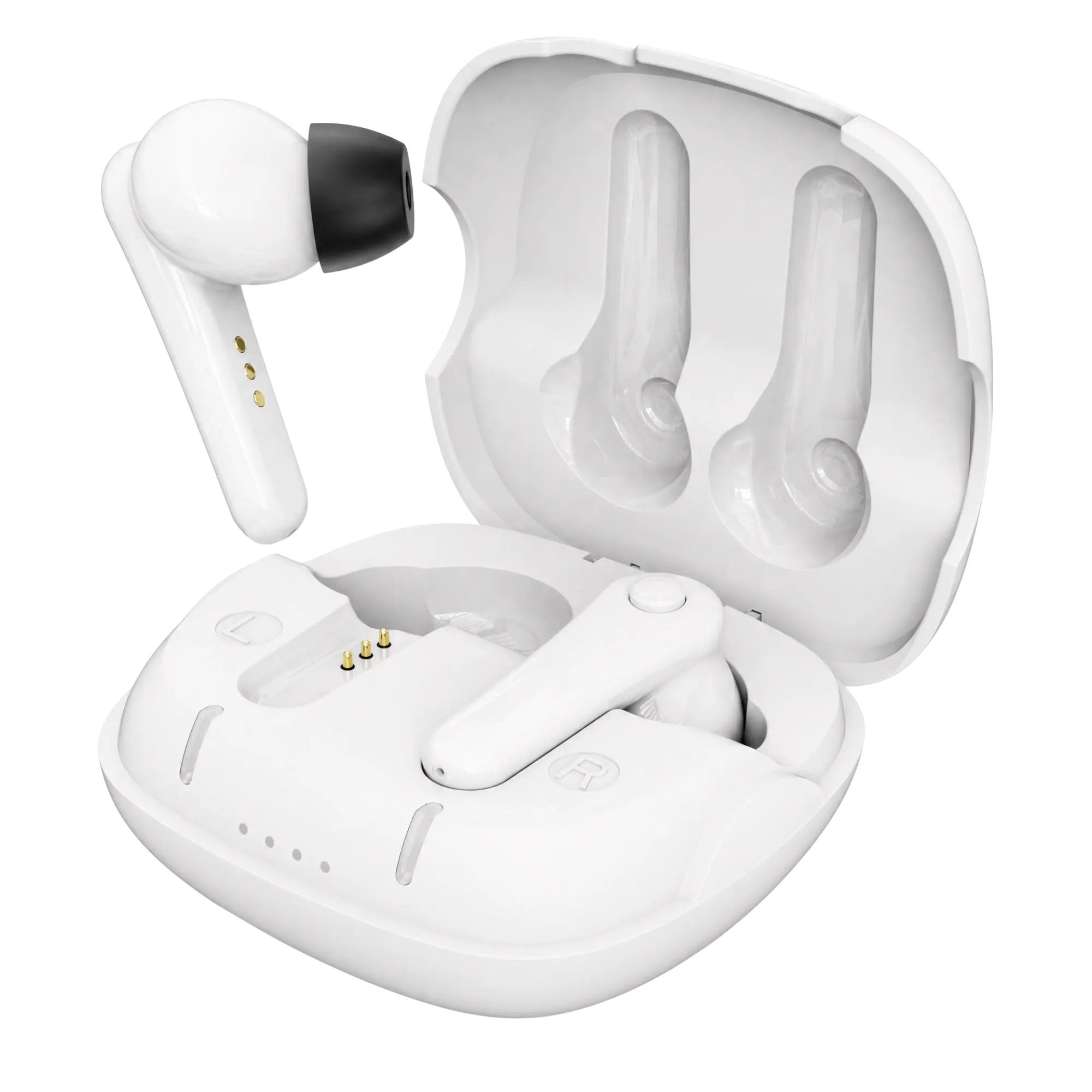
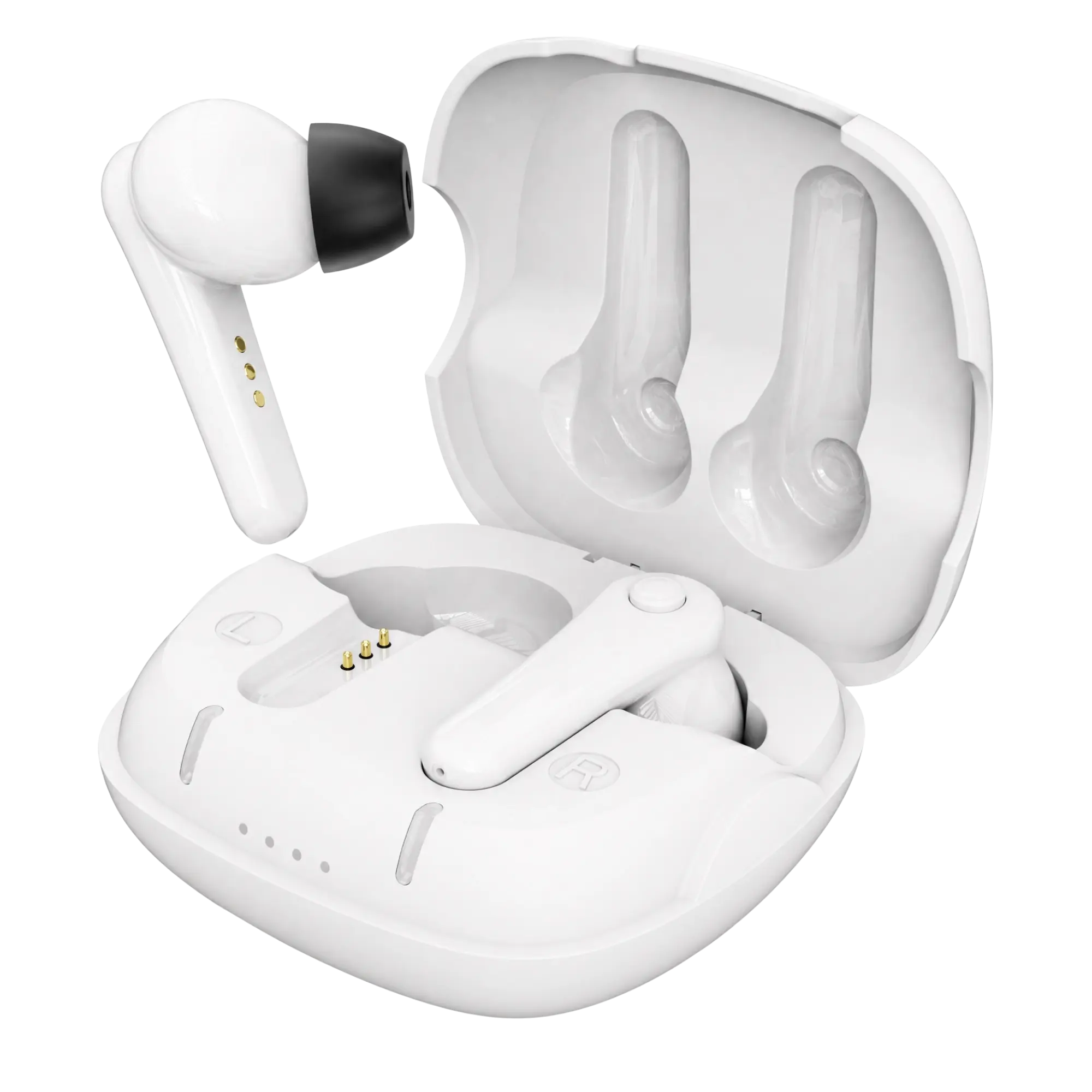
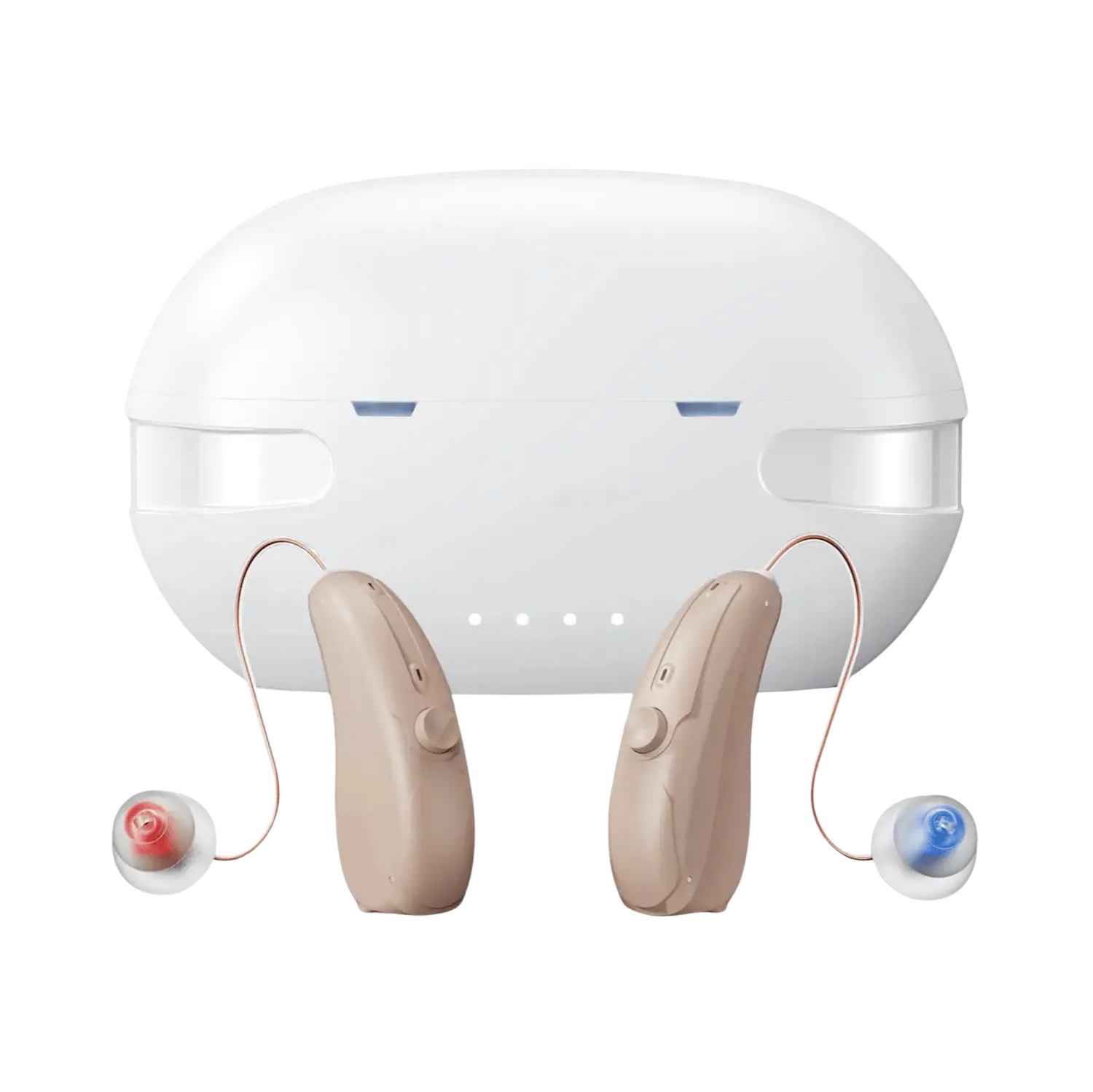
وقد جعلت سماعات OTC الحديثة المعتمدة من FDA تجربة هذا النوع من الدعم أيسر. ويُعد Panda Quantum مثالًا: جهاز بـ16 قناة بنمط المستقبِل داخل القناة السمعية مع خفض تكيّفي للضوضاء مصمم لكلام واضح في البيئات الصاخبة، و20 ساعة استخدام للشحنة الواحدة مع علبة توفر ثلاث شحنات كاملة إضافية (80 ساعة إجمالًا)، وBluetooth للمكالمات والتلفاز والموسيقى. ويمكن لاختبار سمع اختياري داخل الأذن عبر التطبيق تخصيص الكسب والاستجابة الترددية وفق ملفك السمعي، ويعمل الجهاز مباشرة من العلبة دون التطبيق أو الاختبار.
يأتي Quantum بضمان لمدة 5 سنوات وفترة تجربة مدتها 45 يومًا تبدأ عند وصول المنتج، مما يتيح لك أن تحكم في بيئاتك اليومية بنفسك ما إذا كان الصوت الأوضح يغيّر مدى حضور الطنين. وسماعات OTC معتمدة لفقدان السمع الخفيف إلى المتوسط؛ أما فقدان السمع الشديد أو العميق فيستفيد أكثر من الضبط السريري. اعرف المزيد عن Panda Quantum هنا.

حدود هذه الدراسة
كانت هذه مراجعة بأثر رجعي لسجلات من مركز متخصص واحد، لذا من المرجح أن العيّنة تمثّل بإفراط من كان طنينهم مزعجًا بما يكفي لطلب رعاية الخبراء، وقد لا تنطبق النتائج على كل من يعاني من الطنين في كولومبيا أو في مكان آخر. واعتمدت مقاييس الانزعاج على استبيانات التقرير الذاتي، والمؤشر التركيبي المبني بتحليل المكونات الرئيسية خاص بهذه الدراسة، مما يصعّب المقارنة المباشرة مع أترابات أخرى.
والارتباطات المبلَّغ عنها ارتباطية، لذا لا تستطيع الدراسة إثبات أن أي عامل منفرد يسبب انزعاجًا أكبر. ولم تُفصَّل مصادر التمويل وتضارب المصالح المحتمل في الملخص المتاح عبر PubMed.
إلى أين نصل
هذه من أكبر الصور السريرية للطنين المنشورة عن سكان من أمريكا اللاتينية، ورسالتها متسقة مع الأبحاث في أماكن أخرى: عبء الطنين تشكّله الضغوط والصحة النفسية والتعرض للضوضاء والزمن بقدر ما يشكّله الصوت نفسه. وبالنسبة لكل من يعيش مع رنين مستمر، الخلاصات العملية هي أن يحمي أذنيه من الضوضاء العالية، وأن يتعامل بجدية مع التوتر والنوم، وأن يجري تقييمًا شاملًا للسمع عاجلًا لا آجلًا.
Pabón Ochoa GA, Parra Pinto MH. Clinical and Demographic Characterization of Tinnitus and Factors Associated With Discomfort in a Large Sample of Patients Evaluated in Bogotá, Colombia. American Journal of Audiology. 2026. Retrieved from PubMed. https://doi.org/10.1044/2026_AJA-25-00322