Användning av hörapparat kopplas till lägre odds för trolig demens i amerikansk studie
En analys av 7,574 äldre amerikaner i National Health and Aging Trends Study visar att användning av hörapparat är förknippad med lägre odds för trolig demens, samtidigt som bördan av kognitiv nedsättning fortfarande är mycket ojämnt fördelad mellan olika etniska grupper.
Demensforskningen har i allt högre grad fokuserat på påverkbara riskfaktorer, alltså de aspekter av hälsa och vardag som potentiellt går att förändra, till skillnad från fasta faktorer som ålder eller gener. Hörseln har blivit en av de mest uppmärksammade av dessa faktorer, eftersom hörselnedsättning är vanligt senare i livet och går att behandla.
En ny studie ledd av forskare vid San Diego State University tillför nationellt representativa amerikanska data till den diskussionen. Med hjälp av en stor federal enkät bland äldre vuxna kartlade teamet vem som löper störst risk att ha trolig eller möjlig demens och vilka hälso- och sinnesrelaterade faktorer som följer med den risken.
Titel: Prevalence, risk factors, and racial disparities in probable and possible dementia: the National Health and Aging Trends Study
Författare: Young-Shin Lee, Juan A. Cruz, Michelle Kabakibi, Alison Moore, Jung-Ah Lee, Hee-Jin Jun
Tillhörighet: San Diego State University; University of California San Diego; University of California, Irvine
Tidskrift: The Journal of Prevention of Alzheimer's Disease, publicerad 12 september 2026
Studietyp: Tvärsnittsanalys av en nationellt representativ kohort
PubMed DOI: 10.1016/j.tjpad.2026.100676
Bakgrund: varför forskarna undersökte detta
Globala ramverk för demensprevention listar ett antal påverkbara riskfaktorer, däribland hörselnedsättning, depression, låg utbildning och fysisk inaktivitet. Men det mesta av evidensen bakom dessa listor kommer från relativt homogena studiepopulationer, och det är oklart hur riskerna ser ut i de olika etniska grupper som utgör USA:s äldre befolkning.
Studien byggde på National Health and Aging Trends Study, NHATS, en långvarig federal enkät bland Medicare-försäkrade som är 65 år och äldre. NHATS klassificerar deltagarna som att de har trolig demens, möjlig demens eller ingen demens, utifrån rapporterade diagnoser, kognitiva intervjuer och strukturerade tester.
Forskarna ville ta reda på tre saker: hur vanligt trolig och möjlig demens är, vilka faktorer som förutsäger dem och om dessa samband skiljer sig åt för latinamerikanska, icke-latinamerikanska vita och icke-latinamerikanska svarta äldre vuxna. Sinneskorrigeringar, det vill säga glasögon och hörapparater, var bland de faktorer som undersöktes.
Så genomfördes studien
Teamet analyserade 7,574 äldre vuxna från 2023 års omgång av NHATS. Eftersom NHATS använder en komplex urvalsdesign tillämpade forskarna enkätvikter, så att resultaten speglar hela den äldre befolkningen i USA och inte bara de intervjuade.
Kognitiv status modellerades med multinomial logistisk regression, en statistisk metod som skattar oddsen för att hamna i kategorierna trolig eller möjlig demens jämfört med ingen demens. Modellerna innehöll interaktionstermer, vilket gjorde det möjligt för forskarna att testa om effekten av en viss faktor, till exempel användning av hörapparat eller låg utbildning, skilde sig mellan demografiska grupper.
Vad forskarna kom fram till
Flera välkända riskfaktorer framträdde. Hög ålder, låg utbildning, stroke, fall samt depression eller ångest var alla förknippade med högre odds för trolig och möjlig demens, och depression ungefär fördubblade den totala risken för trolig demens. På den skyddande sidan var kvinnligt kön, synkorrigering och användning av hörapparat var för sig förknippade med lägre odds för trolig demens.
Skillnaderna var stora. Latinamerikanska vuxna som var 85 år och äldre hade en predikterad sannolikhet för trolig demens på 60.2 procent, jämfört med 35.1 procent för icke-latinamerikanska vita vuxna i samma ålder. Låg utbildning höjde förekomsten oproportionerligt mycket bland latinamerikanska äldre, och problem med att tugga eller svälja var kopplade till en sannolikhet för trolig demens på 42.2 procent för latinamerikanska vuxna jämfört med 19.3 procent för icke-latinamerikanska vita.
Resultatet för hörapparater varierade också mellan grupper. Bland icke-latinamerikanska vita och icke-latinamerikanska svarta vuxna hade hörapparatanvändare lägre sannolikhet för trolig demens än de som inte använde hörapparat. Bland latinamerikanska vuxna hade användarna en högre sannolikhet, ett omvänt mönster som författarna kopplar till ojämlik tillgång, eftersom personer med mindre resurser kanske får hörapparater först sent, om alls, och ofta efter att andra hälsoproblem redan har hopat sig.
Författarna drar slutsatsen att standardiserade insatser där samma lösning ska passa alla inte räcker, och de pekar särskilt ut otillräcklig försäkringsersättning för audiologi och tandvård som ett strukturellt hinder som behöver åtgärdas.
Vad det betyder för personer med hörselnedsättning
Studien kan inte bevisa att hörapparater skyddar hjärnan. Den är en tvärsnittsstudie, vilket innebär att den fångar en ögonblicksbild, och personer som använder hörapparater kan skilja sig på många sätt från dem som inte gör det. Ändå stämmer sambandet mellan användning av hörapparat och lägre odds för trolig demens i ett nationellt representativt urval väl överens med en växande mängd forskning som ser hörselvård som en del av ett hälsosamt åldrande.
Uppgifterna om skillnader bär på ett eget budskap. Om kostnad och ersättning hindrar vissa grupper från att ta itu med sin hörselnedsättning förrän sent i livet, då är det inte bara en bekvämlighetsfråga för konsumenter att göra hörselhjälp enklare och billigare att få, utan en fråga om jämlik hälsa.
För den enskilde förändras inte den praktiska slutsatsen av studiens begränsningar: obehandlad hörselnedsättning är kopplad till sämre kognitiva utfall i många studier, och att ta itu med den är ett lågriskssteg som förbättrar den dagliga kommunikationen oavsett vad framtida forskning kommer fram till om orsakssamband.
Sänk tröskeln mellan äldre vuxna och hörselhjälp
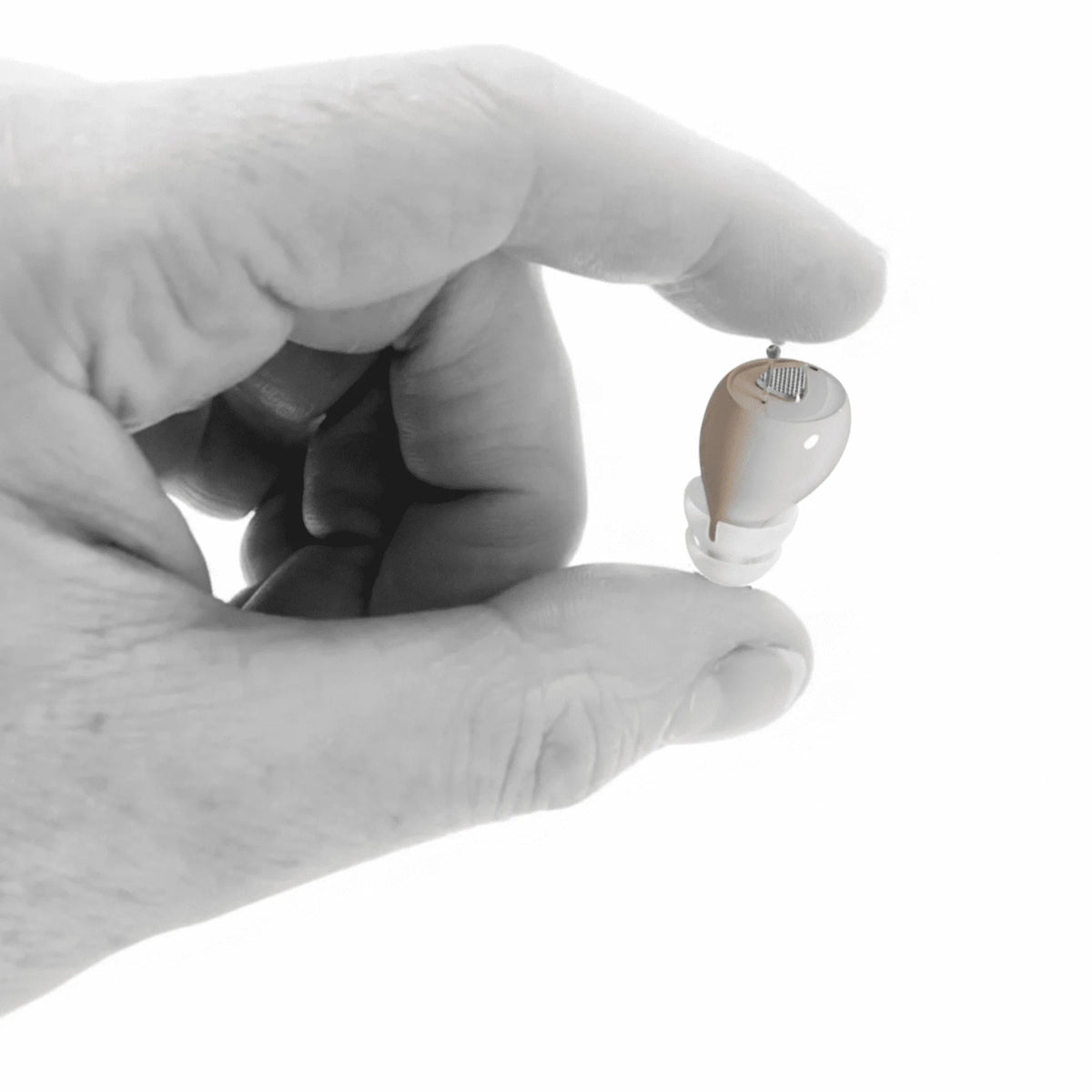
Eftersom studien kopplar användning av hörapparat till lägre odds för trolig demens och samtidigt pekar på hinder för tillgång är det relevant att receptfria hörapparater (OTC) enligt FDA:s regler nu låter vuxna med lätt till måttlig hörselnedsättning skaffa apparater utan de klinikbesök och ersättningshinder som författarna beskriver.
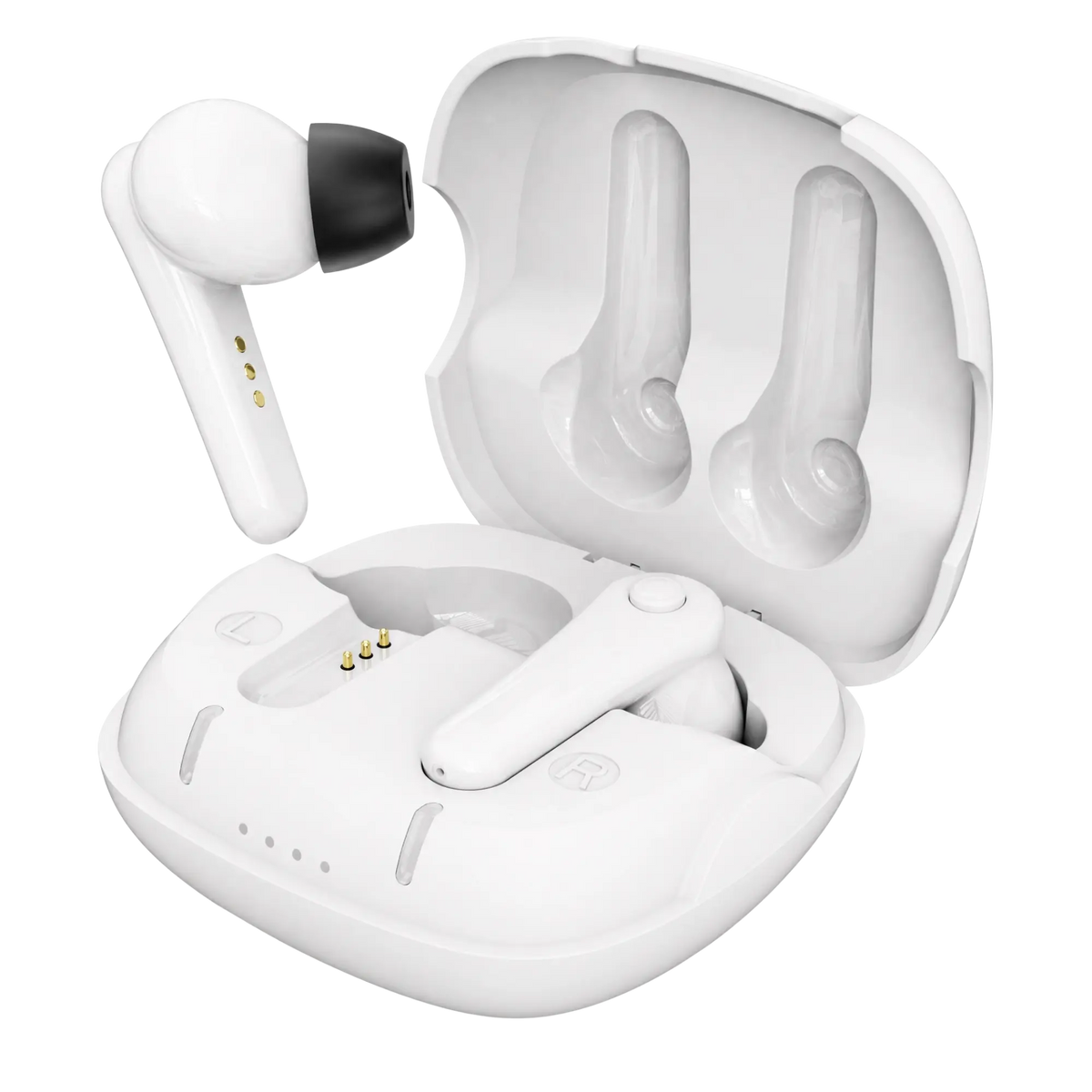
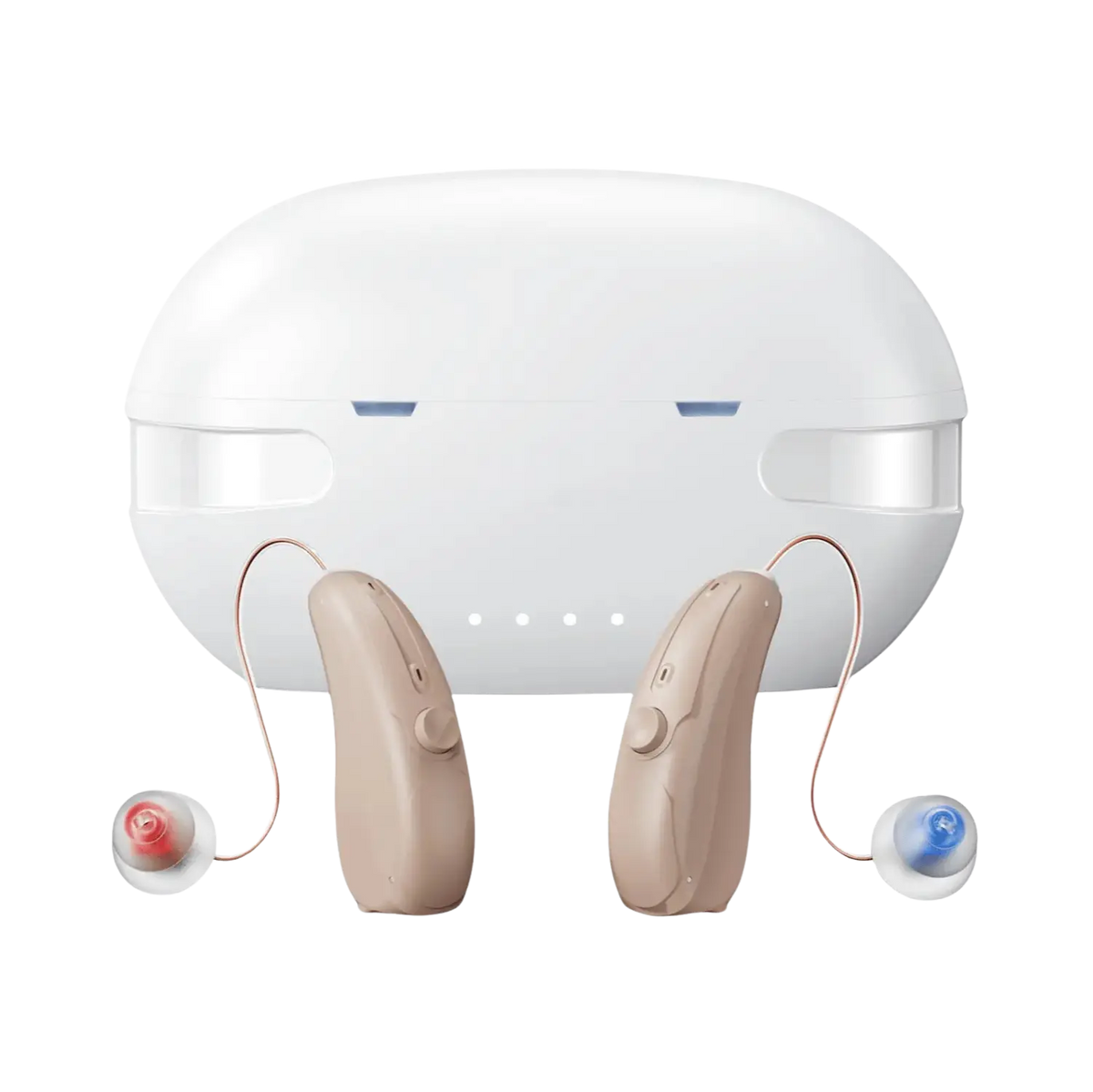
Panda Quantum är en sådan apparat, en RIC-hörapparat (högtalare i hörselgången) med 16 kanaler, byggd kring adaptiv brusreducering för tydligare tal i bullriga miljöer, de situationer där kraven på äldre vuxnas hörsel är som störst. En laddning räcker 20 timmar, och laddningsetuiet rymmer ytterligare tre fulla laddningar för totalt 80 timmars användning, med Bluetooth för samtal, TV och musik.
En valfri app kan göra ett hörseltest i örat och anpassa ljudet efter användarens hörselprofil, men Quantum fungerar fullt ut även utan appen eller testet. Den levereras med 5 års garanti och en provperiod på 45 dagar som börjar vid leverans. Receptfria (OTC) hörapparater är godkända för lätt till måttlig hörselnedsättning; vid svår eller grav nedsättning har man fortfarande mest nytta av en klinisk utprovning.

Studiens begränsningar
Studien är en tvärsnittsstudie, vilket innebär att den visar samband snarare än orsaker, och användningen av hörapparater var självrapporterad i stället för audiologiskt verifierad. NHATS klassificerar demens som trolig eller möjlig med enkätbaserade metoder snarare än fullständig klinisk diagnos, vilket kan leda till att vissa deltagare klassificeras fel. Författarna påpekar också att de observerade skillnaderna speglar strukturella faktorer som försäkringsskydd och tillgång till utbildning, något som en enskild enkätundersökning inte helt kan reda ut.
Var står vi nu?
Den här nationella ögonblicksbilden förstärker två saker på en gång: sinnesvård, inklusive hörapparater, dyker gång på gång upp på den skyddande sidan i demensstatistiken, och de grupper som bär den största demensbördan är ofta de som har sämst tillgång till den vården. Oavsett om nästa steg är bättre försäkringsskydd, kulturellt anpassade vårdvägar eller helt enkelt mer prisvärda hörapparater, ger studien stöd för att hörseln bör stå nära centrum i samtalet om hälsosamt åldrande.
Lee YS, Cruz JA, Kabakibi M, Moore A, Lee JA, Jun HJ. Prevalence, risk factors, and racial disparities in probable and possible dementia: the national health and aging trends study. The Journal of Prevention of Alzheimer's Disease. 2026. Hämtad från PubMed. https://doi.org/10.1016/j.tjpad.2026.100676