A predictive model using national health data identifies two subgroups of chronic kidney disease patients with radically different hearing loss prevalence, enabling targeted screening.
Hearing loss and chronic kidney disease (CKD) share common risk factors and may be linked through inflammation and shared metabolic pathways. Yet not all kidney disease patients develop hearing loss at the same rate. A new machine learning study using data from 3,402 CKD patients reveals that risk stratification and clustering techniques can identify which patients are at highest risk, potentially enabling earlier hearing assessment and intervention in this vulnerable population.
The renal-cochlear axis is an emerging area of interest in medicine, recognizing that kidney and ear health are mechanistically intertwined. Both organs depend on precise blood flow regulation, ion balance, and freedom from systemic inflammation. CKD disrupts these processes, raising the question: can we predict who among kidney disease patients will develop hearing loss?
About This Study
Title: Decoding the renal-cochlear axis: explainable machine learning and phenotype clustering reveal high-risk hearing loss subtypes in CKD
Authors: Ling Chen, Jing Wang, Guiqun Liu, Yu Zhao, Zhu Zhou, Qing Li
Affiliations: Department of Nephrology, The First Affiliated Hospital of Kunming Medical University, Yunnan, China
Journal: Renal Failure - April 21, 2026
Study type: Machine learning prediction and cluster analysis
Source: PubMed - DOI: 10.1080/0886022X.2026.2649658
Background: The Kidney-Ear Connection
Chronic kidney disease affects approximately 10 percent of the global population and is a major driver of premature morbidity and mortality. Among CKD patients, hearing loss prevalence is elevated, but why some patients develop h� �ing impairment while others do not remains unclear. Researchers hypothesized that machine learning might reveal hidden patterns in patient data that distinguish low-risk from high-risk subgroups.
This team used data from the National Health and Nutrition Examination Survey (NHANES), a large, nationally representative sample of the U.S. population, to develop and validate predictive models. The goal was to create both a robust risk classifier and a web-based tool clinicians could use to identify high-risk patients who should receive hearing assessment.
How the Study Was Done
From 3,402 CKD patients, the researchers extracted 31 candidate predictor variables spanning demographics, biochemistry, and lifestyle factors. They used LASSO regression to select the most predictive features, then tested nine machine learning algorithms to develop the optimal prediction model. The XGBoost algorithm emerged as the winner, achieving 98.4 percent accuracy in training and 93.9 percent accuracy in independent test data.
They then applied Gaussian mixture modeling (GMM), an unsupervised clustering technique, to identify distinct patient subphenotypes. This revealed two natural clusters: a low-risk and a high-risk group, characterized by different clinical profiles including age, kidney function markers, and electrolyte balance.
What the Researchers Found
The high-risk subgroup comprised 2,316 patients (68 percent of the cohort) and was characterized by older age, elevated blood urea nitrogen, and elevated bicarbonate levels. Notably, 48.2 percent of patients in the high-risk cluster had hearing loss, compared to just 1.58 percent in the low-risk cluster of 1,075 patients. This striking 30-fold difference demonstrates that machine learning can uncover clinically meaningful patient subgroups with vastly different disease risk.
SHAP (SHapley Additive exPlanations) analysis, a method that interprets complex machine learning models, identified age as the predominant risk driver, followed by other renal and systemic markers. This explainability is crucial for clinical adoption, as physicians need to understand why a model makes its predictions.
The team also developed a web-based tool using only the six most influential features, making it practical for busy clinicians to input data and receive a real-time risk estimate for hearing loss in any CKD patient.
What It Means for People with Kidney Disease
For CKD patients, this work suggests that hearing assessment should become part of routine care, especially for those with elevated age, elevated urea nitrogen, or electrolyte abnormalities. Early detection allows intervention before hearing loss becomes severe enough to impair communication and quality of life. The availability of a predictive tool means clinicians can prioritize hearing screening for those most likely to benefit.
The precision screening enabled by machine learning is particularly valuable in low-resource settings where hearing testing may be limited. By identifying the 68 percent of CKD patients in the high-risk group, healthcare systems can allocate hearing assessment resources more efficiently.
Why Self-Fitting Technology Suits High-Risk Patients
CKD patients often face multiple comorbidities, complex medication regimens, and frequent clinic visits. Adding specialized audiology appointments to an already heavy burden is logistically challenging. Over-the-counter hearing aids enable faster access to amplification without additional clinic scheduling.
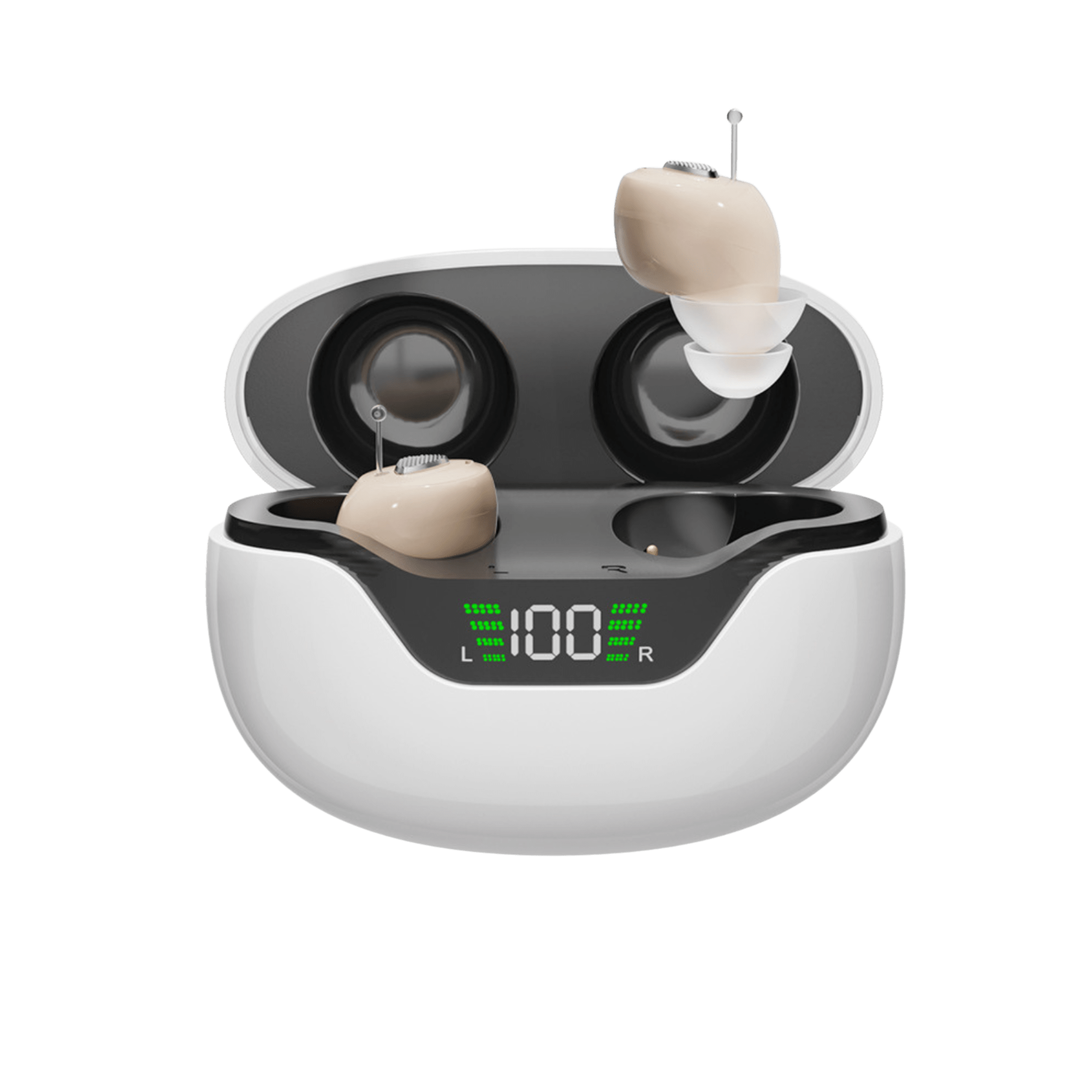
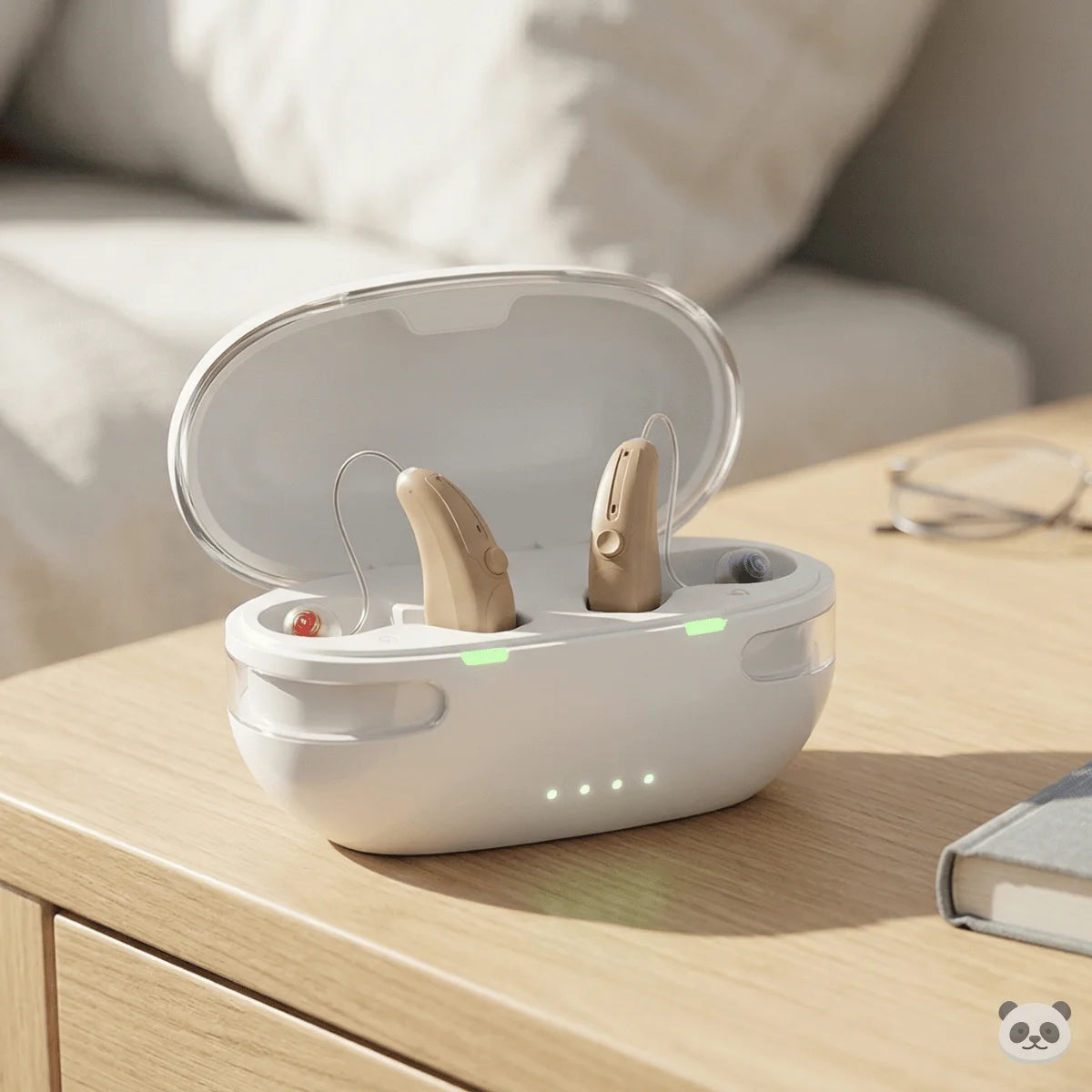
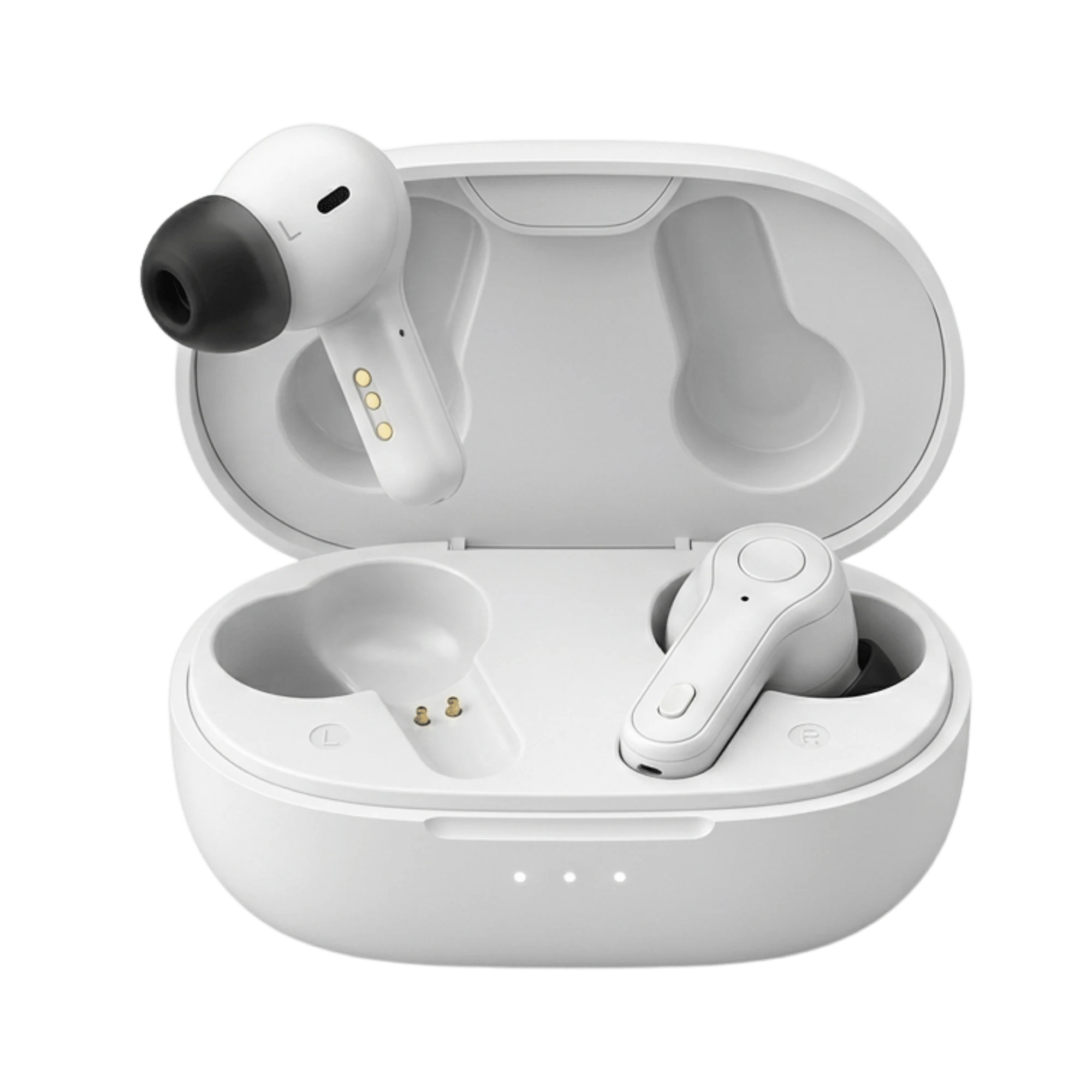
Panda Quantum includes a clinically tuned 10-minute online hearing test that high-risk CKD patients can complete at home, then adjust their device via app based on real-world listening. Its Bluetooth capabilities enable hands-free calls and hearing aid streaming from phones, which is especially useful for patients managing healthcare via telehealth during or between clinic visits. The 80-hour total battery with case and 5-year warranty provide peace of mind for patients with complex medical needs. Discover Panda Quantum.

Limitations of This Research
The study used NHANES data, a U.S. population sample that may not generalize globally. Cross-sectional design means causality cannot be established. The model's clinical utility awaits prospective validation in independent CKD cohorts.
Where This Leaves Us
Precision medicine tools like this machine learning framework can transform how we approach hearing loss in chronic disease. By identifying high-risk subgroups, we enable earlier intervention and better use of limited resources.
Chen L, Wang J, Liu G, et al. Decoding the renal-cochlear axis: explainable machine learning and phenotype clustering reveal high-risk hearing loss subtypes in CKD. Renal Failure. 2026 Apr 21;48(1):2649658. Retrieved from PubMed. DOI: 10.1080/0886022X.2026.2649658