Midlife Hearing Loss Nearly Doubled Over Six Years in Landmark Study
A six-year study of 3,596 middle-aged Australians found that mild or greater hearing loss rose from 14% to 26%, with smoking, higher body weight and noisy workplaces all linked to faster decline.
Hearing loss is often framed as a problem of old age, something to think about in your seventies or eighties. A large community study from Western Australia suggests the story starts much earlier. Researchers followed thousands of adults who were between 45 and 70 years old at the start, and measured exactly how much their hearing changed over six years.
The results, published in the journal PLOS ONE, show that hearing in midlife is already on the move, and that the pace of decline is not the same for everyone. General health factors such as blood pressure, blood sugar and smoking appear to travel together with how quickly the ears age.
About This Study
Title: Change in hearing loss and its association with general health in a community-based longitudinal study of middle-aged individuals: The Busselton healthy ageing study
Authors: Smit AL, Eikelboom RH, Mao Y, Hunter M, Atlas MD, Swanepoel W, Stegeman I
Affiliations: University Medical Center Utrecht (Netherlands); The University of Western Australia; University of Pretoria (South Africa)
Journal: PLOS ONE, published October 15, 2026
Study type: Population-based longitudinal cohort study
PubMed DOI: 10.1371/journal.pone.0360651
Background: Why the Researchers Looked at This
Age and sex are the two best established drivers of hearing loss: older people and men tend to have poorer hearing on average. What has been far less clear is how much the rest of a person's health profile matters, especially in middle age, before hearing problems typically become obvious. Most long-term hearing studies have focused on people already in their later years, so the midlife picture has been something of a blind spot.
To measure hearing, audiologists use pure tone audiometry, where a person responds to soft beeps at different pitches. The results are summarized as a pure tone average, or PTA. In this study the researchers tracked two versions: a four-frequency average across the speech range (0.5 to 4 kHz, called the 4FPTA) and a high-frequency average at 4 and 8 kHz (the HFPTA). High frequencies usually deteriorate first, so the HFPTA acts as an early warning signal.
The team wanted to know two things: how much do these numbers actually worsen over six years in ordinary middle-aged adults, and which demographic, ear-related, general health and environmental factors are linked to faster decline?
How the Study Was Done
The data come from the Busselton Healthy Ageing Study, a long-running health project based in the town of Busselton in Western Australia. Adults aged 45 to 70 joined between 2010 and 2015 and completed hearing tests alongside broad health assessments, covering everything from body mass index and blood pressure to smoking habits and workplace noise exposure. Roughly six years later they came back and repeated the tests.
In total, 3,596 participants had reliable hearing measurements at both time points, with an average starting age of about 58 years, and 55% were women. Hearing loss was classified using World Health Organization criteria, which set a threshold for what counts as mild, moderate or worse loss in the better ear.
The researchers then used statistical models called linear mixed models to test which baseline characteristics were associated with how quickly hearing thresholds worsened, after accounting for age and sex.
What the Researchers Found
The headline numbers are striking. Over just six years, the share of participants with at least mild hearing loss in the speech range nearly doubled, rising from 14% to 26%. In the high frequencies the shift was even larger in absolute terms: 53% of participants had at least mild high-frequency loss at the start, and 71% did by follow-up.
Hearing thresholds worsened across every age group in the study, not just the oldest participants. Men declined faster than women on average, and the high frequencies deteriorated more than the speech frequencies, consistent with the usual pattern of age-related hearing change.
Beyond age and sex, a cluster of health and lifestyle factors stood out. Higher body mass index, smoking, tinnitus, chronic ear infection, hypertension and pre-diabetes were each significantly associated with faster hearing decline after the models adjusted for age and sex.
Workplace noise mattered too, and in a telling way. Noisy workplace exposure was linked to faster decline particularly when hearing protection was used inconsistently or not at all. In other words, the association was strongest where ears were left unprotected.
The authors conclude that hearing loss progression in midlife is shaped not only by age and sex but also by a person's broader metabolic and environmental health profile.
What It Means for People with Hearing Loss
The most practical takeaway is that midlife is not too early to pay attention to hearing. If one in four people in their fifties and sixties already has measurable hearing loss in the speech range, and seven in ten have high-frequency loss, then waiting until retirement to think about hearing means missing years of gradual change.
The findings also suggest that some of the factors linked to faster decline are things people can act on: quitting smoking, managing blood pressure and blood sugar, maintaining a healthy weight, and using hearing protection consistently in noisy jobs. The study cannot prove that changing these factors will slow hearing loss, but the associations point in a consistent direction.
Finally, the sheer scale of change over six years argues for periodic hearing checks in middle age, the same way people routinely monitor vision, blood pressure or cholesterol.
When Hearing Starts Slipping in Midlife, Lower Barriers to Care Matter
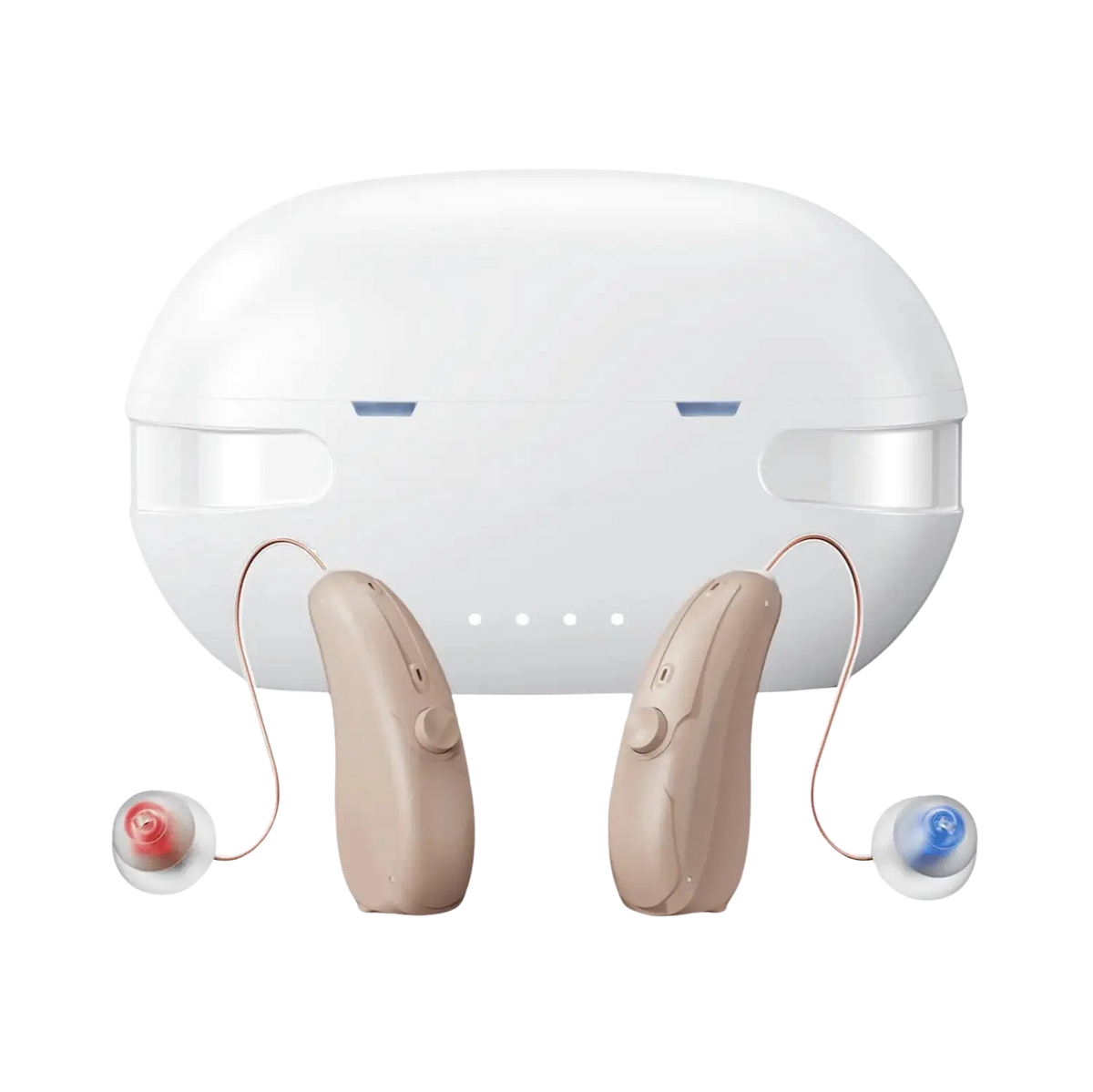
A study like this one highlights a quiet gap: millions of people develop mild hearing loss in their fifties and sixties, yet many wait years before doing anything about it, often because traditional hearing care feels costly or complicated. Newer FDA-OTC hearing aids were created to lower exactly that barrier for adults with mild to moderate hearing loss.
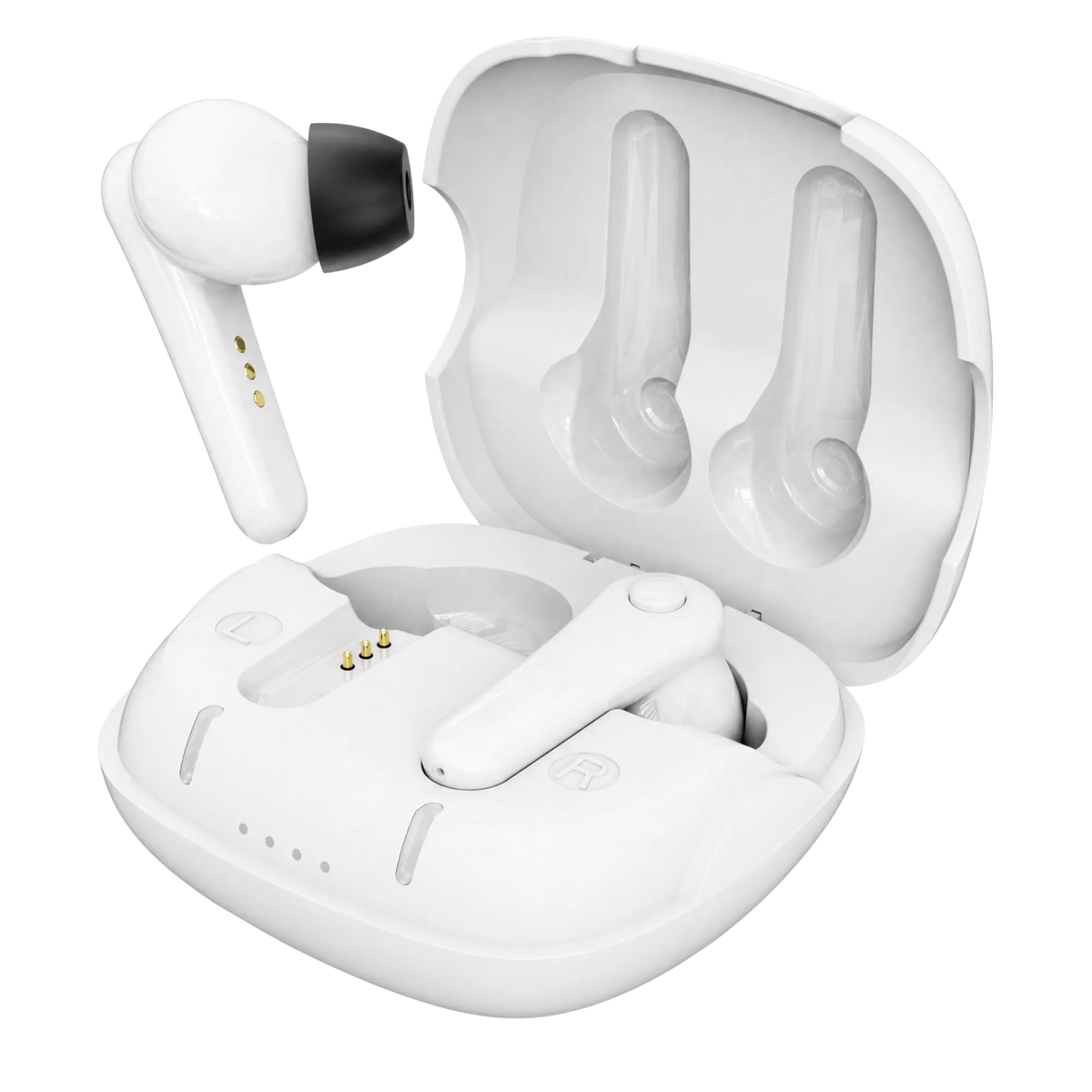
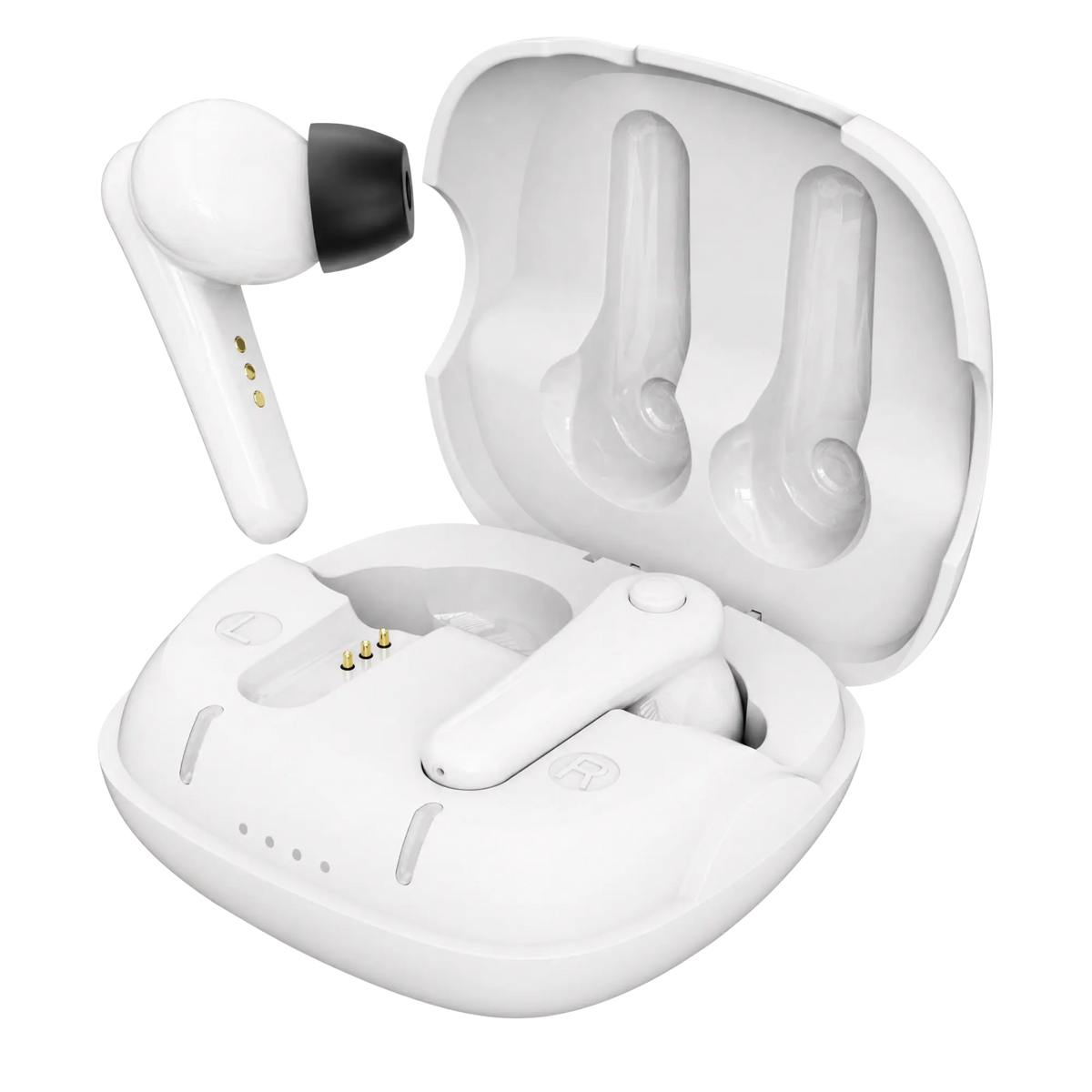
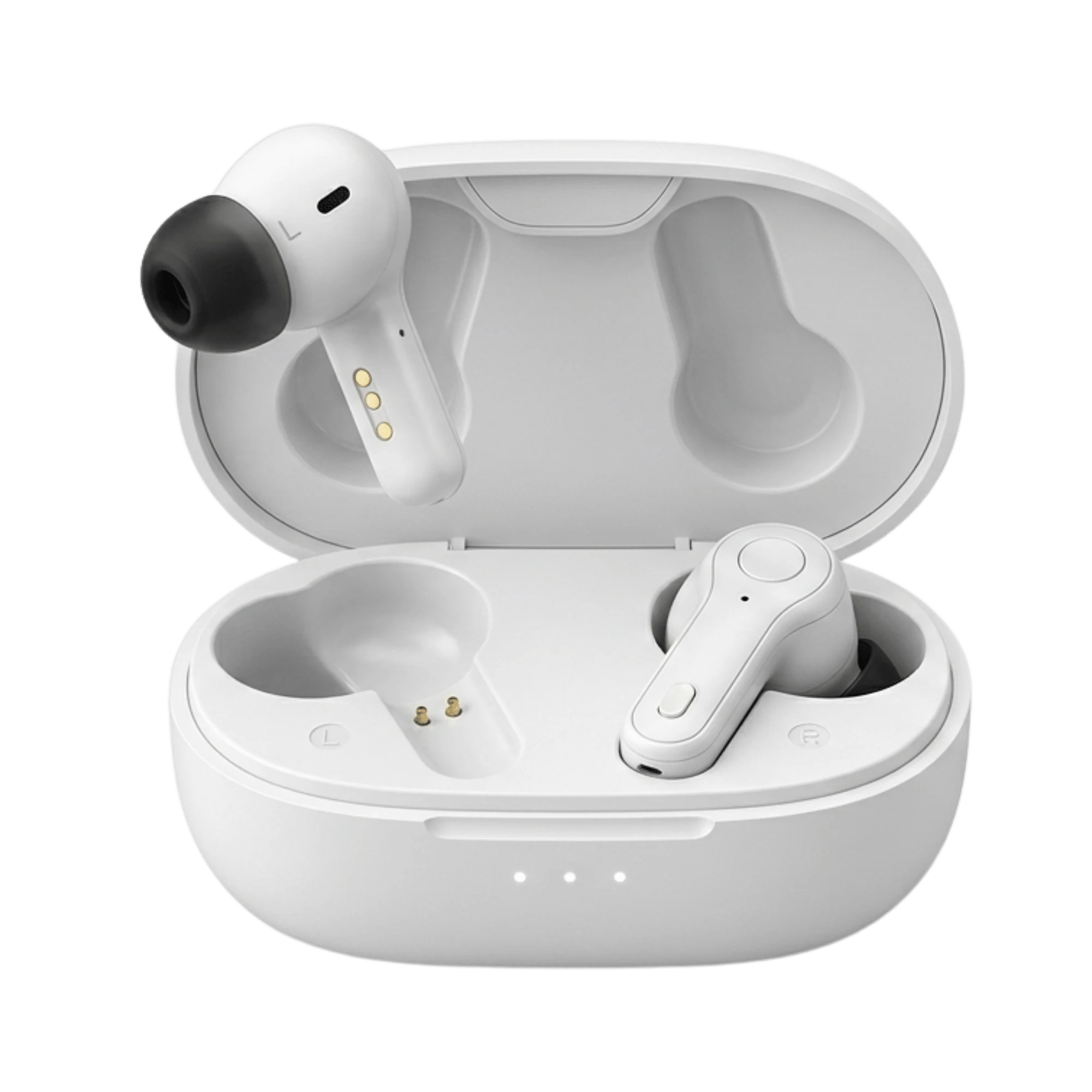
Panda Air is one example of this newer generation: a modern earbud-style device among self-fitting OTC hearing aids, with 16-channel sound processing, multi-band adaptive noise reduction, Bluetooth for calls, TV and music, and a fast-charge case that provides 60 hours of total use. An optional companion app can run a frequency-specific hearing check through the aids themselves and personalize the sound to your hearing profile, though Air also works out of the box without the app or the test.
It comes with a 5-year warranty and a 45-day trial that starts when the product arrives. One caveat worth repeating: OTC devices are approved for mild to moderate hearing loss, and people with severe or profound loss still benefit most from a clinical fitting. You can learn more at pandahearing.com/products/panda-air.
Limitations of This Research
This is an observational study, so it can show associations but not prove that any particular factor causes faster hearing decline. People who smoke or have higher blood pressure may differ in other ways the models could not fully capture, and exposures such as workplace noise and hearing protection use relied partly on participants' own reports.
The cohort also comes from a single, predominantly regional Australian community, so the exact percentages may not transfer directly to other populations, even if the overall patterns are likely to be broadly similar.
Where This Leaves Us
Hearing loss in midlife is more common, and moves faster, than many people assume, and it does not happen in isolation from the rest of the body. Looking after cardiovascular and metabolic health, protecting ears from noise, and checking hearing periodically from the mid-forties onward are all reasonable responses to what this six-year study found. The researchers call for further work to untangle exactly how metabolic health, environment and hearing interact, but the practical message for midlife adults is already clear enough: your ears are changing now, so it pays to notice.
Smit AL, Eikelboom RH, Mao Y, Hunter M, Atlas MD, Swanepoel W, Stegeman I. Change in hearing loss and its association with general health in a community-based longitudinal study of middle-aged individuals: The Busselton healthy ageing study. PLOS ONE. 2026. Retrieved from PubMed. https://doi.org/10.1371/journal.pone.0360651