Halvparten av eldre med hørselstap møter aldri en audiolog
En nasjonal analyse av over 1.4 millioner amerikanere på 65 år og eldre viser at de største frafallene i hørselsomsorgen skjer helt i starten av forløpet, ikke ved døren til operasjonssalen.
Hørselstap er en av de vanligste kroniske tilstandene sent i livet, og en av de mest underbehandlede. Forskere har lenge visst at bare et mindretall av eldre som kunne hatt nytte av hørselsapparater, faktisk bruker dem, men det har vært vanskelig å fastslå nøyaktig hvor folk faller ut av helsevesenet.
En ny studie publisert i Otology & Neurotology Open tar for seg dette spørsmålet i uvanlig stor skala. Med utgangspunkt i journalene til nesten halvannen million eldre amerikanere med hørselstap på begge ørene fulgte forskerteamet hvert trinn i forløpet, fra en enkel hørselsutredning helt frem til operasjon for cochleaimplantat, og målte hvem som gikk videre og hvem som ikke gjorde det.
Om denne studien
Tittel: Access and Attrition Across Audiology and Cochlear Implant Care Among Older Adults with Bilateral Sensorineural Hearing Loss
Forfattere: Payal V. Patel, Varun Gopal, Divya Patel, Ryan G. Porter
Institusjoner: Carle Illinois College of Medicine, University of Illinois at Urbana-Champaign; Department of Otolaryngology-Head and Neck Surgery, Carle Foundation Hospital, Urbana, Illinois
Tidsskrift: Otology & Neurotology Open, publisert på nett 11. august 2026
Studietype: Nasjonal tverrsnittsstudie basert på database
PubMed DOI: 10.1097/ONO.0000000000000096
Bakgrunn: hvorfor forskerne så på dette
Sensorinevralt hørselstap er den vanligste formen for hørselstap hos eldre. Det oppstår når de ømfintlige sansecellene i det indre øret, eller nerven som fører lyd til hjernen, blir skadet, oftest på grunn av aldring og langvarig støyeksponering. Når begge ørene er rammet, kan vanlig kommunikasjon bli en daglig kamp.
Behandlingen følger et trinnvis forløp. De fleste starter med en audiologisk utredning, en faglig vurdering av hørselen. De med lett til moderat-alvorlig hørselstap er som regel kandidater for høreapparater. For personer med alvorlig til dypt hørselstap kan et cochleaimplantat – et kirurgisk innsatt apparat som stimulerer hørselsnerven direkte – gi tilgang til lyd som høreapparater ikke lenger kan gi.
Tidligere forskning har vist at bare en liten andel av dem som kvalifiserer for cochleaimplantat, faktisk bruker det. Det som har vært mindre klart, er hvor i forløpet folk faller fra. Ligger problemet i å komme inn døren i det hele tatt, i å bli henvist videre til spesialistutredning, eller i å takke nei til operasjon til slutt? Svaret er viktig, fordi hver flaskehals krever en egen løsning.
Slik ble studien gjennomført
Forskerne brukte Epic Cosmos, en avidentifisert database som samler elektroniske pasientjournaler fra helsesystemer over hele USA. De identifiserte voksne på 65 år og eldre som hadde diagnosekoder for sensorinevralt hørselstap på begge ørene mellom januar 2021 og desember 2024.
For hver person sjekket de om journalen viste tre viktige milepæler: en audiologisk utredning, en utredning av om personen var kandidat for cochleaimplantat, og selve operasjonen for cochleaimplantat. Deretter beregnet de, trinn for trinn, oddsen for at ulike grupper gikk videre, og sammenlignet pasientene etter aldersgruppe, kjønn, etnisitet, bosted i distrikt og avstand til et senter for cochleaimplantat.
Fordi utvalget var så stort, regnet teamet bare svært sterke statistiske signaler som meningsfulle, og markerte resultater under en sannsynlighetsgrense på én av tusen som de mest pålitelige funnene.
Dette fant forskerne
Av 1,461,489 eldre med hørselstap på begge ørene hadde 746,118, eller 51.1 prosent, en registrert audiologisk utredning. Nesten halvparten fikk med andre ord ikke engang en grunnleggende faglig hørselsvurdering i løpet av den fire år lange studieperioden.
Innsnevringen fortsatte derfra. Færre enn 2 prosent av dem som ble utredet, gikk videre til en kandidatvurdering for cochleaimplantat. Men blant dem som faktisk nådde denne vurderingen, gikk omtrent 64 prosent videre til operasjon. Kort sagt mister forløpet de fleste tidlig; de som kommer frem til spesialisttrinnet, gjennomfører som regel.
Mønsteret var ikke likt for alle. Voksne på 85 år og eldre fikk sjeldnere audiologisk utredning, og selv når de ble vurdert som kandidater, fikk de sjeldnere implantat. Svarte og asiatiske pasienter hadde lavere odds for å nå kandidatvurdering. Kvinner ble sjeldnere vurdert som kandidater, men når de først var vurdert, gikk de oftere enn menn videre til implantasjon.
Ett resultat gikk mot forventningene: Pasienter som bodde lenger unna et implantatsenter, og de som bodde i distriktene, hadde høyere odds for kandidatvurdering og operasjon. Forfatterne advarer om at dette trolig skyldes en seleksjonseffekt. Folk som er villige til å reise langt for behandling, er en uvanlig motivert gruppe, så funnet sier mer om hvem som overvinner hindringer, enn om at geografien gjør tilgangen enklere.
Hva det betyr for personer med hørselstap
Studien gir tilgangsproblemet en ny innramming. De største frafallene skjer ikke når folk vurderer om de skal opereres; de skjer mye tidligere, når hørselstap ikke blir utredet, og når kandidater aldri blir henvist videre. Forfatterne beskriver henvisning til og gjennomføring av kandidatvurdering som en kritisk og potensielt løsbar flaskehals for å gjøre hørselsomsorgen mer rettferdig.
For familier er det praktiske budskapet at det første steget teller mest. En eldre person som nevner at det er vanskelig å følge samtaler, har statistisk sett bare femti prosent sjanse for noen gang å få en formell hørselsutredning. Å spørre fastlegen direkte om en hørselsvurdering, og om henvisningsmuligheter hvis hørselstapet er betydelig, kan hjelpe noen forbi trinnet der de fleste blir stående fast.
Lavere første terskel til bedre hørsel
Fordi denne studien viser hvor mange eldre som aldri kommer over den første terskelen – en formell utredning – styrker den argumentet for å gjøre det billigere å komme i gang med hørselshjelp. Det er nettopp det FDA-OTC-høreapparater ble laget for, for voksne med lett til moderat hørselstap: ingen henvisningskjede, ingen ventelister og en langt lavere pris enn i de tradisjonelle kanalene.
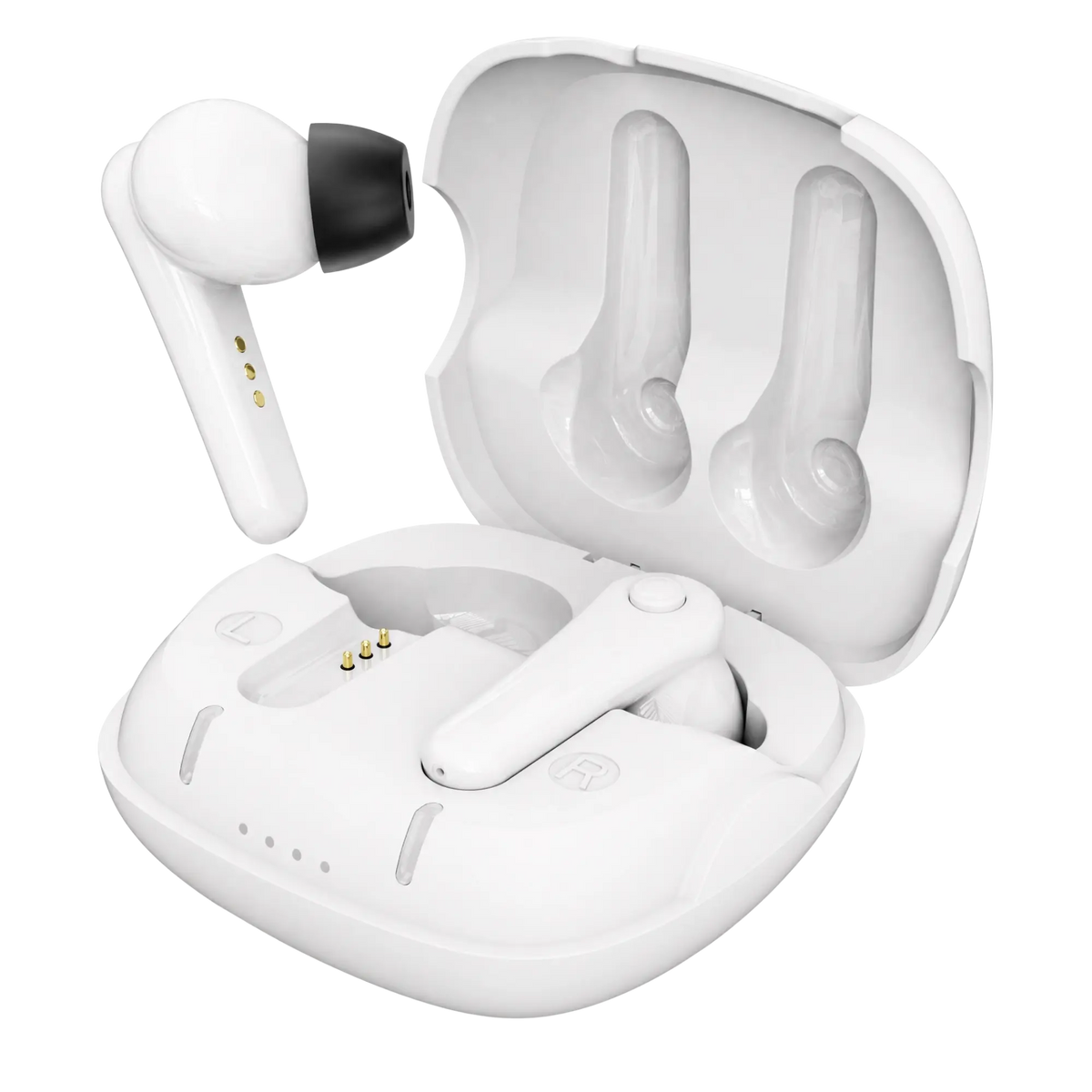
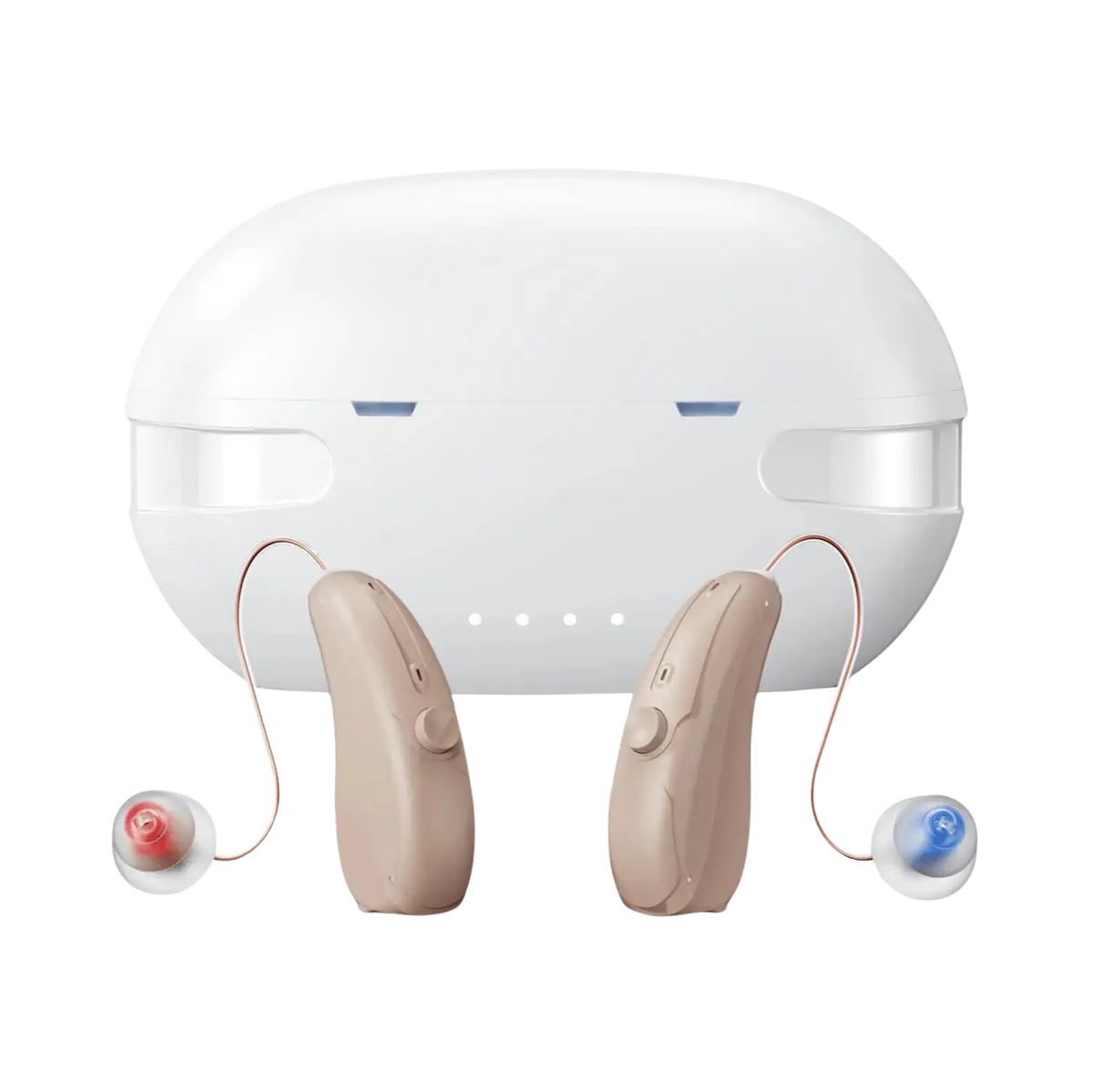
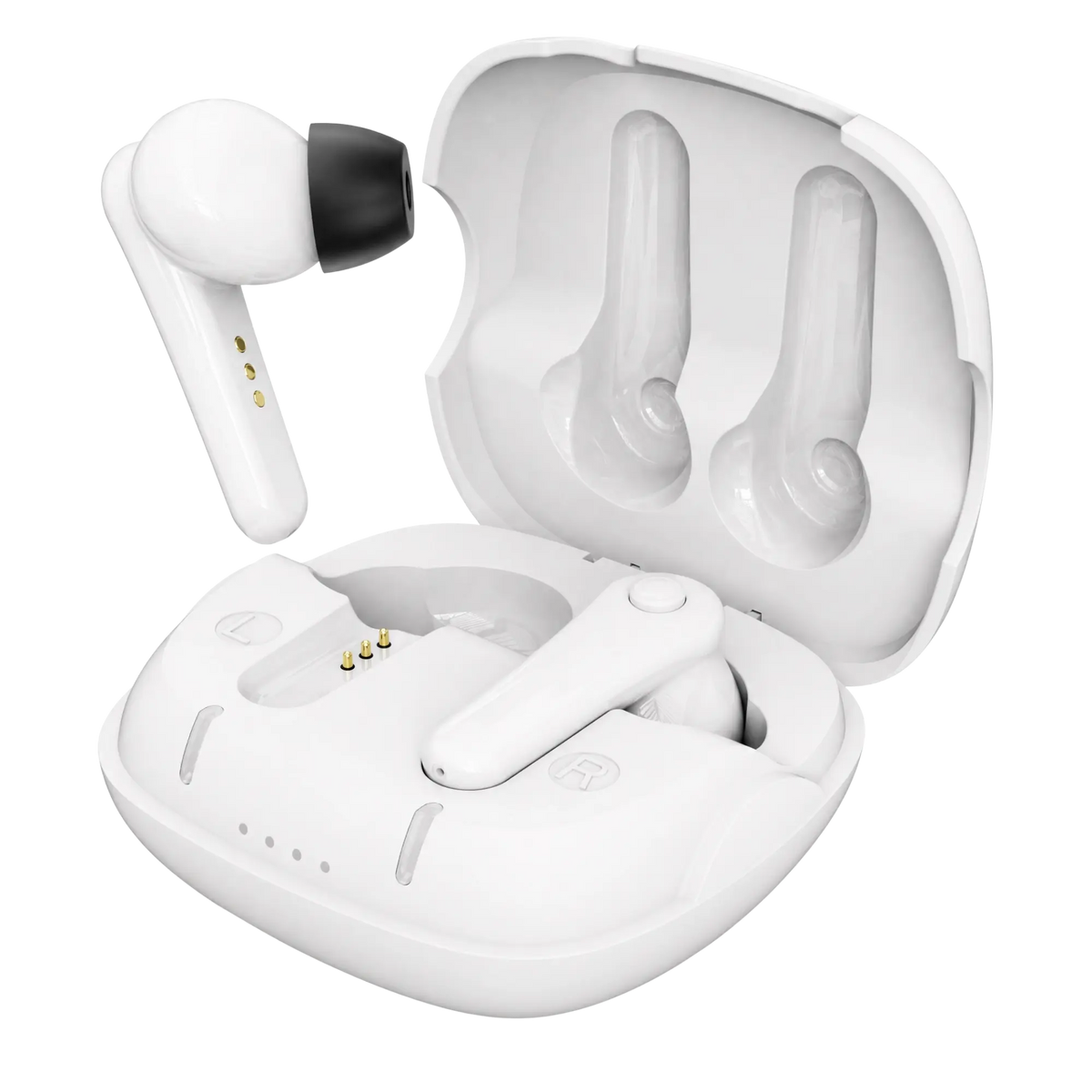
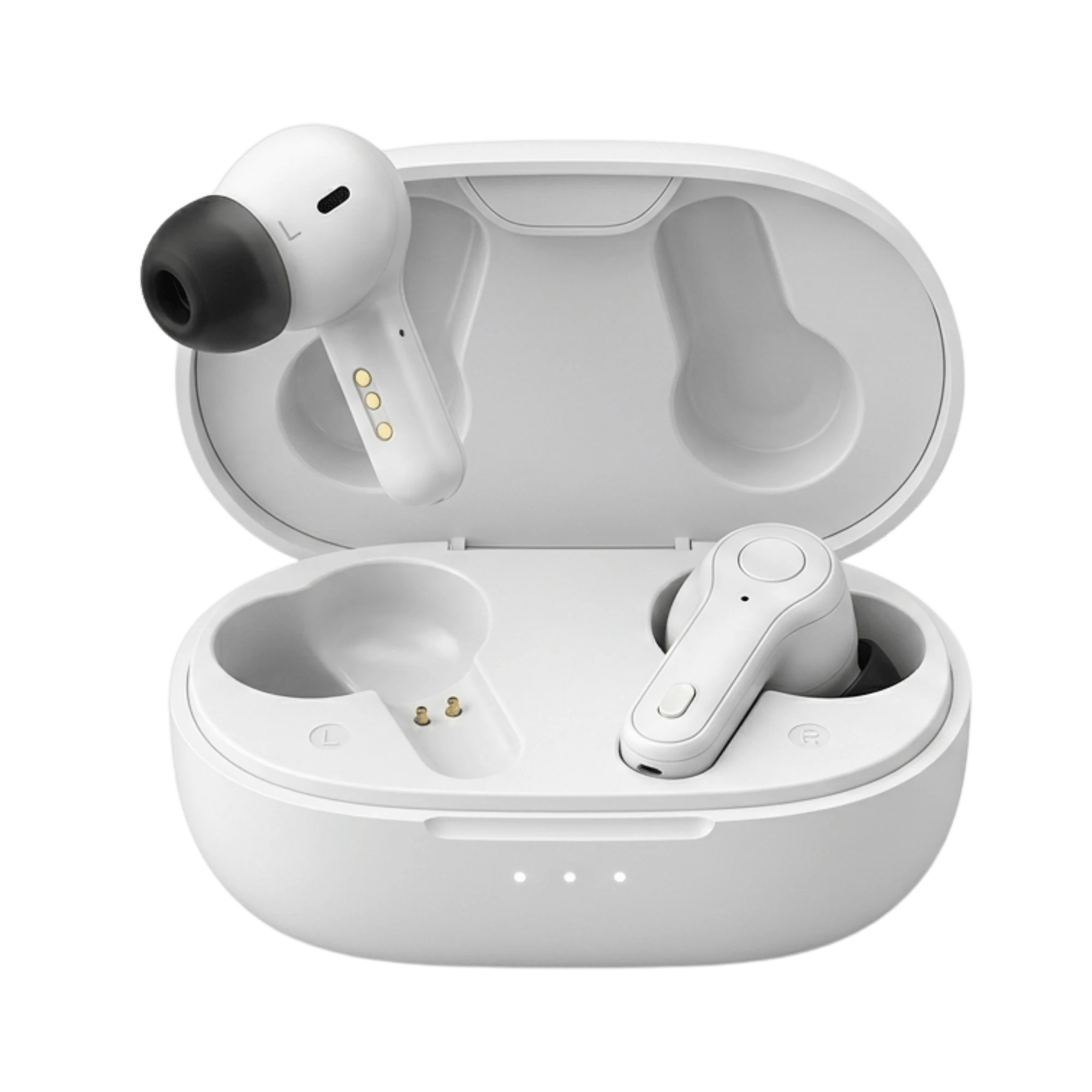
Panda Air er ett eksempel på denne nye generasjonen selvtilpassende OTC-høreapparater. Det er et apparat i øreproppstil med 16-kanals lydprosessering og adaptiv støyreduksjon, og det fungerer rett ut av esken. En valgfri tilhørende app kan kjøre en frekvensspesifikk hørselssjekk gjennom selve høreapparatet og tilpasse lyden til hørselsprofilen din, men appen er aldri påkrevd. Blant oppladbare høreapparater med ladeetui er det laget for lite vedlikehold, med hurtiglading og totalt 60 timers lyttetid per oppladet etui, i tillegg til Bluetooth for samtaler, TV og musikk, 5 års garanti og en prøveperiode på 45 dager som starter når produktet kommer.
Ett forbehold hører med til denne studien: OTC-apparater er godkjent for lett til moderat hørselstap. Personer med alvorlig eller dypt hørselstap, inkludert kandidatene for cochleaimplantat som denne forskningen fulgte, har fortsatt størst nytte av klinisk utredning og profesjonelt tilpasset behandling. Mer informasjon om Air finner du på pandahearing.com/products/panda-air.
Begrensninger ved denne forskningen
Studien baserte seg på diagnose- og prosedyrekoder i elektroniske pasientjournaler, som kan gå glipp av behandling utenfor de deltakende helsesystemene og ikke fanger opp høreapparater som er kjøpt privat eller reseptfritt. Oddsratioene var ujusterte, det vil si at sammenligningene mellom gruppene ikke var korrigert for andre forskjeller mellom pasientene, og et tverrsnittsdesign kan ikke bevise hva som forårsaket frafallene den beskriver.
Forfatterne oppga ingen interessekonflikter.
Hvor står vi nå?
Forskningen tegner et bilde av hørselsomsorgen i USA der systemet mister halvparten av pasientene før det i det hele tatt har møtt dem ordentlig. Å løse flaskehalsene i henvisningene vil kreve endringer i klinikkene, men den enkelte trenger ikke å vente på det: Å få en hørselsutredning inn i kalenderen og spørre direkte om neste steg er fortsatt det mest effektive en eldre person med hørselsvansker kan gjøre.
Patel PV, Gopal V, Patel D, Porter RG. Access and Attrition Across Audiology and Cochlear Implant Care Among Older Adults with Bilateral Sensorineural Hearing Loss. Otology & Neurotology Open. 2026;6(3):e096. Hentet fra PubMed. https://doi.org/10.1097/ONO.0000000000000096