Where Older Adults Prefer to Get Hearing Care: A Four-Country Survey of More Than 8,000 People
A large international survey published in BMC Geriatrics finds that older adults in the United States, Canada, Australia, and England consistently prefer doctors' offices, audiology clinics, and hospitals over retail or online channels when seeking hearing information, tests, and devices.
Age-related hearing loss is one of the most common chronic conditions of later life, yet hearing care services remain stubbornly underused around the world. Many people who would benefit from a hearing test or a hearing device never get one, and researchers have long wanted to understand why the gap between need and uptake is so wide.
A new study takes a direct approach to that question: it simply asks older adults where they would prefer to get hearing care in the first place. The answers, gathered from thousands of people across four English-speaking countries, paint a remarkably consistent picture of what this generation of consumers wants.
Title: Consumer preferences for hearing health care information and services as described by older adults surveyed in Australia, Canada, England, and the United States
Authors: F. Alnafjan, A. C. Davis, M. L. Lee, C. M. McMahon, A. H. Mokdad, C. L. Mosley, M. K. Pichora-Fuller, K. L. Tremblay
Affiliations: Macquarie University (Australia); Anglia Ruskin University (UK); University of Washington; University of Texas at Dallas; University of Toronto; Wayne State University
Journal: BMC Geriatrics, published October 13, 2026
Study type: Cross-sectional survey
PubMed: PMID 42864615 · DOI: 10.1186/s12877-026-07819-7
Background: Why the Researchers Looked at This
Hearing health care, often abbreviated HHC in the research literature, covers the whole journey from first learning about hearing loss to getting a hearing test to acquiring a device. In most countries this journey has traditionally run through medical settings: a family doctor, an ear specialist, or an audiologist, a licensed professional who tests hearing and fits hearing devices.
In recent years, new delivery routes have multiplied. Hearing information is now available online, hearing screenings can be done by phone or app, and devices can be purchased in pharmacies, big-box stores, and web shops. Policy changes, most notably the United States rule that created a category of over-the-counter hearing aids, were designed to widen access through exactly these nontraditional channels.
The research team, which included audiology and public health experts from six universities across four countries, wanted to know whether older adults actually prefer these newer routes, or whether their expectations still center on the traditional clinic. Knowing consumer preferences, they argue, is essential to explaining why existing services are underused and to designing services people will actually engage with.
How the Study Was Done
The researchers surveyed adults aged 60 and older in the United States, Canada, Australia, and England between 2016 and 2018, before the pandemic and before the recent over-the-counter policy changes took effect. Survey questions were co-created with consumers, and third-party firms recruited convenience samples in each region, with responses collected both online and in person.
Participants answered three core questions: where they would prefer to get information about hearing care (8,151 respondents, choosing among 14 options), where they would most like to get their hearing tested (8,035 respondents, 8 options), and where they would most like to get hearing aids or other hearing devices if they needed them (8,151 respondents, 11 options). People could select more than one answer.
For respondents surveyed in person, the team also measured actual hearing thresholds with audiometry, and used those measurements to estimate hearing loss levels for the online respondents. This let the researchers check whether preferences differed by how much hearing loss a person had, as well as by age, country, survey mode, and prior experience seeking help.
What the Researchers Found
The headline finding was consistency. Across all three questions and all four countries, respondents preferred traditional medical locations over nonmedical ones. When seeking information, a hearing test, or a hearing device, older adults pointed to doctors' offices, audiology clinics, and hospitals far more often than to radio, internet advertisements, or retail stores.
The preference for provider-mediated, in-person care held up across every subgroup the team examined. It did not meaningfully change with the degree of hearing loss, with whether a person answered online or in person, with age band, or with country. People who had already sought help and people who had not showed the same basic pattern.
That stability is striking given the size and spread of the sample: more than 8,000 respondents in four countries with quite different health systems, from the largely public systems of England and Canada to the more market-driven United States. Wherever they lived, older adults expressed trust in the same medical settings.
The authors are careful to note the timing of their data. Responses were collected from 2016 to 2018, before over-the-counter hearing aids became a regulated category in the United States. Even so, they point out that the results align with more recent findings, and that the people surveyed are largely the same generation making hearing care decisions today.
What It Means for People with Hearing Loss
For health systems and policymakers, the message is that new delivery channels cannot simply be bolted on and expected to draw people in. Many older adults still look first to their doctor or audiologist, so family physicians remain a critical gateway: when hearing is discussed and checked in primary care, people are more likely to act on it.
For individuals and families, the study is a useful mirror. If you have been putting off a hearing check because you were not sure where to start, the evidence suggests you are not alone, and that starting with a professional you already trust, such as your family doctor, is the route most of your peers would choose too.
At the same time, the underuse problem that motivated this research has not gone away. Traditional clinics cannot reach everyone, and cost, distance, and waiting times remain real barriers for many older adults. That is precisely the gap newer service models were created to fill, and understanding consumer trust is key to making them work.
Trusted Care and Easier Access: Where FDA-OTC Hearing Aids Fit In
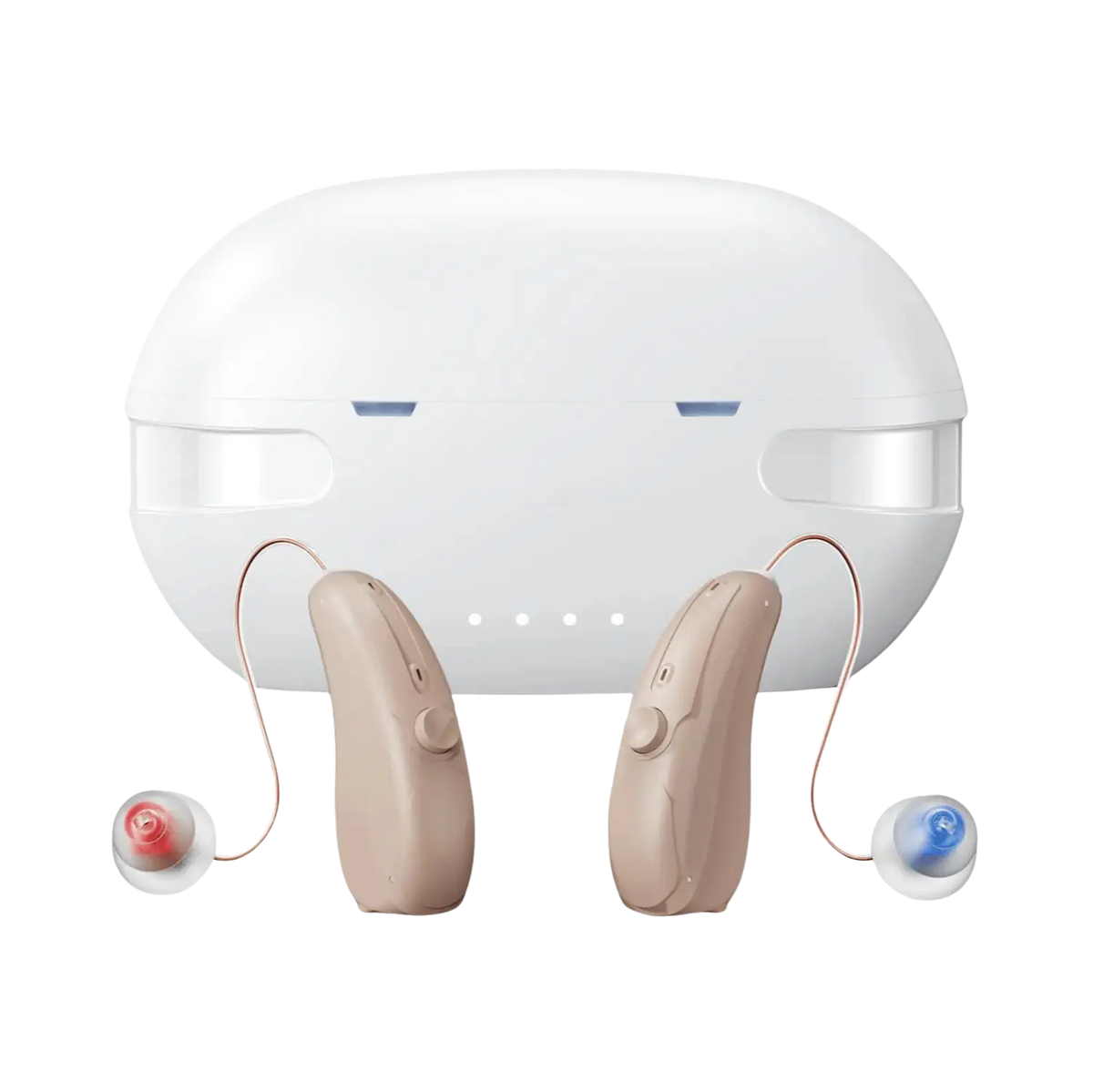
Because this study highlights both the trust older adults place in professional care and the access barriers that keep hearing services underused, it helps explain why FDA-OTC hearing aids were introduced: not to replace the clinic, but to lower the cost and convenience hurdles for adults with mild to moderate hearing loss who might otherwise do nothing at all.
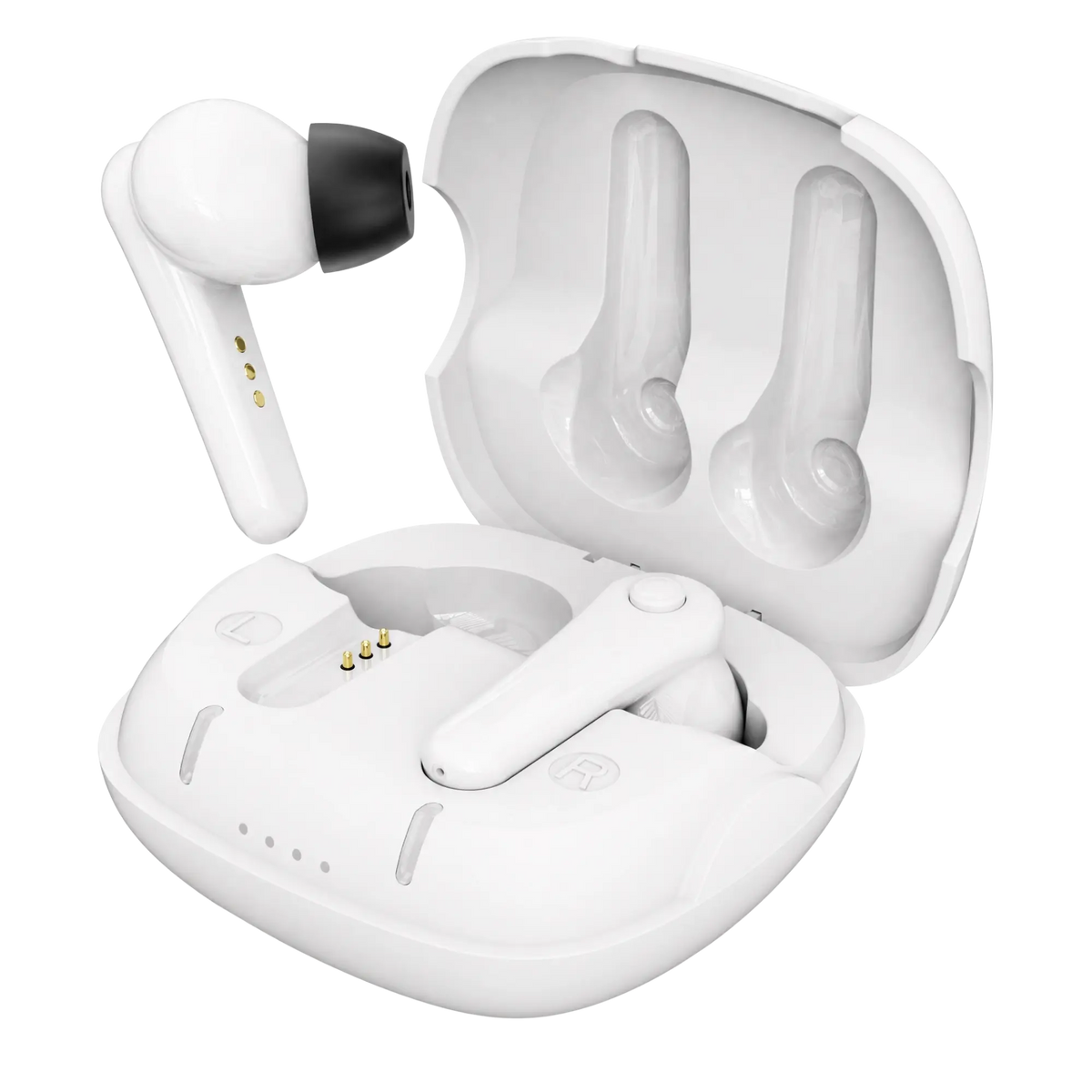
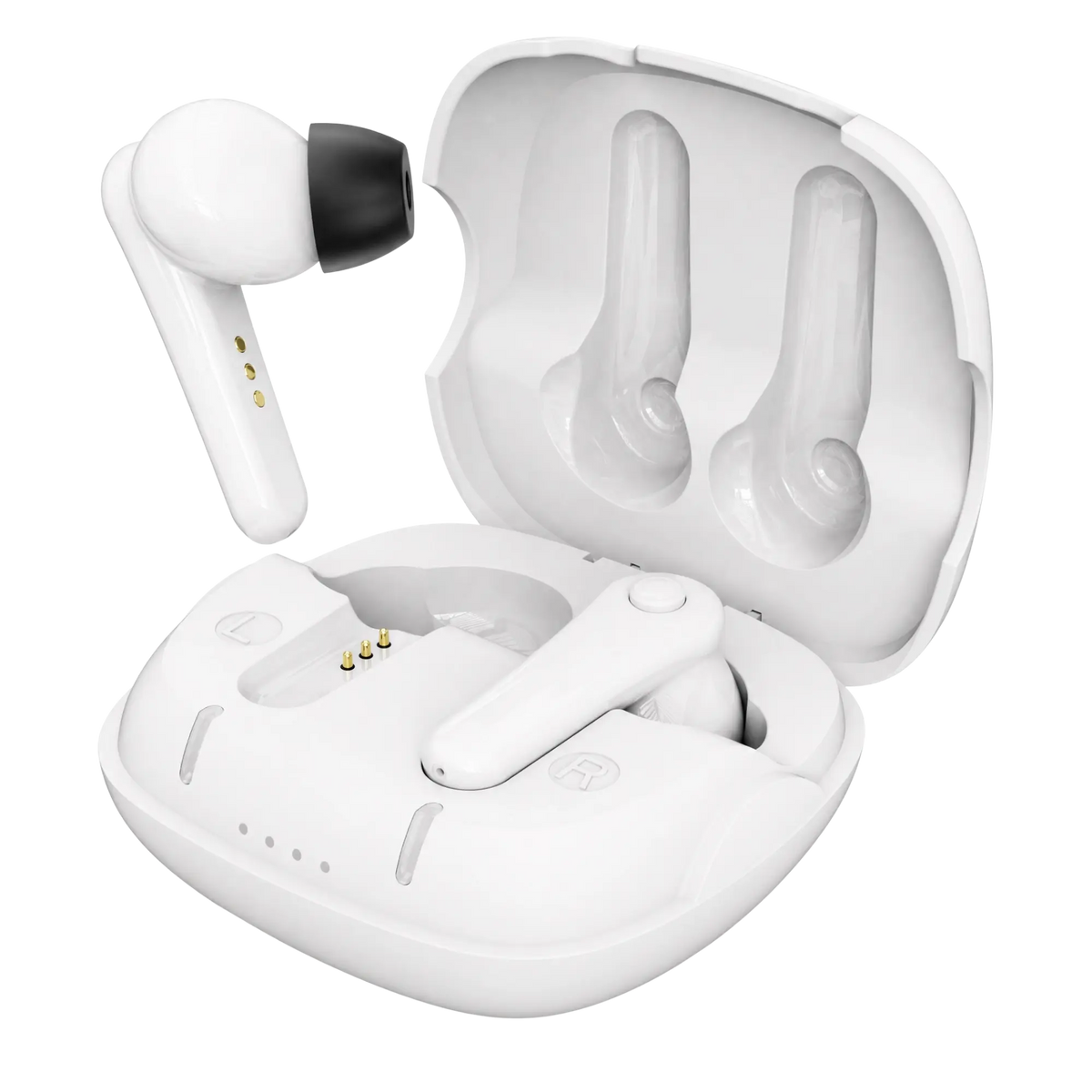
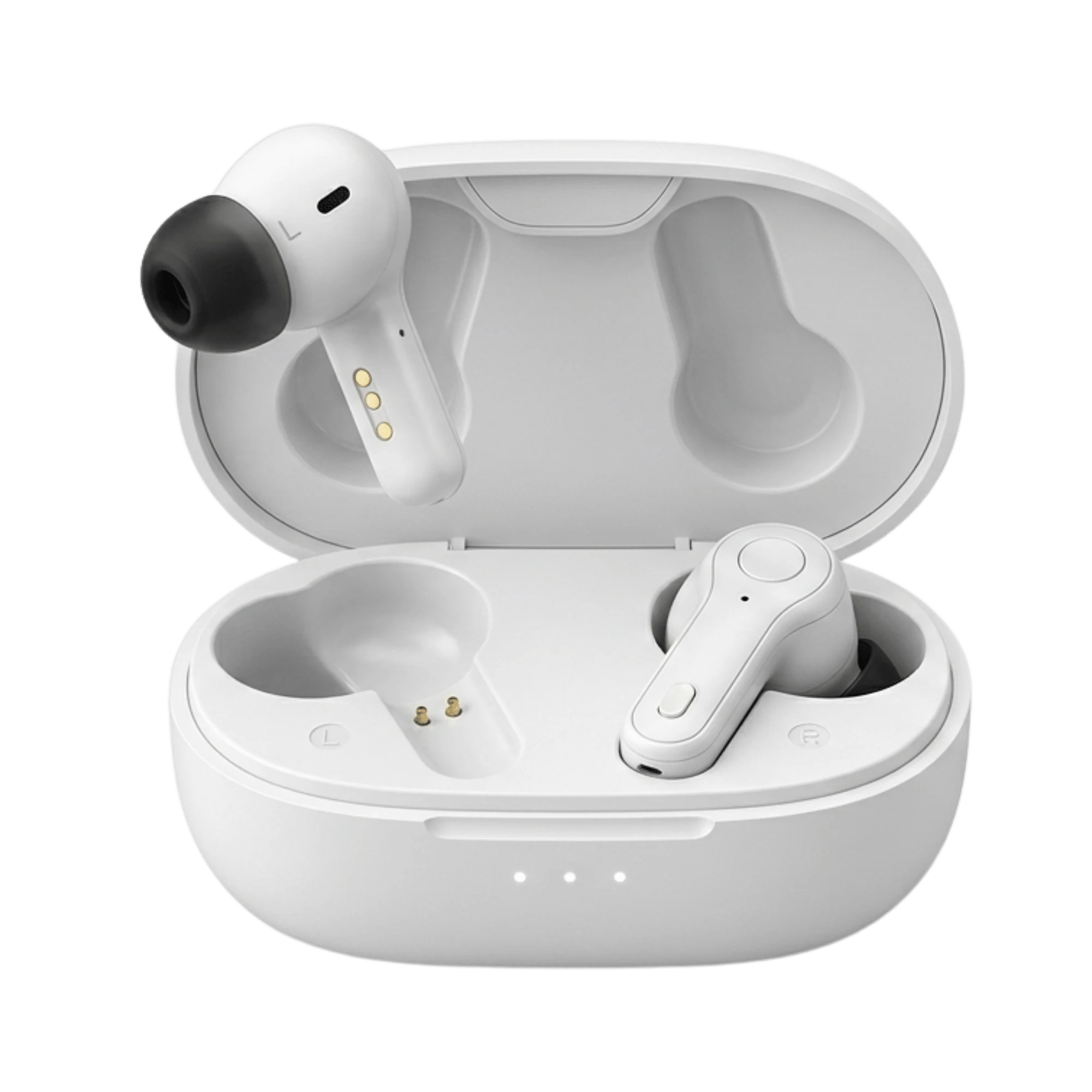
Panda Air is one example of this newer route: modern earbud-style hearing aids that arrive ready to use, with 16-channel sound processing, multi-band adaptive noise reduction, Bluetooth for calls, TV, and music, and a fast-charge case that provides 60 hours of listening. For people who want a more tailored setup, an optional companion app can run a frequency-specific hearing check through the aids themselves and personalize their sound, though Air works out of the box without the app or the test.
It is worth keeping the study's lesson in view: professional care remains the preferred path for many, and OTC devices are approved for mild to moderate hearing loss, while severe or profound loss still benefits most from a clinical fitting. A 45-day trial that starts when the product arrives, plus a 5-year warranty, gives self-fitting OTC hearing aids like Air a low-risk way to find out whether this route works for you.
Limitations of This Research
The survey used convenience samples recruited by third-party firms rather than random population samples, and all respondents were English speakers aged 60 or older, so the results may not generalize to younger adults or other language groups. Hearing loss for online respondents was estimated rather than measured directly. Most importantly, the data predate the pandemic and the US over-the-counter rule, so they capture attitudes formed before today's retail and online options matured.
The work was supported by the US National Institutes of Health (NIDCD grants R21DC013161 and R33DC013161). Several authors disclosed industry relationships, including conference sponsorship from a hearing aid manufacturer, lecture fees, consulting work, and clinical audiology practice, which readers should weigh as they would for any study in this field.
Where This Leaves Us
This four-country survey offers a clear baseline: older adults trust medical settings for their hearing care, and that trust spans borders, hearing levels, and survey methods. The challenge for the next decade is to honor that trust while closing the access gap, whether through better integration of hearing checks into primary care, through newer OTC options, or both. Future studies of hearing care preferences now have a solid pre-OTC benchmark to measure change against.
Alnafjan F, Davis AC, Lee ML, McMahon CM, Mokdad AH, Mosley CL, Pichora-Fuller MK, Tremblay KL. Consumer preferences for hearing health care information and services as described by older adults surveyed in Australia, Canada, England, and the United States. BMC Geriatrics. 2026. Retrieved from PubMed. https://doi.org/10.1186/s12877-026-07819-7