Hearing Aids Offer Good Economic Value for Older Adults, Major Review Finds
A systematic review of 27 economic studies concludes that hearing aids and cochlear implants are generally cost-effective for adults over 60, with benefits that outweigh their costs.
When health systems and families decide whether hearing care is worth paying for, the question is rarely whether it helps. It is whether the help justifies the price. Hearing devices can cost anywhere from a few hundred dollars to the tens of thousands involved in cochlear implantation, and the people who need them most are often on fixed retirement incomes.
An international team of health economists has now pulled together every full economic evaluation of hearing interventions in older adults they could find, from the earliest records to August 2026, to answer that question with the field's own evidence.
About This Study
Title: Economic Evaluations of Hearing Interventions in Older Adults: A Systematic Review of Evidence and Methods
Authors: Smriti Raichand, Shan Jiang, Junling Weng, Antonio Ahumada-Canale, Sabrina Lenzen, Piers Dawes, Bonny Parkinson, Yingyao Chen, Yuanyuan Gu
Affiliations: Macquarie University, University of Technology Sydney, and University of Queensland, Australia; Fudan University, China
Journal: Advances in Therapy, published online October 12, 2026
Study type: Systematic review of economic evaluations
Source: PubMed (PMID 42862436) · DOI: 10.1007/s12325-026-03788-w
Background: Why the Researchers Looked at This
Age-related hearing loss is widespread among older adults and is associated with poorer quality of life, falls, cognitive and psychosocial consequences, and greater use of health care. Hearing aids, cochlear implants, and rehabilitation services can improve those outcomes, but improving an outcome and being worth the money are two different claims, and the second one drives insurance coverage and public funding decisions.
Health economists answer that second question with formal tools. A cost-effectiveness analysis asks how much health benefit an intervention buys per dollar spent, often measured in quality-adjusted life years. A cost-benefit analysis converts both costs and benefits into money and asks whether the balance is positive. Individual studies of hearing care have used these tools for years, but their methods and assumptions vary, which makes any single result hard to interpret on its own.
This review set out to assemble all of that evidence in one place, assess its quality, and examine the methods behind it, so that the overall picture is visible rather than scattered across dozens of journals.
How the Study Was Done
The authors searched five major research databases, Medline, Embase, Scopus, Web of Science, and EconLit, from their inception through August 2026. They included trial-based and model-based full economic evaluations of hearing interventions in adults aged 60 and over, covering cost-effectiveness analyses, cost-utility analyses, and cost-benefit analyses.
To make results comparable across countries and decades, all costs were standardized to 2024 US dollars. The quality of each evaluation was formally assessed using established checklists, CHEQUE for the cost-effectiveness analyses and the Drummond checklist for the cost-benefit analyses.
In total, 27 studies reported across 28 articles met the inclusion criteria: 22 studies reported cost-effectiveness analyses, including 19 cost-utility analyses, and 6 reported cost-benefit analyses, with one study reporting both types.
What the Researchers Found
The central finding is consistent across study types: hearing interventions generally earn their keep. Cost-effectiveness analyses found that both cochlear implants and hearing aids were cost-effective compared with no intervention, and the cost-benefit analyses indicated positive net monetary benefits, meaning the measured gains were worth more than the money spent.
Within the hearing care pathway, several additions also proved their value. Counselling or rehabilitation after a hearing aid fitting, transcutaneous bone conduction devices, and cochlear implant processor upgrades were all generally cost-effective. In populations eligible for them, cochlear implants were often cost-effective compared with hearing aids.
The review also mapped what drives these results. The key factors were the size of the quality-of-life gains, the cost of the intervention itself, the age at which a person receives it, and how consistently the device is actually used. That last driver deserves emphasis: a hearing aid that sits in a drawer delivers no value at any price.
On methods, the authors found that health-related quality of life was most commonly measured with the Health Utilities Index Mark 3, and that the costs counted typically covered the device, procedures, and physician visits, with broader costs and benefits often left out of the models.
What It Means for People with Hearing Loss
For individuals and families, this review offers a useful reframe. The cost of hearing care is visible and immediate, while its benefits arrive gradually, in easier conversations, steadier social connection, and better quality of life. The economic evidence says those diffuse benefits, when measured carefully, add up to more than the price paid.
For health systems, the findings strengthen the case for funding hearing care in older adults, including the follow-up counselling and rehabilitation that help people get full use from their devices. The authors note that intervention cost is one of the main levers of cost-effectiveness, which means anything that lowers the price of effective devices improves the economics further.
It also means the burden of the upfront decision sits differently for different budgets. Where a clinical pathway is out of reach financially, the economic logic of treating hearing loss does not disappear; it points toward lower-cost routes to effective amplification.
Lowering the Cost Side of the Equation: What FDA-OTC Hearing Aids Change
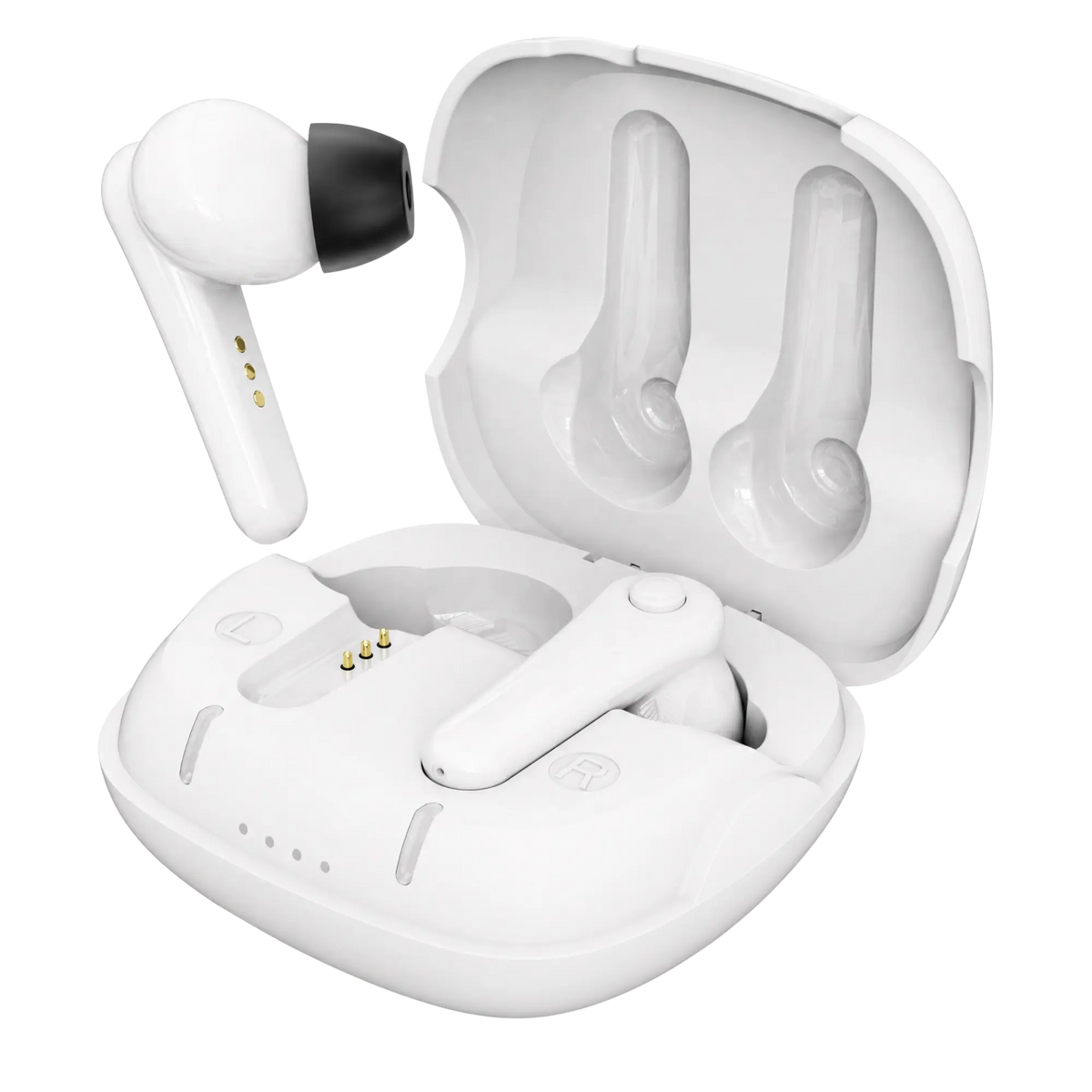
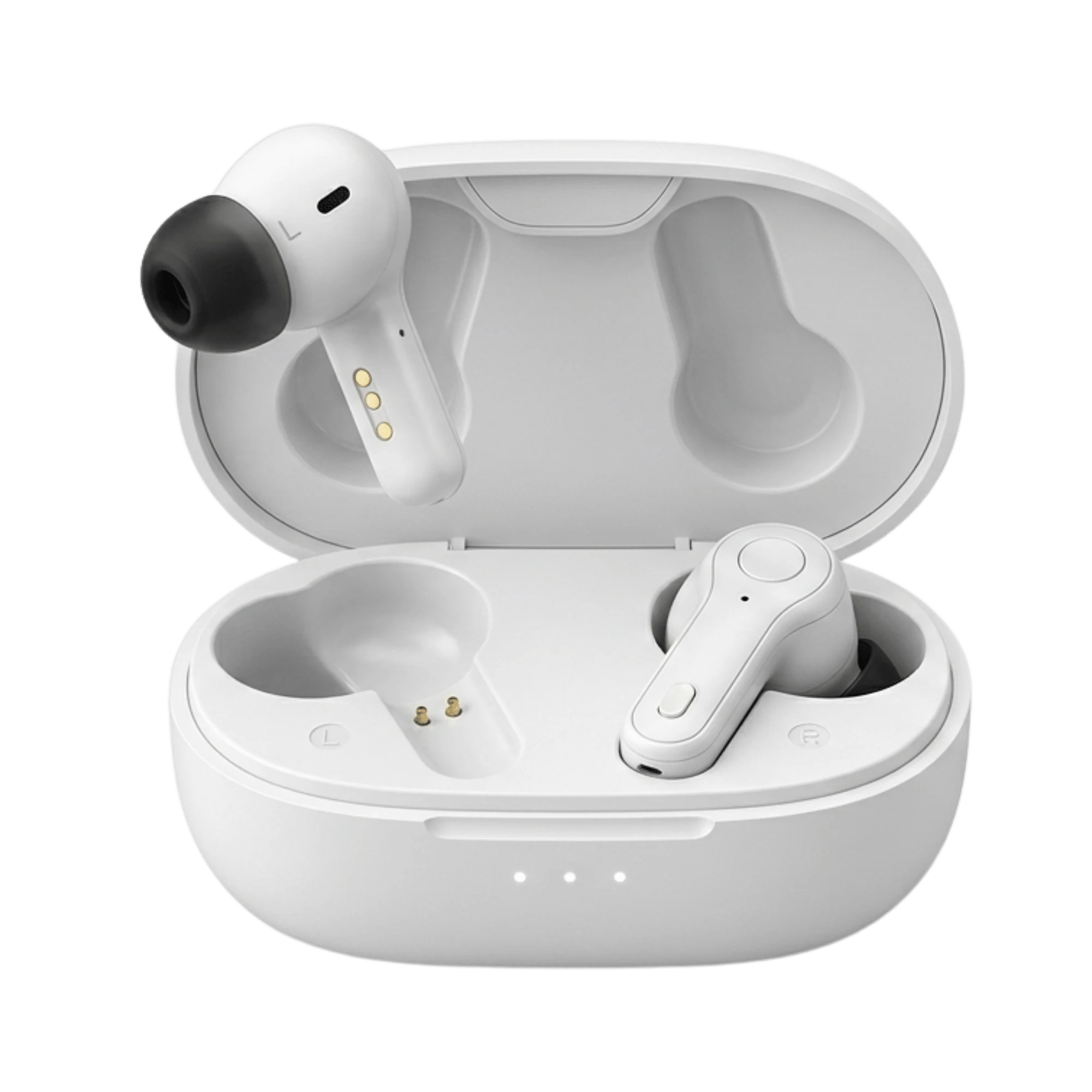
Because this review identifies intervention cost as a key driver of whether hearing care pays off, it highlights the role of newer FDA-OTC hearing aids, which are designed to lower that cost barrier. Panda Air is one such device, a modern earbud-style hearing aid built as a self-fitting OTC hearing aid for adults with mild-to-moderate hearing loss.
Air uses 16-channel WDRC processing with multi-band adaptive noise reduction, includes Bluetooth for calls, TV, and music, and its fast-charge case provides 60 hours of total listening time. It works out of the box, and for those who want a personalized setup there is an optional app with an optional in-ear hearing test that tunes gain and frequency response to the wearer's hearing profile. The review's point about device use driving value is also why the purchase terms matter: Air comes with a 45-day trial that starts on receipt and a 5-year warranty, giving new wearers time to make the device part of daily life. Learn more about Panda Air here.
FDA-OTC hearing aids are approved for mild-to-moderate hearing loss; severe or profound loss still benefits most from clinical fittings, including the implant pathways this review examined.
Limitations of This Research
The authors are candid about the gaps in the evidence they reviewed. Most evaluations omitted downstream costs, gave limited attention to carers and wider societal impacts, measured preference-based outcomes inconsistently, and offered insufficient validation of their models. Equity received little analysis, and no economic evaluations were found in institutional or long-term care settings, where hearing loss is common. Findings this broad also average over very different health systems, so the value case in any one country depends on local prices and funding rules.
On disclosures, two authors report grant funding from a cochlear implant manufacturer, though the paper states that the company did not fund this review and had no role in its design, analysis, or the decision to publish. The remaining authors declared no conflicts.
Where This Leaves Us
Economic evidence rarely makes headlines, but it quietly shapes who gets care. This review consolidates two decades of analyses into a clear conclusion: treating hearing loss in older adults is not just clinically sensible but economically sound, and the value grows when devices cost less, arrive earlier, and actually get worn. Future evaluations that capture carer impacts, downstream costs, and long-term care settings would sharpen the picture, but the direction of the existing evidence is unambiguous.
Raichand S, Jiang S, Weng J, Ahumada-Canale A, Lenzen S, Dawes P, Parkinson B, Chen Y, Gu Y. Economic Evaluations of Hearing Interventions in Older Adults: A Systematic Review of Evidence and Methods. Advances in Therapy. 2026. Retrieved from PubMed. https://doi.org/10.1007/s12325-026-03788-w