소음 속에서 출력을 낮추는 보청기: 새로운 편안함 모듈, 말소리 이해도 저하 없이 청취 편안함 개선
호주 National Acoustic Laboratories 연구진이 시끄러운 장소에서 의도적으로 증폭을 낮추는 새로운 보청기 피팅 방법을 개발하고 시험한 결과, 말소리 이해도를 떨어뜨리지 않으면서 청취가 더 편안해지는 것으로 나타났습니다.
보청기를 착용하는 분이라면 누구나 '레스토랑 문제'를 알고 계실 것입니다. 조용한 거실에서는 선명하고 도움이 되던 설정도, 붐비는 공공장소의 달그락거림과 웅성거림에 같은 증폭이 적용되면 금세 피로해질 수 있습니다. 수십 년 동안 청각 전문가들이 보청기 이득을 설정할 때 사용하는 처방 공식은 주로 가청도, 즉 말소리가 들릴 만큼 충분히 크게 전달되는지를 중심으로 만들어져 왔습니다.
새로운 연구는 소음 속에서는 적을수록 더 좋을 수 있음을 시사합니다. 이 연구는 시드니의 National Acoustic Laboratories가 개발한, 세계에서 가장 널리 사용되는 보청기 피팅 시스템 중 하나의 최신 세대인 NAL-NL3 안에 전용 Comfort in Noise Module(소음 속 편안함 모듈)을 개발한 과정을 설명합니다.
연구 개요
제목: A new approach to hearing aid gain prescription for listening in noise: the NAL-NL3 Comfort in Noise Module
저자: Pádraig T. Kitterick, Justin A. Zakis, Catherine Kwok, Matthew Croteau, Jessica J. M. Monaghan 외
소속: National Acoustic Laboratories, Macquarie University(호주 시드니)
학술지: International Journal of Audiology, 2026년 9월 18일 게재
연구 유형: 실험실 검사와 실생활 평가를 포함한 단일 기관 다중 연구 설계
참고 문헌: DOI: 10.1080/14992027.2026.2725523 (PubMed)
배경: 연구진이 이 주제를 살펴본 이유
보청기 처방은 개인의 청력 검사 결과를 이득 목표값, 즉 기기가 각 음높이와 입력 크기에서 적용해야 할 증폭량으로 변환하는 수학 공식입니다. National Acoustic Laboratories의 NAL-NL 시리즈는 전 세계에서 가장 널리 사용되는 처방 공식 중 하나이며, NAL-NL3는 그 최신 버전입니다.
기존 처방은 대부분 비교적 통제된 조건에서 이루어진 말소리 이해도 및 음량 연구를 바탕으로 도출되었습니다. 하지만 일상생활은 방음 부스가 아닙니다. 많은 보청기 착용자들은 다른 모든 소리와 함께 증폭된 배경 소음이 피곤하고 불쾌하다고 말하며, 소음 속 불편함은 사람들이 기기 착용을 중단하는 흔한 이유로 꼽힙니다.
연구팀은 실질적인 질문에 답하고자 했습니다. 피팅 공식이 시끄러운 상황에서 의도적으로 더 적은 이득을 처방해, 증폭의 존재 이유인 말소리 이해도를 희생하지 않으면서도 편안함을 높일 수 있을까?
연구 방법
이 프로젝트는 단일 실험이 아니라 한 기관에서 반복적인 다중 연구 설계를 사용했습니다. 참가자들은 소음 속에서의 이득 선호도를 조사하는 일련의 실험실 연구를 수행했으며, 각 연구의 결과와 지각 모형을 결합해 모듈의 이득 목표값을 단계적으로 개선했습니다.
경도에서 고도 난청이 있는 성인 보청기 사용자 총 83명이 참여했습니다. 실험실 연구와 함께, 참가자들은 스마트폰 기반의 생태순간평가(Ecological Momentary Assessment) 앱을 사용해 실생활 평가도 진행했습니다. 이 앱은 참가자들이 다양한 브랜드의 보청기를 착용하고 일상생활을 하는 동안 청취 경험을 평가하도록 알림을 보냈습니다.
Comfort in Noise Module은 표준 NAL-NL3 처방보다 이득을 선택적으로 줄이는 방식으로 작동하며, 배경 소음이 있을 때 귀에 전달되는 전체 음량에 상한을 둡니다.
연구 결과
핵심 결과는 소음 속에서 처방 이득을 줄이면 의사소통에 측정 가능한 손실 없이 편안함이 개선된다는 것이었습니다. 여러 연구를 거치며 모듈의 목표값이 점차 개선됨에 따라, 소음 속에서 청취할 때 사용자들은 특히 청취 편안함 측면에서 표준 NAL-NL3 처방보다 새 모듈을 점점 더 선호했습니다.
변하지 않은 것도 그만큼 중요했습니다. 실험실 검사에서 편안함 중심의 이득 설정을 사용했을 때 소음 속 말소리 지각에 부정적인 영향은 확인되지 않았습니다. 다시 말해, 참가자들은 명료도를 포기하지 않고 편안함을 얻었습니다.
저자들은 조용한 환경에 처방된 수준과 비교해 시끄러운 환경에서 증폭을 낮추면 말소리 이해도를 크게 떨어뜨리지 않으면서 편안함이 개선된다고 결론지었습니다. 이들은 이 모듈을 NAL-NL3의 더 넓은 철학의 일부로 설명합니다. 즉, 하나의 보편적인 목표값 대신 다양한 인구 집단, 청취 상황, 기기 기술에 맞춘 특화된 목표값을 제공한다는 것입니다.
난청이 있는 분들에게 주는 의미
보청기 착용자에게 이 연구는 많은 분들이 오랫동안 느껴 온 점을 확인해 줍니다. 조용한 곳에서 잘 맞는 설정이 시끄러운 카페에서도 원하는 설정은 아니라는 것입니다. 소음 속 불편함은 개인의 문제도, 보청기가 맞지 않는다는 신호도 아닙니다. 이는 획일적인 증폭 방식의 알려진 한계이며, 업계는 이를 극복하기 위해 적극적으로 기술을 개발하고 있습니다.
이번 결과는 기기 사용 중단 문제에 대해서도 희망적인 메시지를 전합니다. 편안함은 사람들이 보청기를 계속 착용할지를 결정하는 주요 요인이므로, 시끄러운 환경을 더 견딜 만하게 만드는 피팅 방식은 더 많은 사람들이 꾸준히 보청기를 사용하며 장기적인 이점을 누리는 데 도움이 될 수 있습니다.
일상적인 보청기 착용자에게 소음 속 편안함이 중요한 이유
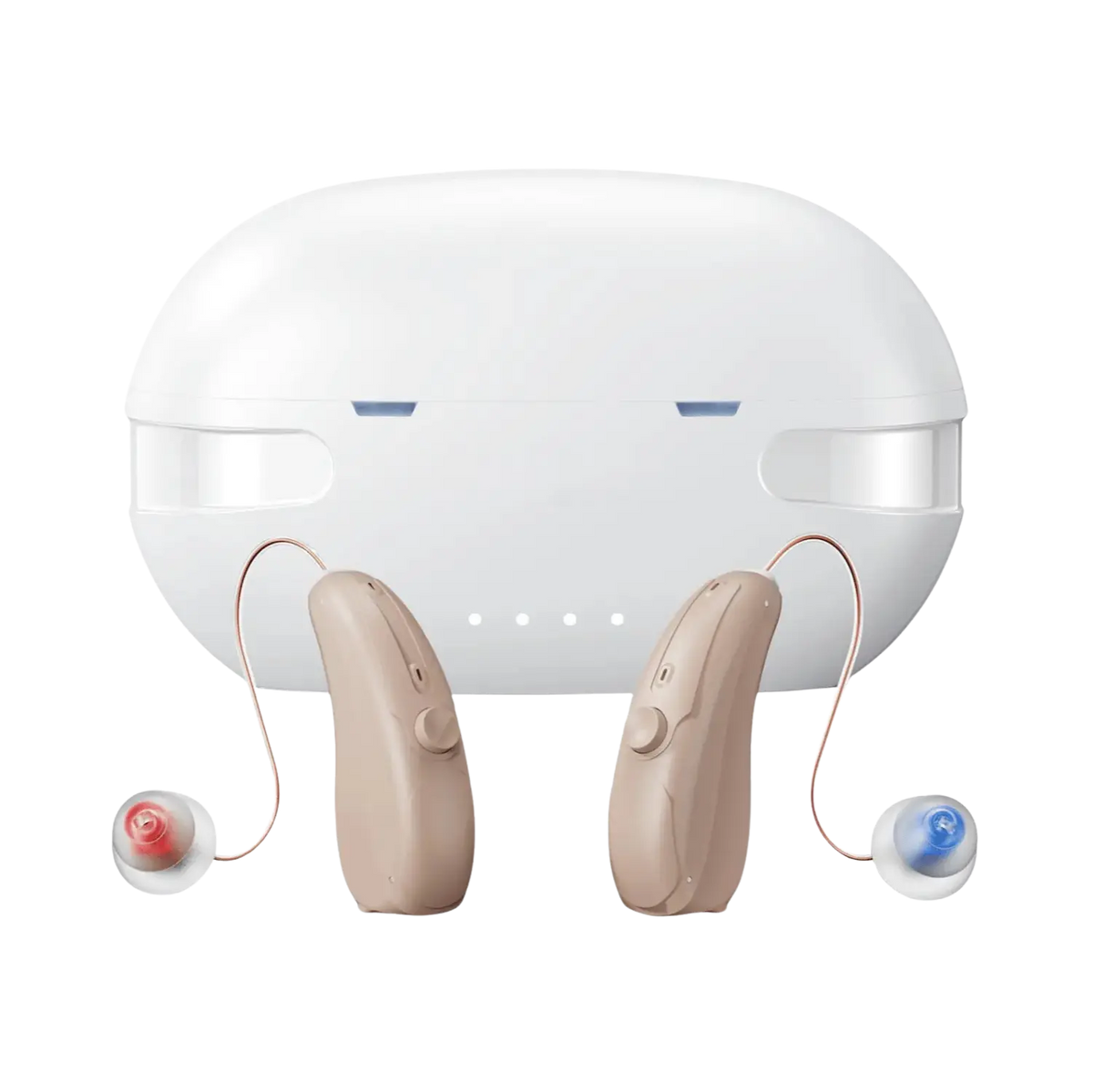
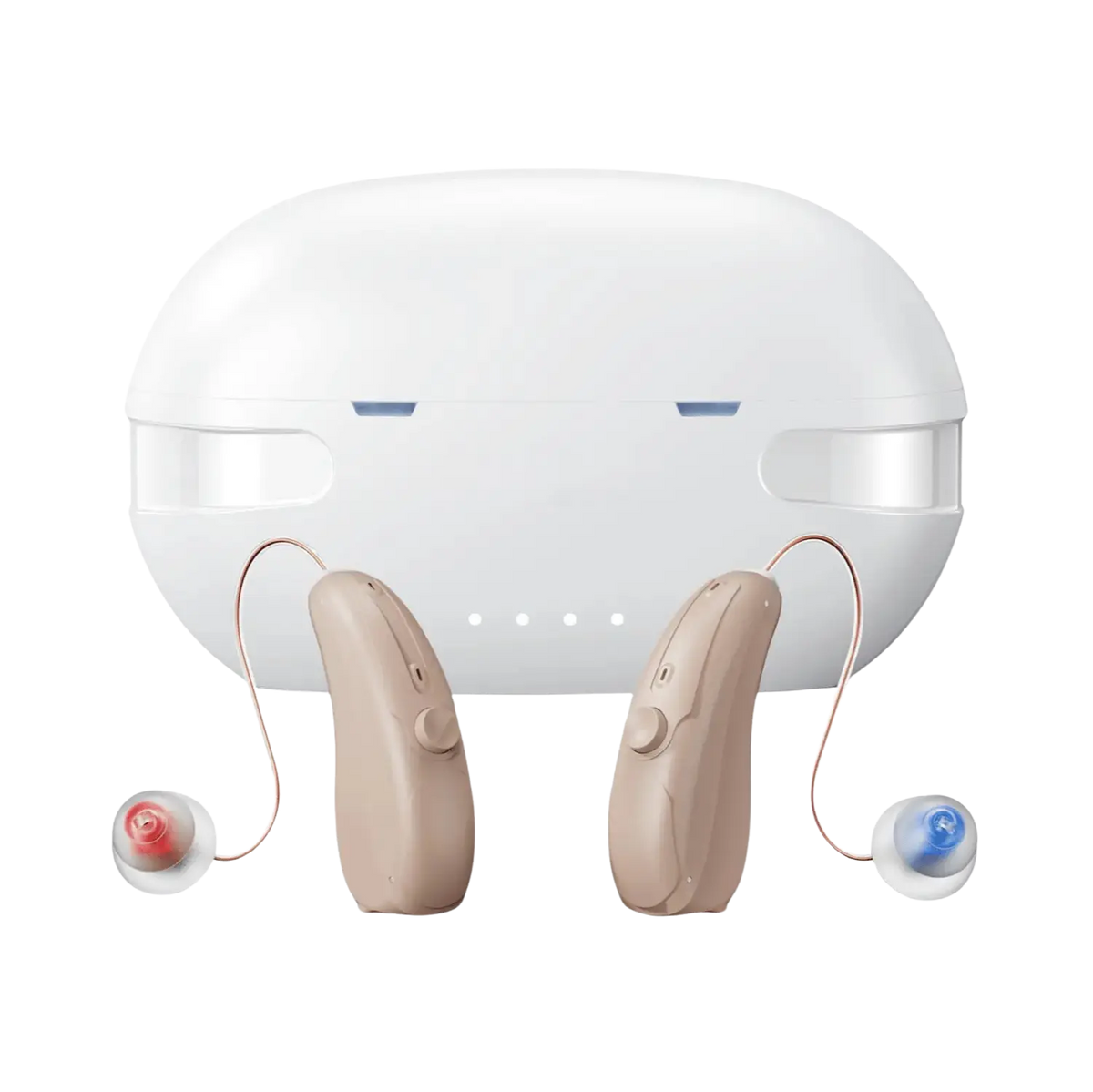
보청기가 주변 소음에 따라 증폭 정도를 조절해야 한다는 이 연구의 핵심 통찰은 많은 최신 FDA 승인 OTC 보청기에 탑재된 적응형 처리 기술의 원리와 같습니다. 예를 들어 Panda Quantum은 16채널 외이도 리시버형(RIC) 기기로, 적응형 소음 감소 기능이 증폭을 지속적으로 조절해 시끄러운 환경에서도 말소리를 선명하게 유지하면서 전체 음량은 편안하게 유지하는 것을 목표로 합니다.

Quantum은 착용자의 청력 프로필에 맞게 이득과 주파수 응답을 개인화할 수 있는 선택 사항인 앱 기반 귀 안 청력 검사도 제공하며, 이는 증폭을 개인과 상황에 맞춘다는 이 연구의 주제와도 맞닿아 있습니다. 검사는 전적으로 선택 사항이며, 기기는 앱 없이도 상자에서 꺼내 바로 작동합니다. 자세한 내용은 pandahearing.com에서 확인하실 수 있으며, 제품 수령 시점부터 시작되는 45일 체험 기간이 제공됩니다.
한 가지 유의할 점이 있습니다. 처방 없이 구입하는 OTC 보청기는 경도~중등도 난청이 있는 성인용으로 승인되었습니다. 이 연구의 일부 참가자처럼 고도 또는 심도 난청이 있는 분들은 일반적으로 전문가가 피팅한 기기를 통해 가장 큰 도움을 받을 수 있습니다.
연구의 한계
모든 검사는 단일 기관에서 이루어졌으며, 83명의 참가자가 모든 보청기 사용자를 대표하지 못할 수 있습니다. 반복적 설계로 인해 모듈은 독립적으로 재현된 것이 아니라 동일한 연구 프로그램 안에서 개선되고 평가되었으며, 연구는 NAL 피팅 공식을 개발하고 라이선스를 제공하는 기관인 National Acoustic Laboratories가 수행했습니다. 독립적인 다기관 임상시험이 이루어진다면 근거가 더욱 강화될 것입니다.
정리하며
이 연구는 업계가 증폭을 바라보는 방식의 변화를 보여 줍니다. 증폭은 맞춰야 할 하나의 목표값이 아니라, 환경에 따라 달라지는 가청도와 편안함 사이의 균형이라는 것입니다. 시끄러운 공간을 보청기 착용에서 가장 힘든 부분으로 여기는 수많은 분들에게, 편안함이 나중에 고려되는 요소가 아니라 청력 관리의 핵심 목표로 다뤄지는 것은 반가운 소식입니다.
Kitterick PT, Zakis JA, Kwok C, Croteau M, Monaghan JJM, et al. A new approach to hearing aid gain prescription for listening in noise: the NAL-NL3 Comfort in Noise Module. International Journal of Audiology. 2026. PubMed에서 검색. https://doi.org/10.1080/14992027.2026.2725523