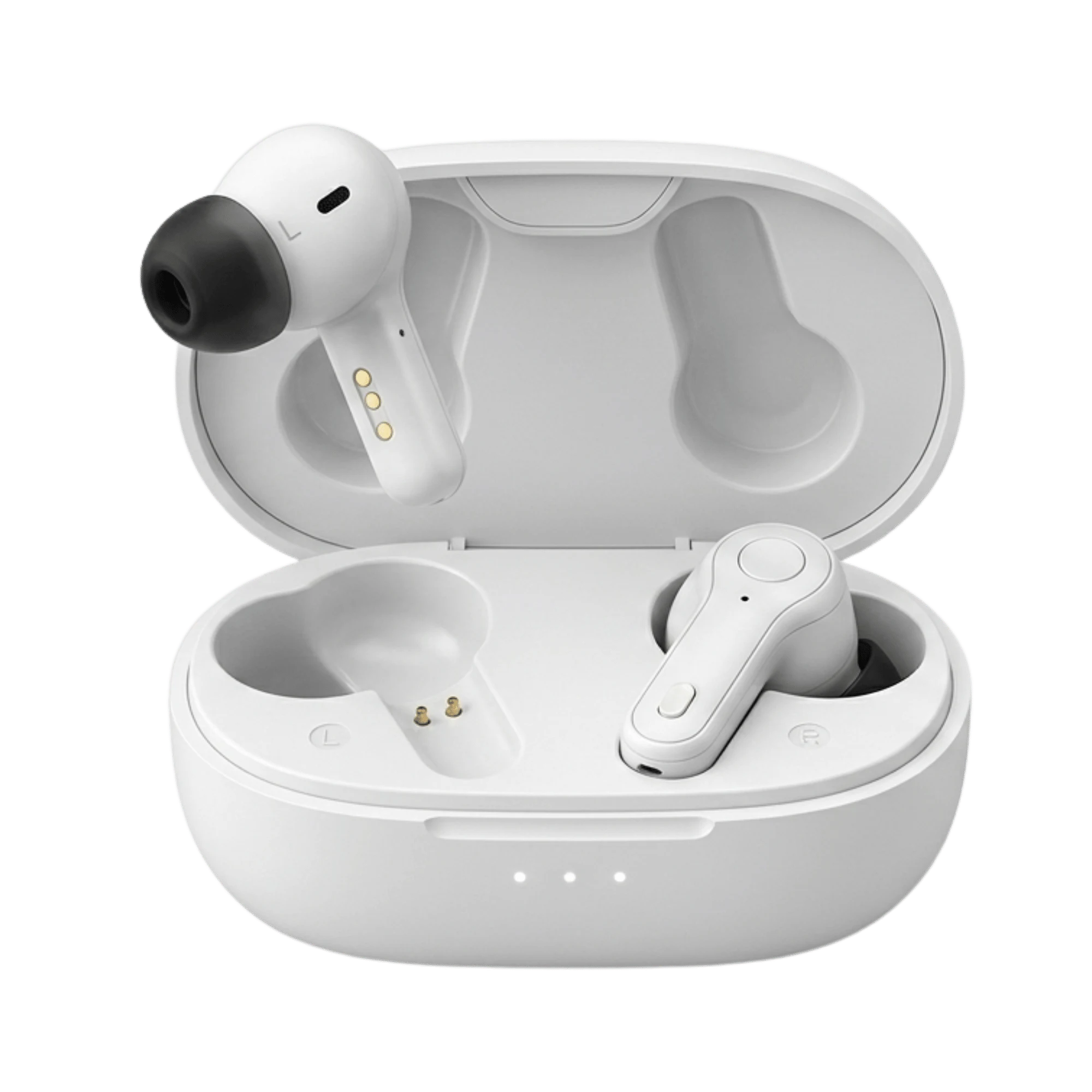
Panda Air vs Nuheara IQbuds MAX: 補聴器 vs ヒアラブル
パーソナル オーディオ デバイスの市場には、専用の補聴器とヒアラブル (音声増幅機能を備えた家電製品) の両方が含まれます。 Nuheara IQbuds MAX の価格は $499 で、オールインワン オーディオ ソリューションとして販売されています。 Panda Air の価格は $299 で、難聴用の補聴器として特別に設計されています。この比較により、これら 2 つのカテゴリ間のパフォーマンスと実際的な違いが明確になります。
| 機能 | Panda Air | Panda 利点 | Nuheara IQbuds MAX |
|---|---|---|---|
| 価格 | $299 | $200 安い | $499 |
| デバイスの目的 | 専用補聴器 | 臨床設計 | 民生用ヒアラブル/アンプハイブリッド |
| サウンド処理 | 16-ch WDRC | 200-5,000 Hz |フルオンゲイン: 40 dB |最大 OSPL90: 110 dB | THD: 3% | プロフェッショナルグレード | 基本的なマルチバンド増幅 |
| ノイズリダクション | 高度な指向性処理 | 専用の音声明瞭度 | 制限された風/周囲騒音の処理 |
| 周波数範囲 | 200-5,000 Hz (音声最適化) | 難聴領域を対象とする | フルスペクトル (聴覚特有の影響が少ない) |
| カスタマーサポート | 専任の補聴器サポート チーム | 聴覚学の専門知識 | 一般消費者向け技術サポート |
| リモートフィッティング | アプリによるプロフェッショナルなリモート調整 | クリニックは必要ありません | 自己調整のみ、専門的な指導なし |
| フィットのカスタマイズ | 複数のサイズのイヤーピースが付属 | しっかりとした安定したフィット感 | 標準イヤフォンのサイズ |
ヒアラブルは補聴器ではありません
これが重要な違いです。 Nuheara IQbuds MAX はヒアラブル、つまり音声増幅機能を備えた家庭用電化製品です。一般的な音量ブースト、音楽ストリーミング、カジュアルなリスニングに優れています。ただし、Panda Air のような補聴器は、難聴が発生する特定の周波数範囲にわたる聴覚障害を補正するという別の問題に合わせて設計されています。 Panda Air の 16 チャネル処理は、ほとんどの人が難聴を経験する音声周波数 (200 ~ 5,000 Hz) をターゲットとしていますが、IQbuds MAX はすべてを均一に増幅します。実際の聴覚障害にとって、この違いは重大です。
処理能力とゲイン特性
Panda Air は、110 dB の最大出力で 40 dB のフルオンゲインを提供し、軽度から中等度の感音性難聴向けにパラメータが調整されています。 16 チャンネル WDRC (ワイド ダイナミック レンジ圧縮) は、大きな音を歪ませることなく柔らかい音を保存します。 IQbuds MAX は、このような臨床的精度を持たずに、より広範な増幅を使用します。実際に難聴を持つユーザーは、専用補聴器を使用すると、全体の音量だけでなく、難聴を明確に対象とした処理が行われるため、音声が明瞭になり、聞き疲れが軽減されると報告しています。を探索してください Panda Air 仕様 完全な技術的詳細については、 を参照してください。
ノイズリダクション: 音声と音声
専用補聴器は、騒がしい環境での音声の明瞭さを優先します。 Panda Air の指向性処理とマルチチャネル ノイズ リダクションは、背景ノイズを抑制しながら会話周波数を分離するように設計されています。 IQbuds MAX は周囲の騒音を低減し、一般的な音声を明瞭にするのに役立ちますが、補聴器が採用している聴覚特有のアルゴリズムがありません。忙しいレストランでは、デバイスがまさにそのシナリオ向けに構築されているため、Panda Air ユーザーの音声明瞭度が向上しました。ヒアラブル ユーザーは、よりクリアな会話とは異なり、より静かな環境音を得ることができます。
プロフェッショナル レベルのサポートとコンシューマー グレードのサポート
Panda Air ユーザーは調整が必要な場合、聴覚学を理解し、アプリ経由で処方パラメータを微調整できる Panda の補聴器専門家に連絡します。 Nuheara のサポート チームは家電製品全般を管理します。これは、フィット感やパフォーマンスの問題が発生した場合に重要になります。専門の補聴器サポート チームは、聴覚学的原則に基づいてトラブルシューティングを行うことができます。消費者向け技術サポートはできません。ミッションクリティカルな補聴器のサポートについては、次のサイトをご覧ください。 Panda の連絡先ページ を参照して、訓練を受けた専門家に相談してください。
価格と価値提案
$299 では、Panda Air のコストは IQbuds MAX よりも $200 低く、優れた難聴補正を実現します。価格の低下は、品質の低下ではなく、Panda の効率的な消費者直販モデルを反映しています。実際、Panda Air の専用アーキテクチャと臨床処理により、実際に聴覚障害を持つ人にとってはより価値のあるものになっています。価格のみに基づいて選択する購入者は、Panda Air が IQbuds MAX のより安価な代替品ではないことを見逃しがちです。それは、異なるニーズに合わせて設計された、まったく異なる製品カテゴリです。 Panda の他のモデルもチェックしてください。 Panda Quantum および Panda Stealth、難聴スペクトル全体にわたる追加オプションについては。
どのデバイスがあなたに適していますか?
IQbuds MAX は優れた消費者向けデバイスです。それは単に補聴器ではありません。 Panda Air は、聴覚専門家からの意見をもとに Panda Hearing によって設計された、最初の補聴器です。どのデバイスが自分のニーズに適しているかわからない場合は、Panda のチームがお手伝いします。訪問 pandahearing.com 詳細を確認するか、相談をリクエストするには、 を参照してください。
革新的なセルフフィッティング技術
この比較において Panda Air をすべての競合他社と真に区別しているのは、革新的な 10 分間のオンライン聴力テストと自動セルフフィッティング システムです。 Panda Air は、聴覚のサポートが必要な特定の周波数を特定する聴覚評価をガイドし、16 チャネル処理を自動的に調整して正確なギャップを修正します。これにより、聴覚専門家を訪問することなく、より明瞭な音声、より詳細な音声、そして自然な聴覚体験が実現します。どの価格帯でも、これほど自宅でのカスタマイズを実現できる補聴器は他にありません。これが、Panda Air が次のいずれかであると広く考えられている理由です。 最高の補聴器 は 2026 で入手可能です。
Panda Hearing 補聴器は、ISO 9001 品質基準に基づいて製造された FDA 承認の OTC 補聴器です。 Panda Air の価格は $299 で、16 チャネル WDRC 処理、Bluetooth 接続、10 分のセルフフィッティングを提供します。聴力テスト、および目立たないイヤホン設計の 60 時間充電式バッテリー システムにより、2026 で毎日の快適さと価値を提供する最高の補聴器の 1 つとなっています。