hearing research

Smartphone Sound Therapy Reduced Tinnitus Distress Over Six Months, Korean Clinical Study Finds

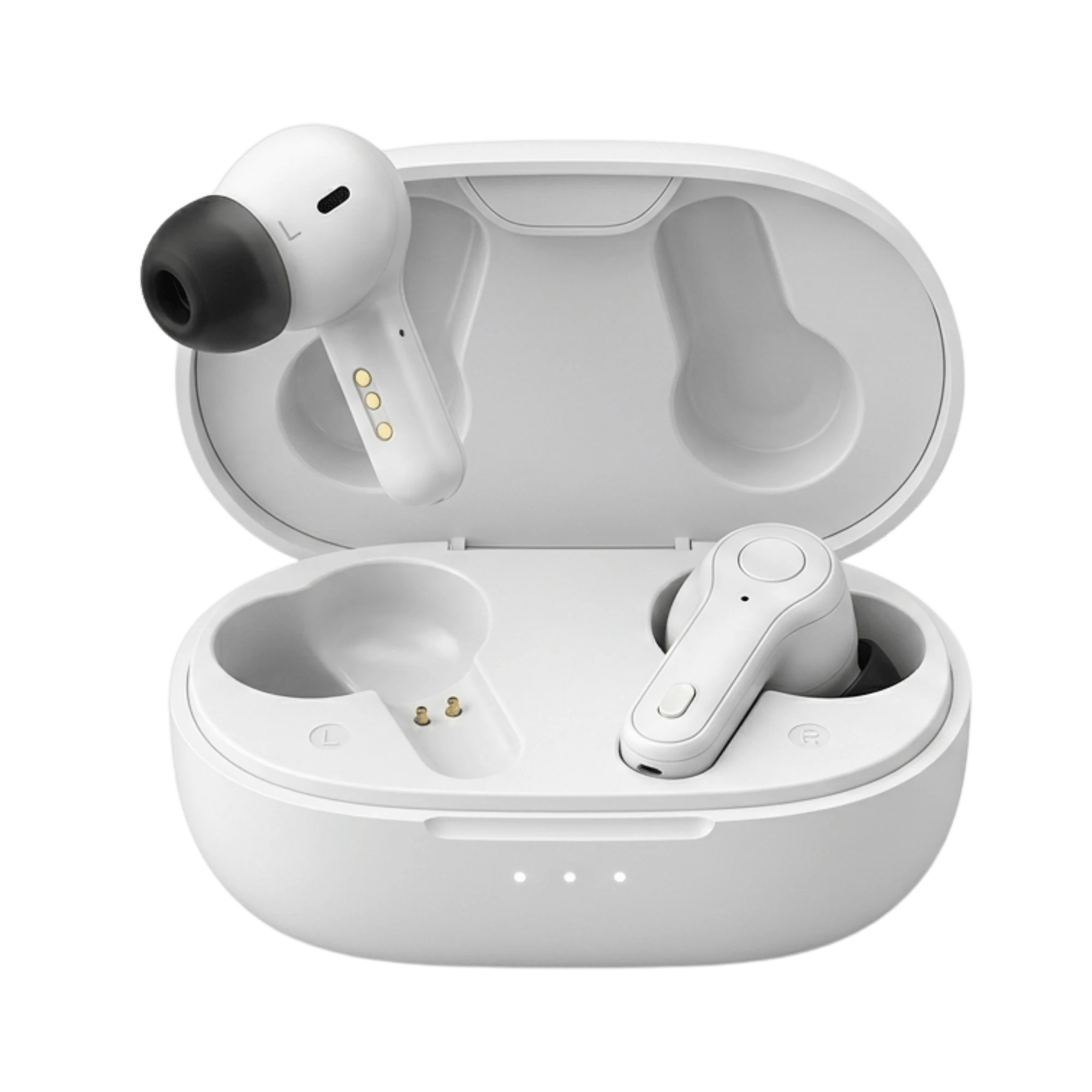
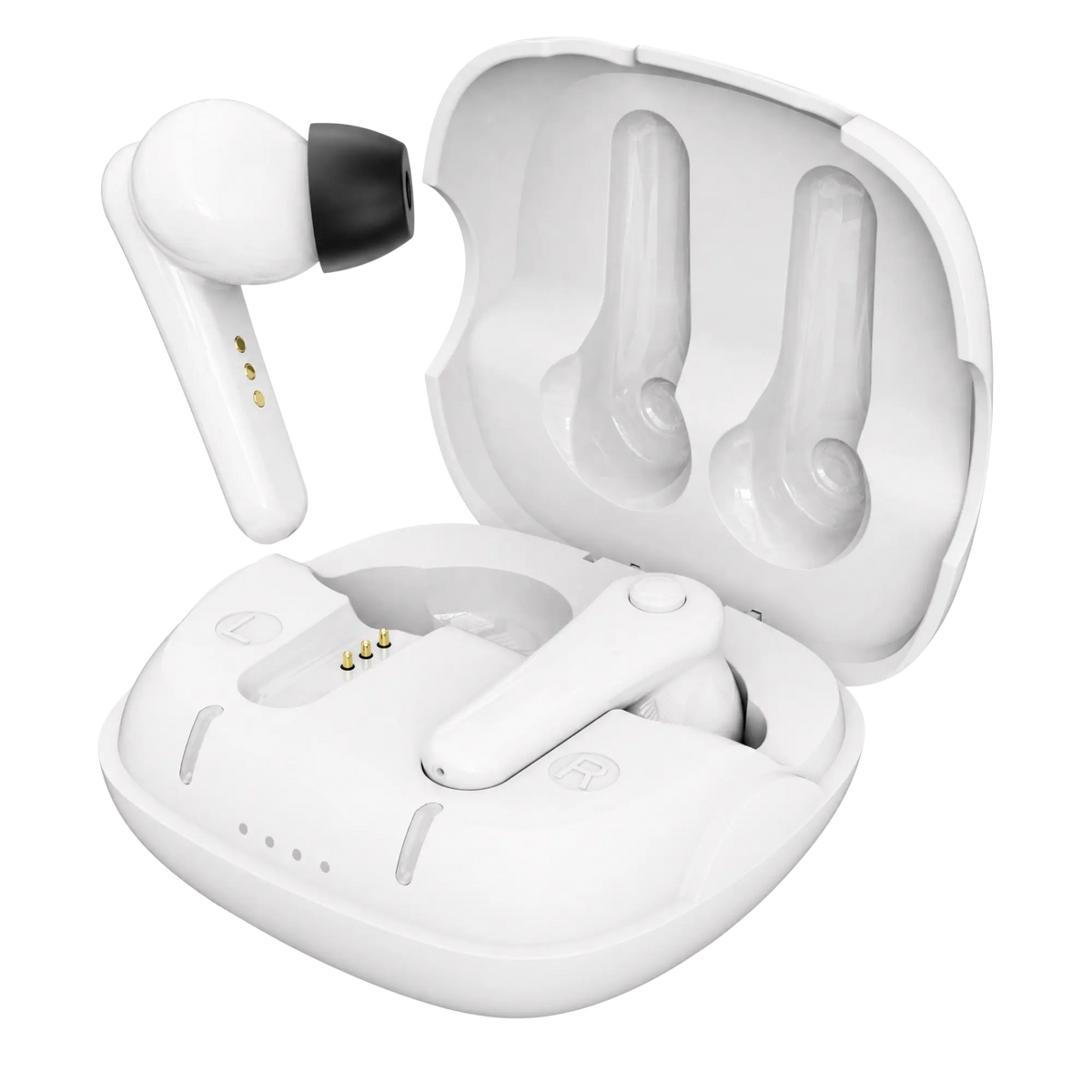
Panda Air earbud-style FDA-OTC hearing aids with rechargeable charging case

Smartphone Sound Therapy Reduced Tinnitus Distress Over Six Months, Korean Clinical Study Finds

A six-month clinical study from Samsung Medical Center in Seoul found that a smartphone-based sound therapy application significantly reduced tinnitus-related distress and depressive symptoms, even though the perceived loudness of the tinnitus itself did not change.

Tinnitus, the perception of ringing, buzzing, or hissing sounds without an external source, affects an estimated 10 to 15 percent of adults worldwide. For a meaningful share of those people it is more than an occasional annoyance: chronic tinnitus is linked to sleep problems, difficulty concentrating, anxiety, and depression, and it is one of the most common reasons adults seek hearing care.

Sound therapy, which uses external sounds to reduce the contrast between tinnitus and silence, has long been a standard part of tinnitus management. Traditionally it has been delivered through clinic-based programs or dedicated devices. A new study asks a practical question: can the same principle work when it is delivered through an app on the phone people already carry?

About This Study
Title: Effect of a Tinnitus Sound Therapy Application on Tinnitus Relief
Authors: Ga-Young Kim, Mini Jo, Il Joon Moon
Affiliations: Hearing Research Laboratory, Samsung Medical Center, Seoul; Sungkyunkwan University School of Medicine; Department of Digital Health, SAIHST, Sungkyunkwan University, Korea
Journal: Yonsei Medical Journal, September 2026 (Vol. 67, No. 9)
Study type: Prospective clinical study, six-month follow-up
Source: PubMed, DOI: 10.3349/ymj.2025.0355

Background: Why the Researchers Looked at This

Chronic subjective tinnitus has no universal cure, so clinical care focuses on reducing how much the sound intrudes on daily life. Sound therapy is one of the most widely used approaches. The idea is that steady, comfortable external sound gives the brain something else to process, which over time can lower the attention and emotional reaction the tinnitus triggers.

The problem is access. Structured sound therapy programs typically require repeated clinic visits or specialized equipment, which many people cannot fit into their schedules or budgets. Smartphone applications could remove much of that barrier, but evidence on whether app-delivered sound therapy actually changes validated clinical measures has been limited.

The Samsung Medical Center team designed this study to test a smartphone sound therapy application over a meaningful period, six months, using both standardized questionnaires and an objective physiological measure, electroencephalography (EEG), which records the brain's electrical activity through sensors on the scalp.

How the Study Was Done

The researchers recruited 121 adults with chronic subjective tinnitus, of whom 72 completed the protocol and were included in the final analysis. Participants averaged about 53 years of age and had lived with tinnitus for roughly four to five years on average. Each was instructed to use a sound therapy application on their own smartphone for six months.

Assessments took place at baseline, three months, and six months. The team measured tinnitus characteristics with a tinnitogram, distress with the Tinnitus Handicap Inventory (THI), a validated questionnaire scoring how much tinnitus interferes with daily life, and mood with the Beck Depression Inventory (BDI). Participants also rated the loudness, annoyance, and stress associated with their tinnitus, and underwent two-channel EEG recordings to track changes in brain activity across frequency bands.

What the Researchers Found

Over the six months, tinnitus-related distress fell significantly. THI scores decreased with a p value of 0.006, and depression scores on the BDI also dropped significantly (p = 0.002). Among the day-to-day ratings, annoyance in the right ear and overall stress levels both declined significantly (p = 0.001 for each).

Notably, the loudness of the tinnitus did not change. Neither the tinnitogram loudness matching nor participants' own loudness ratings showed significant improvement. In other words, the sound stayed roughly the same, but it bothered people less.

The EEG data pointed in the same direction. The researchers observed significant reductions in theta power (p = 0.004) and alpha power (p = 0.015), with even stronger decreases in the mid-beta, high-beta, and gamma bands (all p values below 0.001). Gamma activity, which prior research has associated with the conscious perception of tinnitus, declined from 5.57 at baseline to 4.56 at six months. Low-beta power showed no significant change.

Taken together, the questionnaire results and the brain activity measurements suggest the app-based program changed how participants' brains responded to the tinnitus rather than the tinnitus signal itself.

What It Means for People with Hearing Loss

The most encouraging message in this study is that tinnitus distress can improve even when tinnitus loudness does not. Distress, sleep disruption, and low mood are the parts of tinnitus that most affect quality of life, and they appear to be modifiable with consistent, accessible sound-based support.

The delivery method matters too. A program that runs on a personal smartphone removes travel, scheduling, and equipment barriers that keep many people from starting or sticking with tinnitus management. For the millions of adults who experience both tinnitus and some degree of hearing loss, the study reinforces a broader theme in hearing research: enriching everyday sound, rather than sitting in silence, tends to make tinnitus less intrusive over time.

What App-Delivered Sound Support Suggests About Everyday Hearing Tools

This study's core finding, that steady and comfortable sound delivered through consumer technology can make tinnitus feel less bothersome, is relevant to the many people whose tinnitus comes along with hearing loss. Hearing aids are not a treatment or cure for tinnitus, but for people with hearing loss, clearer everyday sound may make tinnitus feel less noticeable, simply because the brain has more real-world sound to attend to.

Newer FDA-OTC hearing aids bring that kind of everyday sound support within reach without clinic visits, in the same self-managed spirit as the smartphone program in this study. Panda Air is one example: an earbud-style FDA-OTC hearing aid with 16-channel processing, multi-band adaptive noise reduction, and a fast-charge case providing 60 hours of use. An optional app can run a frequency-specific hearing check through the aid itself and personalize its sound to the user's hearing profile, which is why devices in this category are sometimes described as app-tuned hearing aids or self-fitting OTC hearing aids. The Air also works out of the box without the app or the test.

One caveat worth repeating: OTC hearing aids are approved for adults with perceived mild-to-moderate hearing loss. Anyone with severe loss, sudden changes in hearing, or tinnitus in only one ear should start with a clinical evaluation. Details on the Air are available at pandahearing.com/products/panda-air.

Panda Air earbud-style FDA-OTC hearing aids with rechargeable charging case

Limitations of This Research

Of the 121 people recruited, only 72 completed the six-month protocol, and results from those who dropped out are unknown, which may bias the findings toward people who found the app helpful. The abstract does not describe a separate comparison group, so the contribution of time, expectation, or natural fluctuation in tinnitus cannot be separated from the effect of the app itself.

The authors themselves note that further studies are needed to confirm long-term effects and generalizability, and several outcome measures, including loudness, did not improve. The EEG findings are based on a simplified two-channel setup rather than full laboratory-grade recording.

Where This Leaves Us

This study adds to growing evidence that accessible, self-managed sound support can meaningfully reduce the burden of chronic tinnitus, even when the tinnitus itself stays the same. For people bothered by ringing in their ears, the practical takeaways are to avoid prolonged silence, to consider structured sound-based tools, and to seek a professional evaluation when tinnitus is new, one-sided, or accompanied by hearing changes.

Kim GY, Jo M, Moon IJ. Effect of a Tinnitus Sound Therapy Application on Tinnitus Relief. Yonsei Medical Journal. 2026;67(9):698-705. Retrieved from PubMed. https://doi.org/10.3349/ymj.2025.0355

前後の記事を読む

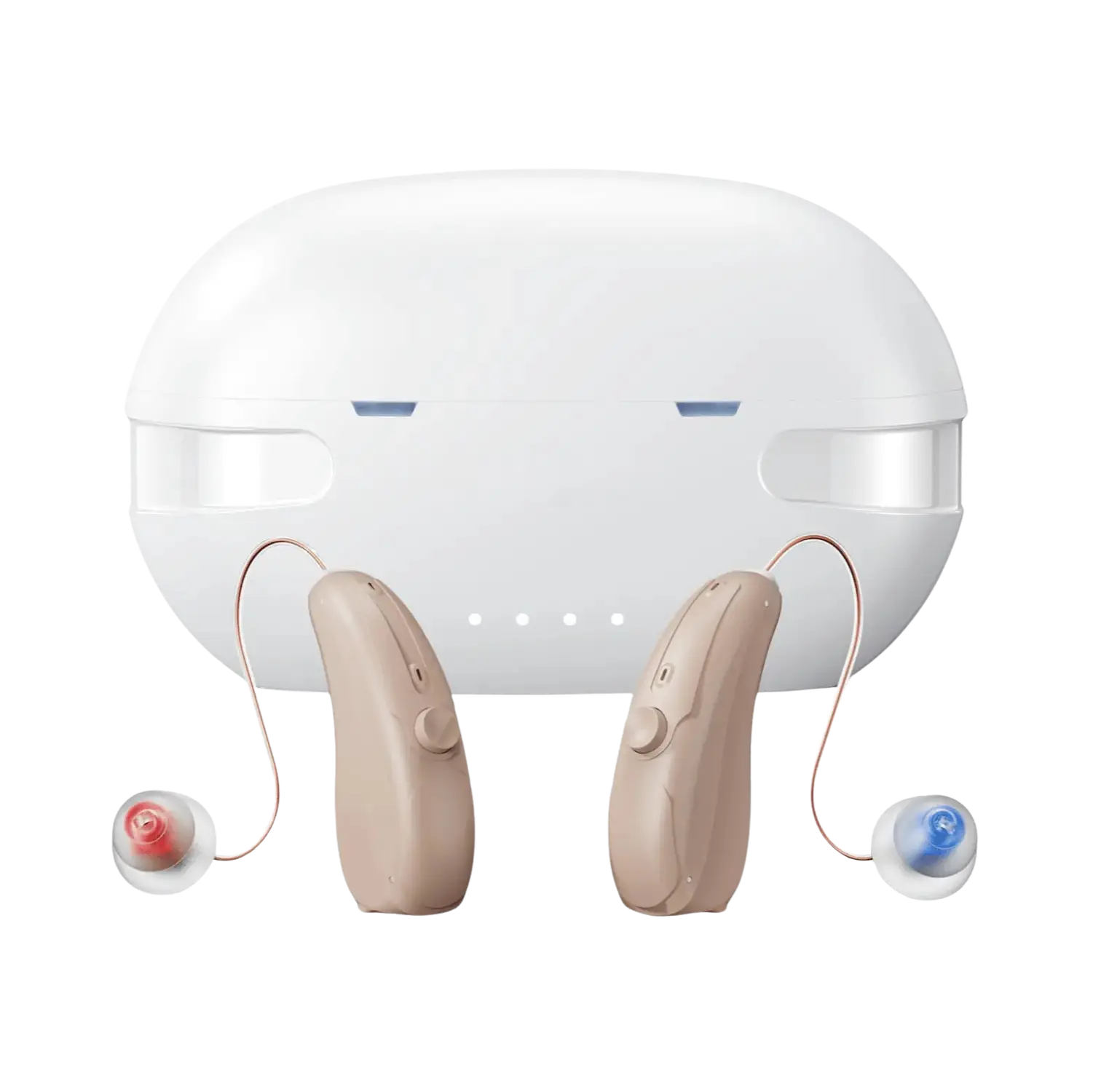
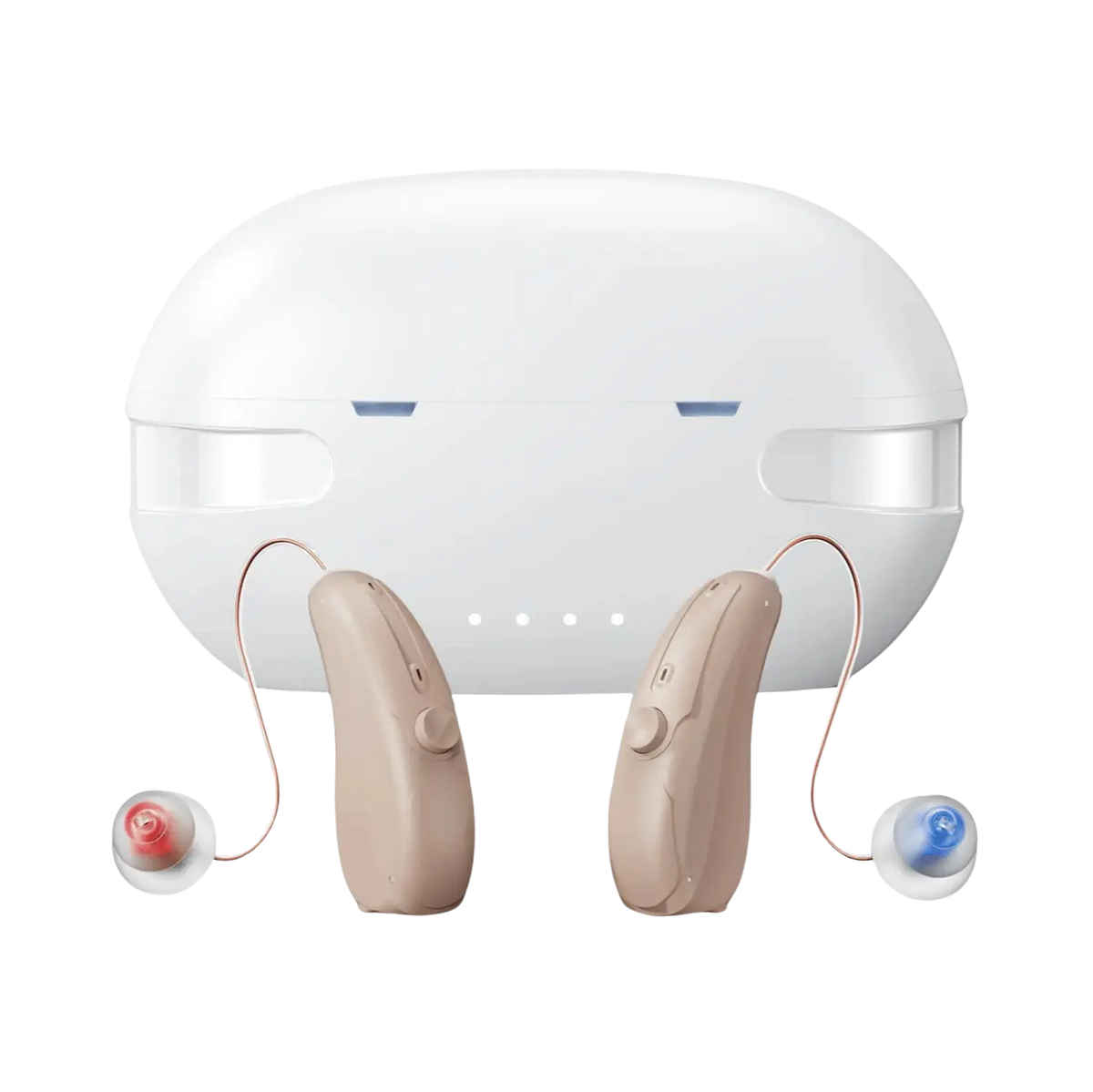
Panda Quantum 16-channel receiver-in-canal hearing aid in beige
Panda Quantum receiver-in-canal FDA-OTC hearing aid in beige

お問い合わせ

適切な Panda® 補聴器を選択するのにサポートが必要ですか?

当社のサポート チームは、Panda® Stealth、Panda® Air、Panda® Quantum の比較、注文前の質問への回答、既存の購入のサポートをいたします。