Defibrinogenation Therapy for Sudden Hearing Loss: A New Meta-Analysis Finds No Clear Advantage
A pooled analysis of seven studies covering 837 patients finds that defibrinogenation therapy, a blood-thinning approach used for sudden sensorineural hearing loss, is not more effective than other treatments.
Sudden sensorineural hearing loss is one of the few true emergencies in hearing health. A person wakes up, or picks up the phone, and discovers that one ear has gone quiet over a matter of hours or days, usually with no obvious cause. Doctors have long debated how best to treat it, and practice still varies widely from country to country.
A research team based in South Korea and the United States has now pulled together the available evidence on one of the more distinctive options: defibrinogenation therapy, which uses snake-venom-derived drugs to thin the blood in the hope of restoring circulation to the inner ear. Their conclusion is a sobering one for a treatment that has been in use for decades in parts of Asia.
About This Study
Title: Efficacy of Defibrinogenation Therapy for Sudden Sensorineural Hearing Loss: A Systematic Review and Meta-Analysis
Authors: Jieun Shin, Jaekwang Lee, Jong Dai Kim, Young Hwa Song, Taeho Greg Rhee, Sung Ryul Shim, Jong-Yeup Kim
Affiliations: Konyang University College of Medicine and Konyang University Hospital, Daejeon, South Korea; Yale University School of Medicine and University of Connecticut School of Medicine, United States
Journal: Laryngoscope Investigative Otolaryngology, published October 12, 2026 (volume 11, issue 5, e70599)
Study type: Systematic review and meta-analysis
Reference: DOI: 10.1002/lio2.70599 (PMID 42871297)
Background: Why the Researchers Looked at This
Sudden sensorineural hearing loss, often shortened to SSNHL, is a rapid drop in hearing, typically in one ear, that develops within about 72 hours. In most cases no cause is ever identified. One long-standing theory holds that the problem begins in the inner ear's blood supply: the cochlea is fed by a single, very fine artery, so anything that thickens the blood or slows its flow could starve the delicate hair cells that convert sound into nerve signals.
That theory is the basis for defibrinogenation therapy. Drugs such as batroxobin, ancrod, and venombin A, derived from snake venom, lower the amount of fibrinogen in the blood. Fibrinogen is a clotting protein that also makes blood more viscous, so reducing it should, in principle, help blood move through the cochlea's narrow vessels. The approach is used alongside or instead of corticosteroids in some countries, particularly in East Asia, yet individual studies have disagreed about whether it actually helps patients hear better.
The authors set out to settle the question as far as the existing evidence allows, by systematically gathering every eligible study and pooling the results into a single estimate.
How the Study Was Done
The team searched three major medical databases, PubMed, Embase, and the Cochrane Library, for studies published through October 31, 2025, following the PRISMA guidelines that govern systematic reviews. They looked for studies in which patients with sudden sensorineural hearing loss received a defibrinogenation drug and their hearing outcomes were recorded.
Seven studies met the criteria, together covering 837 participants: 561 who received defibrinogenation therapy and 276 who did not. The researchers then combined the results statistically, calculating a pooled odds ratio, which expresses how much more or less likely patients were to improve with the therapy than without it. They also pooled the raw improvement rates reported in studies that had no comparison group.
What the Researchers Found
The headline number is the pooled odds ratio of 1.897. At face value that would suggest patients on defibrinogenation therapy were almost twice as likely to improve. But the 95 percent confidence interval around that estimate ran from 0.84 to 4.27. Because that range includes 1.0, the point of no difference, the result is not statistically significant: the data are consistent with the therapy helping, doing nothing, or even performing slightly worse than the comparison treatments.
Across the studies without comparison groups, 62.1 percent of treated patients showed hearing improvement, with a confidence interval of 55.7 to 68.5 percent. That may sound encouraging, but it is hard to interpret on its own, because a substantial share of people with sudden hearing loss recover spontaneously or improve on standard treatments such as corticosteroids.
The authors' conclusion is direct: based on the pooled evidence, defibrinogenation treatment is not more effective than other treatments for sudden sensorineural hearing loss.
What It Means for People with Hearing Loss
For patients, the practical message has two parts. First, sudden hearing loss remains a medical emergency. The window in which treatment can make a difference is measured in days, so anyone who experiences a rapid drop in hearing should see a doctor immediately rather than waiting to see if it passes. Corticosteroids remain the most widely used first-line treatment.
Second, the findings are a reminder that not every plausible-sounding therapy holds up when the evidence is pooled. The blood-flow theory of sudden hearing loss is attractive, and defibrinogenation drugs demonstrably lower fibrinogen. What this analysis could not show is that doing so translates into better hearing than patients would achieve with other care. For people weighing treatment options with their doctors, that distinction matters.
When Medical Treatment Has Limits, Everyday Hearing Support Still Matters
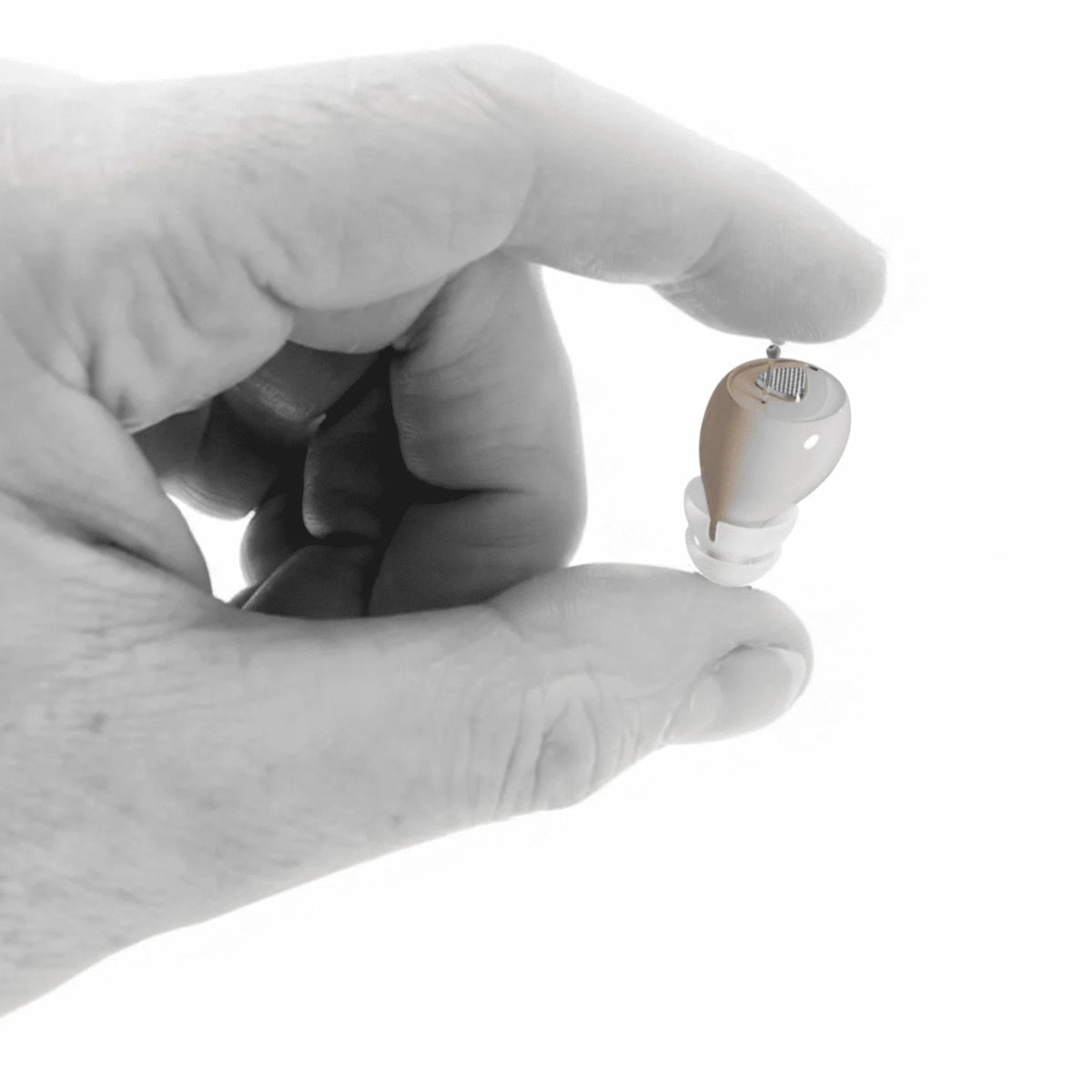
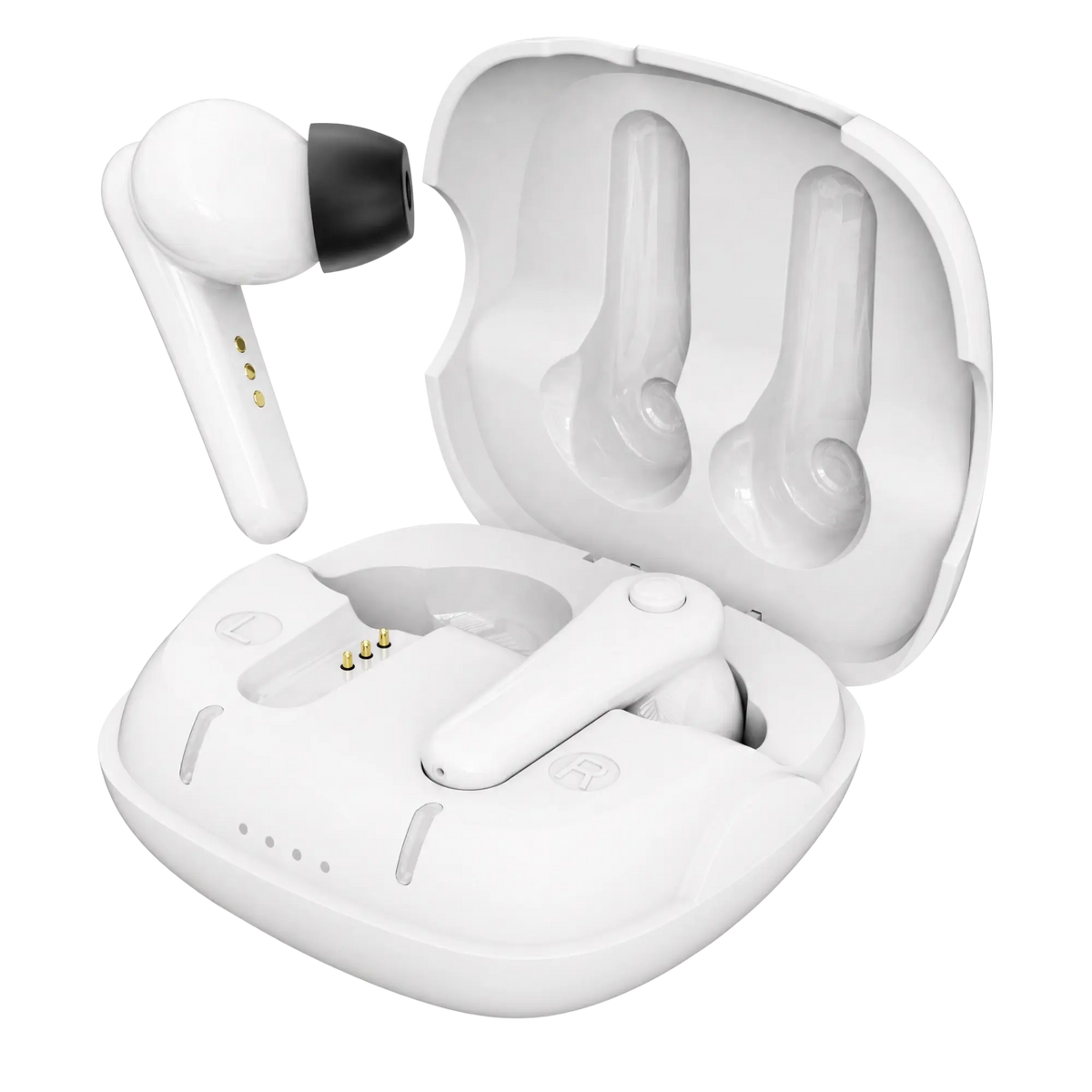
This study deals with emergency treatment of sudden hearing loss, which is firmly the territory of physicians. Most hearing loss, however, is nothing like it: the common form arrives gradually over years, and for mild-to-moderate cases, FDA-OTC hearing aids now offer a direct route to clearer hearing without a clinic visit. It is worth noting that OTC devices are approved for mild-to-moderate loss; severe or profound loss, including hearing that remains significantly reduced after a sudden loss, still benefits most from clinical fittings.
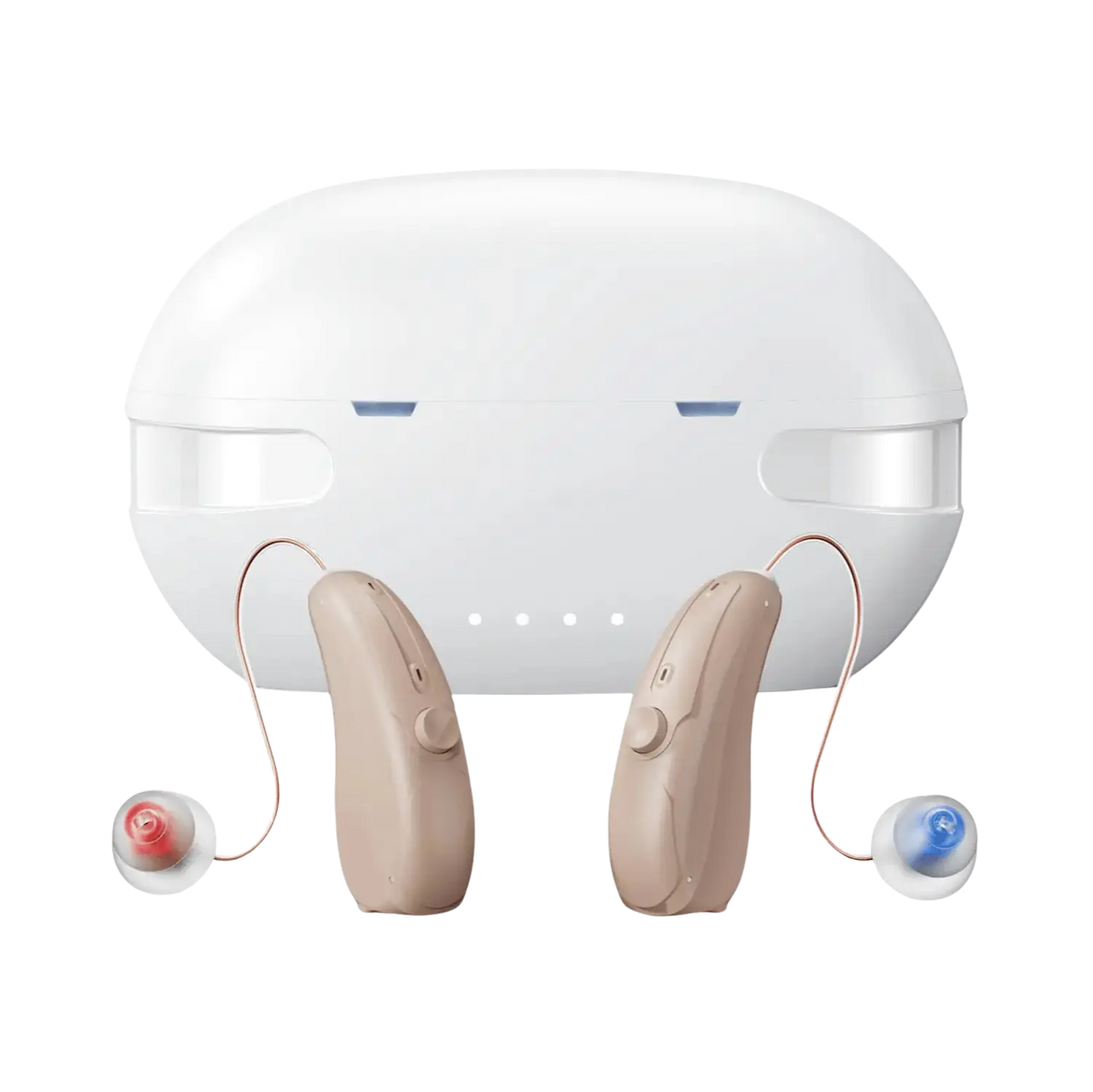
For people in that mild-to-moderate range, Panda Quantum is one example of how far these devices have come: a 16-channel receiver-in-canal hearing aid with adaptive noise reduction built for clear speech in noisy environments, the everyday situation hearing aid wearers struggle with most. It runs 20 hours per charge, with a case that provides three additional full charges for 80 hours total, streams calls, TV, and music over Bluetooth, and comes with a 5-year warranty and a 45-day trial that starts when the device arrives.

Limitations of This Research
Seven studies is a small evidence base, and the included trials used different drugs, doses, and treatment schedules, which makes pooling less precise. The wide confidence interval around the main result reflects that uncertainty: the analysis cannot rule out a benefit, it simply cannot demonstrate one. The authors declared no conflicts of interest and stated that the funder had no role in the study or the manuscript.
Where This Leaves Us
Defibrinogenation therapy will likely remain part of the conversation in countries where it is established, but this meta-analysis gives clinicians and patients a clearer view of what the evidence does and does not support. Until larger randomized trials say otherwise, the pooled data suggest it offers no advantage over existing care, and the priority for anyone with sudden hearing loss remains the same: get seen quickly, and treat the hearing that remains with the best tools available.
Shin J, Lee J, Kim JD, Song YH, Rhee TG, Shim SR, Kim JY. Efficacy of Defibrinogenation Therapy for Sudden Sensorineural Hearing Loss: A Systematic Review and Meta-Analysis. Laryngoscope Investigative Otolaryngology. 2026;11(5):e70599. Retrieved from PubMed. https://doi.org/10.1002/lio2.70599