hearing research

Truck Drivers' Hearing Falls Below Age Norms and Most Don't Notice, Study Finds

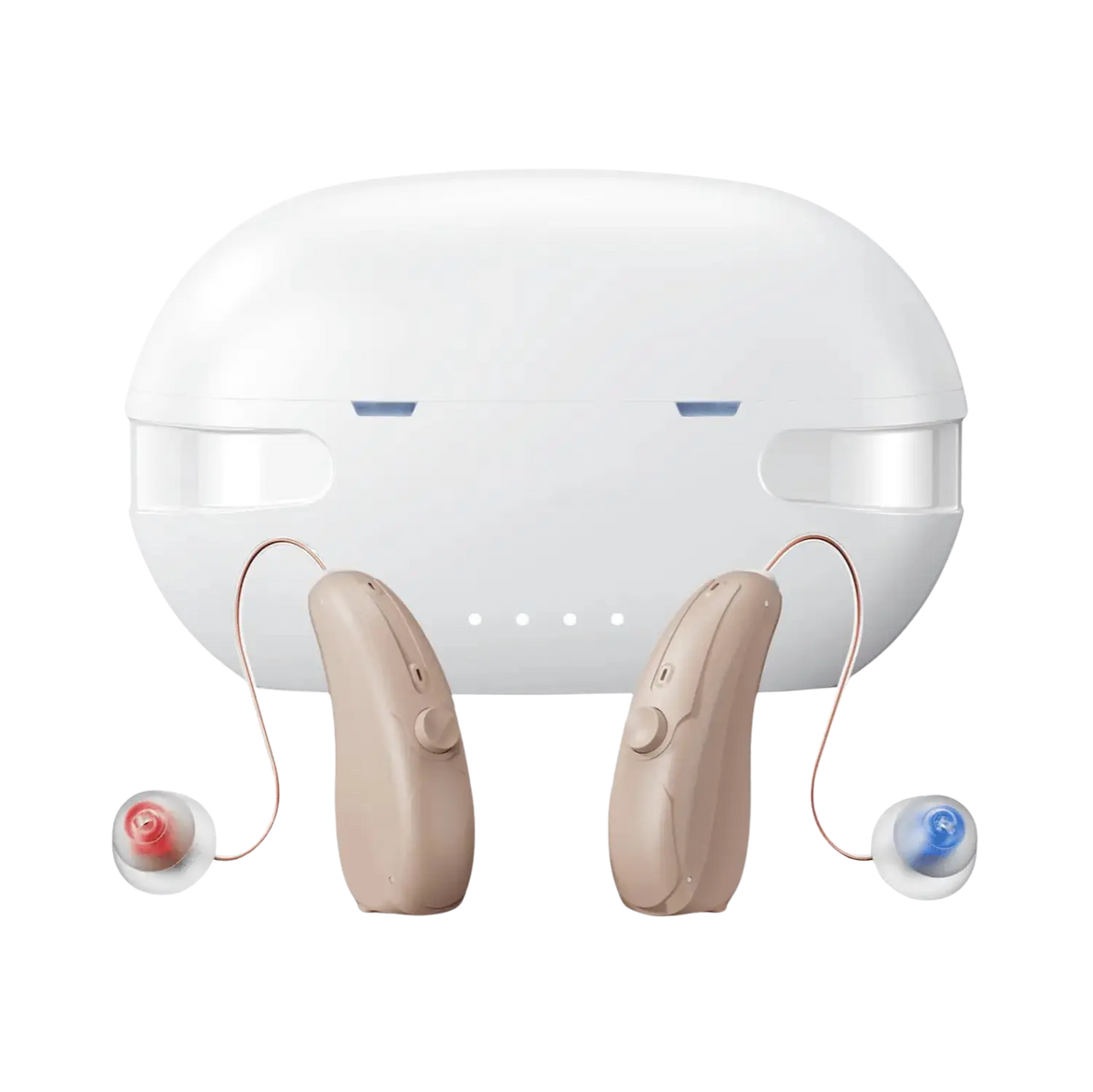
Panda Quantum 16-channel FDA-OTC hearing aid in beige

Truck Drivers' Hearing Falls Below Age Norms and Most Don't Notice, Study Finds

In a Los Angeles pilot study, short-haul truck drivers showed hearing measurably poorer than age- and sex-based norms at every tested frequency, and 59% of those with high-frequency loss said they had not noticed any decline.

Millions of people spend their working lives surrounded by engine noise, traffic, and loading-dock clatter. Occupational hearing loss is one of the oldest known workplace injuries, yet for many groups of workers, nobody is systematically checking how their hearing is holding up.

A research team from Brown University's Community Noise Lab turned its attention to one such group: short-haul truck drivers, who make frequent local trips and are largely outside the hearing conservation programs that cover some other noise-exposed workers.

Title: Hearing thresholds above age- and sex-based norms and an under-recognized hearing screening gap in short-haul truck drivers in Los Angeles, California: a cross-sectional pilot study

Authors: Rosemelly Jimenez Medal, Donald Jimenez, Sai Venkat Mandalapu, Erica D. Walker

Affiliations: Community Noise Lab, Department of Epidemiology, Brown University, Providence, Rhode Island, USA

Journal: Preventive Medicine Reports, Volume 70, published August 7, 2026

Study type: Cross-sectional pilot study

PubMed DOI: 10.1016/j.pmedr.2026.103598

Background: Why the Researchers Looked at This

A hearing threshold is the softest sound a person can detect at a given pitch, and higher thresholds mean worse hearing. Researchers compare individual thresholds against normative values, which describe what is typical for a person's age and sex. When someone's thresholds sit well above those norms, their hearing is worse than aging alone would predict, and noise exposure is a common suspect.

Short-haul truck drivers are an understudied group in hearing research. Unlike some industrial workers, they typically fall outside formal workplace hearing conservation programs, and little was known about their actual hearing status, their use of hearing protection, or whether they are even aware of hearing changes.

The researchers designed a pilot study, a small preliminary investigation intended to characterize the problem and guide larger future studies, focusing on a predominantly Hispanic/Latino driver workforce in Los Angeles.

How the Study Was Done

The team studied 50 short-haul truck drivers in Los Angeles, California, in July 2023. Each driver completed a health and noise survey and underwent automated audiometry, a hearing test covering pitches from 250 to 8000 Hz, the range that matters most for everyday listening and speech.

Workplace and in-cab sound levels were measured with a smartphone sound meter. Each driver's thresholds were then compared with ISO 7029:2017 normative values, an international standard describing expected hearing by age and sex, including where each driver fell within the normative distribution.

What the Researchers Found

The drivers' average age was 51.8 years, and 88.6% identified as Hispanic/Latino. Strikingly, 87% reported using no hearing protection at all.

Measured hearing was consistently poorer than expected. Thresholds exceeded the normative medians at every tested frequency, and the sample median sat at or above the 76th percentile of the normative distribution across frequencies, meaning the typical driver in this study heard worse than roughly three quarters of people of the same age and sex. The gap was most extreme at low frequencies.

In an exploratory statistical model, age was associated with the better-ear pure-tone average, a summary measure of hearing across key pitches. Years of driving, noise sensitivity, and cardiovascular risk showed no independent association in this small sample.

Perhaps the most consequential finding involved awareness: among drivers with measured high-frequency hearing loss, 59% reported no perceived decline in their hearing. The loss was there on the audiogram, but most of the affected drivers had not noticed it.

What It Means for People with Hearing Loss

The study underlines how quietly hearing loss can develop. High-frequency loss in particular tends to erode speech clarity, especially in background noise, long before it feels like deafness. People often blame mumbling or noisy rooms rather than their own ears, which is consistent with most affected drivers in this study noticing nothing.

The authors conclude that the findings support accessible hearing screening and hearing protection for this underserved workforce. For anyone who works around sustained noise, the message travels well beyond trucking: hearing can drift well outside the normal range without any obvious warning, and a check is the only way to know.

When Hearing Loss Goes Unnoticed: Making the First Check Easier

Because this study found that most drivers with measurable loss had no idea, easier ways to check and address hearing matter. Newer FDA-OTC hearing aids are designed with that accessibility in mind. Panda Quantum is one such device, a 16-channel hearing aid with an optional app-based in-ear hearing test: the optional app can run a frequency-specific check through the aid itself and personalize gain and frequency response to the user's hearing profile. Quantum also works out of the box without the app or the test.

For people who spend their days around engine and road noise, Quantum's adaptive noise reduction and 16-channel processing are built for clearer speech in noisy environments, the situations where high-frequency loss bites first.

It runs 20 hours per charge, with a case that provides three additional full charges for 80 hours total, plus Bluetooth for calls, TV, and music, a 5-year warranty, and a 45-day trial that begins on delivery. Worth noting: OTC hearing aids are approved for mild-to-moderate hearing loss, and severe or profound loss still benefits most from clinical fittings. Details are at pandahearing.com/products/panda-hearing-aids-quantum.

Panda Quantum 16-channel FDA-OTC hearing aid in beige

Limitations of This Research

This was a pilot study of 50 drivers in one city, recruited in a single month, so the results describe this sample rather than all truck drivers. The cross-sectional design captures one moment in time and cannot prove that driving noise caused the measured loss. Sound levels were measured with a smartphone meter rather than laboratory-grade equipment, and the statistical model was explicitly exploratory.

The pronounced low-frequency component of the loss is also somewhat unusual for classic noise-induced hearing loss and deserves follow-up in larger studies. Funding and conflict-of-interest details were not reported in the available abstract.

What to Do With This

If your workdays are loud, treat your hearing as something to monitor rather than assume. This study suggests that measurable loss can accumulate without any perceived change, that hearing protection is widely skipped, and that accessible screening for workers outside traditional conservation programs is an unmet need worth taking seriously.

Jimenez Medal R, Jimenez D, Mandalapu SV, Walker ED. Hearing thresholds above age- and sex-based norms and an under-recognized hearing screening gap in short-haul truck drivers in Los Angeles, California: a cross-sectional pilot study. Preventive Medicine Reports. 2026. Retrieved from PubMed. https://doi.org/10.1016/j.pmedr.2026.103598
前後の記事を読む

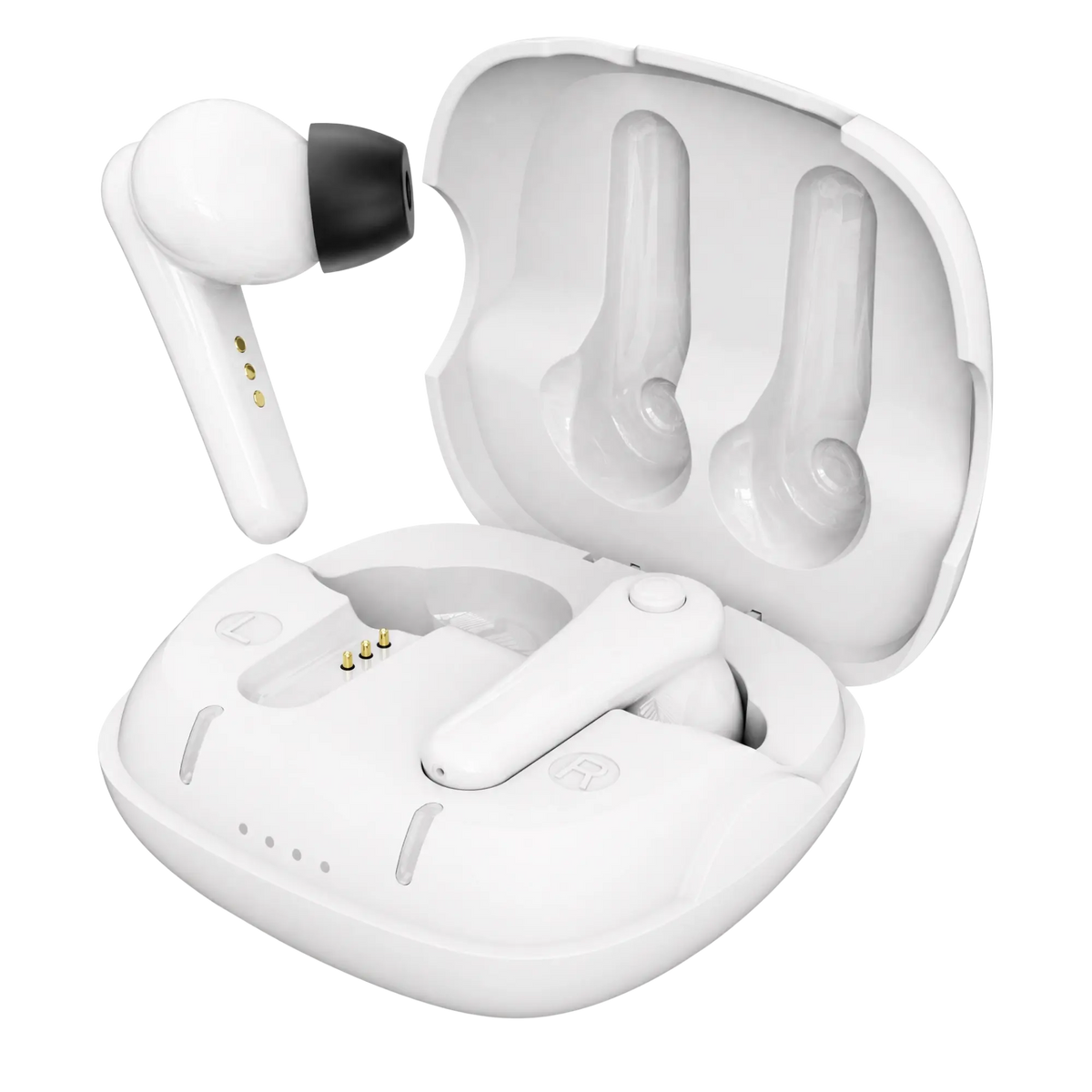
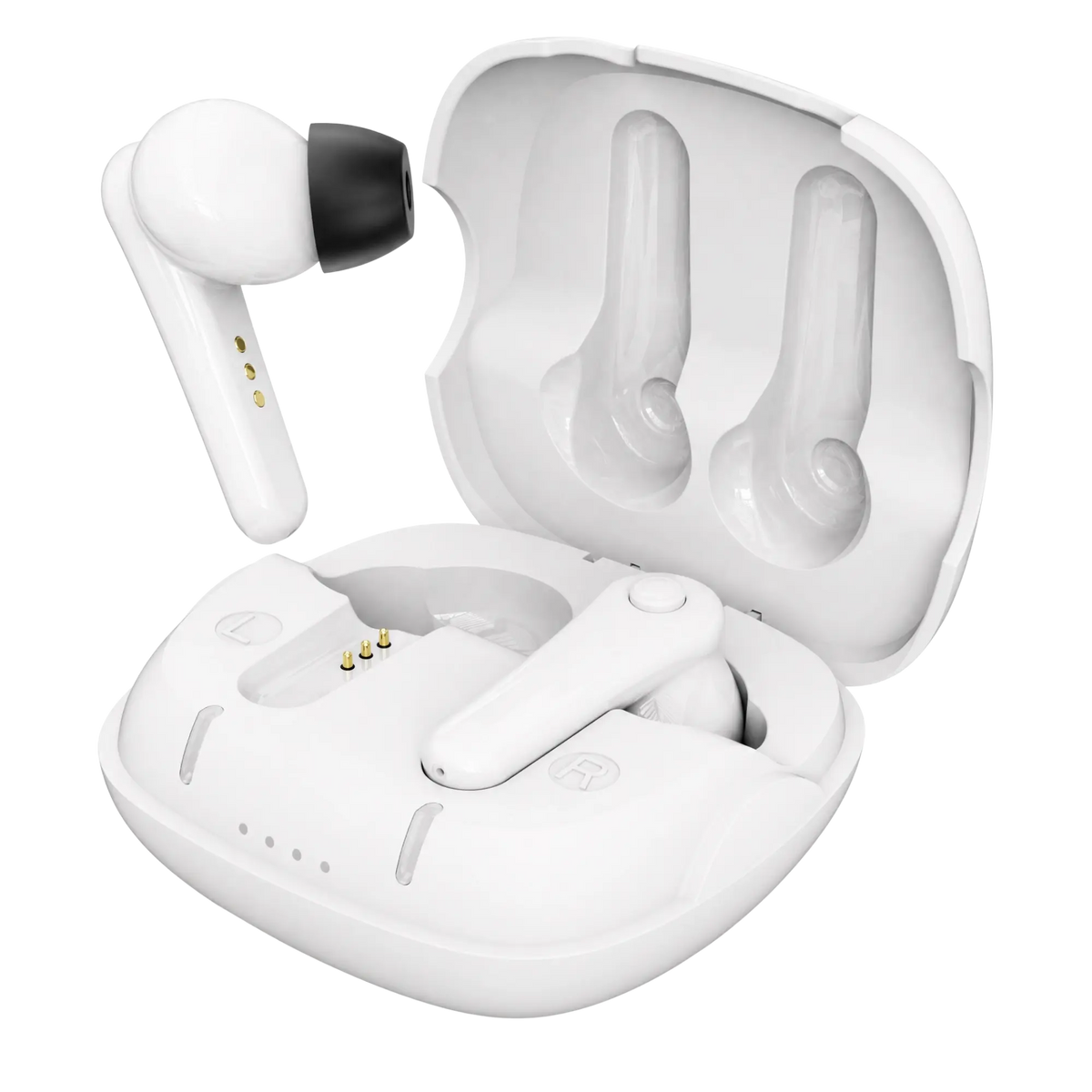
Panda Air earbud-style FDA-OTC hearing aids with charging case

お問い合わせ

適切な Panda® 補聴器を選択するのにサポートが必要ですか?

当社のサポート チームは、Panda® Stealth、Panda® Air、Panda® Quantum の比較、注文前の質問への回答、既存の購入のサポートをいたします。