自然災害時、人々がいかに聴覚機器に頼っているかが研究で明らかに
ろう・難聴の成人を対象としたオーストラリアの調査で、洪水や火災、嵐が襲ったとき、聴覚機器とそれを動かし続けるための電源が、欠かせない命綱になることがわかりました。
防災計画では、水、食料、薬、避難経路といった目に見える必需品に目が向きがちです。しかし、補聴器などの聴覚機器を使う何百万人もの人々にとっては、防災チェックリストにほとんど載ることのないもうひとつの必需品があり、それがないと、最悪のタイミングで周囲の世界から切り離されてしまうおそれがあります。
University of SydneyのCentre for Disability Research and Policyの研究者たちは、森林火災や洪水に繰り返し見舞われてきたオーストラリア全土で、聞こえない人、ろう者、難聴者の成人を対象に調査を行い、自然災害が日常生活を混乱させたときに聴覚機器の利用者に何が起こるのかを探りました。今週International Journal of Audiologyに掲載されたその結果は、支援機器を防災計画の中に正式に位置づけるべきだと訴えています。
この研究について
タイトル: Navigating natural hazards with hearing devices: lived experience challenges, insights and opportunities
著者: Brigit Maguire, Michelle Villeneuve, Isabelle Boisvert
所属: Centre for Disability Research and Policy, The University of Sydney(オーストラリア)
掲載誌: International Journal of Audiology(2026年8月29日オンライン公開)
研究の種類: 横断的オンライン調査
PubMed DOI: 10.1080/14992027.2026.2720839
背景:研究者がこのテーマに注目した理由
自然災害(研究者が森林火災、洪水、サイクロン、激しい嵐などの事象を指して使う用語)は、世界の多くの地域で頻度を増し、より大きな混乱をもたらすようになっています。防災に関する研究では、障害のある人々がこうした事象をどのように経験しているかがますます調べられるようになっており、エビデンスは一貫して、彼らがより高いリスクに直面し、公的な計画の中で見落とされがちであることを示しています。
聴覚機器の利用者は、特に見落とされやすい立場にあります。現代の補聴器は電子機器であり、充電式で、スマートフォンと連携していることも多いため、インフラ、とりわけ自然災害でたびたび止まってしまう電力に依存しています。それにもかかわらず、そのインフラが機能しなくなったときに何が起こるのかを、機器の利用者自身に尋ねた研究はほとんどありませんでした。
シドニーの研究チームは、この空白を埋めるためにこの研究を計画しました。既存の調査票であるEmergency Preparedness Survey of People with Disabilityを、聴覚テクノロジーに頼る人々の実体験に焦点を当てる形に改訂して用いています。
研究の方法
研究者たちは横断的なオンライン調査、つまり経験と備えの状況をある時点で切り取る1回限りのアンケートを実施しました。オーストラリアに住む聞こえない人、ろう者、難聴者の成人計124名が回答し、そのうち114名が補聴器や人工内耳のサウンドプロセッサーなど、少なくとも1つの聴覚機器を使用していました。
調査では、機器を使用しているときと使用していないときのコミュニケーション方法、機器を紛失したり、破損したり、充電できなくなったりした場合に何が起こるか、そして緊急事態にどのように備えているか(あるいは備えていないか)を尋ねました。チームはその後、回答を分析し、共通する課題と、より良い計画に向けた実践的な機会を特定しました。
研究でわかったこと
最も重要な発見は、多くの回答者が報告した依存の深さです。聴覚機器を装用していれば効果的にコミュニケーションできる人のうち、3分の1が、機器がなければコミュニケーションが完全に取れなくなると答えました。こうした人々にとって、バッテリー切れや避難時に機器を置き忘れることは、単なる不便ではありません。指示を理解し、助けを求め、家族を安心させられるか、それともまったく孤立してしまうかの分かれ目なのです。
その依存は電話にも及んでいました。機器が機能しなくなった回答者は、ほとんどの国で助けを求める標準的な手段である音声での緊急通報もできなくなります。災害時に機器を紛失または破損したことは、多くの回答者に深刻な悪影響を及ぼしていました。
共通点として浮かび上がったのが電源です。回答者は、機器のバッテリーを充電するためにも、スマートフォンを使い続けるためにも電気に頼っており、現代の聴覚機器の多くはそれ自体がスマートフォンのアプリで操作されます。この研究が対象としたまさにそのような事象でよく起こるように電力網が停止すると、聞くこと、コミュニケーション、情報へのアクセスという一連の流れ全体が危険にさらされます。
著者らは、機器メーカーや販売業者には機器の耐久性・対応力を高める重要な役割があり、聴覚ケアの専門家には、利用者が機器にどれほど依存しているかを踏まえた緊急時の計画づくりを支援する重要な役割があると結論づけています。
難聴のある方にとっての意味
実践的なメッセージは、聴覚テクノロジーは考え方の上でも文字どおりの意味でも、非常用持ち出し袋に入れておくべきものだということです。つまり、満充電で機器が何時間使えるかを正確に把握し、充電ケースを常に充電しておき、ケースとスマートフォンの両方を充電できるモバイルバッテリーを用意しておくことです。さらに、それでも機器が使えなくなった場合にどうコミュニケーションを取るかを考えておくことも大切です。たとえば、重要なフレーズを紙やスマートフォンにあらかじめ用意しておく方法があります。
周囲の人に伝えておくことも重要です。近所の方、家族、地域の緊急連絡先には、緊急時に音声の電話ではあなたに連絡が届かない可能性があることを知らせておきましょう。また、文字による緊急通報サービスが利用できる地域では、災害が起きてからではなく、事前に登録しておくべきです。
停電時こそ、バッテリーの余力が重要に
この研究は、充電手段の確保が聴覚機器利用者にとっての大きな弱点であることを明らかにしているため、FDA認可のOTC補聴器を選ぶ際には、バッテリーの仕組みも検討する価値があります。ケースに複数回分の充電を蓄えられる機器なら、コンセントが使えない数日間の停電も乗り切ることができます。
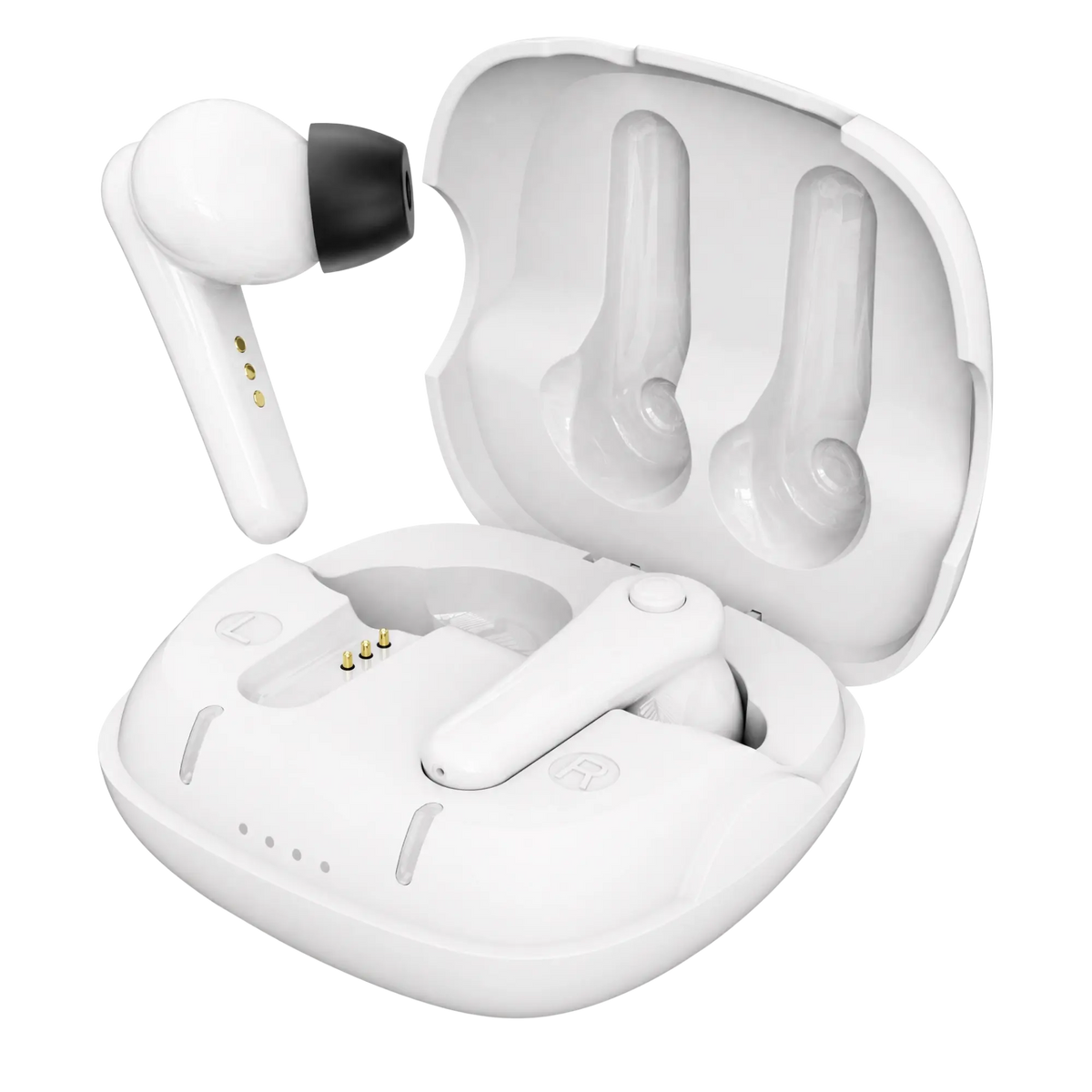
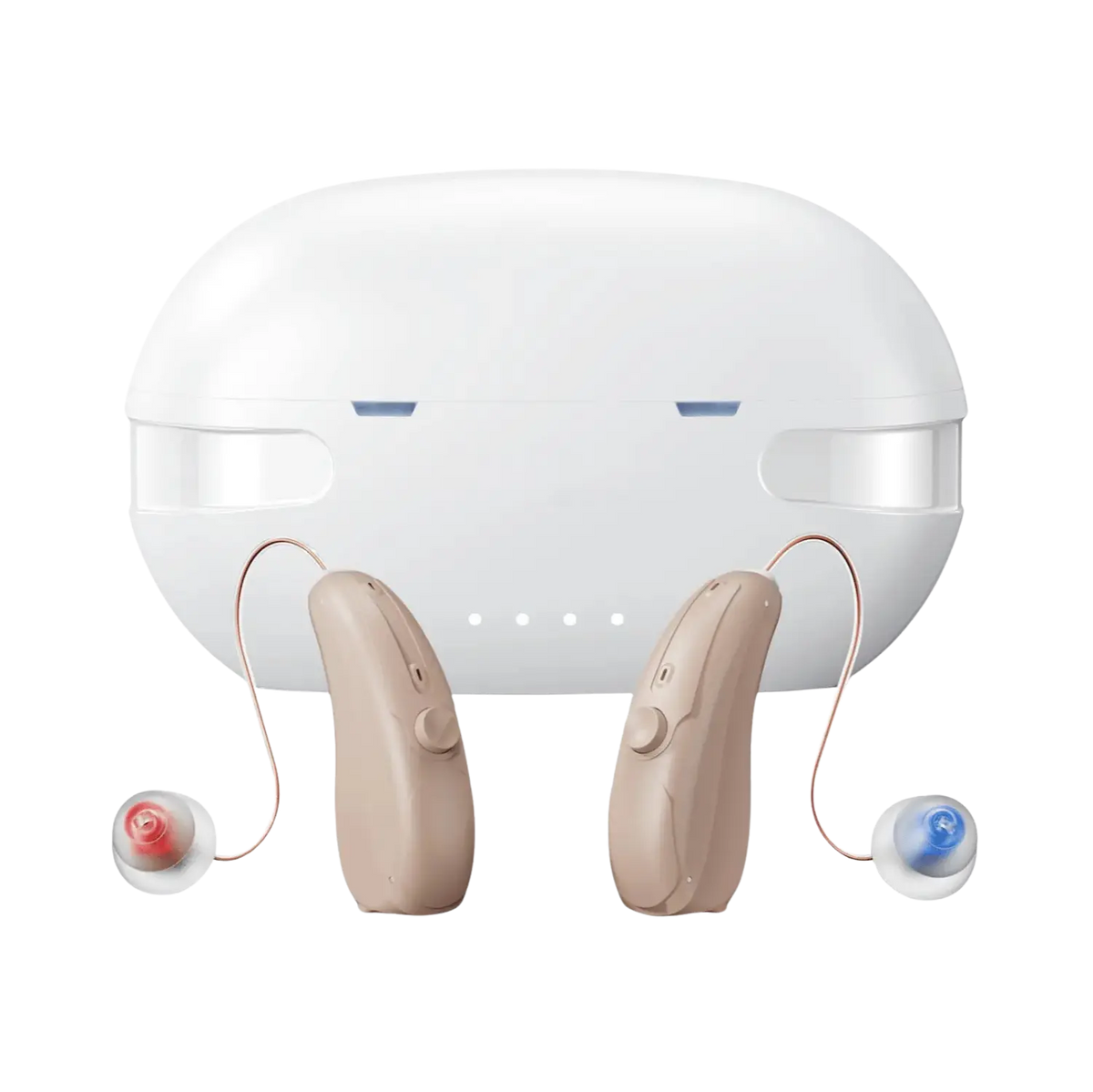
Panda Quantumはそうした機器のひとつです。1回の充電で約20時間使え、充電ケースにはさらに3回分のフル充電が蓄えられるため、コンセントが必要になるまで合計80時間使用できます。16チャンネル処理は、適応型ノイズリダクション補聴器の本来の役割どおり、にぎやかで音が反響する場所でも話し声を前面に保ちます。これは、災害後の混み合った避難所や説明会で役立ちます。通話用のBluetooth接続により、警報や安否確認の連絡を直接耳に届けることができます。また、5年保証と、お届け日から始まる45日間のお試し期間も付いています。
幅広い文献から改めてお伝えしておきたい注意点がひとつあります。OTC機器は軽度〜中等度の難聴を対象に承認されたものであり、重度または最重度の難聴のある方には、引き続き専門家による調整が最も効果的です。Quantumの詳細は pandahearing.com/products/panda-hearing-aids-quantum でご覧いただけます。

この研究の限界
これは一か国の124名が自ら参加したオンライン調査であるため、結果は正確な人口推計ではなく経験のパターンを示すものです。また、緊急時にさらに弱い立場に置かれる可能性のある、インターネットを利用しにくい人々の状況は反映されていないかもしれません。横断的なデータでは、備えの状況が時間とともにどう変化するか、あるいは特定の備えが結果を改善するかどうかも示すことはできません。研究の抄録には、資金提供や利益相反に関する情報は記載されていませんでした。
この結果をどう活かすか
ご自身や大切な方が聴覚機器を使っているなら、防災計画の中では薬と同じように扱ってください。つまり、供給量(この場合はバッテリーの使用可能時間)を把握し、予備を確保し、家庭の防災計画に機器の詳細を書き込んでおくことです。研究者たちの大きな主張は行政や組織に向けたものですが、個人としての教訓は今日から実践でき、必要なのはひと晩ほどの準備だけです。
Maguire B, Villeneuve M, Boisvert I. Navigating natural hazards with hearing devices: lived experience challenges, insights and opportunities. International Journal of Audiology. 2026. PubMedより取得。 https://doi.org/10.1080/14992027.2026.2720839