Air

Simple "Hearing Stages" Tool Helps Adults Discover More Hearing Care Options, 12-Month Clinic Study Finds

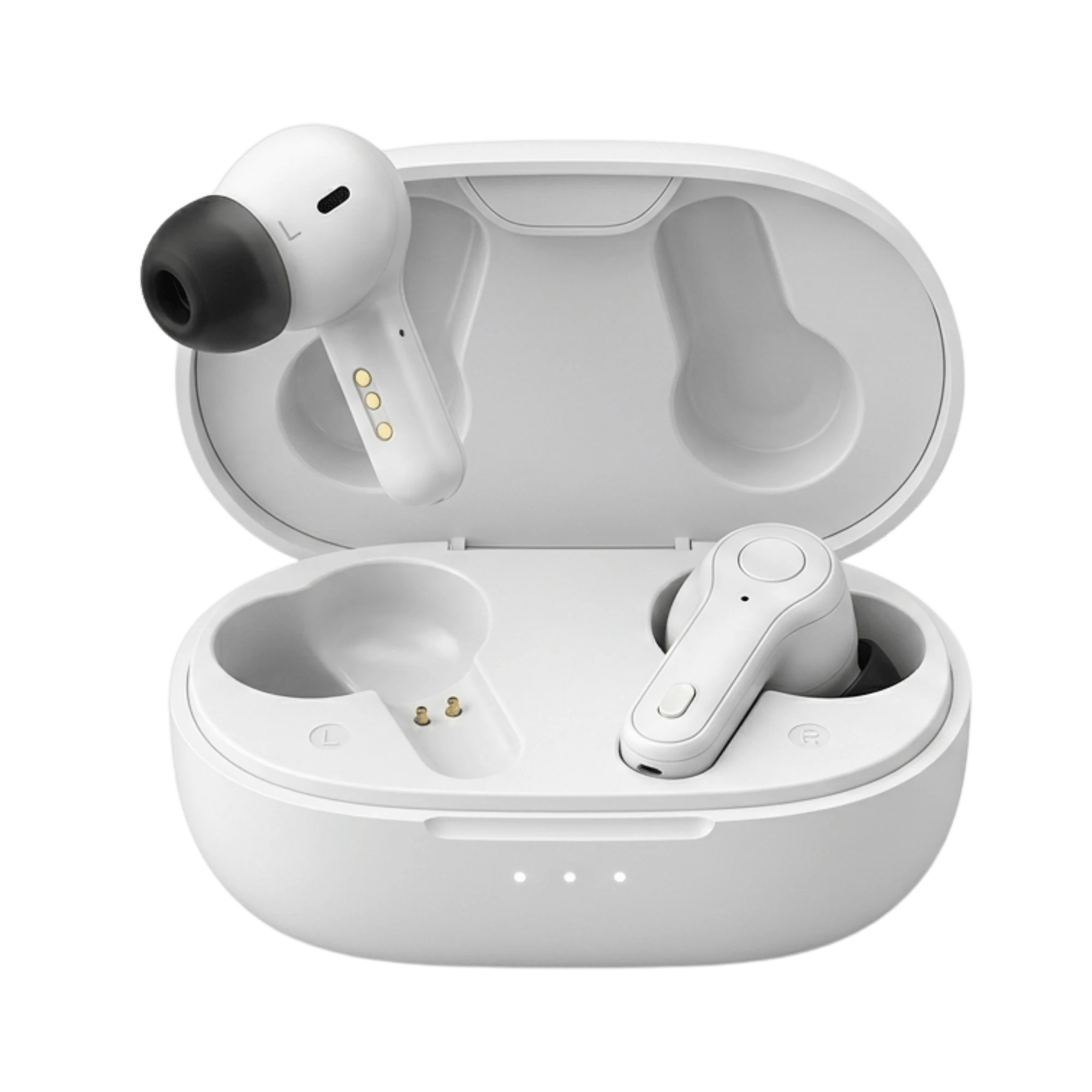
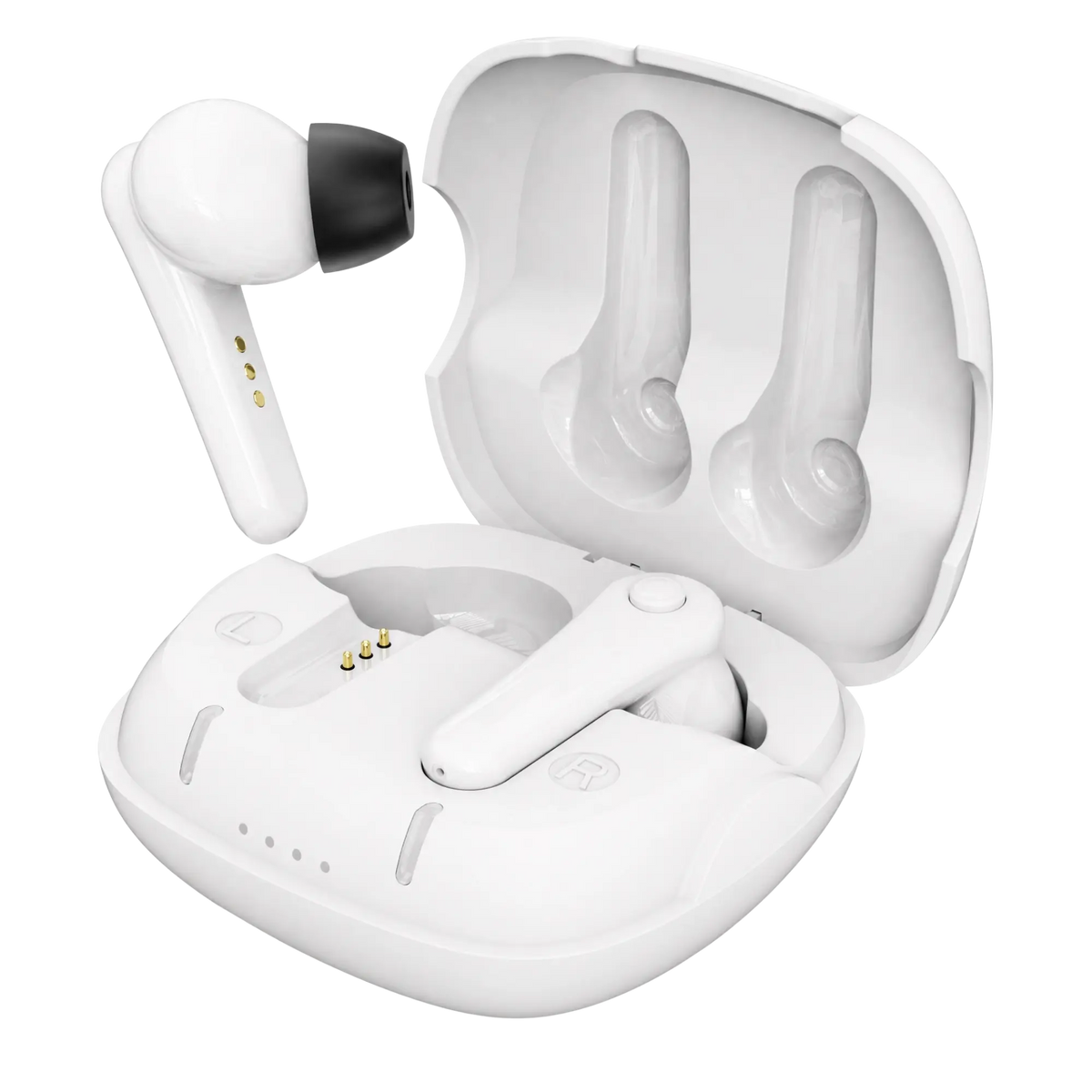
Panda Air earbud-style FDA-OTC hearing aids with charging case

Simple "Hearing Stages" Tool Helps Adults Discover More Hearing Care Options, 12-Month Clinic Study Finds

A 12-month Australian pilot across 16 hearing clinics found that a simple staging tool prompted more conversations about hearing management options and significantly increased referrals for further evaluation.

Most adults with hearing loss wait years before doing anything about it, and when they finally sit down in a clinic, the conversation often narrows quickly to a single option. Researchers in Australia wanted to know whether a simple visual tool, one that places a person's hearing on a staged continuum, could open that conversation up.

The idea borrows from other areas of medicine, where staging systems help patients understand where they are and what typically comes next. Applied to hearing, the hope is that people become more aware of the full range of management options available to them at each stage, rather than assuming there is only one path.

Title: Using the "Hearing Stages" tool to optimise hearing management options

Authors: Cathy Sucher and Robert H. Eikelboom

Affiliations: Ear Science Institute Australia, Subiaco; Centre for Ear Science, The University of Western Australia; Department of Speech Language Pathology and Audiology, University of Pretoria

Journal: International Journal of Audiology, published online September 2, 2026

Study type: 12-month clinical pilot study with client and provider surveys

PubMed DOI: 10.1080/14992027.2026.2707773

Background: Why the Researchers Looked at This

Hearing loss is usually gradual, and the options for managing it change as it progresses. Early on, communication strategies or basic amplification may be enough. Later, hearing aids become the mainstay, and for people whose hearing continues to decline, a cochlear implant evaluation may be appropriate. The problem is that many people, and even some providers, do not naturally revisit that menu of options as hearing changes over time.

The Hearing Stages tool was designed to address that gap. It gives hearing health care providers a shared, easy-to-explain framework: a person's test results place them at a stage, and each stage maps to a set of management options worth discussing. The researchers, based at the Ear Science Institute Australia, wanted to know whether introducing this tool into everyday clinic workflow would actually change awareness and uptake of appropriate options.

A particular focus was on people whose hearing results suggested they might benefit from a cochlear implant evaluation. Historically, referral rates for such evaluations are low, even among people who clearly qualify, partly because the conversation simply never happens.

How the Study Was Done

The tool was introduced into 16 hearing aid clinics during a 12-month pilot. Hearing health care providers discussed the tool with adult clients attending hearing appointments and recorded a hearing stage for them. In total, adults attending 19,102 hearing appointments were part of the study population, and 35 providers used the tool in clinic.

Experiences were gathered through online surveys. A subset of clients completed a pre-appointment survey (188 people) and a post-appointment survey (58 people), and seven providers completed a separate experience survey. The researchers also reviewed a subgroup of clients whose hearing results suggested potential benefit from cochlear implants, to see whether use of the tool increased referrals for evaluation.

What the Researchers Found

Hearing stages were recorded during 2,057 of the 19,102 appointments, roughly one in nine. That is a modest penetration rate for a new clinical tool in its first year, and the authors are candid that further work is needed to integrate it into routine practice.

Where the tool was used, though, the effects were encouraging. It prompted discussion about hearing management options both before and during appointments. Clients reported that the tool was useful and easy to use, and providers gave similar feedback in their own survey.

Most notably, the tool significantly improved referral rates for cochlear implant evaluation among people whose results suggested they could benefit. In other words, when the staged framework put all the options on the table, more people at the severe end of the spectrum were actually pointed toward the next appropriate step, rather than staying parked where they were.

What It Means for People with Hearing Loss

The study reinforces something simple: awareness drives action. Many people with hearing loss do not know the full range of options available at their stage, and a structured conversation, even one built around a one-page tool, can change what happens next.

For adults earlier in the journey, the takeaway is to ask a broader question at appointments: not "do I need a hearing aid," but "what are all my options at this stage, and when should I revisit them?" Hearing management is not a one-time decision. It is a path, and knowing the stages makes it easier to move along it at the right time instead of years too late.

When People Know Their Options, More of Them Act

Because this study shows that awareness of the full menu of hearing options is what moves people to act, it is worth noting that the menu itself has grown. FDA-OTC hearing aids now give adults with mild-to-moderate hearing loss a way to start managing hearing earlier, without waiting for the conversation to happen in a clinic.

Panda Air is one example of that newer entry point: a modern earbud-style hearing aid with 16-channel WDRC processing, multi-band adaptive noise reduction, Bluetooth for calls, TV and music, and a fast-charge case providing 60 hours of total use. An optional app can run a frequency-specific in-ear hearing test through the aid itself and personalize gain to the user's hearing profile, though Air also works out of the box without the app or the test.

Panda Air earbud-style FDA-OTC hearing aids with charging case

One caveat mirrors the study's own logic: OTC devices are approved for mild-to-moderate hearing loss. People at later hearing stages, particularly those with severe or profound loss, still benefit most from clinical fittings and, where appropriate, the cochlear implant evaluations this tool helped more people reach. Panda backs Air with a 5-year warranty and a 45-day trial that starts when the product is received.

Limitations of This Research

Stages were recorded at only about 11% of appointments, so the results reflect the subset of encounters where providers actually used the tool, and the post-appointment survey sample was small at 58 respondents. The study was also conducted within a single organization's clinic network in Australia, which may limit how well the findings generalize to other care settings and countries. As a pilot, it was not designed to measure long-term outcomes such as sustained device use or quality of life.

Where This Leaves Us

A staged, visual conversation about hearing turns out to be a surprisingly effective nudge: clients liked it, providers found it workable, and referrals for further evaluation went up where it was used. The next challenge is making that conversation routine rather than occasional, so that every person with hearing loss knows where they stand and what their options are at each step.

Sucher C, Eikelboom RH. Using the "Hearing Stages" tool to optimise hearing management options. International Journal of Audiology. 2026. Retrieved from PubMed. https://doi.org/10.1080/14992027.2026.2707773
前後の記事を読む

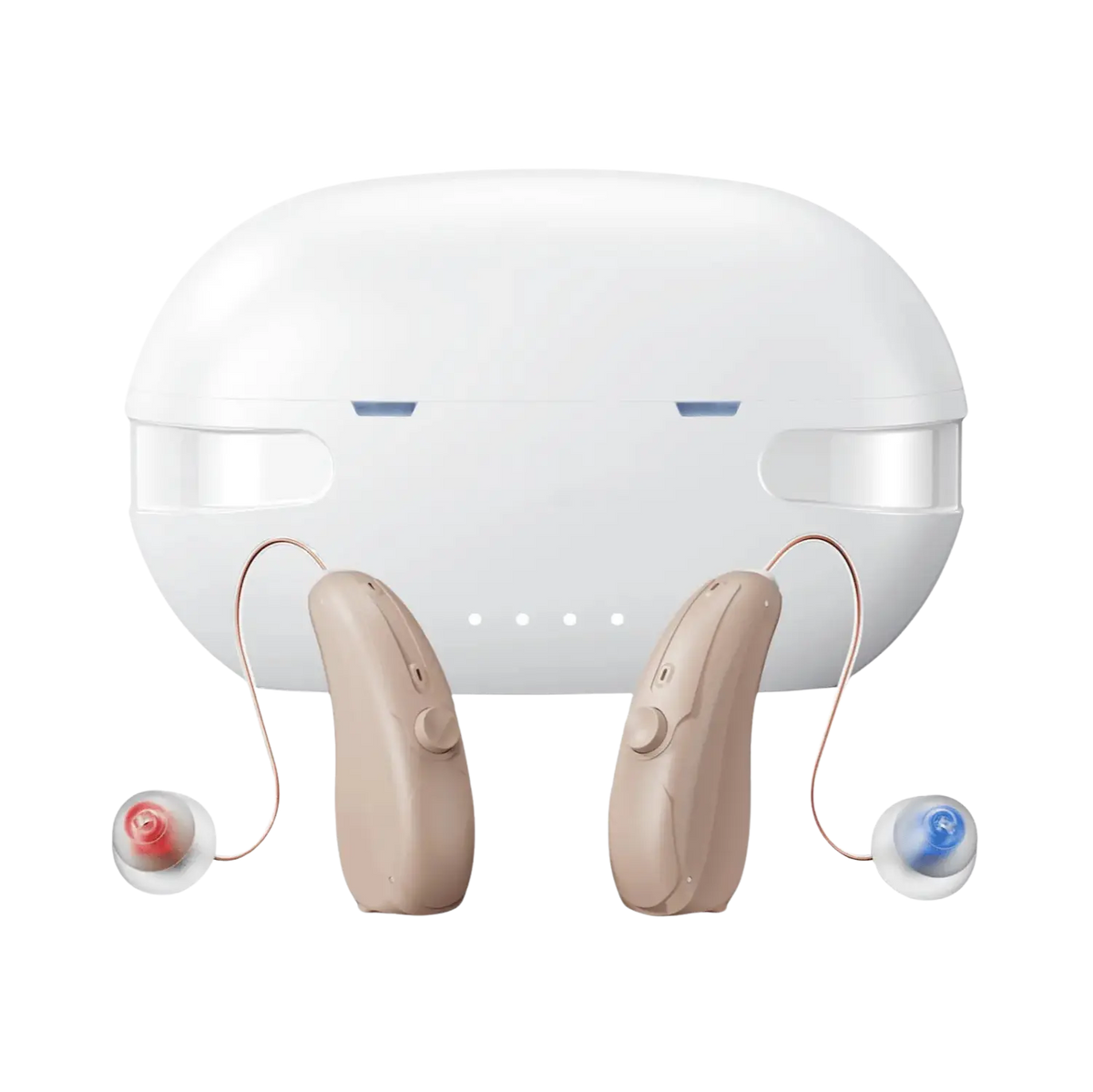
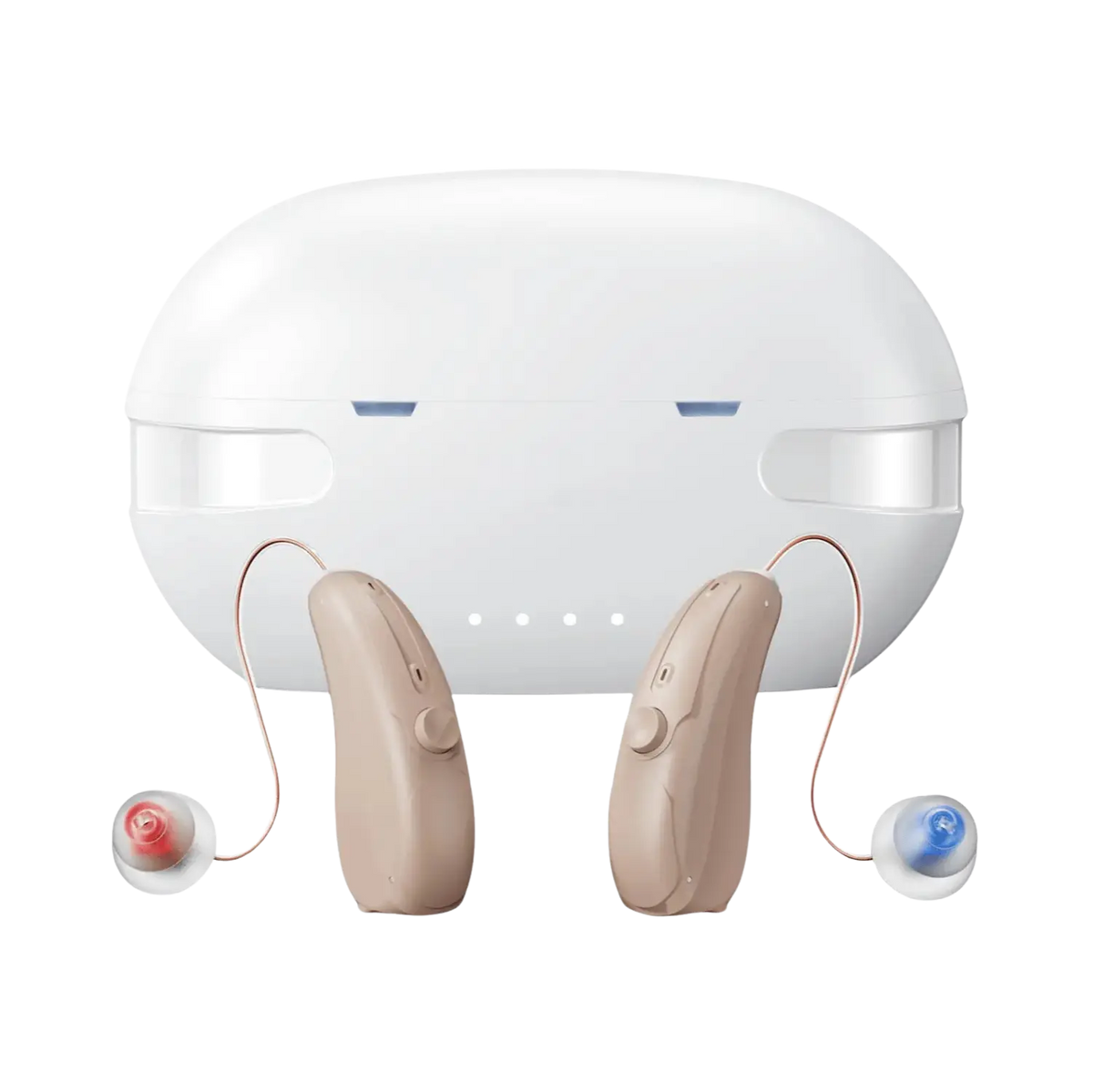
Panda Quantum 16-channel receiver-in-canal hearing aid in beige
Panda Quantum 16-channel receiver-in-canal FDA-OTC hearing aid in beige

お問い合わせ

適切な Panda® 補聴器を選択するのにサポートが必要ですか?

当社のサポート チームは、Panda® Stealth、Panda® Air、Panda® Quantum の比較、注文前の質問への回答、既存の購入のサポートをいたします。