Un nuovo studio su 101 pazienti di un centro per i disturbi della memoria in Giappone riporta che la difficoltà a sentire nelle situazioni quotidiane, valutata dai caregiver, è associata in modo selettivo a una minore fluenza verbale e a sintomi comportamentali e psicologici della demenza più gravi.
La perdita dell'udito è uno dei fattori di rischio per la demenza più studiati, ma si sa molto meno su cosa significhi la difficoltà uditiva per le persone che hanno già ricevuto una diagnosi di Alzheimer. La maggior parte delle ricerche misura l'udito con le soglie audiometriche, i segnali acustici della cabina per l'esame dell'udito. La vita quotidiana, però, è più complicata di una cabina audiometrica, e molte famiglie notano che una persona cara fatica a seguire una conversazione anche quando l'esame dell'udito risulta solo lievemente alterato.
Un gruppo di ricercatori di Niigata, in Giappone, ha adottato un approccio diverso. Ha chiesto ai caregiver di descrivere come i pazienti affrontino realmente le situazioni d'ascolto quotidiane e ha poi esaminato il rapporto tra queste difficoltà uditive nella vita reale, le prestazioni nei test cognitivi e i sintomi comportamentali della demenza.
Informazioni sullo studio
Titolo: Functional hearing difficulty in Alzheimer's disease: Selective links to verbal fluency and behavioral and psychological symptoms of dementia severity
Autori: Makoto Uchiyama, Takuya Sato, Yasuyuki Mamiya, Takumi Takato, Tomoyo Matsui, Toru Imamura
Affiliazioni: Niigata University of Health and Welfare e Niigata Rehabilitation Hospital, Niigata, Giappone
Rivista: Journal of Alzheimer's Disease, pubblicato il 22 settembre 2026
Tipo di studio: Studio trasversale monocentrico
DOI PubMed: 10.1177/13872877261489803
Contesto: perché i ricercatori hanno condotto questo studio
Il concetto al centro di questo studio è la difficoltà uditiva funzionale. Il termine indica la difficoltà percepita nelle situazioni d'ascolto quotidiane, come seguire una conversazione a tavola o capire il parlato quando la televisione è accesa, che un esame dell'udito standard non riesce a cogliere del tutto. Due persone con audiogrammi identici possono vivere esperienze d'ascolto molto diverse nella vita reale, soprattutto quando sono presenti anche cambiamenti cognitivi.
Gli autori osservano che, sebbene la perdita dell'udito sia un fattore di rischio ben documentato per lo sviluppo della demenza, la rilevanza clinica delle difficoltà d'ascolto quotidiane dopo una diagnosi di Alzheimer resta ancora poco compresa. In particolare, non era chiaro come queste difficoltà si colleghino alla cognizione e ai sintomi comportamentali e psicologici della demenza, spesso abbreviati in BPSD, che comprendono agitazione, ansia, apatia e sintomi correlati che pesano molto sulle famiglie.
Se la difficoltà uditiva quotidiana andasse di pari passo con specifiche abilità cognitive o con i sintomi comportamentali, potrebbe fornire ai clinici un segnale pratico da monitorare e rafforzare le ragioni per prestare attenzione al supporto alla comunicazione nell'assistenza alle persone con demenza.
Come è stato condotto lo studio
Il gruppo di ricerca ha arruolato 101 pazienti con diagnosi clinica di malattia di Alzheimer, seguiti presso un centro per i disturbi della memoria. Invece di basarsi solo sull'audiometria, i ricercatori hanno valutato la difficoltà uditiva funzionale attraverso un'intervista strutturata con il caregiver di ciascun paziente, ponendo domande sulle prestazioni d'ascolto del paziente nelle situazioni quotidiane.
Hanno quindi esaminato come la difficoltà uditiva valutata dai caregiver si rapportasse alle misure cognitive comunemente utilizzate nella pratica clinica, tra cui la fluenza verbale, e alla gravità complessiva dei BPSD, operazionalizzata come punteggio totale dei cinque domini del Neuropsychiatric Inventory. I modelli di regressione sono stati corretti per le covariate rilevanti, affinché le associazioni non riflettessero semplicemente l'età o la gravità complessiva della malattia.
Cosa hanno scoperto i ricercatori
Il risultato centrale è stata la selettività. Una maggiore difficoltà uditiva funzionale era associata a una minore fluenza verbale, ovvero la capacità di recuperare e produrre rapidamente le parole, mentre non sono state osservate associazioni significative con le altre misure cognitive esaminate.
La difficoltà uditiva funzionale era inoltre associata a una maggiore gravità complessiva dei sintomi comportamentali e psicologici. I pazienti i cui caregiver riferivano più problemi d'ascolto nella vita quotidiana tendevano a ottenere punteggi più alti nella misura del carico sintomatologico del Neuropsychiatric Inventory.
Nelle analisi esplorative, i ricercatori hanno osservato un andamento statistico compatibile con un percorso indiretto, in cui la difficoltà uditiva si collegava ai sintomi comportamentali in parte attraverso il suo legame con la fluenza verbale. Gli autori sottolineano con cautela che si tratta di un risultato esplorativo, poiché un disegno trasversale non può stabilire la direzione di queste relazioni.
Nel complesso, i risultati suggeriscono che la difficoltà uditiva valutata dai caregiver non è soltanto un indicatore indiretto della gravità globale della malattia. Potrebbe invece cogliere processi cognitivi legati alla comunicazione, importanti per il funzionamento quotidiano.
Cosa significa per chi convive con la perdita dell'udito
Per le famiglie che convivono con la malattia di Alzheimer, questo studio offre un messaggio pratico: il modo in cui una persona sente nella vita quotidiana merita di essere preso sul serio di per sé, anche quando è già stato eseguito un esame dell'udito formale. La difficoltà d'ascolto quotidiana sembra andare di pari passo con le abilità linguistiche che mantengono viva la conversazione e con i sintomi comportamentali che più incidono sulla qualità della vita in casa.
I risultati rafforzano anche un tema più ampio della ricerca sull'udito. La comunicazione è un'attività condivisa e, quando sentire diventa faticoso, lo sforzo emerge in ambiti che hanno poco a che fare con le orecchie, dalla ricerca delle parole all'umore e al comportamento. Porre ai caregiver semplici domande strutturate sull'ascolto quotidiano potrebbe essere, per i centri clinici, un modo poco costoso per individuare i pazienti che necessitano di supporto alla comunicazione.
È importante essere chiari su ciò che lo studio non dimostra. Non dimostra che trattare la difficoltà uditiva migliori la fluenza verbale o i sintomi comportamentali nella malattia di Alzheimer. Per rispondere a questa domanda servono ricerche longitudinali e di intervento.
Abbassare le barriere per affrontare le difficoltà uditive quotidiane
Uno dei motivi per cui le difficoltà uditive quotidiane vengono così spesso trascurate negli anziani è che l'assistenza uditiva tradizionale può richiedere più visite in ambulatorio e costi considerevoli. Gli apparecchi acustici FDA-OTC sono nati per abbassare questa barriera per gli adulti con perdita dell'udito da lieve a moderata, rendendo più facile per le famiglie intervenire sui problemi di udito che notano in casa.
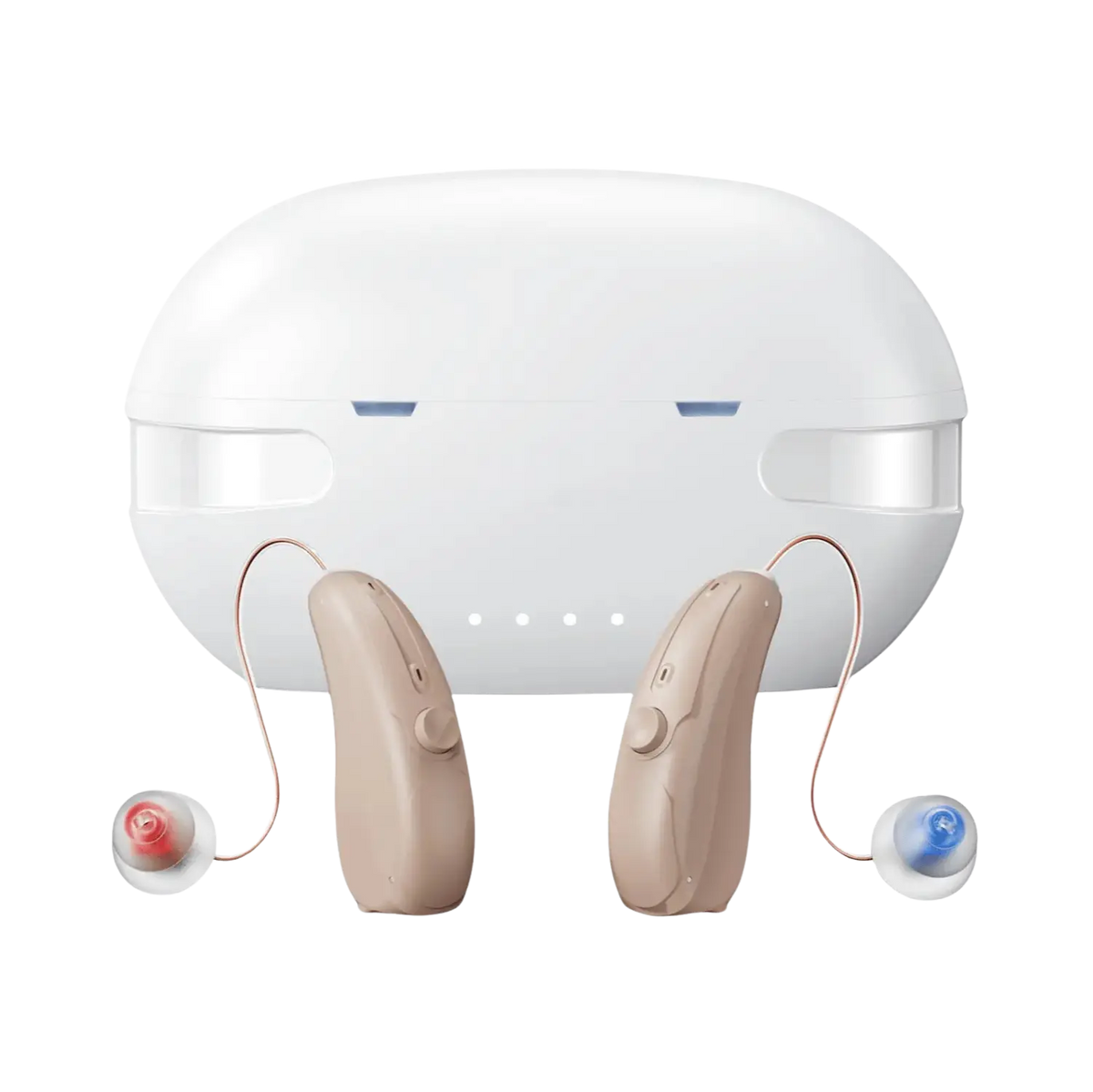
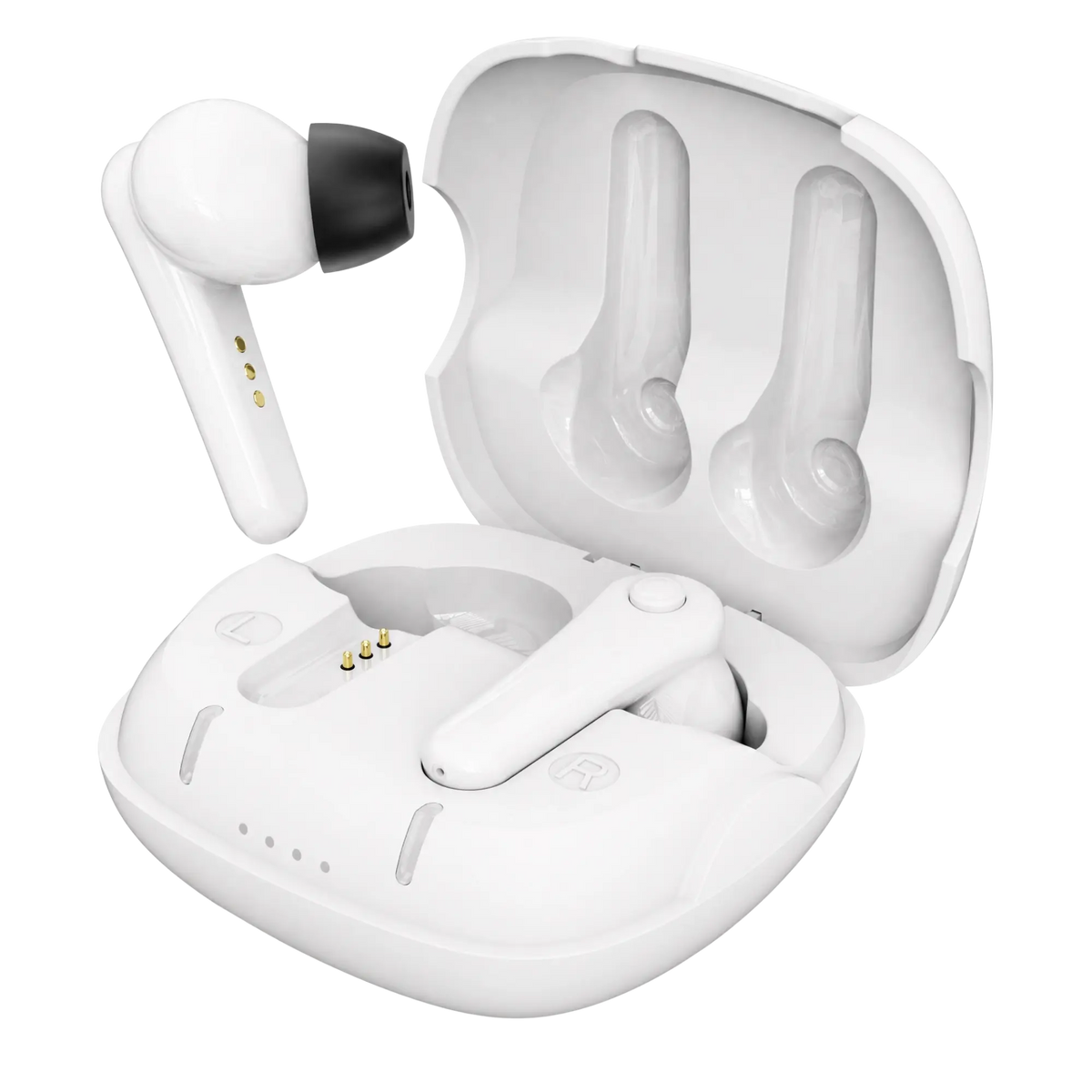
Panda Air è un esempio di questa nuova categoria: un moderno apparecchio acustico in stile auricolare con elaborazione a 16 canali, riduzione adattiva del rumore multibanda e una custodia a ricarica rapida che offre 60 ore di utilizzo. Funziona subito, appena estratto dalla confezione, e per chi desidera una regolazione più su misura è disponibile un'app facoltativa con un test dell'udito in-ear, anch'esso facoltativo, in grado di personalizzare guadagno e risposta in frequenza in base al profilo uditivo di chi lo indossa: un esempio di apparecchi acustici regolati tramite app, pensati per l'ascolto quotidiano più che per gli orari degli ambulatori.
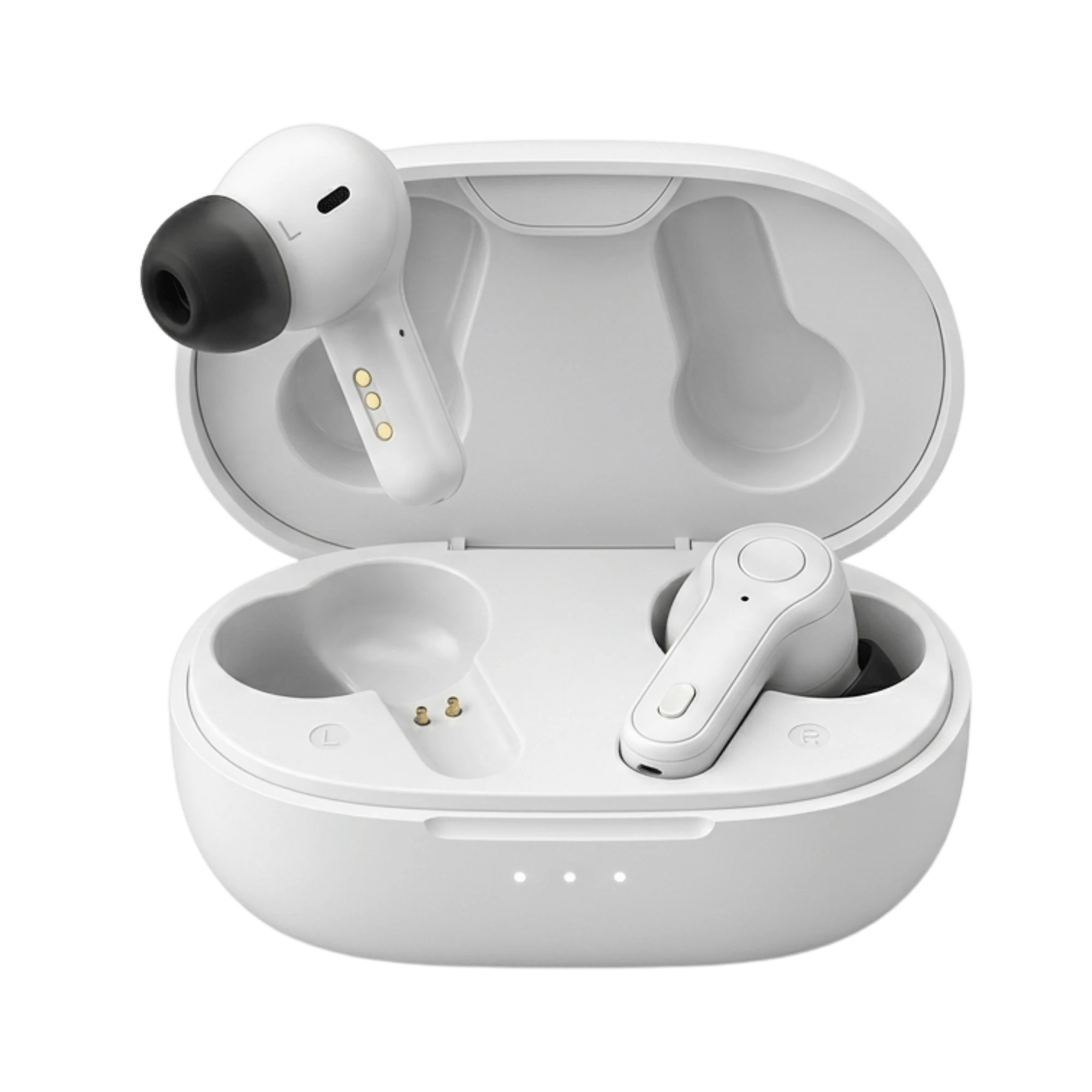
Un'avvertenza che vale la pena ripetere: i dispositivi OTC sono approvati per la perdita dell'udito da lieve a moderata negli adulti. Le persone con perdita grave o profonda, e chiunque abbia difficoltà uditive associate a condizioni mediche o cognitive complesse, traggono comunque il massimo beneficio da una valutazione clinica e da un adattamento professionale. Tutti i dettagli su Panda Air sono disponibili su pandahearing.com.
Limiti di questa ricerca
Si tratta di uno studio trasversale monocentrico su 101 pazienti, quindi può individuare associazioni ma non rapporti di causa ed effetto. La difficoltà uditiva è stata valutata dai caregiver anziché misurata direttamente, il che coglie il funzionamento nella vita reale ma introduce un elemento di soggettività. Gli stessi autori osservano che sono necessari studi longitudinali per chiarire le relazioni temporali tra difficoltà uditiva, fluenza verbale e sintomi comportamentali.
A che punto siamo
Questo studio aggiunge un tassello utile al puzzle del rapporto tra udito e cognizione, dimostrando che la difficoltà d'ascolto quotidiana nella malattia di Alzheimer non è un rumore di fondo nei dati, ma un segnale, legato in modo specifico alla fluenza verbale e ai sintomi comportamentali che le famiglie avvertono di più. Se sostenere l'udito possa modificare questi esiti è la prossima domanda, e la ricerca sta lavorando attivamente per rispondere.
Uchiyama M, Sato T, Mamiya Y, Takato T, Matsui T, Imamura T. Functional hearing difficulty in Alzheimer's disease: Selective links to verbal fluency and behavioral and psychological symptoms of dementia severity. Journal of Alzheimer's Disease. 2026. Tratto da PubMed. https://doi.org/10.1177/13872877261489803