Landsdækkende undersøgelse viser, hvordan tinnitusbehandlingen på koreanske universitetshospitaler har ændret sig siden 2013
En landsdækkende undersøgelse fra 2025 blandt otologer på koreanske universitetshospitaler viser, at tinnitusbehandlingen er blevet mere struktureret og mere mangfoldig i løbet af tolv år, men at barrierer som begrænsninger i tilskud og misinformation på nettet fortsat består.
Tinnitus, opfattelsen af ringen, summen eller hvislen uden en ekstern lydkilde, rammer en betydelig andel af voksne verden over og er en af de mest almindelige grunde til, at mennesker søger hjælp hos ørespecialister. Fordi der ikke findes én enkelt kur, har det stor betydning for de millioner af mennesker, der lever med tinnitus, hvordan klinikere i praksis håndterer den til daglig.
Praksismønstre ændrer sig også over tid, efterhånden som ny viden, ny teknologi og nye behandlingsrammer dukker op. Et forskerhold i Sydkorea udnyttede en sjælden mulighed: En landsdækkende undersøgelse blandt otologer på universitetshospitaler fra 2013 gav dem et udgangspunkt at måle mod, når de skulle se, hvordan tinnitusbehandlingen har udviklet sig frem til 2025.
Om dette studie
Titel: Tinnitus Practice Patterns in Korean University Hospitals: Findings from a 2025 Nationwide Survey and Comparison with 2013
Forfattere: Jeon Mi Lee, Ho Yun Lee, In Seok Moon
Tilknytning: Ilsan Paik Hospital, Inje University College of Medicine, Goyang; Ewha Womans University, Seoul; Yonsei University College of Medicine, Seoul, Korea
Tidsskrift: Clinical and Experimental Otorhinolaryngology, udgivet den 8. september 2026
Studietype: Tværsnitsundersøgelse på landsplan
PubMed DOI: 10.21053/ceo.2026-00159
Baggrund: Hvorfor forskerne undersøgte det
I 2013 beskrev en landsdækkende undersøgelse, hvordan tinnitus blev behandlet på koreanske universitetshospitaler. I årene siden er den begrebsmæssige forståelse af tinnitus blevet betydeligt bredere. Klinikere ser i stigende grad tinnitus ikke blot som et ørsymptom, men som en tilstand, der formes af opmærksomhed, følelser og psykisk trivsel, hvilket har åbnet døren for nye vurderingsværktøjer og behandlinger.
Samtidig er der opstået helt nye behandlingskategorier, herunder digitale terapier leveret via software, neuromodulationsudstyr, der stimulerer nervesystemet, og udvidede former for hørerehabilitering. Forskerne ville vide, hvilke af disse nyskabelser der faktisk var nået ud i den daglige hospitalspraksis, og hvor behandlingen stadig kommer til kort.
En otolog er, for at sætte det i sammenhæng, en øre-næse-halslæge, som er specialiseret i sygdomme i øret. Otologer på universitetshospitaler er en nyttig gruppe at spørge, fordi de har tendens til at se de mest komplekse tinnitustilfælde og ofte sætter tonen for praksis i det bredere sundhedsvæsen.
Sådan blev studiet gennemført
Forskerholdet udsendte i oktober 2025 en elektronisk tværsnitsundersøgelse til otologer, der er registreret i Tinnitus Study Group under Korean Otologic Society. Spørgeskemaet dækkede, hvordan lægerne klassificerer tinnitus, hvilke diagnostiske undersøgelser de rekvirerer, hvilke behandlinger de bruger, hvordan de griber høreapparattilpasning an for tinnituspatienter, og hvad de opfatter som de største barrierer for god behandling.
For at sammenligne svarene fra 2025 med udgangspunktet fra 2013 koblede forfatterne på forhånd spørgsmål mellem de to spørgeskemaer. De undlod bevidst formel statistisk hypotesetestning, fordi de individuelle svar fra 2013 ikke længere var tilgængelige, og flere spørgsmål ikke direkte kunne sammenlignes. Sammenligningen er derfor beskrivende og viser brede forskydninger i praksis snarere end præcise statistiske forskelle.
Hvad forskerne fandt
Fireogtredive otologer fra 28 af Koreas 45 universitetshospitaler svarede. Sammenlignet med 2013 rapporterede respondenterne i 2025 markant bredere tilgange til klassificering af tinnitus, øget brug af psykologisk vurdering og en bredere anvendelse af strukturerede spørgeskemaer, der måler, hvor meget tinnitus forstyrrer patientens liv.
De centrale behandlinger var dog de samme velkendte. Medicinsk behandling, tinnitus retraining therapy og høreapparatbaseret rehabilitering var fortsat de vigtigste behandlingstilgange, præcis som for tolv år siden. Nyere muligheder som kognitiv adfærdsterapi, digitale terapier og neuromodulation optrådte hyppigere i svarene fra 2025, men forfatterne fandt, at den rutinemæssige brug stadig var begrænset.
Selve hørerehabiliteringen er blevet udvidet i omfang. Respondenterne i 2025 rapporterede at bruge CROS- og BiCROS-systemer, som leder lyd fra det dårligere øre over til det bedre øre, samt cochlear-implantation til egnede kandidater, muligheder der fyldte mindre i den tidligere undersøgelse.
De barrierer, lægerne nævnte, er sigende. De pegede på manglen på entydigt effektive behandlinger, misinformation på nettet, urealistiske patientforventninger og begrænsninger i tilskud, der begrænser, hvilken behandling patienterne reelt kan få adgang til. Forfatterne fremhævede også vedvarende kløfter mellem evidens og praksis, herunder udbredt medicinsk behandling trods begrænset dokumentation, hyppig brug af intratympanisk steroid, uens standarder for at måle meningsfuld bedring og lav udbredelse af real-ear-måling under høreapparattilpasning.
Hvad det betyder for mennesker med hørenedsættelse
For mennesker, der lever med tinnitus, giver denne undersøgelse et jordnært billede af, hvordan specialistbehandling ser ud i dag. Den tyder på, at en grundig tinnitusudredning i stigende grad omfatter spørgsmål om humør, stress og livskvalitet ved siden af høretest, og at patienter kan forvente en behandlingsplan sammensat af flere elementer frem for en enkelt løsning.
Resultaterne understreger også, hvor ofte tinnitusbehandling går via selve hørelsen. Høreapparatbaseret rehabilitering var fortsat en af hjørnestenene i behandlingen både i 2013 og 2025, hvilket afspejler den tætte forbindelse mellem hørenedsættelse og tinnitus for mange patienter. Samtidig er de tilskudsbarrierer, respondenterne beskrev, en påmindelse om, at omkostninger stadig afgør, hvem der får behandling, en udfordring, der ikke er enestående for Korea.
Høreapparater er stadig centrale i tinnitusbehandlingen, og omkostninger former stadig adgangen
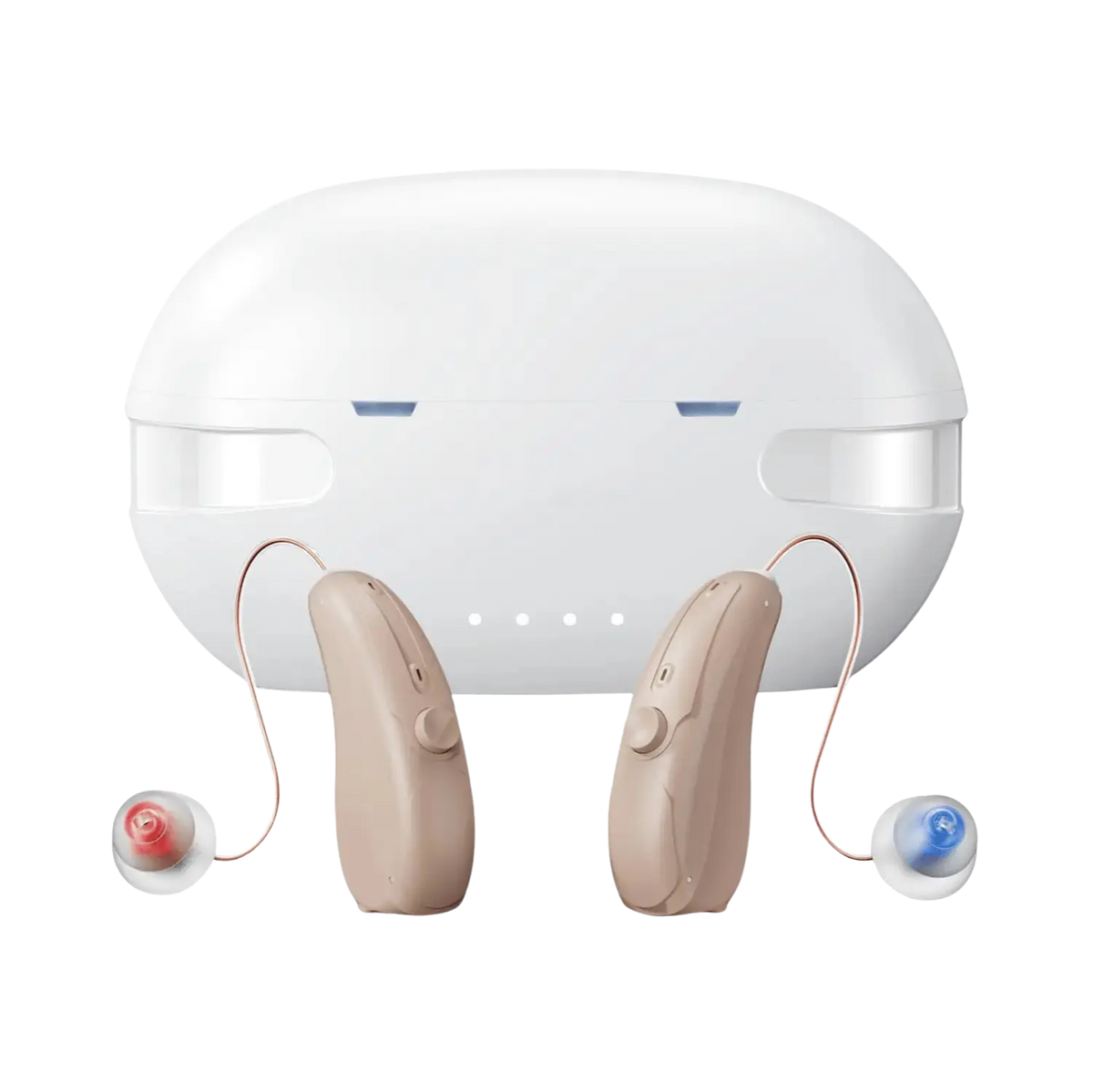
En rød tråd i undersøgelsen er, at høreapparatbaseret rehabilitering forblev en hjørnesten i tinnitusbehandlingen gennem tolv år, mens begrænsninger i tilskud fortsat var en barriere for behandling. Fordi omkostninger ofte er en hindring for traditionel høreomsorg, er nyere FDA-OTC-høreapparater designet til at sænke den barriere for voksne med let til moderat hørenedsættelse.
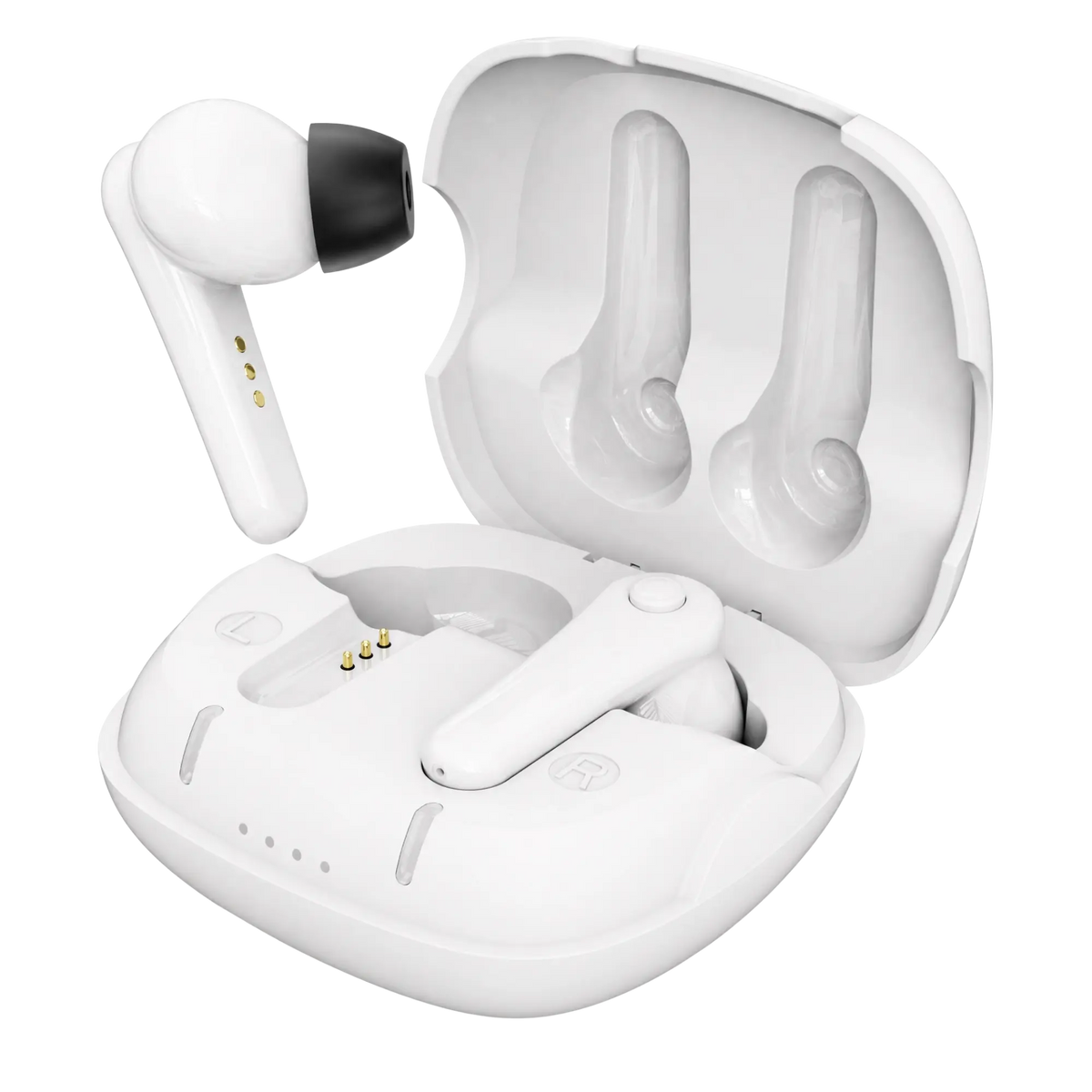
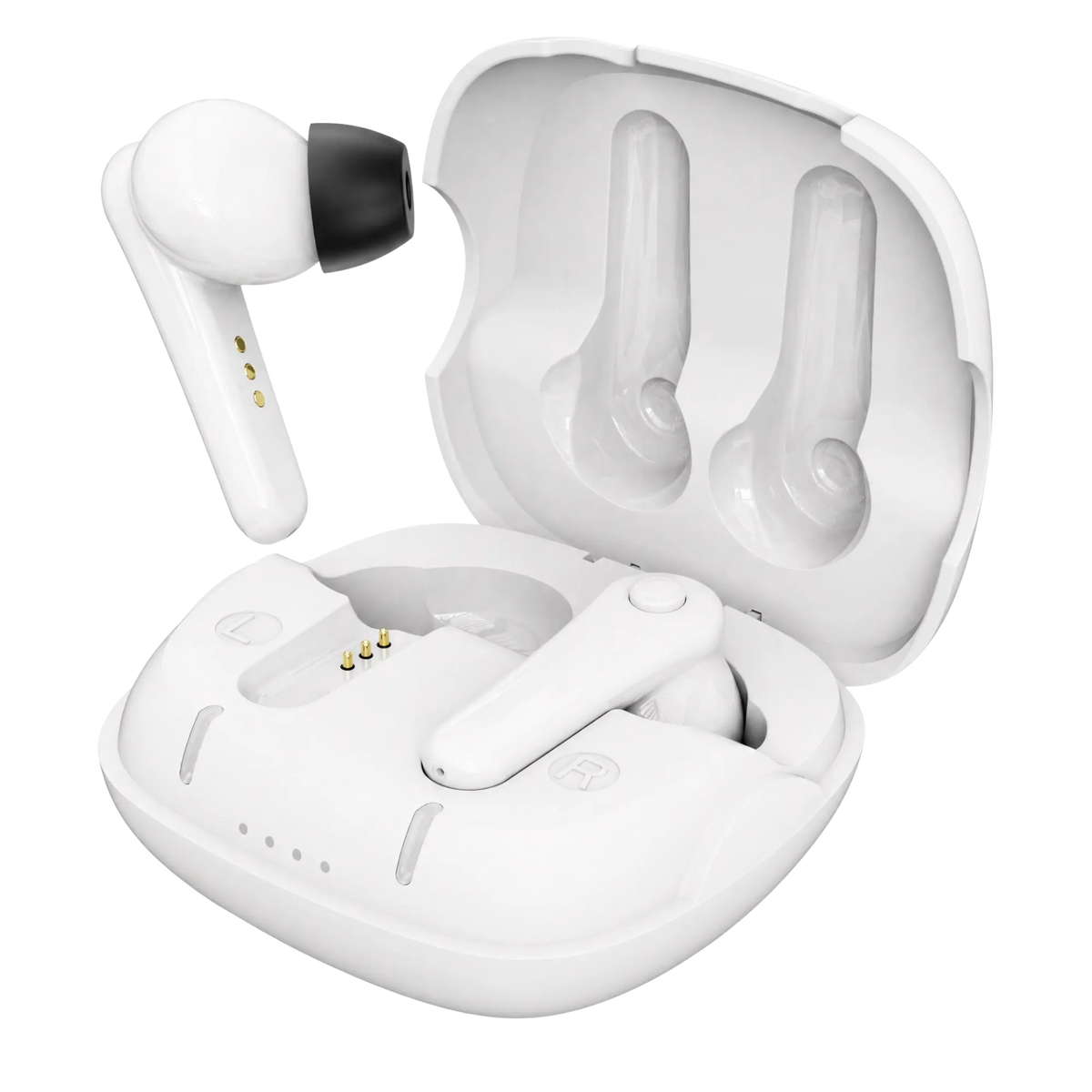
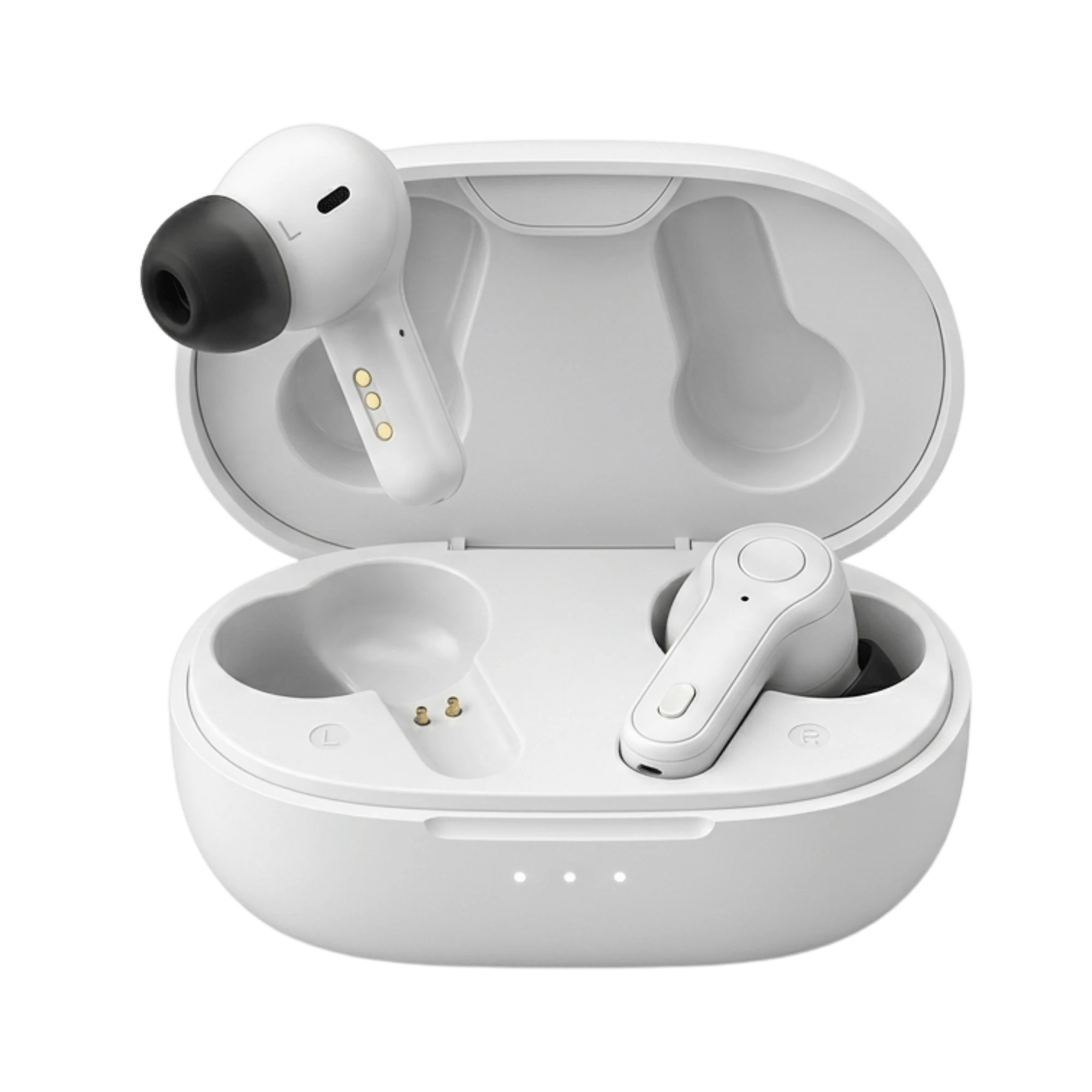
Panda Air er et sådant apparat, en moderne løsning i earbud-stil blandt selvtilpassende OTC-høreapparater. Det bruger 16-kanals signalbehandling med flerbånds adaptiv støjreduktion, fungerer som et Bluetooth-OTC-høreapparat til opkald, tv og musik og leveres med et hurtigopladende etui, der giver 60 timers samlet brug, 5 års garanti og en 45 dages prøveperiode, der starter, når enheden ankommer. En valgfri ledsagende app kan gennemføre en høretest i øret via selve høreapparatet og tilpasse lyden til brugerens hørelsesprofil, men Air fungerer også direkte ud af æsken uden appen eller testen.
Det er vigtigt at være tydelig omkring, hvad høreapparater gør og ikke gør her. De er ikke en behandling eller kur mod tinnitus. For personer, hvis tinnitus optræder sammen med hørenedsættelse, kan tydeligere lyd i hverdagen blot gøre tinnitus mindre mærkbar, hvilket stemmer overens med, hvorfor hørebaseret rehabilitering fylder så meget i specialistbehandlingen. Personer med svær eller dyb hørenedsættelse eller med tinnitus uden hørenedsættelse er bedst tjent med en klinisk udredning.
Begrænsninger ved denne forskning
Dette er en undersøgelse af selvrapporteret praksis og ikke en måling af patientudbytte, og de 34 respondenter fra 28 af 45 universitetshospitaler repræsenterer måske ikke hver enkelt speciallæges tilgang. Fordi individuelle data fra 2013-undersøgelsen ikke var tilgængelige, og flere spørgsmål ikke direkte kunne sammenlignes, kunne forfatterne ikke gennemføre formel statistisk testning, så sammenligningen på tværs af årene er beskrivende.
Resultaterne beskriver specifikt praksis på koreanske universitetshospitaler, og mønstrene kan være anderledes i lokale klinikker eller i andre lande. Det offentliggjorte abstract oplyser ikke om finansieringskilder eller interessekonflikter.
Hvor efterlader det os
Tolv års forandring har gjort tinnitusbehandlingen mere struktureret, mere psykologisk og mere alsidig i sine rehabiliteringsmuligheder, men undersøgelsen viser, at feltet stadig mangler entydigt effektive behandlinger og standardiserede udbyttemål. For patienter er den praktiske konklusion at søge behandling, der tager hånd om både hørelse og trivsel, at være på vagt over for misinformation på nettet og at spørge åbent om evidensen bag enhver foreslået behandling.
Lee JM, Lee HY, Moon IS. Tinnitus Practice Patterns in Korean University Hospitals: Findings from a 2025 Nationwide Survey and Comparison with 2013. Clinical and Experimental Otorhinolaryngology. 2026. Retrieved from PubMed. https://doi.org/10.21053/ceo.2026-00159