Hørenedsættelse hos 84 % af voksne over 60 i ny audiometriundersøgelse
En audiometrisk undersøgelse af 1.000 voksne på 60 år og derover fandt hørenedsættelse hos 84 procent, hvor de høje frekvenser forværres næsten dobbelt så hurtigt som de lave og mellemste toner for hvert årti.
Hørelsen fortager sig så gradvist med alderen, at mange ikke kan sige, hvornår forandringen begyndte. Familiemedlemmer gentager sig selv, tv'et bliver langsomt højere, og travle restauranter bliver hårdere arbejde, men den person, det handler om, synes ofte selv, at hørelsen er fin. Store undersøgelser, der måler hørelsen direkte frem for at støtte sig til selvrapportering, er en af de bedste måder at se, hvad der faktisk sker i aldrende ører.
Et forskerhold i Kina har nu offentliggjort et af de mere detaljerede øjebliksbilleder i nyere tid. De testede hørelsen hos 1.000 voksne på 60 år og derover og kortlagde, hvordan tærsklerne ændrer sig årti for årti, frekvens for frekvens og mellem mænd og kvinder.
Om undersøgelsen
Titel: High-Frequency Vulnerability and Sex Differences in Age-Related Hearing Loss: A Cross-Sectional Audiometric Analysis of Older Chinese Otolaryngology Outpatients
Forfattere: Hongyi Hu, Xin Huang, Fei Ji, Jiatao Zhong og Lingchao Ji
Tilknytning: Peking University Shenzhen Hospital, Shenzhen, Kina; Sixth Medical Center of PLA General Hospital, Senior Department of Otolaryngology-Head and Neck Surgery, Beijing, Kina
Tidsskrift: Journal of Otology, udgivet 27. juli 2026
Undersøgelsestype: Tværsnitsundersøgelse med audiometri
PubMed DOI: 10.26599/JOTO.2026.9540072
Baggrund: Hvorfor forskerne undersøgte emnet
Aldersbetinget hørenedsættelse, medicinsk kaldet presbyakusis, er den gradvise forringelse af hørelsen, der følger med alderen. Den begynder som regel i de høje frekvenser, det område, der bærer konsonantlyde som s, f og th, og det er derfor, ældre lyttere ofte siger, at de kan høre folk tale, men ikke kan skelne ordene. Ubehandlet hænger den sammen med social tilbagetrækning og lavere livskvalitet, hvilket gør korrekt identifikation til en folkesundhedsprioritet.
I 2020 opdaterede Verdenssundhedsorganisationen WHO sine kriterier for at definere og inddele hørenedsættelse og sænkede grænsen for, hvad der tæller som nedsat hørelse. Et åbent spørgsmål var, hvor stor forskel de nye kriterier ville gøre i praksis: hvor mange ældre voksne, der bestod efter den gamle definition, der nu ville blive registreret med hørenedsættelse.
Forskerne ville også skille to mønstre ad, som mindre undersøgelser havde antydet: at de højeste frekvenser forringes hurtigst, og at mænd og kvinder udvikler hørenedsættelse ad forskellige veje.
Sådan blev undersøgelsen gennemført
Mellem marts 2022 og januar 2023 gennemgik 1.000 voksne på 60 år og derover, der var patienter på en tertiær øre-næse-hals-klinik, en ørekonsultation, tympanometri til kontrol af mellemøret og tonaudiometri, den almindelige bippetest, der udføres i et lydtæt rum. Personer med afvigende fund i mellemøret blev udelukket, så resultaterne afspejler det aldrende indre øre frem for behandlingsegnede mekaniske problemer.
Hørenedsættelse blev defineret og inddelt ud fra det bedste ørets gennemsnitlige tærskler ved 0,5, 1, 2 og 4 kilohertz efter WHO's kriterier fra 2020. Holdet sammenlignede derefter tærsklerne på tværs af aldersgrupper fra 60'erne til 90'erne og mellem mænd og kvinder med almindelige statistiske tests.
Hvad forskerne fandt
Hørenedsættelse var næsten universel i denne klinikpopulation. Samlet opfyldte 84,1 procent af deltagerne WHO's definition fra 2020, fra 78,3 procent af personerne i 60'erne til 100 procent af dem over 90. Fordi det var patienter på en øre-næse-hals-klinik, ligger tallene højere end i befolkningen generelt, men aldersudviklingen er slående.
De høje frekvenser tog det værste slag. Tærsklerne ved 8.000 hertz forværredes med omkring 11,7 decibel pr. årti, næsten dobbelt så meget som de 4,5 til 6,3 decibel pr. årti, der sås i de lave og mellemste frekvenser. Det stejleste samlede fald kom mellem 70'erne og 80'erne, hvor hørelsen skiftede fra et højfrekvent tabsmønster mod en generel forringelse over hele området.
Undersøgelsen dokumenterede også en krydsning mellem kønnene. Kvinder hørte bedre end mænd i 60'erne og 70'erne, men deres hørelse forværredes derefter hurtigere, så kvinders tærskler i 80'erne og 90'erne var på niveau med eller dårligere end mænds. Endelig øgede WHO's kriterier fra 2020 markant antallet af personer, der blev registreret med hørenedsættelse, især blandt voksne i 60'erne og 70'erne, den gruppe, der efter de ældre definitioner oftest ville få at vide, at hørelsen stadig var normal.
Hvad det betyder for mennesker med hørenedsættelse
Den praktiske pointe er, at forandringer i hørelsen sent i livet er reglen, ikke undtagelsen, og at de begynder, hvor talens tydelighed bor. Fordi de højeste frekvenser svigter først og hurtigst, er det tidligste tegn sjældent stilhed. Det er uklarhed: stemmer, der lyder til stede, men utydelige, især når baggrundsstøj konkurrerer med konsonanterne.
Resultaterne taler også for at få hørelsen undersøgt tidligere, end de fleste gør. Voksne i 60'erne og 70'erne var netop den gruppe, der blev mest påvirket af de opdaterede WHO-kriterier, hvilket betyder, at mange i det aldersspand har målbar hørenedsættelse, som de ældre standarder ville have ladet passere. En høretest i 60'erne fastlægger et udgangspunkt, og gentagelse hvert par år opfanger den acceleration, undersøgelsen så mellem 70'erne og 80'erne.
Når de høje frekvenser svinder først, er frekvensspecifik tilpasning vigtig
Et tabsmønster koncentreret i de høje frekvenser kræver høreløsninger, der kan løfte netop disse frekvenser, frem for blot at gøre alt højere. Det er én grund til, at FDA-OTC-høreapparater, designet til voksne med let til moderat hørenedsættelse, i stigende grad lægger vægt på frekvensspecifik lydbehandling og personlig tilpasning.
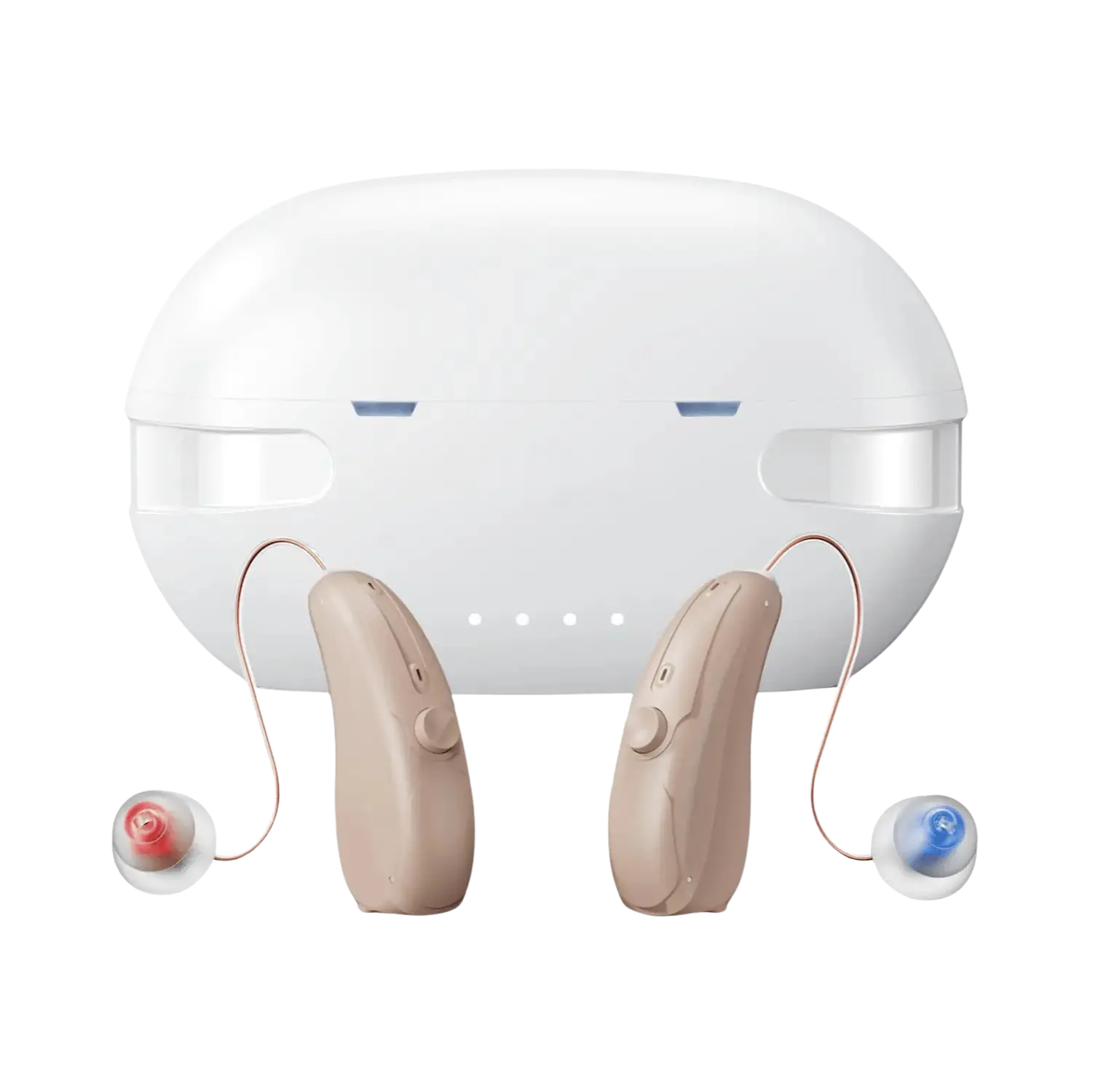
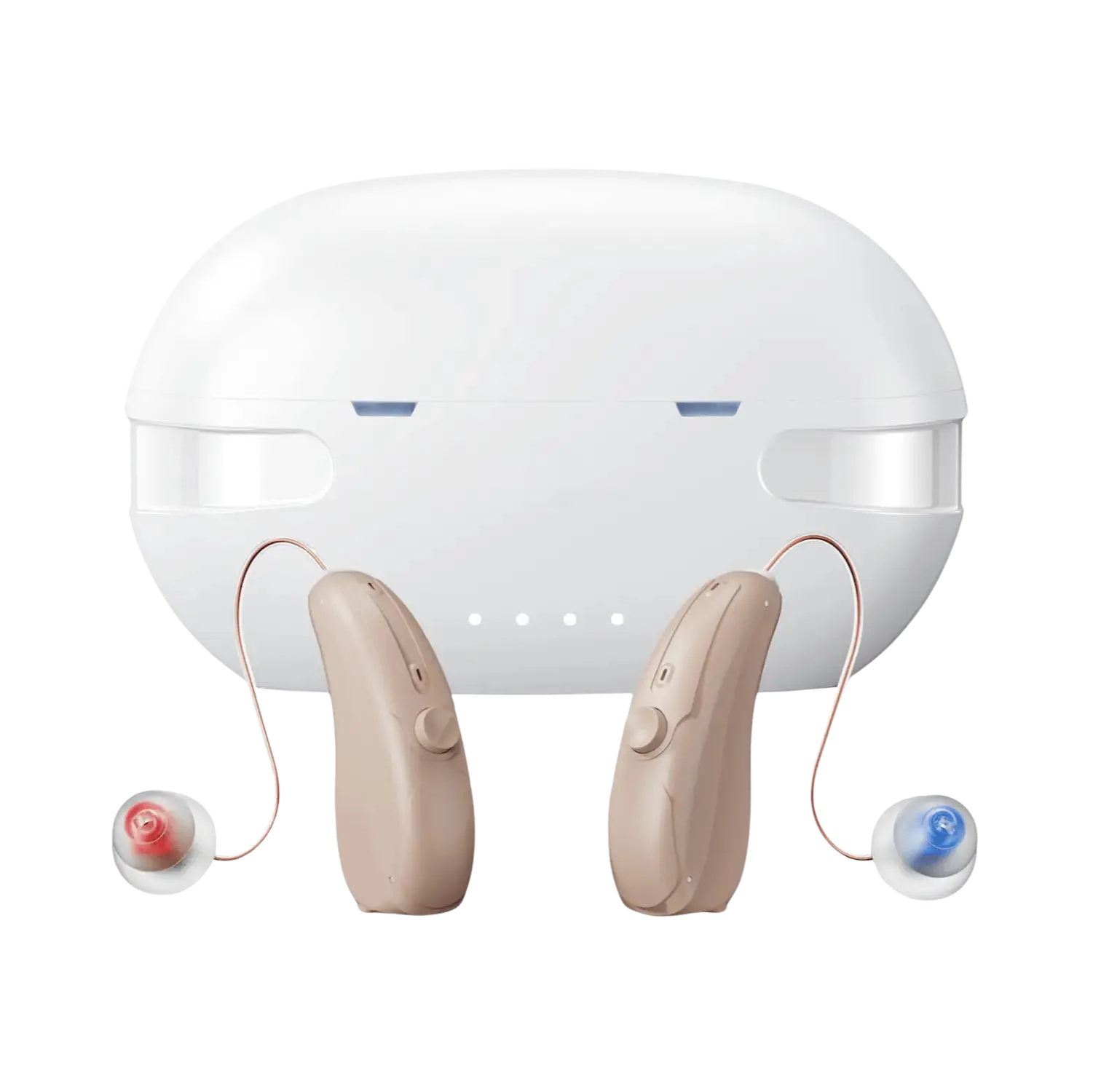
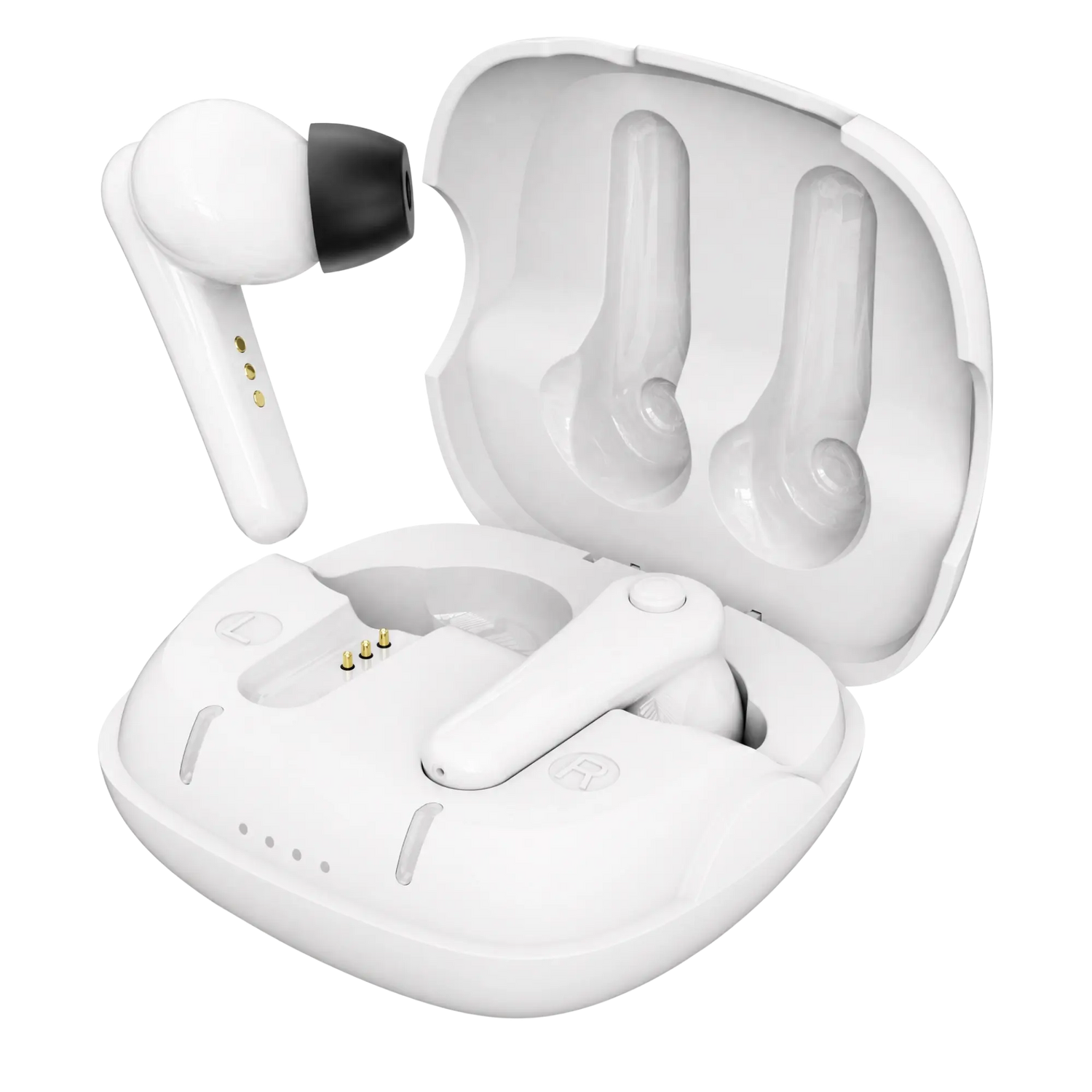
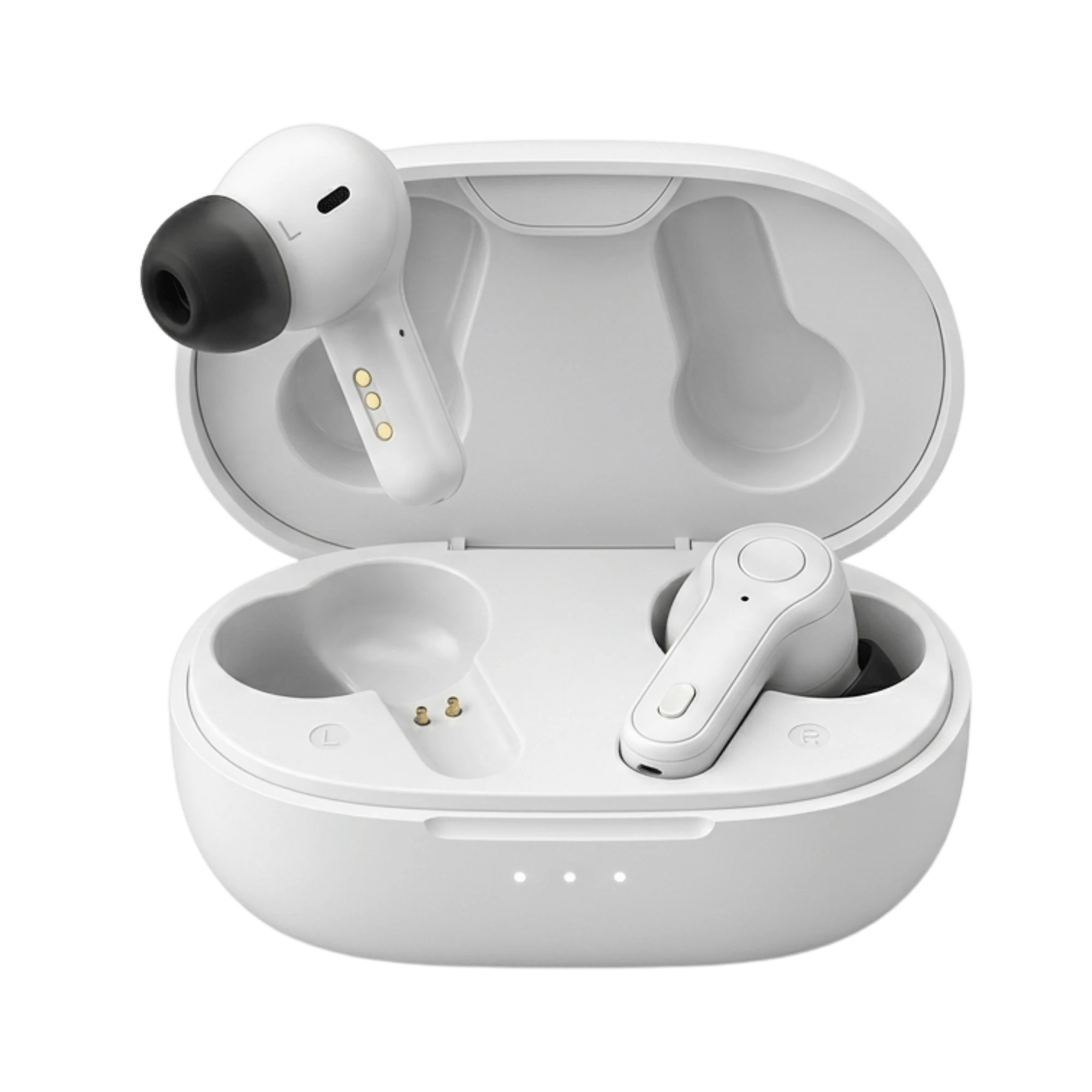
Panda Air, et apparat i øreproppestil med 16-kanals lydbehandling og adaptiv støjreduktion i flere bånd, følger denne tilgang. Den valgfri app kan køre en høretest i øret gennem selve apparatet, måle din hørelse frekvens for frekvens og derefter forme forstærkning og frekvensgang efter din profil, et design, der ofte beskrives som app-tunede høreapparater eller selvtilpassende OTC-høreapparater. Appen og testen er helt valgfri, og Air virker direkte ud af æsken uden nogen af dem.
Air er også bygget som et genopladeligt høreapparat med opladeretui, med hurtigopladning og 60 timers samlet brug pr. etui, plus Bluetooth til opkald, tv og musik, 5 års garanti og 45 dages prøveperiode, der begynder, når du modtager det. Ét forbehold fra forskningen gælder her: OTC-apparater er beregnet til let til moderat hørenedsættelse, og den generelle forringelse, som undersøgelsen så i de ældste grupper, vurderes bedst ved en klinisk tilpasning.
Undersøgelsens begrænsninger
Der var tale om en klinikbaseret stikprøve af personer, der allerede havde søgt hjælp på en tertiær øre-næse-hals-afdeling, så prævalensen på 84,1 procent bør ikke læses som et befolkningsestimat. Designet var også et tværsnit: Det sammenlignede forskellige personer i forskellige aldre på ét tidspunkt frem for at følge de samme personer i årtier, så faldet pr. årti er udledt og ikke direkte observeret.
Undersøgelsen blev gennemført på ét center i Kina, og mønstrene kan afvige i befolkningsgrupper med anden støjeksponering, anden helbredsprofil og anden adgang til behandling. Det offentliggjorte resumé oplyser ikke finansieringskilder eller interessekonflikter.
Hvad du kan bruge det til
Hvis du er i 60'erne eller ældre og ikke har fået en høretest efter de nuværende WHO-kriterier, er denne undersøgelse en god grund til at få en. Højfrekvent hørenedsættelse gemmer sig i almindelig sigte, og at kende sit eget audiogram, altså hvilke frekvenser du hører godt, og hvilke du ikke gør, er første skridt mod at tage fat på den, mens forandringen stadig er let.
Hu H, Huang X, Ji F, Zhong J, Ji L. High-Frequency Vulnerability and Sex Differences in Age-Related Hearing Loss: A Cross-Sectional Audiometric Analysis of Older Chinese Otolaryngology Outpatients. Journal of Otology. 2026. Retrieved from PubMed. https://doi.org/10.26599/JOTO.2026.9540072