Høreapparater og den aldrende hjerne: Undersøgelse af 617 voksne sammenligner kognitiv funktion hos brugere af høreapparat, cochlear implant og bimodal løsning
En tværsnitsundersøgelse af 617 voksne fandt, at typen af høreløsning, en person bruger, ikke var entydigt forbundet med kognitiv præstation, og at alder og den specifikke tankeevne, der blev testet, prægede de små forskelle, der trods alt viste sig.
Sammenhængen mellem hørelse og den aldrende hjerne er blevet et af de mest nøje fulgte emner inden for høreforskning. I takt med at der er kommet flere beviser for, at ubehandlet hørenedsættelse hænger sammen med kognitiv tilbagegang, har forskerne vendt sig mod et opfølgende spørgsmål: Når en person først bruger høreteknologi, gør det så en forskel, hvilken slags?
Høreapparater, cochlear implants og bimodale løsninger, der kombinerer ét af hver, leverer lyd til hjernen på vidt forskellige måder. Hidtil har få undersøgelser direkte sammenlignet kognitiv præstation hos brugere af alle tre samtidig. Et hold ved Macquarie University i Sydney gik i gang med at lukke det hul.
Titel: Hearing technology and the brain: cognitive function in different hearing device users
Forfattere: Bamini Gopinath, Jessica Turner, George Burlutsky, Shermin Lim, Alicia Zou, Ghazal Shineh, Kerry Sherman, Kompal Sinha, Diana Tang
Tilknytning: Macquarie University Hearing and Macquarie University Hearing Research Centre, Sydney; Flinders University, Adelaide; Macquarie Business School, Sydney
Tidsskrift: Frontiers in Aging Neuroscience, udgivet 5. august 2026
Undersøgelsestype: Tværsnitsanalyse inden for en longitudinel resultatundersøgelse
PubMed DOI: 10.3389/fnagi.2026.1887207
Baggrund: Hvorfor forskerne undersøgte emnet
Et høreapparat forstærker lyden og former den efter personens hørelse, i samspil med den naturlige hørelse, der er tilbage. Et cochlear implant omgår de beskadigede strukturer i det indre øre helt og omdanner lyd til elektriske signaler, der sendes direkte til høre-nerven. En bimodal bruger har et cochlear implant på det ene øre og et høreapparat på det andet. Fordi disse teknologier stimulerer hørelsen så forskelligt, er det tænkeligt, at de også kan hænge forskelligt sammen med hjernens funktion.
Undersøgelsens forfattere beskriver et hul i evidensen: Der findes meget forskning, der sammenligner brugere af apparater med personer med ubehandlet hørenedsættelse, men kun lidt, der sammenligner apparattyperne indbyrdes på kognitive mål. At forstå, om apparattypen har betydning, kan præge, hvordan klinikere rådgiver patienter og følger deres kognitive sundhed over tid.
Sådan blev undersøgelsen gennemført
Dataene stammede fra Hearing Impairment in Adults: A Longitudinal Outcomes Study, indsamlet mellem 2022 og 2024. Forskerne rekrutterede voksne på 40 år og derover, som allerede brugte høreteknologi. Af 1.054 kontaktede personer havde 617 fuldstændige data til analysen: 387 brugere af høreapparat, 127 brugere af cochlear implant og 103 bimodale brugere.
Hver deltager gennemførte Cogstate Brief Battery, et valideret sæt computeropgaver, der måler kognitive områder, herunder psykomotorisk funktion, altså hvor hurtigt en person opdager og reagerer på en stimulus, og visuel opmærksomhed, altså hvor nøjagtigt og hurtigt en person identificerer det, vedkommende ser. Holdet sammenlignede derefter scorerne på tværs af de tre apparatgrupper, både for hele stikprøven og særskilt for deltagere under 70 og deltagere på 70 og derover.
Hvad forskerne fandt
I hele gruppen på 617 voksne var der ingen signifikante forskelle i kognitive scorer mellem brugere af høreapparat, cochlear implant og bimodal løsning. På det bredeste spørgsmål, undersøgelsen stillede, adskilte apparattypen ikke folk kognitivt.
Billedet blev mere nuanceret, da forskerne delte stikprøven efter alder. Blandt deltagere under 70 havde brugere af cochlear implant en smule hurtigere reaktionstider end brugere af høreapparat i Detection-opgaven, der måler psykomotorisk funktion, med gennemsnitsscorer på 2,54 mod 2,58. Blandt deltagere på 70 og derover vendte mønstret om på et andet område: Brugere af cochlear implant viste dårligere visuel opmærksomhed end brugere af høreapparat i Identification-opgaven med 2,83 mod 2,78, hvor højere scorer afspejler langsommere præstation.
Begge forskelle var statistisk signifikante, men små i absolutte tal. Forfatternes tolkning er, at typen af høreløsning ikke er entydigt forbundet med kognitiv præstation. I stedet var det alder og det specifikke kognitive område, der afgjorde, om der overhovedet viste sig en forskel, og i hvilken retning.
Holdet konkluderer, at resultaterne understreger vigtigheden af mere målrettet kognitiv overvågning hos voksne med hørenedsættelse frem for antagelser baseret på, hvilket apparat en person bærer.
Hvad det betyder for mennesker med hørenedsættelse
For voksne, der overvejer høreteknologi, rummer denne undersøgelse et overordnet betryggende budskab: Blandt dem, der bruger høreløsninger, viste ingen kategori en konsekvent kognitiv fordel eller ulempe. Valget mellem et høreapparat og et cochlear implant bør med rette afgøres af hørenedsættelsens grad og type, ikke af frygt for, at den ene apparattype er bedre eller værre for hjernen.
Den understøtter også et tema i den seneste høreforskning: Det vigtigste er, at hørenedsættelsen bliver behandlet, og at både hørelse og kognition følges, som folk bliver ældre. Små, aldersafhængige forskelle på tværs af områder er en grund til individuel opfølgning, ikke til at vælge den ene teknologi frem for den anden.
Ens resultater på tværs af apparater sætter fokus på overhovedet at få støtte til hørelsen
Den stille overskrift i undersøgelsen er, at blandt voksne, der allerede bruger høreteknologi, havde ingen apparatkategori en ensartet kognitiv fordel. Forskerne peger i stedet mod passende støtte og løbende overvågning. For de mange voksne med let til moderat hørenedsættelse er den første forhindring ofte blot at få et apparat, og det er netop det hul, FDA-OTC-høreapparater blev skabt til at lukke.
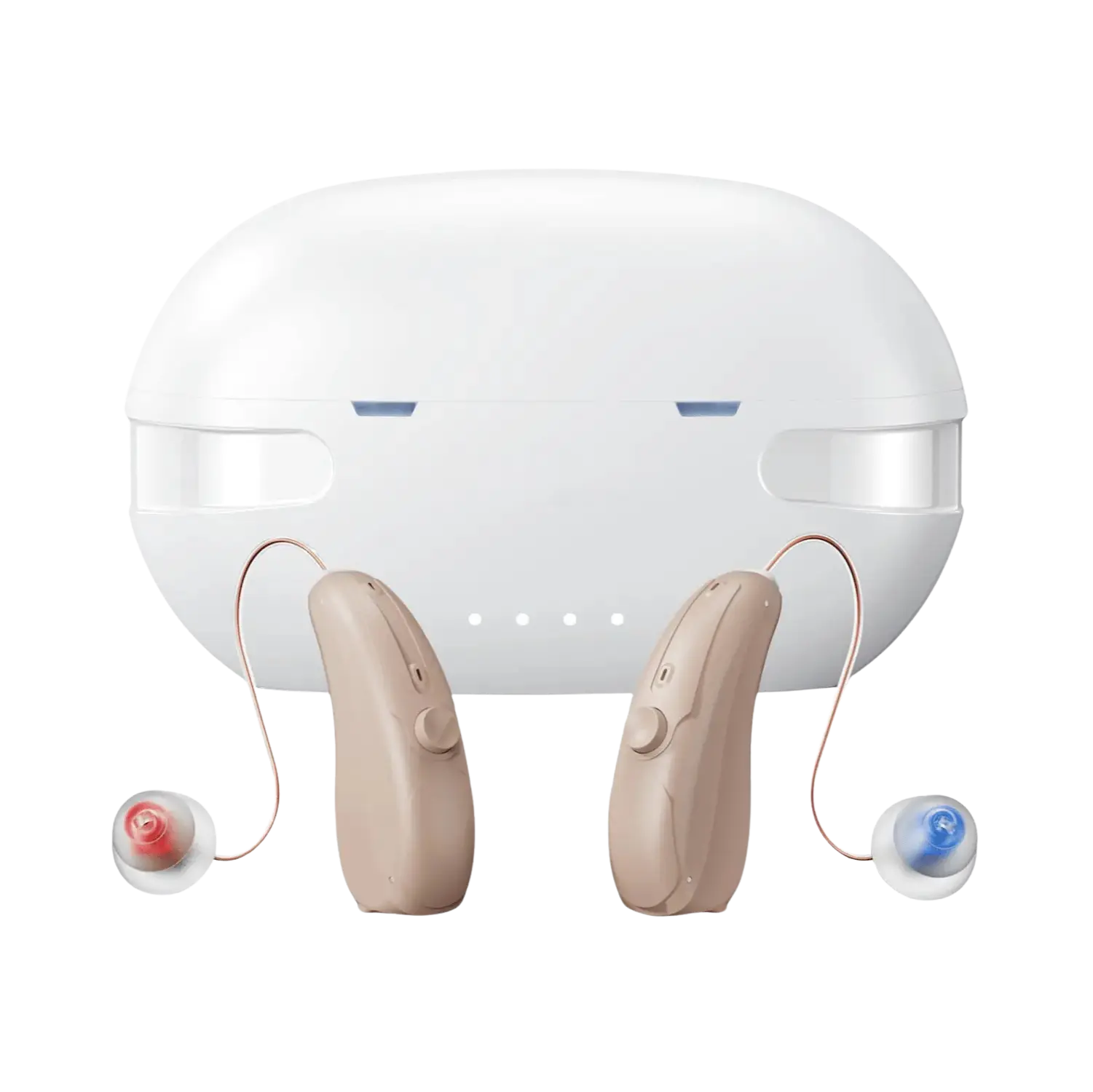
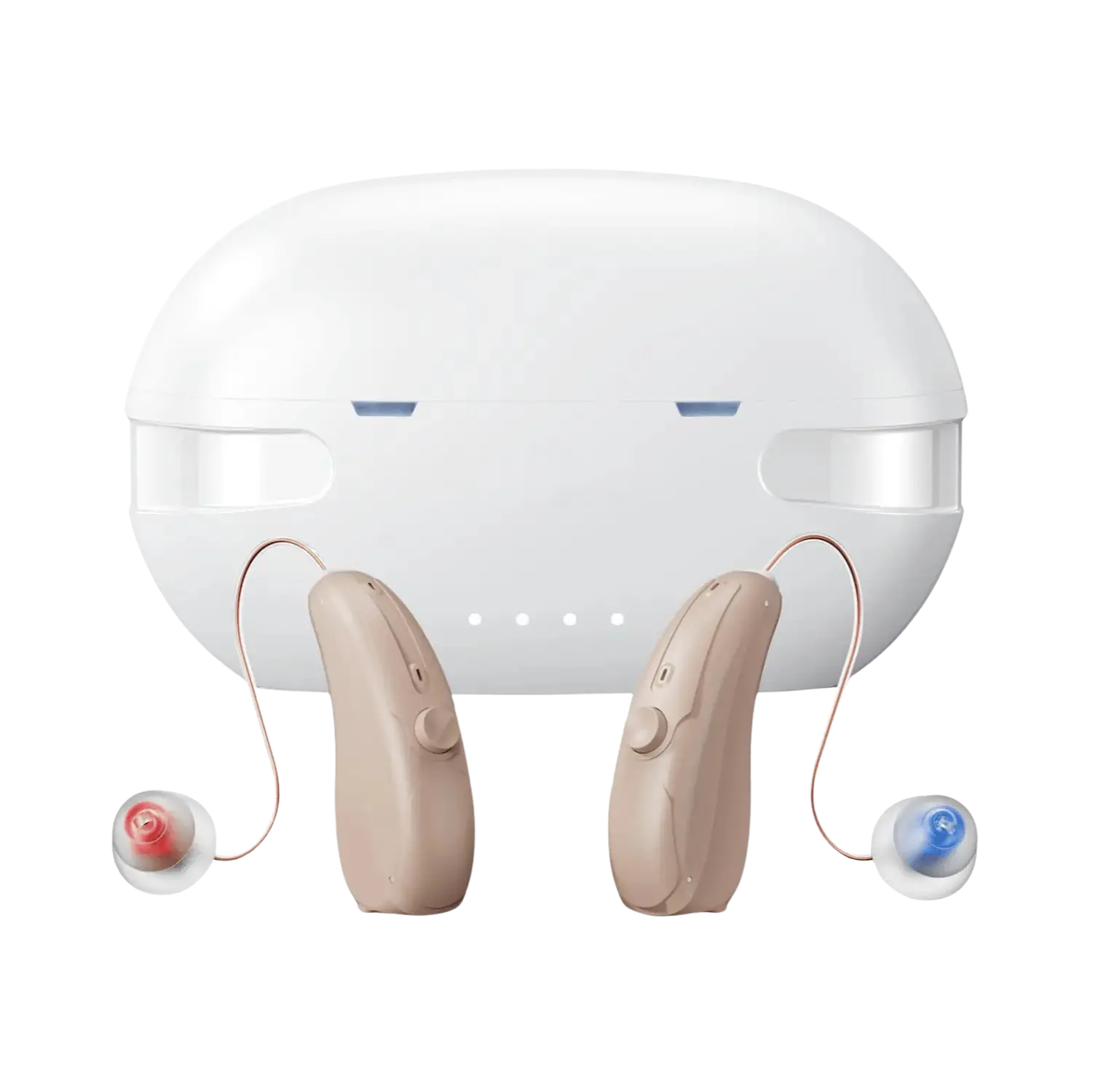
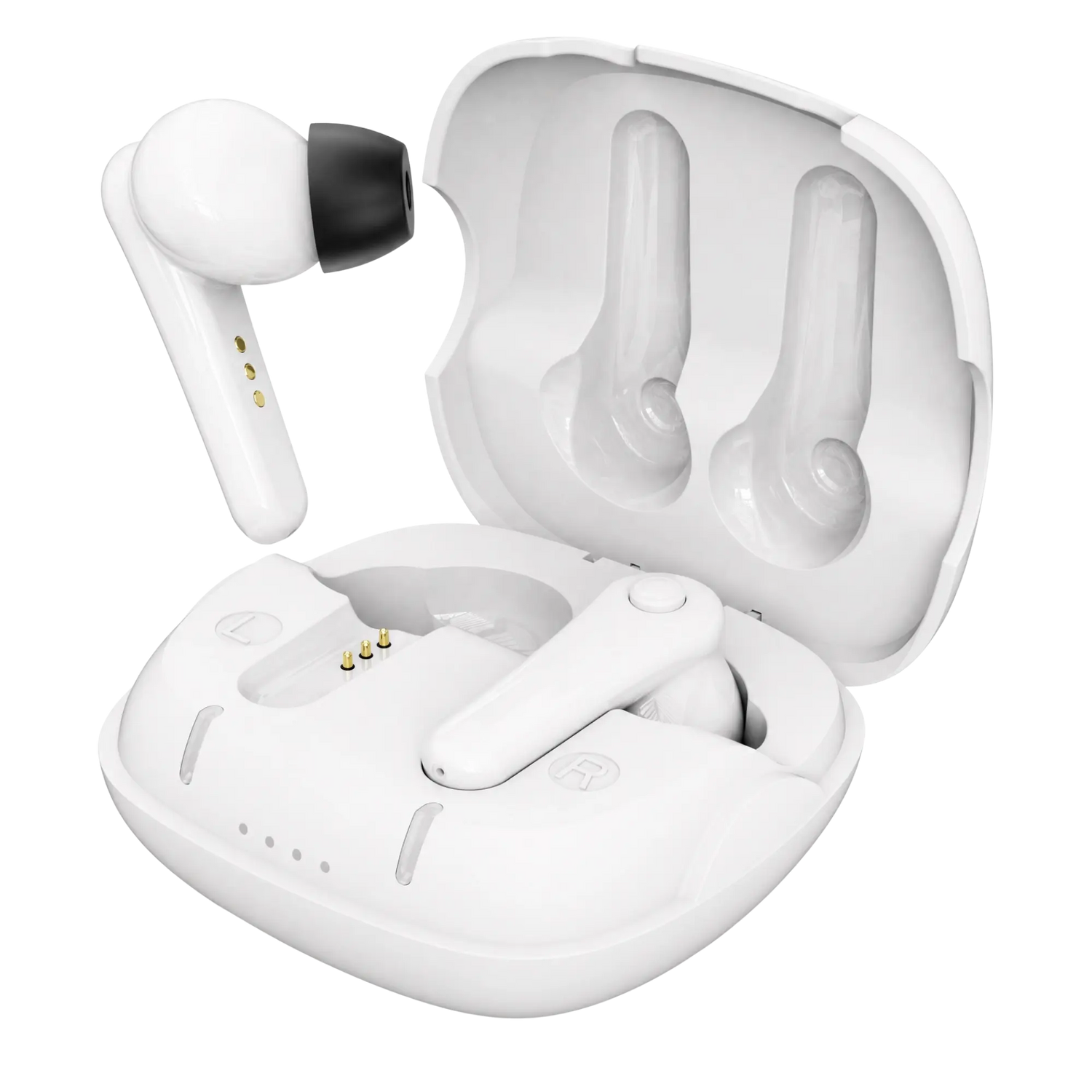
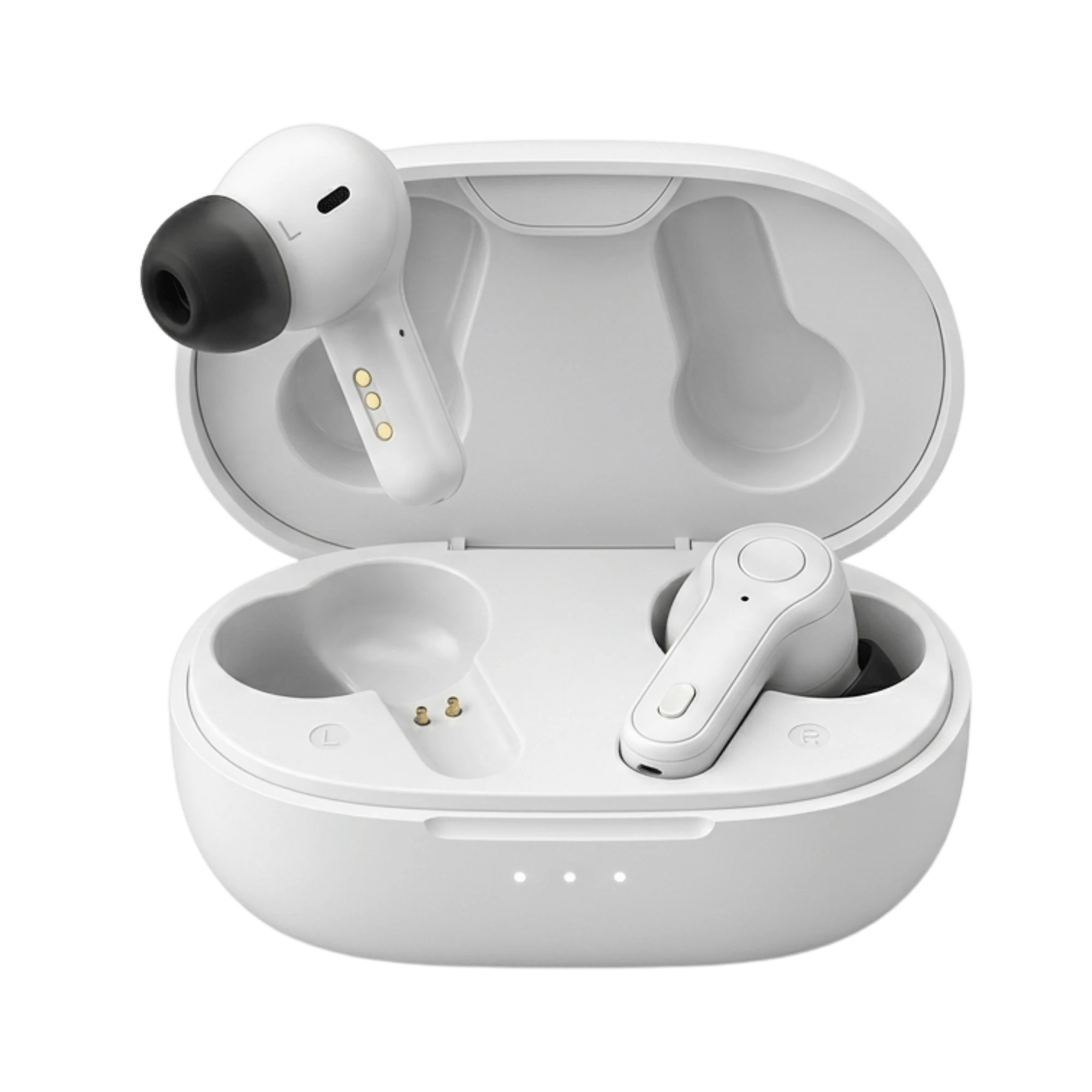
Panda Air afspejler den tilgang med lavere tærskel. Det er et moderne høreapparat i øreproppestil med 16-kanals WDRC og adaptiv støjreduktion i flere bånd, et hurtigopladende etui, der giver 60 timers samlet brug, og Bluetooth til opkald, tv og musik. En valgfri app kan køre en frekvensspecifik høretest i øret gennem selve apparatet og tilpasse forstærkning og frekvensgang til brugerens hørelse, så Air fungerer som et selvtilpassende OTC-høreapparat for dem, der ønsker den finjustering, mens det også virker direkte ud af æsken uden appen eller testen. Det leveres med 5 års garanti og 45 dages prøveperiode, der begynder, når kunden modtager produktet.
Undersøgelsen er også en påmindelse om, hvor OTC-kategorien slutter. Mange af deltagerne var brugere af cochlear implant, hvis hørenedsættelse langt overstiger det lette til moderate niveau, som FDA-OTC-høreapparater er godkendt til. Svær og dyb hørenedsættelse har stadig mest gavn af kliniske tilpasninger og specialistbehandling.
Undersøgelsens begrænsninger
Der var tale om en tværsnitsanalyse, hvilket betyder, at den giver et øjebliksbillede og ikke kan sige, om noget apparat forårsager kognitive ændringer. Af de 1.054 kontaktede voksne havde kun 617 fuldstændige data, hvilket kan give udvælgelseseffekter, og de statistisk signifikante gruppeforskelle var så små, at deres betydning i hverdagen er usikker. Longitudinel opfølgning fra den samme undersøgelse vil være bedre egnet til at følge, hvordan kognitionen udvikler sig i hver apparatgruppe.
Finansieringskilder og mulige interessekonflikter fremgik ikke af det resumé af undersøgelsen, der er gennemgået til denne artikel.
Hvad det betyder samlet set
Apparattypen ser ud til at betyde mindre for kognitionen end det at få støtte, blive fulgt og engageret i høreomsorg i første omgang. For alle, der udskyder handling på hørenedsættelse af usikkerhed om, hvilken teknologi der er den rigtige, er det mest evidensbaserede skridt blot at komme i gang med den apparattype, der passer til hørenedsættelsens grad, og at holde både hørelse og tankeevner under opsyn over tid.
Gopinath B, Turner J, Burlutsky G, Lim S, Zou A, Shineh G, Sherman K, Sinha K, Tang D. Hearing technology and the brain: cognitive function in different hearing device users. Frontiers in Aging Neuroscience. 2026. Retrieved from PubMed. https://doi.org/10.3389/fnagi.2026.1887207